
Your cart (0)
Your cart is empty
Tax included and shipping calculated at checkout
Your cart is empty
Tax included and shipping calculated at checkout

A luxury off-road trailer combines rugged durability: think independent suspension, reinforced chassis, and heavy-duty armor: with high-end amenities like queen beds, induction cooking, and climate control. The result? A premium camping experience in remote locations like BLM land and National Forests, where both capability and comfort matter equally.
If you’re the type who refuses to choose between a soft mattress and accessing truly wild places, this guide is for you.
Not all off-road trailers are created equal. A luxury off-road trailer sits at the intersection of expedition engineering and refined living spaces: combining military-grade materials with the kind of amenities you’d expect in a high-end hotel room.
Standard off-road trailers focus on durability and terrain capability. They’ll get you to remote locations, but comfort is often an afterthought. Luxury models flip that script: they deliver the same rugged performance while refusing to compromise on livability.
Here’s what sets them apart:
Materials & Craftsmanship: Aluminum extrusion frames, composite exterior panels, and huck bolt fasteners (not just screws). Chassis warranties often extend 5–10 years because they’re built to military standards.
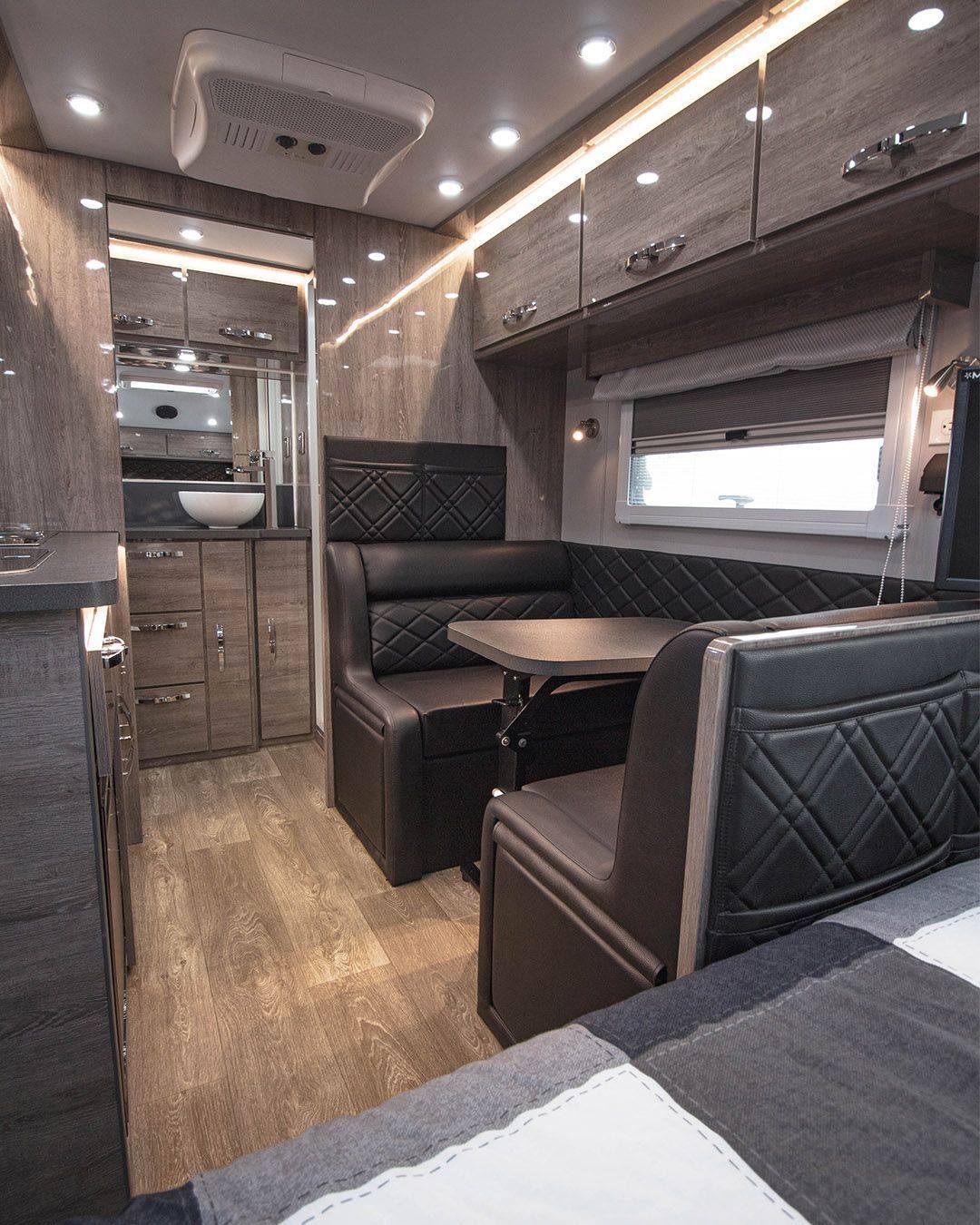
Interior Refinement: We’re talking 6’8″ standing height, stainless steel countertops, custom cabinetry, panoramic insulated windows, and thoughtful storage solutions. This isn’t a “roughing it” experience.
All-Terrain Capability: Independent trailing arm suspension, FOX coil-overs, skid plates, and all-terrain tires rated for both highway cruising and rocky trails. The luxury is that you won’t feel every bump.
Self-Sufficiency: Lithium battery banks (often 400Ah+), roof-mounted solar arrays (600–700W+), large freshwater tanks, and reliable power management systems like Victron electronics.
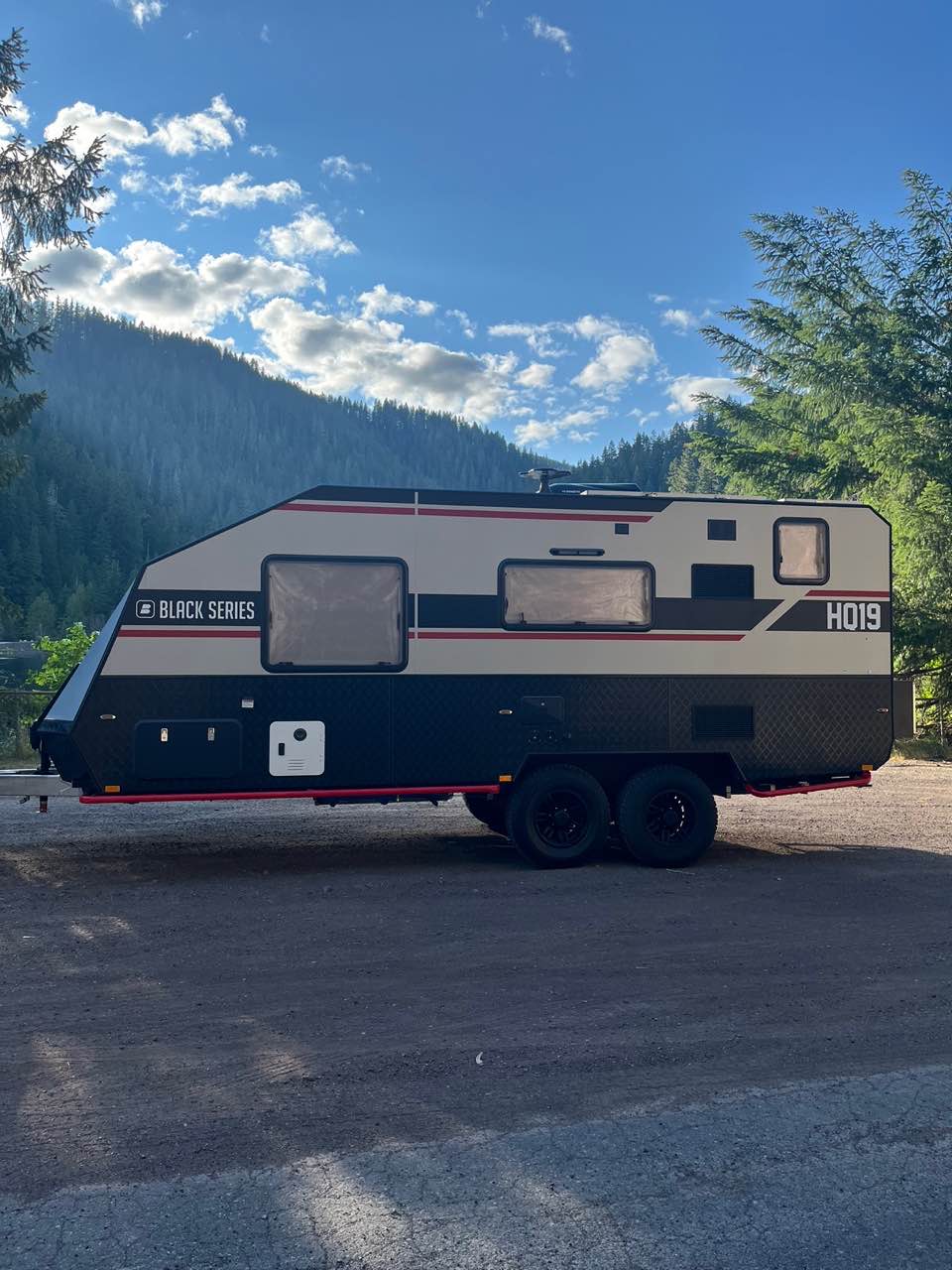
A common misconception? “Off-road” doesn’t mean rock crawling. These trailers are designed for Forest Service roads, two-track trails, desert washes, and dispersed camping sites: not extreme 4×4 obstacle courses.
In 2026, the U.S. market for luxury off-road trailers is booming. Why? Because more adventurers are discovering public lands: and they want access without sacrificing comfort.
Long-Distance Dispersed Camping: Multi-week trips into BLM land or National Forests where amenities don’t exist. These trailers handle both the towing miles on highways and the final 10 miles of dirt roads.
Weekend Overlanders vs. Long-Term Travelers: Weekenders prioritize quick setup and aerodynamic towing. Long-term overlanders need robust power systems, ample storage, and four-season insulation for extended stays in variable climates.
The beauty of luxury models is that they scale to both use cases. A well-designed off-road travel trailer should handle a quick weekend escape to the San Bernardino National Forest or a three-month trek across the Southwest.
Not all luxury features are equal. Here’s what actually matters when you’re 50 miles from the nearest paved road.
The foundation of any luxury off-road trailer is its suspension and frame.
Independent Suspension: Systems like Cruisemaster CRS2 or in-house trailing arm designs with FOX coil-overs absorb terrain impact far better than traditional axles. You’ll notice the difference on washboard roads.
Reinforced Chassis: Look for 2×5″ steel tube frames or military-grade construction with extended warranties. Huck bolt fasteners (not rivets) and aluminum extrusion ensure longevity.
This is where luxury truly shines.
Four-Season Insulation: Double-panel windows, insulated walls, and climate control systems (both AC and heating). Essential for desert heat or mountain cold.
Queen-Size Beds: Not a dinette conversion: actual, dedicated sleeping spaces with memory foam mattresses.
Full Kitchens: Induction cooktops, stainless steel counters, oversized sinks, and smart storage. Some models even offer interior and exterior kitchen options.
Energy independence is non-negotiable for extended off-grid stays.
Lithium Battery Banks: 400Ah+ lithium systems provide reliable, deep-cycle power without the weight penalty of lead-acid batteries.
Solar Arrays: 600–745W roof-mounted panels keep batteries topped off during multi-day stays. Pair this with a quality charge controller (Victron is industry-standard).
Large Water Tanks: 40–60 gallons of freshwater capacity means fewer refill trips. Tank placement matters: lower and centered tanks improve weight distribution.
Luxury doesn’t mean fragile.
Skid Plates & Armor: Protect tanks, chassis, and electrical components from rock strikes.
All-Terrain Tires: Load-rated for your trailer’s weight, with tread patterns that handle both highway miles and dirt trails.
Recovery Points: Integrated recovery anchors are essential if you get stuck on soft sand or mud.
Choosing the right trailer starts with understanding your tow vehicle’s limits and your actual use case.
GVWR and Tongue Weight: Your tow vehicle needs to handle both the trailer’s Gross Vehicle Weight Rating (GVWR) and its tongue weight (typically 10–15% of GVWR). A luxury off-road camper trailer often weighs more than a standard model due to reinforced chassis, larger tanks, and premium materials.
For example:
Understanding average travel trailer weights helps set expectations: standard travel trailers average 5,000–7,000 lbs, but luxury off-road models run heavier due to steel frames, lithium batteries, and water capacity.
Don’t max out your tow capacity. Leave 15–20% margin for gear, water, food, and unexpected weight additions. If your truck is rated for 10,000 lbs, aim for a trailer with a loaded weight around 8,000–8,500 lbs.

Score each trailer on these dimensions (1–10 scale):
A balanced luxury trailer should score 8+ across all categories. If you’re seeing 10s in comfort but 5s in off-road capability, you’re looking at a standard travel trailer with marketing spin.
Even the best luxury trailer needs proper setup before hitting the trail.
Before You Leave Pavement:
When Moving from Highway to Trail:
For more on tire pressure management, check out this guide on off-road trailer maintenance.
Hot Desert Camping: Roof-mounted AC units and reflective exterior coatings make a massive difference. Park under shade when possible, and rely on solar to run AC during peak afternoon heat.
Wet Forest Environments: Double-panel insulated windows prevent condensation buildup. Ensure your battery system can handle extended cloudy days (lithium holds charge better than AGM in cold/damp conditions).
Towing with an electric vehicle in 2026? Range is your primary concern.
Range Impact: Expect 40–60% range reduction when towing. A 16 ft camper weight (lighter, more aerodynamic) will drain less range than a 30 ft rv weight model.
Loading Tips: Keep weight low and centered. Use tongue weight scales to ensure proper distribution: too much or too little tongue weight reduces efficiency and stability.
For those exploring luxury upgrades, consider reviewing best RV upgrade deals and off-road RV trade-in options to maximize value.
A luxury off-road trailer combines rugged construction (independent suspension, reinforced chassis, skid plates) with high-end living amenities (queen beds, full kitchens, climate control, premium materials). It’s designed for both extreme terrain capability and extended comfort: no compromises.
Not necessarily. Premium components like lithium batteries and quality suspension systems often reduce long-term maintenance costs compared to cheaper alternatives. However, specialized parts (like FOX coil-overs) may require professional servicing. Budget $500–1,500/year for routine maintenance, depending on usage intensity.
It depends on the trailer’s weight and your truck’s specific tow rating. Compact luxury models (18 ft or 16 ft camper weight range) may be compatible with heavy-duty half-ton trucks. Anything approaching the average weight of camper in the 30-foot category (8,000+ lbs loaded) typically requires a 3/4-ton or 1-ton truck.
If you value access to remote locations without sacrificing comfort, absolutely. Luxury off-road trailers hold resale value better than standard models due to quality construction and niche demand. They also enable longer trips with fewer compromises, which means you’ll actually use your investment more frequently.
For a deeper dive into off-grid power systems that make extended luxury travel possible, explore off-grid power systems for travel trailers and RV lithium power upgrades.
Final Thought: Luxury off-road travel isn’t about showing off: it’s about accessing places most people never see while maintaining the comfort that lets you stay longer and enjoy more. In 2026, the right trailer makes that balance not just possible, but effortless.