A hot-dipped galvanized chassis is steel that’s been fully submerged in molten zinc, creating a metallurgically bonded protective layer that prevents rust for 20+ years. It’s the gold standard for premium off-road trailers: and the reason serious overlanders won’t settle for anything less.
While painted chassis start showing rust within 5-8 years, galvanized frames shrug off salt spray, mud, and moisture like it’s nothing. That’s why BlackSeries builds every trailer on a hot-dipped galvanized chassis, engineered specifically for the demanding conditions American adventurers face.
In this guide, we’ll break down exactly how this technology works, why it matters for your trailer investment, and what makes the BlackSeries approach different.
What Is a Hot-Dipped Galvanized Chassis?
A hot-dipped galvanized chassis is a steel frame that’s been completely immersed in a bath of molten zinc at approximately 840°F (450°C). This process creates a permanent metallurgical bond between the zinc and steel: not just a surface coating, but an actual alloy layer that becomes part of the metal itself.
Unlike paint or powder coating that sits on top of steel, galvanizing protects from the inside out. The zinc layer acts as a sacrificial barrier: even if scratched, the surrounding zinc continues protecting the exposed steel through cathodic protection.
For trailers, this means:
- Complete coverage : inside tubes, corners, and hard-to-reach areas all get protected
- Self-healing properties : minor scratches don’t lead to rust spread
- Decades of protection : properly galvanized steel lasts 20-50 years depending on environment
This is fundamentally different from painted or powder-coated chassis, where any chip or scratch becomes an entry point for corrosion.
How Hot-Dip Galvanizing Works
The Galvanizing Process
The hot-dip galvanizing process involves several precise steps:
- Surface Preparation : Steel is cleaned through degreasing, pickling in acid, and fluxing to remove all contaminants
- Immersion : Clean steel is lowered into molten zinc (98% pure) at 840°F
- Metallurgical Reaction : Zinc reacts with iron to form zinc-iron alloy layers
- Withdrawal and Cooling : Steel is removed and cooled, leaving a thick, uniform zinc coating
The result is multiple protective layers: pure zinc on the outside, with progressively harder zinc-iron alloys bonding to the base steel. Total coating thickness typically ranges from 3-5 mils (75-125 microns).
Why It Prevents Rust
Galvanizing prevents rust through two mechanisms:
Barrier Protection : The zinc coating physically blocks moisture and oxygen from reaching the steel substrate.
Cathodic Protection : Zinc is more electrochemically active than steel. When both metals are exposed (like at a scratch), zinc corrodes preferentially, sacrificing itself to protect the steel. This “self-healing” property is unique to galvanizing.
This dual protection explains why galvanized steel outperforms painted steel by a factor of 4-10x in corrosion resistance tests.
Hot-Dipped Galvanized Chassis for Trailers – Why It Matters
Off-road trailers face environmental challenges that standard vehicles never encounter. A hot-dipped galvanized chassis for trailers addresses these specific threats:
Long-Term Outdoor Exposure : Trailers sit outside for months, exposed to rain, humidity, and temperature swings. Galvanizing handles this without degradation.
Salt and Coastal Environments : Beach camping and coastal roads expose chassis to corrosive salt spray. Galvanized steel resists salt corrosion far better than painted alternatives.
Water Crossings and Mud : Off-road trailers regularly encounter standing water and mud that traps moisture against the frame. Galvanizing prevents the hidden rust that destroys painted chassis from the inside.
Road Spray and Chemicals : Winter roads treated with salt and de-icing chemicals attack painted frames aggressively. Galvanized chassis handle these conditions without issue.
For anyone planning to keep their trailer more than 5 years: or venture anywhere near water, mud, or coastal areas: galvanizing isn’t optional. It’s essential.

Galvanized Chassis vs Painted Chassis
When comparing galvanized chassis vs painted chassis, the differences become clear:
Painted chassis fail in a predictable pattern: rock chips and scratches break the paint barrier, moisture gets underneath, and rust spreads invisibly until structural damage occurs. By the time you see rust on a painted frame, significant hidden damage has already happened.
Galvanized chassis don’t have this vulnerability. Scratches expose zinc, not bare steel, and the cathodic protection mechanism prevents rust spread.
Benefits of Hot-Dip Galvanizing Chassis
The benefits of hot-dip galvanizing chassis extend beyond just rust prevention:
- Maximum Corrosion Resistance : Handles salt, chemicals, humidity, and standing water without degradation
- Longer Service Life : 4-10x longer lifespan compared to painted steel in corrosive environments
- Lower Lifetime Maintenance Cost : No repainting, no rust treatment, no hidden damage repairs
- Higher Resale Value : Galvanized trailers command premium prices on the used market
- Better Off-Road Reliability : Rock chips and trail damage don’t compromise structural protection
- Complete Coverage : Interior surfaces, welds, and hard-to-reach areas all protected equally
For overlanders who put serious miles on rough terrain, these benefits translate directly to lower ownership costs and greater reliability.
Off Road Trailer Galvanized Chassis – Built for Adventure
An off road trailer galvanized chassis performs in environments that would destroy conventional frames:
Desert Conditions : Fine dust and sand work into every crevice. Galvanizing protects even when abrasive particles reach the frame.
Coastal and Beach Camping : Salt air and sea spray accelerate corrosion dramatically. Galvanized steel resists salt corrosion for decades.
Snow and Winter Camping : Road salt, ice melt chemicals, and freeze-thaw cycles attack painted frames. Galvanizing handles these conditions without issue.
Mud and Water Crossings : Wet mud traps moisture against steel for extended periods. Galvanized frames don’t rust from the inside out like painted alternatives.
Rocky Terrain : Trail rocks chip paint and expose bare steel. On galvanized frames, chips expose protective zinc: not vulnerable steel.
Why BlackSeries Uses Hot-Dipped Galvanized Chassis
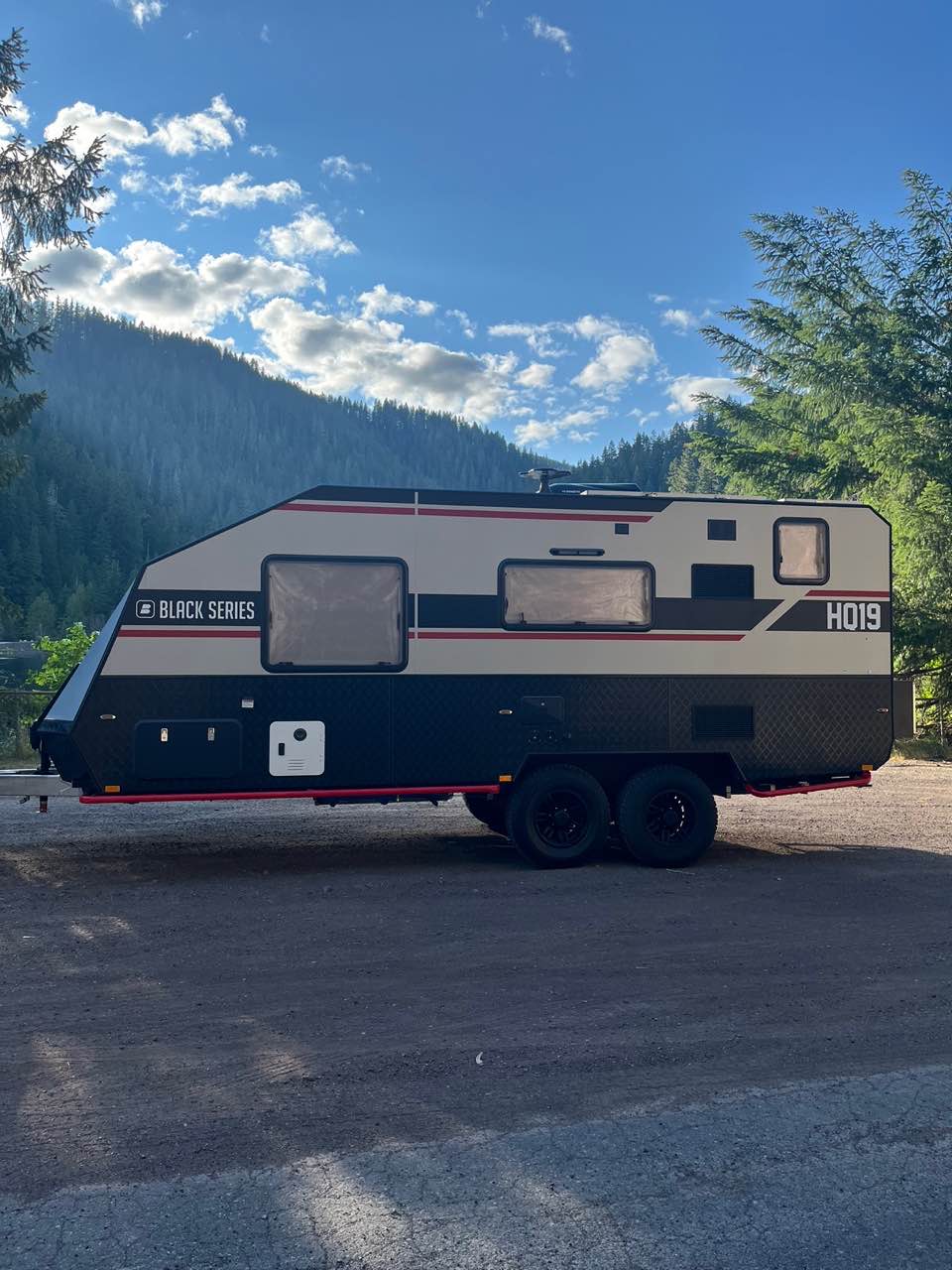
BlackSeries builds every trailer on a hot-dipped galvanized chassis because American overlanders deserve equipment that lasts. Here’s what sets the BlackSeries approach apart:
Engineered for American Conditions : From Florida salt air to Pacific Northwest rain to Arizona desert heat, BlackSeries chassis handle the full range of North American environments.
High-Strength Steel Construction : The galvanized coating protects premium steel, not bargain-bin material. This combination delivers both corrosion resistance and structural integrity.
Rigorous Quality Control : Every chassis is inspected for coating thickness and coverage before assembly. No shortcuts, no exceptions.
Integrated System Design : The galvanized chassis works with BlackSeries independent suspension, dual shock absorbers, and heavy-duty components as a complete engineered system.
Explore the full BlackSeries trailer lineup to see how galvanized chassis construction integrates with other premium features. For detailed specifications, check out models like the HQ21 or read our 2025 Off-Road Trailer Buying Guide.
Maintenance Tips for Galvanized Chassis
Basic Care
Galvanized chassis require minimal maintenance, but simple practices extend their life:
- Regular Washing : Rinse off salt, mud, and road grime after trips, especially after beach or winter driving
- Visual Inspection : Check for any deep scratches or damage during routine maintenance
- Dry Storage When Possible : While galvanizing handles moisture well, dry storage between trips reduces wear
Long-Term Protection
- Address Deep Damage Promptly : If scratches penetrate to bare steel (rare), apply cold galvanizing compound
- Protect Mounting Points : Check bolted connections where dissimilar metals meet
- Maintain Surrounding Components : Keep suspension, brakes, and accessories in good condition to prevent unnecessary stress on the chassis
The beauty of galvanized construction is that it largely takes care of itself. No annual repainting, no rust treatment, no hidden corrosion surprises.
Real-World Performance
BlackSeries owners regularly report exceptional chassis durability across extreme conditions:
Coastal Exposure Testing : Trailers used extensively in Florida and Pacific coastal environments show zero structural rust after 5+ years of regular use.
Desert Performance : Arizona and Nevada overlanders report no corrosion issues despite years of dust, heat cycles, and rocky terrain.
Winter Durability : Owners in northern states using trailers year-round on salted roads report galvanized chassis remaining rust-free while their tow vehicles show corrosion.
Independent testing confirms hot-dipped galvanized steel maintains protective properties for 20-50 years in most environments: far exceeding the typical ownership period for recreational trailers.
FAQs
What is a hot-dipped galvanized chassis?
A hot-dipped galvanized chassis is a steel frame that’s been completely submerged in molten zinc at approximately 840°F, creating a metallurgically bonded protective coating that prevents rust for 20+ years through barrier protection and cathodic (sacrificial) protection.
Is galvanized better than a painted chassis?
Yes. Galvanized chassis provide 4-10x longer corrosion protection, require less maintenance, and don’t fail when scratched or chipped. Painted chassis typically show rust issues within 5-8 years, while galvanized frames last 20-50+ years.
How long does a galvanized chassis last?
In most environments, hot-dipped galvanized steel maintains protective properties for 20-50+ years. Coastal and industrial environments may reduce this slightly, but galvanized chassis still dramatically outlast painted alternatives in all conditions.
Does galvanizing prevent all rust?
Galvanizing prevents rust on protected steel surfaces. In extremely aggressive environments or with severe mechanical damage that exposes bare steel, some surface rust may eventually occur: but galvanized steel resists corrosion far longer than any painted alternative.
Why does BlackSeries use galvanized chassis?
BlackSeries uses hot-dipped galvanized chassis because off-road trailers face extreme environmental challenges: salt, mud, water, and mechanical damage: that destroy painted frames. Galvanizing provides the long-term durability that serious overlanders demand from premium equipment.
Ready to invest in a trailer built to last? Explore the complete BlackSeries lineup and see why hot-dipped galvanized construction is just one part of the BlackSeries advantage.

