
Your cart (0)
Your cart is empty
Tax included and shipping calculated at checkout
Your cart is empty
Tax included and shipping calculated at checkout

If you’re planning winter off-road camping in the USA, choosing a travel trailer with proper “off-road travel trailer insulation winter” capabilities is crucial. It’s not enough to have basic four-season features: you need a rig that maintains comfort and functionality in harsh conditions while handling rugged terrain. Blackseries specializes in building exactly these types of trailers, combining superior insulation with off-road durability for the ultimate winter adventure experience.
The American outdoor recreation market has seen explosive growth in winter camping and off-road travel trailer segments. More adventurers are pushing beyond traditional camping seasons, seeking remote snow-covered destinations and high-altitude winter experiences. This trend has made “winter camping travel trailer” and “best insulated travel trailer” some of the hottest search terms among outdoor enthusiasts.
Why the surge in interest? Modern Americans are increasingly seeking authentic wilderness experiences that extend beyond crowded summer campgrounds. Winter camping offers solitude, stunning snow-covered landscapes, and access to activities like backcountry skiing, ice fishing, and northern lights viewing. However, these adventures demand equipment that can handle sub-zero temperatures, icy roads, and remote locations where failure isn’t an option.
Blackseries has built its reputation on creating travel trailers that excel in these extreme conditions. With their Australian heritage adapted for North American winters, Blackseries combines rugged off-road capability with advanced insulation systems designed specifically for harsh winter environments.
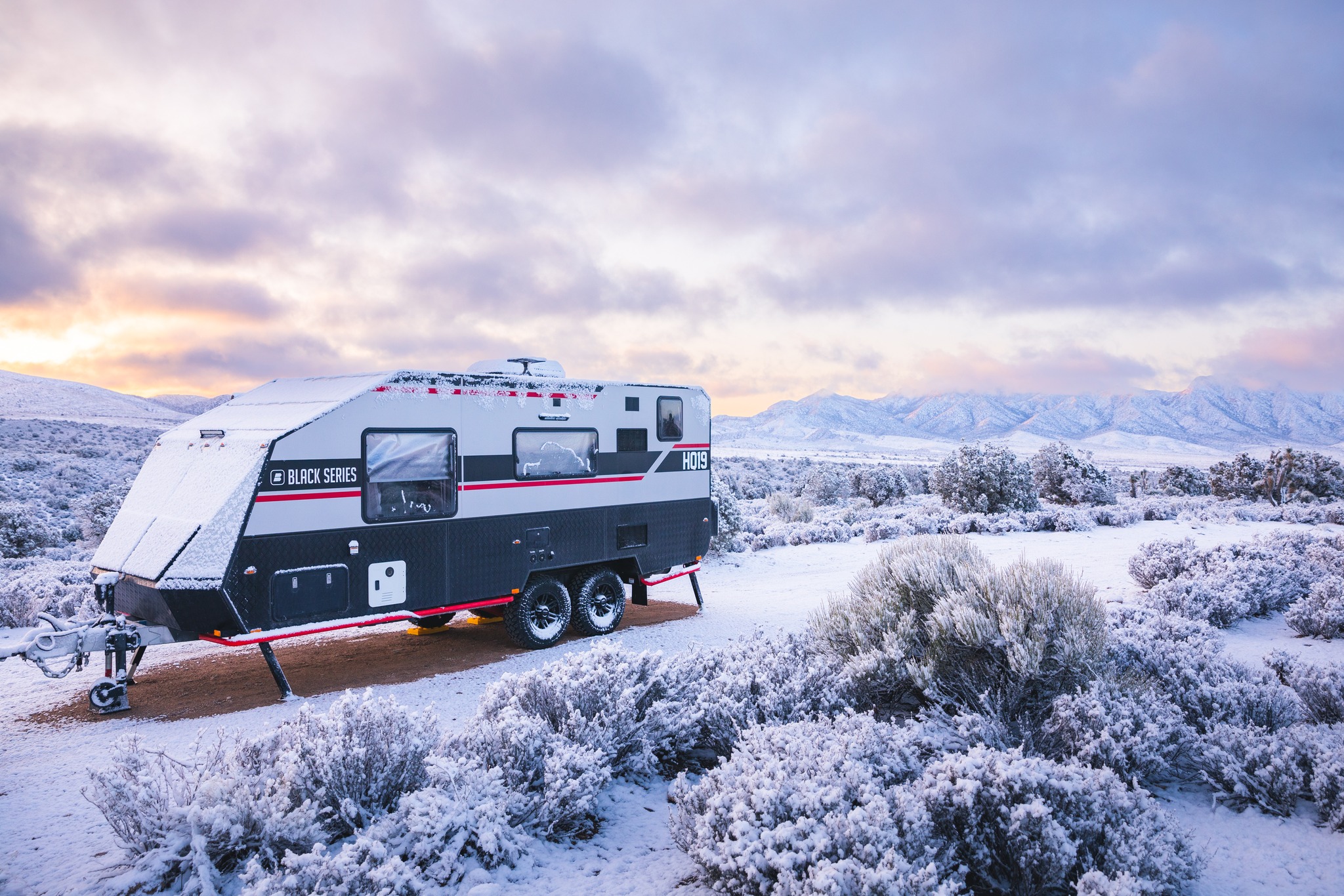
Off-Road Travel Trailer: Unlike standard travel trailers designed for paved roads and established campgrounds, off-road trailers feature higher ground clearance (typically 14+ inches), independent suspension systems, reinforced chassis, and all-terrain capabilities for accessing remote locations.
Four-Season RV: A designation that should indicate year-round capability, including sub-zero temperature operation. However, not all trailers marketed as “four-season” meet true winter standards: genuine four-season trailers require testing at -20°F or colder.
R-Value Insulation: The measurement of thermal resistance. Quality winter trailers should have minimum R-21 wall insulation and R-35+ roof insulation, significantly higher than standard RVs which often use R-7 to R-11 insulation.
Thermal Bridging: The process where metal framing conducts cold directly through walls, creating cold spots and condensation. Premium winter trailers use composite construction to eliminate thermal bridges.
Enclosed Heated Underbelly: A fully enclosed, insulated compartment beneath the trailer that houses plumbing and tanks with dedicated heating systems to prevent freezing: essential for true winter capability.
The North American travel trailer market is experiencing unprecedented growth, with the overall market projected to reach $57.3 billion by 2035, up from $28.6 billion in 2025. Within this segment, the off-road and four-season markets represent the fastest-growing subsectors.
Recent industry data shows that well-insulated trailers with proper heating systems can maintain 65°F interior temperatures even in -20°F conditions, making extended winter camping feasible. The demand for “travel trailer winter package” upgrades has increased 340% over the past three years, indicating strong consumer interest in cold-weather capabilities.
Regional demand is strongest in states like Alaska, Montana, Wyoming, and Colorado: areas where traditional RVs simply cannot operate safely during winter months. These markets represent significant opportunities for manufacturers like Blackseries who specialize in extreme-condition trailers.
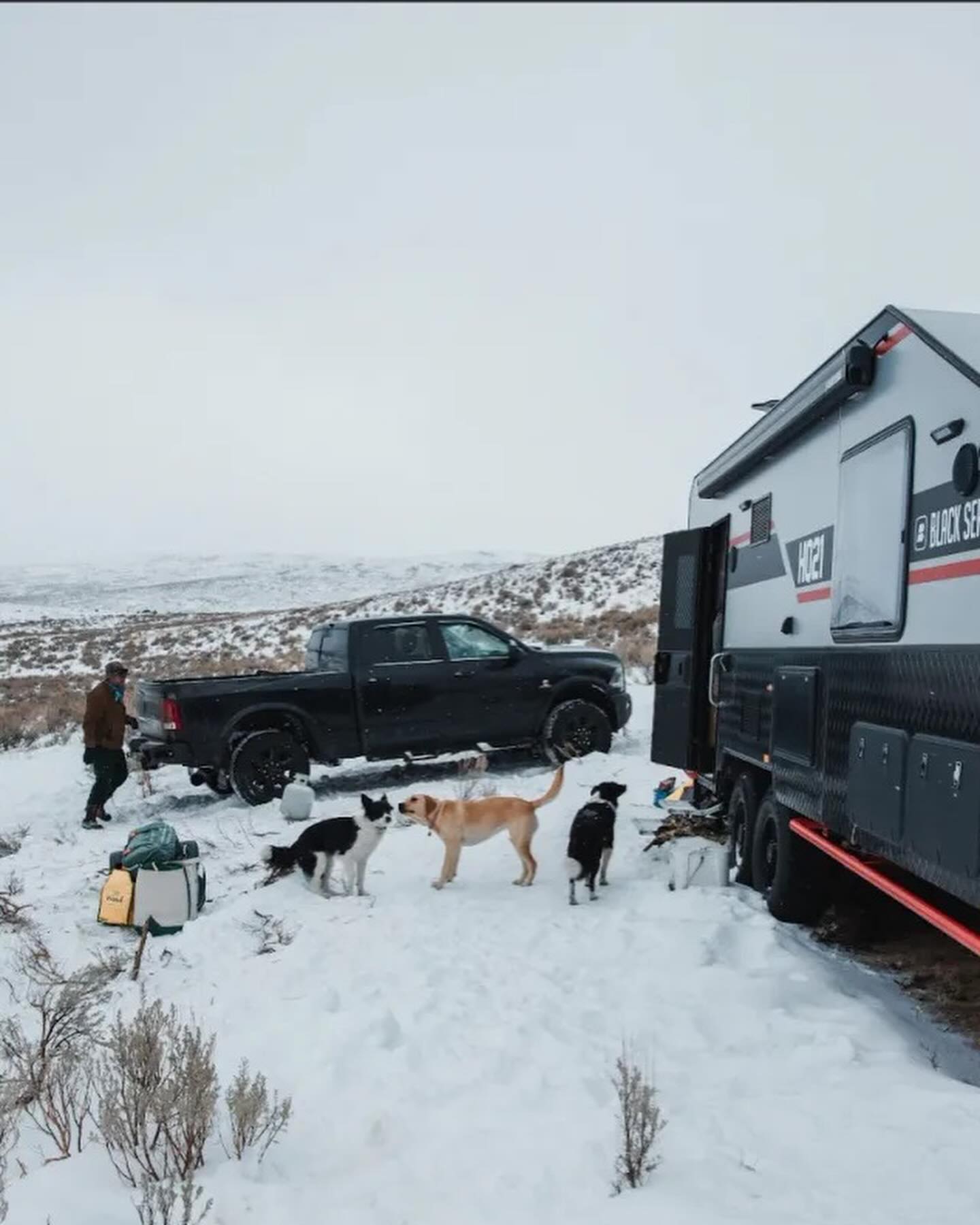
Before selecting a winter-capable off-road trailer, evaluate your tow vehicle’s capacity. Winter towing reduces capacity by 20-30% due to snow, ice, and cold weather impacts on both vehicle and trailer performance. Most Blackseries models (ranging from 3,500-5,500 lbs dry weight) require 3/4-ton or 1-ton trucks with four-wheel drive capability.
Consider your planned routes: Will you be accessing established winter campgrounds with hookups, or venturing into backcountry areas requiring complete self-sufficiency? Your route difficulty will determine necessary ground clearance, suspension requirements, and off-grid capability needs.
Wall and Ceiling Insulation: Look for composite sandwich panel construction rather than aluminum-framed walls. Blackseries uses this advanced construction method to eliminate thermal bridging while achieving superior R-values. Standard aluminum-framed trailers conduct cold through metal studs, creating interior cold spots and condensation issues.
Floor Insulation: Often overlooked, floor insulation is critical for preventing heat loss from below. Quality winter trailers feature fully insulated floors with thermal barriers preventing ground cold from penetrating the living space.
Window Performance: Dual-pane or triple-pane windows with thermal breaks are essential. Single-pane windows, even with storm coverings, allow significant heat loss and create condensation problems in sub-zero conditions.
Arctic-rated furnaces producing 30,000+ BTU output are necessary for maintaining comfort in extreme cold. The heating system must be specifically engineered for winter operation, not merely adequate for cool-weather camping.
Supplemental heating options include catalytic heaters or electric space heaters when shore power is available. However, the primary heating system should be capable of maintaining comfort independently.
The most critical component for winter camping is a fully enclosed and heated underbelly system. This feature, standard on Blackseries trailers, houses all plumbing and tanks within an insulated compartment with dedicated heating.
Water lines should be heat-traced or wrapped, and tanks must have individual heating elements. Fresh water, gray water, and black water systems all require freeze protection: failure of any component can end your camping trip and cause expensive damage.
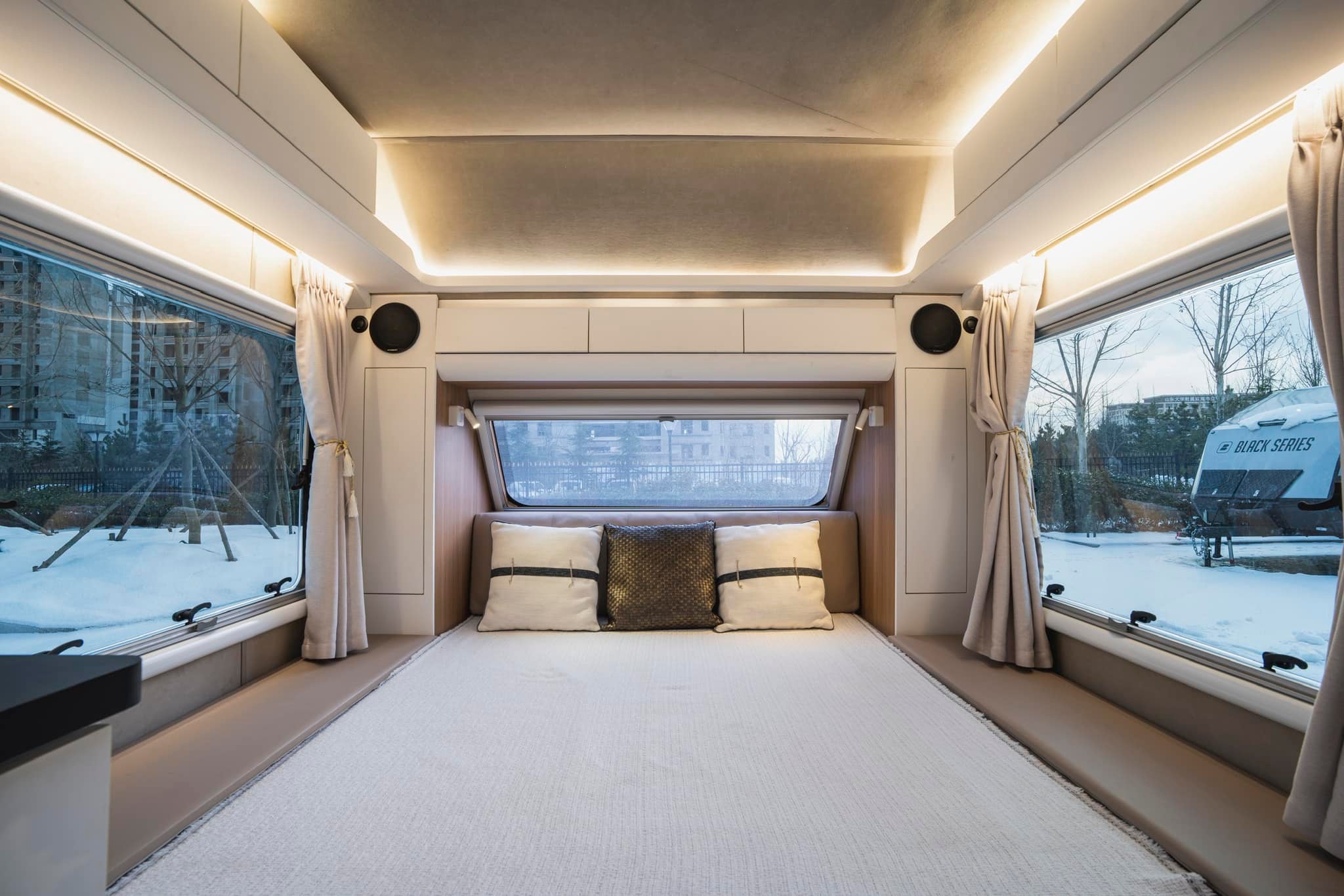
These models represent the gold standard for winter off-road capability. Each features:
The HQ21, as Blackseries’ flagship model, offers the most interior space and storage for extended winter expeditions, while the HQ17 provides excellent capability in a more compact package suitable for couples.
While several manufacturers claim four-season capability, few meet the rigorous standards required for sustained sub-zero camping. Many “winter packages” are merely upgraded insulation without addressing critical components like heated underbellies or thermal bridging elimination.
Blackseries’ Australian heritage initially presented challenges for North American winter conditions, but continuous improvements since 2020: including enhanced insulation packages and improved water line protection: have positioned their trailers as leaders in extreme-condition capability.
Independent testing shows properly insulated Blackseries trailers can maintain 65°F interior temperatures in -20°F ambient conditions while consuming approximately 1.5 gallons of propane per day. This efficiency is achieved through the elimination of thermal bridging and superior envelope sealing.
Winter camping significantly increases electrical demands due to furnace blower operation, water pump cycling, and lighting needs during long winter nights. Blackseries models feature oversized battery banks and solar arrays designed for winter conditions where solar input may be reduced by 60-70%.
The composite construction used by Blackseries provides superior strength-to-weight ratios compared to traditional aluminum framing. This construction method also eliminates the expansion/contraction issues that cause seal failures in metal-framed trailers during temperature cycling.
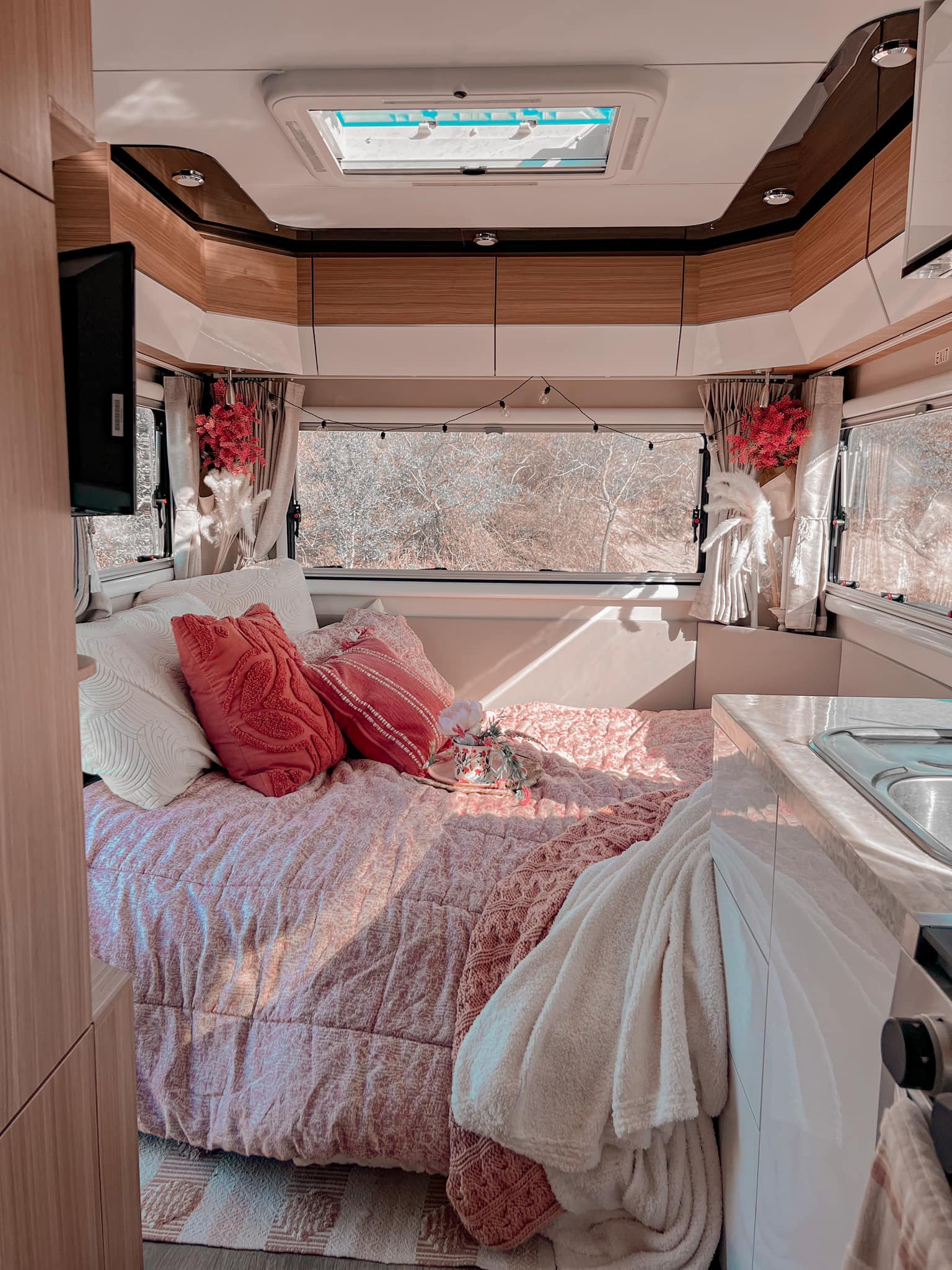
Proper winterization is essential before deployment in sub-zero conditions. The process includes running antifreeze through all water systems: kitchen and bathroom faucets (hot and cold), shower, and toilet: to ensure complete freeze protection throughout the plumbing network.
Hot water heater protection requires draining and adding antifreeze to prevent tank damage. All heating system components should be tested and serviced before departure to ensure reliable performance when temperatures drop.
Battery maintenance becomes critical in winter conditions. Cold weather reduces battery capacity by up to 50%, making proper charging and maintenance essential for reliable operation.
Why is insulation so critical in off-road travel trailers?
In winter and cold environments, heat loss occurs rapidly without proper insulation. Poor insulation leads to condensation, frozen plumbing, excessive propane consumption, and uncomfortable living conditions. Quality insulation is the foundation that makes all other systems work effectively.
Can I upgrade insulation on an existing travel trailer?
While some improvements are possible: such as window upgrades or adding skirting: the most effective insulation solutions require design integration during manufacturing. Thermal bridging elimination and enclosed heated underbellies cannot be easily retrofitted.
What are the most important features for winter off-road camping?
The three most critical features are: 1) Enclosed heated underbelly with freeze protection, 2) Superior insulation with thermal bridge elimination, and 3) Adequate heating capacity with reliable propane systems. Without these fundamentals, winter camping becomes unsafe and impractical.
Which US regions require the most advanced winter trailer capabilities?
Alaska, northern Montana, high-altitude areas of Wyoming and Colorado, and northern regions of Minnesota, Wisconsin, and Maine present the most challenging conditions. These areas regularly experience sustained sub-zero temperatures and require trailers designed specifically for extreme cold operation.
How does Blackseries compare to other manufacturers for winter capability?
Blackseries distinguishes itself through composite construction that eliminates thermal bridging, standard heated underbellies rather than optional upgrades, and continuous improvement based on real-world winter testing. While initial Australian designs required adaptation, current models represent proven solutions for North American winter conditions.
Winter off-road camping with a properly equipped travel trailer opens up incredible adventure opportunities across America’s most beautiful winter landscapes. With the right equipment and preparation, you can safely explore snow-covered wilderness areas while maintaining the comfort and convenience that makes extended adventures possible.
Off-Road Travel Trailer Winter Insulation | 2025 USA Guide最先出现在Black Series RV | Off-Road Travel Trailers, Toy Haulers & Camper Trailers | Off road rv | Off grid rv | Overland rv | Off road trailer | Off road travel trailer | Overland travel trailer。