RV living means using a recreational vehicle as your primary residence, either full-time or for extended periods. It’s about trading traditional housing for mobility, outdoor adventures, and simplified living. However, most beginners make three critical mistakes: jumping into full-time living without testing the lifestyle, underestimating ongoing costs beyond the RV purchase, and choosing the wrong RV type for their actual needs.
The right path to RV living starts with short weekend trips, progresses to week-long adventures, then moves to seasonal living before considering full-time. This progression helps you understand what you actually enjoy about RV life versus romantic expectations.
What Is RV Living? (Beginner Definition)
RV living is using a recreational vehicle as your primary or seasonal home rather than just for vacations. Unlike van life, which typically involves smaller converted vehicles, RV living usually means travel trailers, motorhomes, or fifth wheels with full amenities like bathrooms, kitchens, and sleeping areas.
Weekend RV living involves keeping your traditional home while spending weekends and vacations in your RV. Full-time RV living means selling your house and living in your RV year-round, often traveling frequently.
More Americans are choosing RV living in 2026 due to remote work opportunities, rising housing costs, and a desire for outdoor lifestyle flexibility. The RV Industry Association reports that 11.2 million households now own RVs, with 1 million Americans living in them full-time.
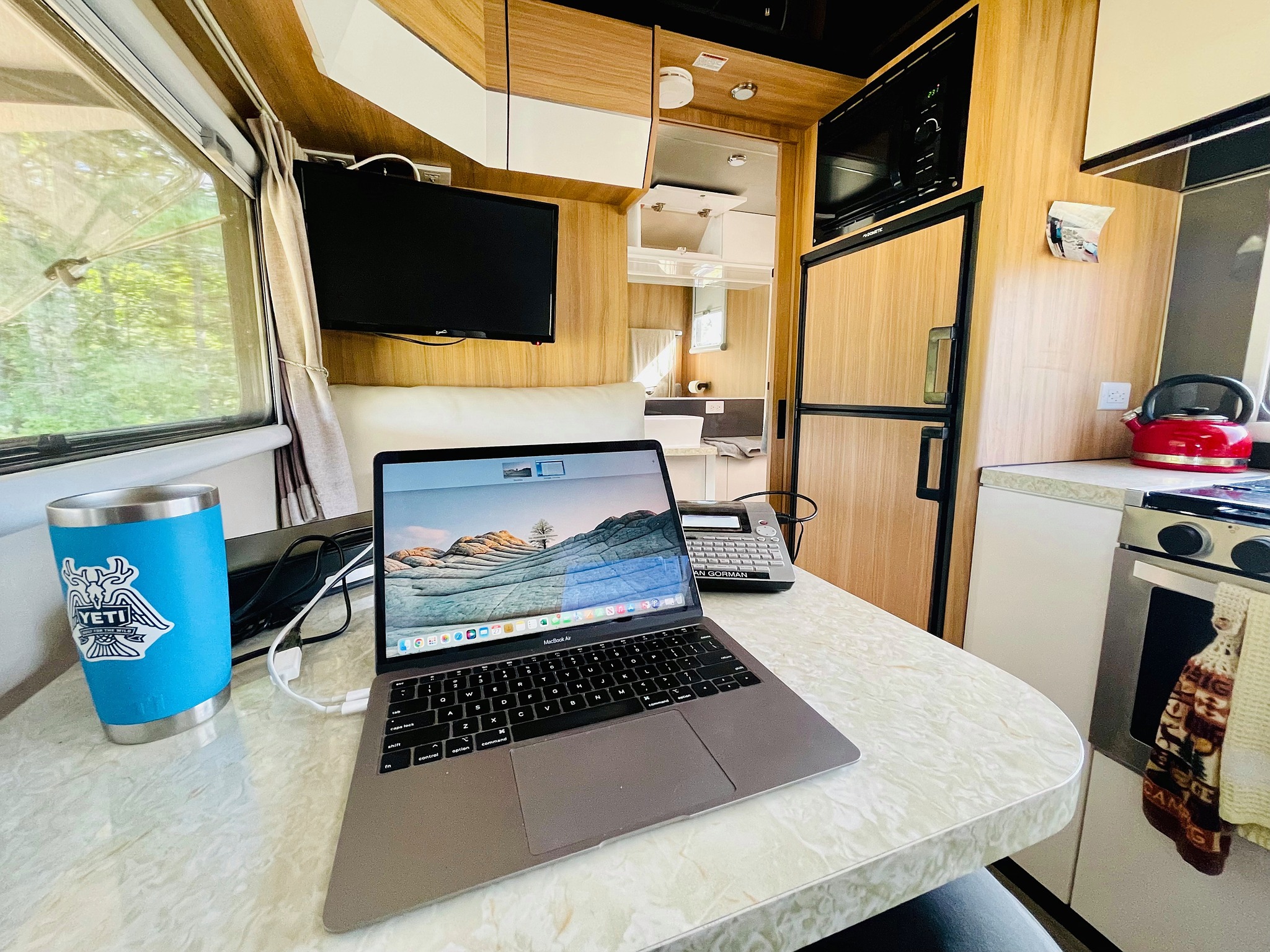
Is RV Living Right for Beginners?
Advantages for beginners include:
- Cost flexibility: Scale expenses up or down based on campground choices
- Outdoor access: Wake up in national parks and scenic locations
- Simplified living: Less stuff, more experiences
- Community: Strong RV community willing to help newcomers
Challenges beginners face:
- Space constraints: Everything must have multiple purposes
- Maintenance learning curve: Basic mechanical and electrical systems knowledge required
- Constant resource management: Water, power, and waste systems need daily attention
- Weather dependency: Storms, extreme temperatures affect comfort and safety
RV living works best for beginners who enjoy problem-solving, adapt well to changing environments, and prioritize experiences over possessions. It’s not ideal for those who need significant personal space, dislike learning technical skills, or require extensive medical equipment.
RV Living Tips for Beginners (Real-World Advice)
Start with short trips, not full-time living immediately. Spend a few weekends in your RV before attempting longer adventures. This helps you identify what works and what needs adjustment without major consequences.
Learn “slow RV travel” – staying in locations for weeks rather than constantly moving. This reduces stress, lowers fuel costs, and allows deeper exploration of areas. Many successful RV beginners stay put for 2-4 weeks per location.
Five details beginners commonly overlook:
- Proper weight distribution – Overloading one area affects handling and safety
- Water system winterization – Frozen pipes cause expensive damage
- Electrical system basics – Understanding 12V vs 120V prevents equipment damage
- Slide-out maintenance – Regular lubrication prevents costly repairs
- Insurance coverage gaps – Standard auto insurance doesn’t cover RV contents or full-time living
Full-Time RV Living for Beginners – What Changes?
True costs for full-time RV living average $2,000-$5,000 monthly, including campground fees ($800-$2,000), fuel ($300-$800), insurance ($200-$400), food ($400-$600), and maintenance ($200-$500). These costs vary dramatically based on travel frequency and campground choices.
Connectivity becomes critical for work and staying in touch. Plan for cellular boosters, multiple carrier plans, and backup internet options. Many beginners underestimate how much reliable internet affects their lifestyle satisfaction.
Storage management requires constant attention. Every item must earn its space. Successful full-timers develop systems for seasonal clothing rotation, kitchen supplies organization, and gear accessibility.
Off-road trailers and travel trailers often suit beginners better than motorhomes because they’re easier to maintain, less expensive to repair, and allow your tow vehicle for local exploration without moving your entire home.
RV Living Essentials for Beginners
Must-have safety and operational equipment:
- Surge protector with display monitor
- Fresh water hose specifically rated for drinking water
- Complete sewer hose kit with gloves and storage
- Leveling blocks (plastic or Lynx brand)
- Tire pressure monitoring system
- First aid kit and emergency supplies
For comfortable daily living:
- Compact, multi-use kitchen tools
- Portable outdoor chairs and table
- Weather protection (awning tie-downs, storm anchor kit)
- Backup power solutions (generator or battery bank)
Avoid buying immediately: Expensive gadgets until you know your actual needs, oversized furniture that doesn’t fit your space, and single-purpose tools when multi-use options exist.

RV Living Checklist for Beginners (Step-by-Step)
✔ Choose appropriate RV type – Consider your tow vehicle capacity, intended destinations, and group size
✔ Confirm vehicle compatibility – Match trailer weight to your truck’s actual towing capacity, including cargo
✔ Master basic operations – Practice hookup, leveling, and system operation in controlled environments
✔ Pre-trip inspection routine – Check tire pressure, fluid levels, light function, and hitch security
✔ Research beginner-friendly campgrounds – Start with full-hookup sites at established RV parks rather than boondocking
For detailed technical support and maintenance guidance, establish relationships with RV service centers along your planned routes.
Why BlackSeries Is Beginner-Friendly for RV Living
BlackSeries off-road campers simplify the learning curve for RV beginners through thoughtful Australian-inspired design. Rather than overwhelming new users with complex systems, BlackSeries focuses on robust, straightforward functionality.
Stability and ease-of-use characterize BlackSeries trailers. The independent suspension and reinforced chassis provide predictable towing behavior, crucial for beginners still developing trailer handling skills. This confidence-building approach helps new RVers progress from basic camping to remote adventure exploration.
Simplified systems mean fewer things to break and easier troubleshooting. BlackSeries emphasizes reliable, proven technology over the latest gadgets, allowing beginners to focus on enjoying their experiences rather than constantly managing equipment problems.
The progression from weekend camping to serious adventure travel happens naturally with BlackSeries capability. Beginners can start with established campgrounds and gradually explore more remote locations as their confidence and skills develop.
FAQ – RV Living for Beginners
Is RV living good for beginners?
Yes, RV living can be excellent for beginners who start gradually with weekend trips before attempting full-time living. The key is realistic expectations and proper preparation. Most successful RV beginners spend 6-12 months learning their systems and preferences before making major lifestyle commitments.
How much does RV living cost for beginners?
Beginning RV living costs vary from $1,500-$4,000 monthly depending on travel frequency, campground choices, and lifestyle preferences. Initial setup costs (RV purchase, equipment, modifications) typically range $50,000-$150,000 for quality equipment that supports long-term living.
What type of RV is best for beginners?
Travel trailers between 20-30 feet often work best for beginners because they’re easier to maneuver than large motorhomes, less expensive to maintain, and allow your tow vehicle for local exploration. BlackSeries off-road trailers specifically offer beginner-friendly stability with adventure capability.
Can beginners do full-time RV living?
Beginners can succeed with full-time RV living, but should first gain experience through extended trips lasting several weeks. This reveals actual preferences for space, amenities, and travel pace before committing to selling traditional housing. Most experts recommend at least 6 months of part-time RV experience first.

