
Your cart (0)
Your cart is empty
Tax included and shipping calculated at checkout
Your cart is empty
Tax included and shipping calculated at checkout

The RV trade-in process allows you to apply your current RV’s value toward a new purchase at a dealer. In the U.S., this involves appraisal, inspection, payoff handling, and tax benefits, all of which affect your final deal and ease your transition to a rugged off-road travel trailer.
👉 Explore BlackSeries Travel Trailers
An RV trade-in is exactly what it sounds like: you hand over your current rig, and its assessed value gets applied directly toward your next purchase. Think of it as the adult version of trading Pokémon cards, except instead of a holographic Charizard, you’re swapping a highway whale for something that can actually handle a forest service road.
While the concept mirrors automotive trade-ins, RVs bring unique complexities to the table:
In 2026, the American RV market has seen a significant shift. Owners are increasingly trading down from that 30 foot rv weight behemoth (often 8,000+ lbs dry) to more nimble options in the 18 ft camper weight or 24 ft camper weight range. Why? Because access matters more than square footage when you’re chasing the best campsites.
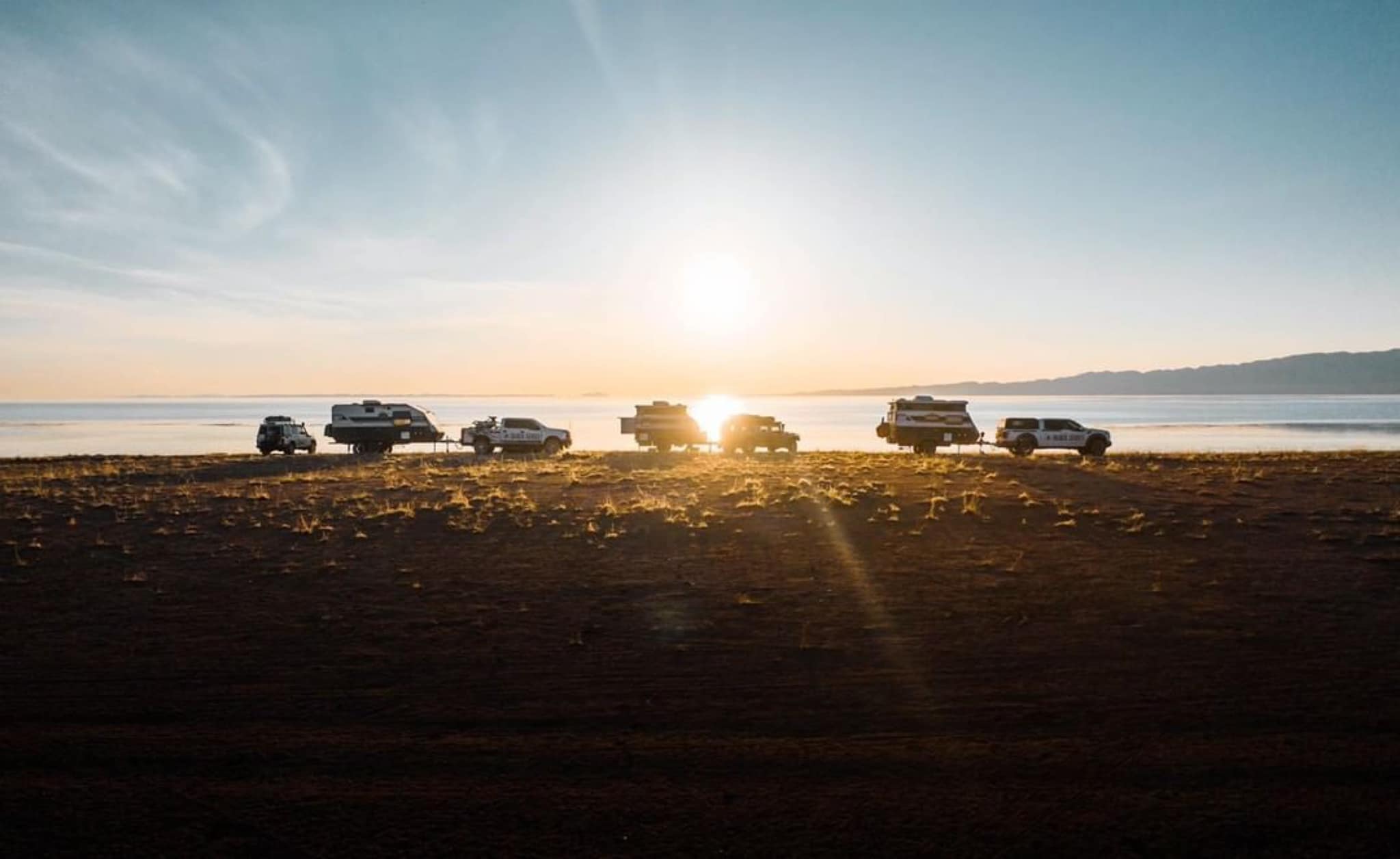
Let’s break down the RV trade-in process into digestible steps. Understanding each phase helps you negotiate smarter and avoid common pitfalls.
The appraisal phase determines your RV’s baseline value. Dealers consider:
Dealers use tools like NADA Guides and J.D. Power data, but they also factor in regional demand. A dealer in Colorado values trail-capable rigs differently than one in Florida.
Pro tip: Know your average travel trailer weights before walking in. Understanding that your 30 ft camper weight limits buyer pools helps you set realistic expectations.
This is where dealers get hands-on. Expect them to examine:
Don’t try to hide issues. Experienced inspectors will find them, and it destroys negotiation goodwill.
Here’s where things get interesting. The dealer presents an offer based on their inspection and market analysis. Key concepts to understand:
Always negotiate the new RV’s price before discussing your trade-in value. This prevents dealers from playing the numbers against each other.
If you still owe money on your current RV, the dealer handles the payoff directly. Here’s how it works:
The dealer manages title transfer, registration, and all DMV paperwork. In most states, you’ll only pay sales tax on the difference between your new RV’s price and trade-in value, a significant benefit.
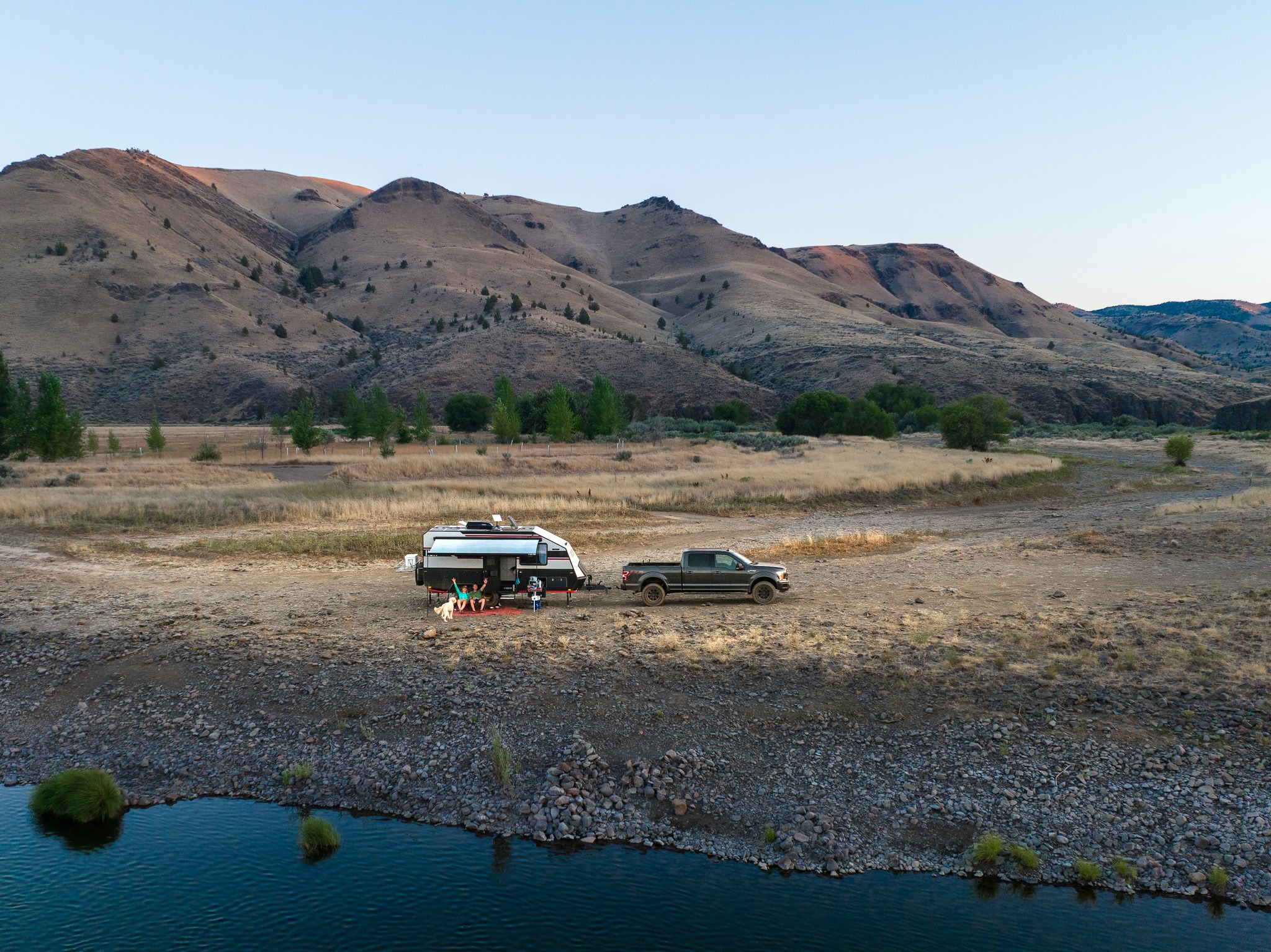
Should you trade in or sell privately? Here’s the honest comparison:
For a 30-foot camper weight class RV, private sales might net you $3,000-8,000 more. But factor in your time, tire-kicker frustration, and the tax benefits of trading in, and the gap narrows considerably.
The 2026 reality: Most RV owners trading down from 30 ft rv weight monsters to 24 ft camper weight or 18 ft camper weight off-road units find that trade-in convenience outweighs private sale profits, especially when limited time trade-in offers sweeten the deal.
Trading in an RV with an outstanding loan is completely normal. Here’s what you need to know:
If your RV is worth more than you owe (congratulations!), the surplus becomes instant credit. For example:
This scenario is increasingly common with adventure-class RVs that hold value better than conventional models.
If you owe more than your RV is worth, you’re “underwater.” The deficit gets rolled into your new loan:
BlackSeries recommendation: If you’re significantly underwater, consider waiting 12-18 months while making extra principal payments. Rolling substantial negative equity into a new loan creates a debt spiral that limits future options.
Not all trade-in experiences are created equal. Here’s what sets specialized off-road RV dealers apart:
General RV dealers often undervalue adventure-class features because they don’t understand them. That independent suspension system? Those oversized off-road tires? The reinforced chassis designed to handle 16 ft camper weight to 24 ft camper weight loads on rough terrain? A specialized dealer recognizes and values these upgrades appropriately.
BlackSeries approaches trade-ins as “upgrade assessments” rather than “how low can we go” negotiations. The goal is getting you into the right rig for your adventures, not squeezing maximum profit from your transaction.
When a dealer actively seeks your type of RV, valuations improve. BlackSeries has consistent demand for well-maintained off-road travel trailers, which translates to better offers for qualifying trade-ins.
From getting your quote to completing your upgrade, specialized dealers offer a cohesive experience. No bouncing between departments or waiting weeks for callbacks.
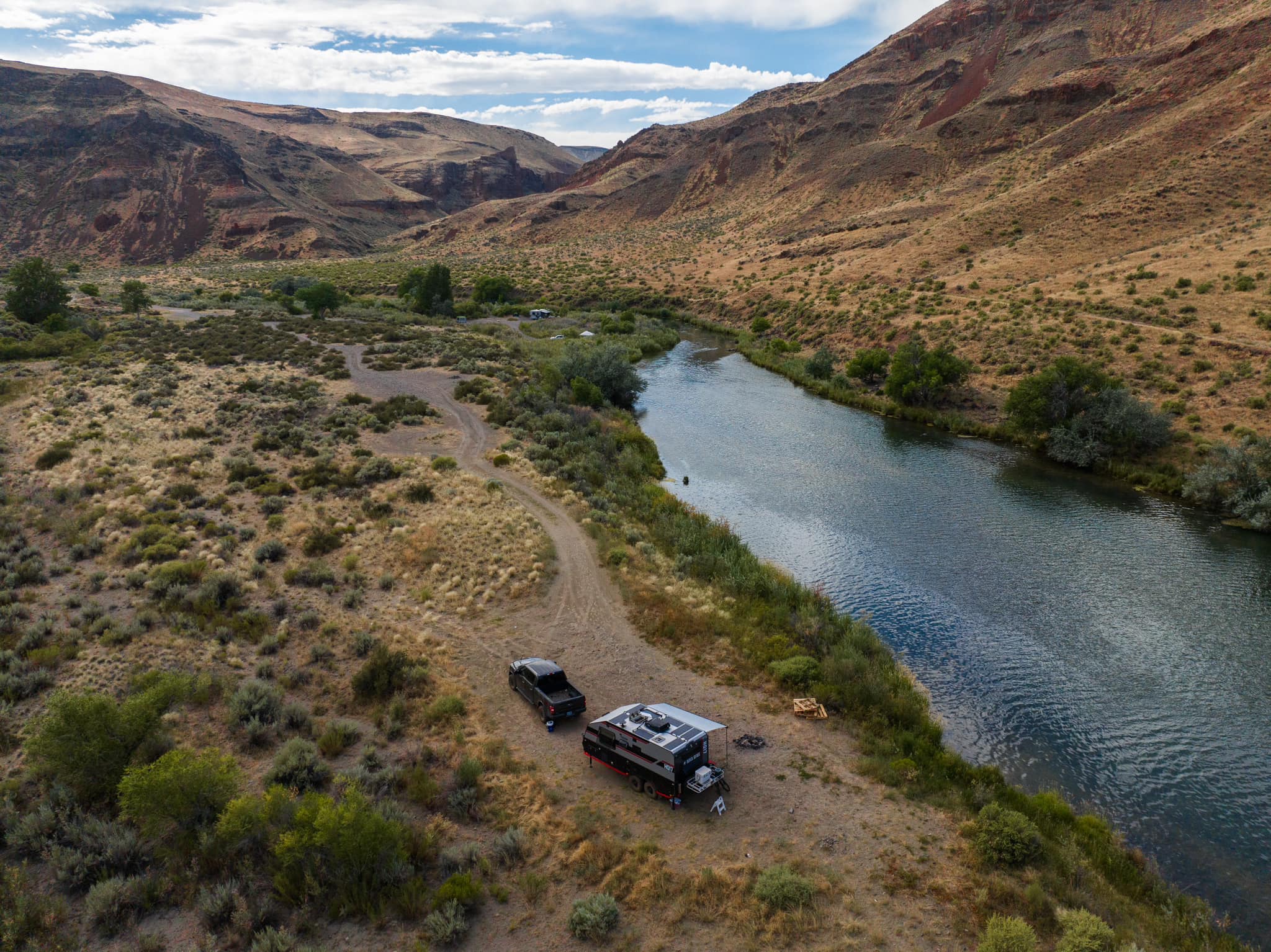
Want the best possible trade-in offer? Follow these proven strategies:
A detailed RV, inside and out, signals “well-maintained” to appraisers. Deep clean:
Maintenance records are trade-in gold. Compile:
In 2026, the best trade-in timing typically falls between February and April, dealers are stocking inventory for spring/summer demand but haven’t hit peak season pricing on new units yet.
Replace burnt-out lights, fix dripping faucets, and address cosmetic scratches. However, don’t invest thousands in major repairs, the return rarely justifies the expense.
Here’s the 2026 truth: the only number that matters is your total out-the-door cost. A dealer offering “$5,000 more” for your trade while charging “$7,000 more” for the new unit isn’t doing you any favors. Calculate the net difference, always.
Most trade-ins complete within 1-3 business days once you’ve accepted an offer. The dealer handles loan payoffs, title transfers, and registration, which typically adds another 2-4 weeks for full paperwork completion.
Absolutely. Dealers work directly with your lender to obtain payoff amounts and handle the transaction. Positive equity becomes credit; negative equity rolls into your new financing.
In most U.S. states, yes. You typically pay sales tax only on the difference between your new RV’s price and your trade-in value. On a $80,000 purchase with a $30,000 trade-in, you’d pay tax on $50,000: potentially saving $2,000-4,000 depending on your state’s rate.
It depends on your priorities. Private sales typically yield more money but require significant time and effort. Trade-ins offer convenience, tax advantages, and zero hassle. For most owners looking to upgrade their RV, trade-in simplicity wins.
Yes. BlackSeries evaluates trade-ins of adventure-class and off-road travel trailers, with particular interest in well-maintained units that match their customer base’s needs. Even if you’re trading a conventional RV, get a quote to explore your options.
The RV trade-in process doesn’t have to be stressful or confusing. Armed with the right knowledge: understanding average travel trailer weights, knowing your equity position, and focusing on out-the-door pricing: you’re positioned to make a smart transition.
Whether you’re shedding a 30 foot rv weight highway cruiser for something more capable, or simply ready for the next chapter of adventures, the path forward starts with understanding your current RV’s value.