
Your cart (0)
Your cart is empty
Tax included and shipping calculated at checkout
Your cart is empty
Tax included and shipping calculated at checkout

An RV trade-up allows you to apply your current RV’s value toward a newer or better model. Compared to a standard trade-in, a trade-up focuses on upgrading capability, comfort, or features: perfect for adventurers looking to shed the bulk of a 30 foot rv weight highway trailer for the rugged agility of a BlackSeries off-road travel trailer.
In 2026, the RV industry has shifted. Owners aren’t just “getting rid of” their old rigs: they’re strategically upgrading their entire outdoor lifestyle. This guide breaks down exactly how to trade up your RV the smart way.
Let’s clear up some terminology confusion right off the bat.
An RV trade-up is when you leverage your current RV’s value to move into something better. Not just different: better. Whether that means more capability, more comfort, or more modern features, the goal is always improvement.
A standard trade-in is transactional. You hand over your keys, the dealer gives you a number, and that number gets subtracted from your new purchase. It’s about disposal.
A trade-up is strategic. It’s about identifying exactly what you need from your next rig and using your current RV as a stepping stone to get there. The mindset shift matters more than you think.
Here’s the real-world difference: Someone trading in a 30 ft camper weight unit might just want to offload it. Someone trading up from that same rig has already researched the average weight of camper options, knows they want something with an 18 ft camper weight for better maneuverability, and has a specific destination in mind, literally and figuratively.
The RV market in 2026 is experiencing what industry analysts call “lifestyle-driven trading.” Owners aren’t waiting for their rigs to break down or become obsolete. They’re proactively upgrading when their travel style evolves.
Maybe you started RVing with a massive highway cruiser because you thought bigger was better. Now you’ve realized that hauling a 30-foot camper weight behemoth means you’re limited to paved campgrounds and rest stops. A trade-up lets you pivot to something built for where the pavement ends.
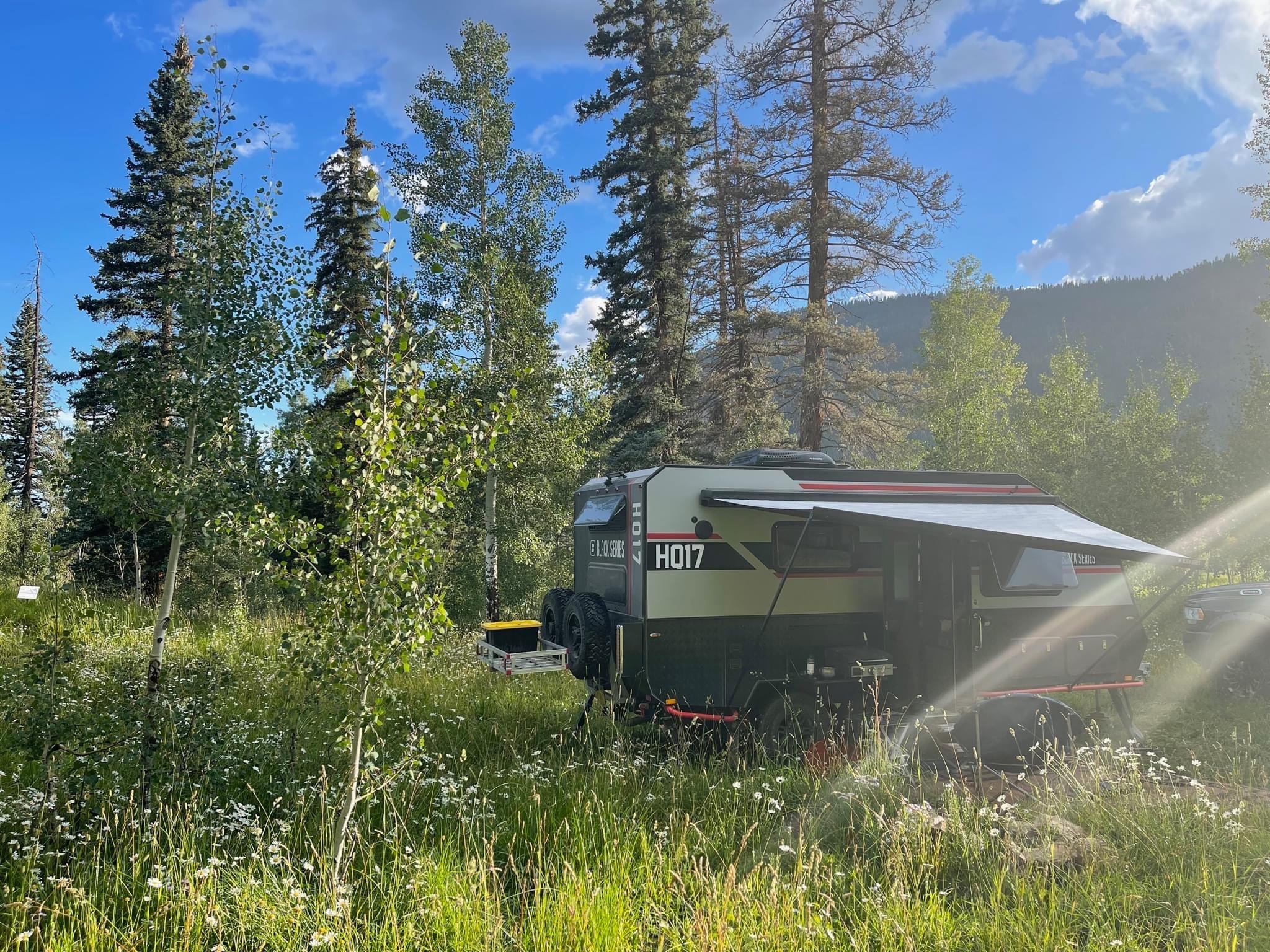
Ready to make the move? Here’s exactly how the trade-up process works in 2026.
Before anything else, you need to understand what you’re working with. This isn’t just about knowing your RV’s age: it’s about understanding its market position.
Key evaluation factors include:
For off-road rigs, the evaluation logic is different. A well-maintained BlackSeries with some trail dust actually demonstrates it was used as intended. The RV Trade-In Process article covers exactly what dealers look for during this evaluation.
Understanding average travel trailer weights in your category also helps. If your current rig falls within the 30 ft rv weight class, you’ll have different buyers than someone with a nimble 16 ft camper weight unit.
This is where trade-ups differ most from standard trade-ins. You’re not just buying whatever’s on the lot: you’re strategically selecting your next adventure platform.
Common upgrade goals include:
The RV Upgrade Program we offer at BlackSeries is specifically designed around goal-matching, not just inventory-clearing.
Here’s where things get interesting: and where you need to stay sharp.
Traditional dealers use wholesale pricing logic. They’re thinking about auction values and lot turnover. A trade-up, done right, uses upgrade-oriented pricing that considers what you’re moving into, not just what you’re moving out of.
Your current RV’s value gets applied in two ways:
For a deep dive into the numbers, check out our RV Trade-In Value vs Private Sale comparison. Spoiler: the tax benefits often close the gap between trade-up values and private sale prices.
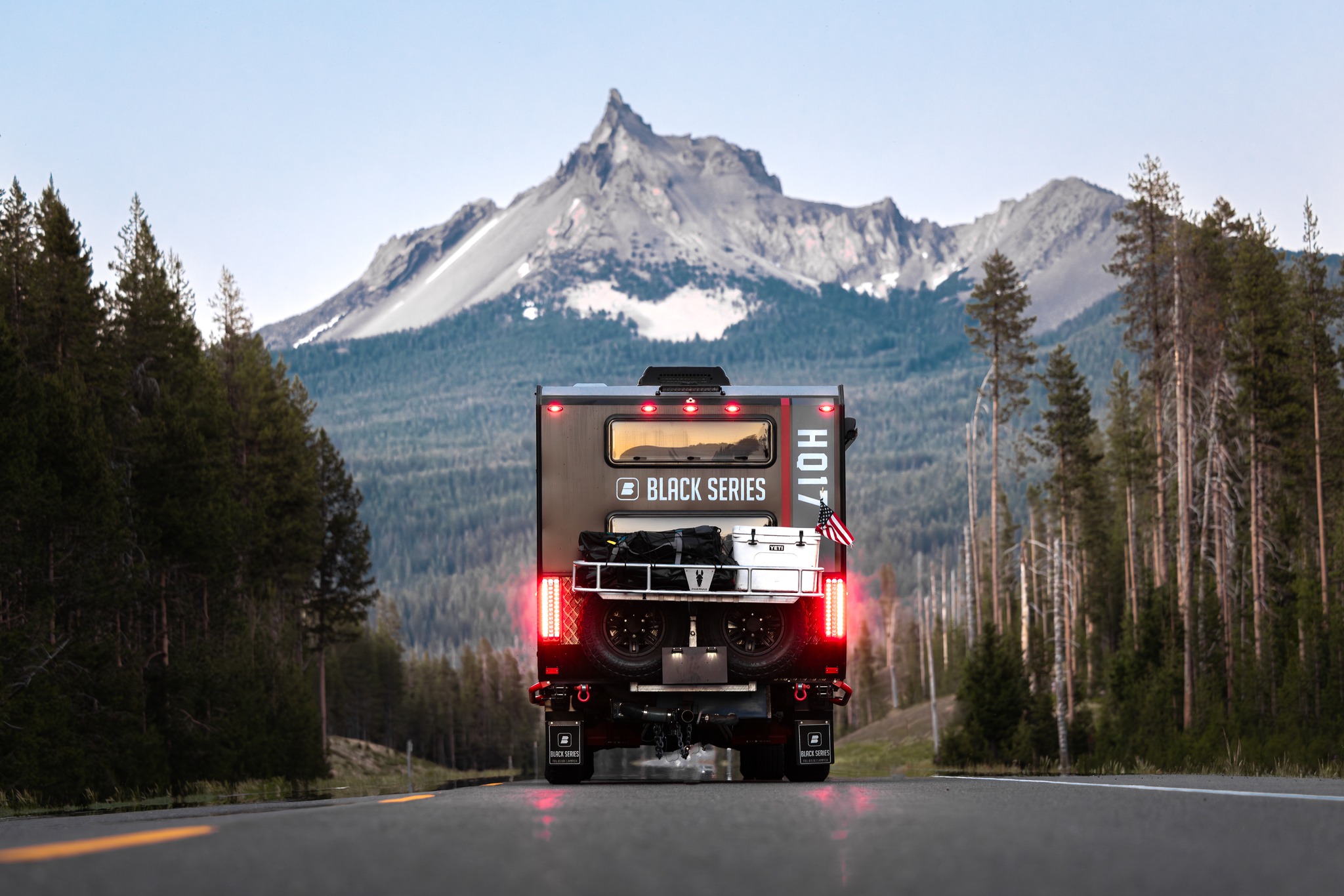
The final step is where a good trade-up partner earns their keep.
What gets handled:
The best trade-up experiences feel seamless. You arrive with one RV, handle some paperwork, and leave with your upgrade: often the same day. Our Trade-In Credit guide explains exactly how credits get applied at closing.
Still wondering which approach is right for you? Here’s the breakdown:
If you’re reading this blog, you’re probably a trade-up candidate. You care about what comes next, not just getting rid of what you have.
Not all dealers handle trade-ups the same way. Here’s what separates the good from the great.
Traditional RV dealers see trade-ups as inventory acquisition. They’re thinking: “Can I resell this quickly? What’s my margin?”
Brand-focused dealers (like us) see trade-ups differently. We’re thinking: “How does this owner’s journey continue? What do they actually need?”
This mindset difference affects everything from your initial offer to the models you’re shown. A dealer who understands the average weight of camper options across categories can guide you toward the right upgrade. One who’s just moving metal will show you whatever has the highest markup.
The RV market has fragmented. Highway cruisers, off-road rigs, and overlanding trailers all require different expertise. A dealer who specializes in off-road travel trailers understands why someone might want to trade their 30 ft rv weight highway rig for a purpose-built 18 ft camper weight adventure machine.
Generic dealers often undervalue specialty rigs because they don’t understand the market. They see an off-road trailer and think “used camper.” A specialist sees “maintained adventure asset.”
We’ve built our entire RV Exchange Program around the trade-up philosophy. Here’s why that matters:
When you bring us a 30-foot camper weight highway trailer and ask about trading up to one of our HQ21 models, we don’t just see the weight difference. We understand you’re making a lifestyle shift from campground-hopping to backcountry exploring.
That understanding translates to better valuations on both sides of the transaction.
Traditional dealers play a game: lowball your trade-up value, then inflate the new vehicle’s price. The numbers look impressive on paper, but the out-the-door price tells the real story.
We price transparently on both sides. Your trade-up value reflects actual market conditions, and our new vehicle pricing is consistent regardless of whether you’re trading up or paying cash.
A trade-up isn’t the end of our relationship: it’s a continuation. Many of our owners trade up multiple times as their adventures evolve. Someone who started with a 16 ft camper weight unit for weekend trips might trade up to a 24 ft camper weight model for extended expeditions.
We’re building a community, not just processing transactions.
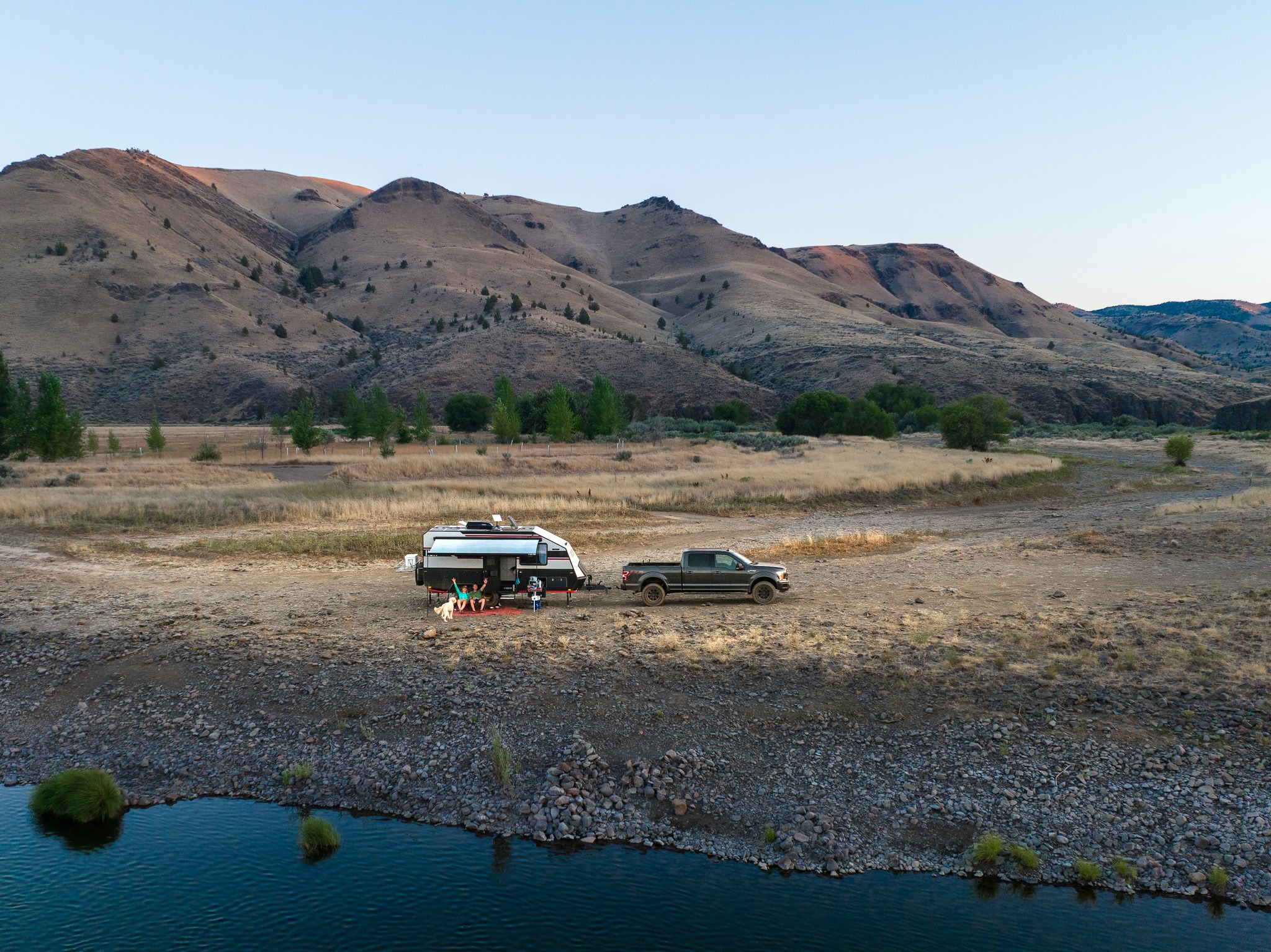
Want to maximize your trade-up experience? Follow this checklist.
Spring (March–May): Highest demand, best trade-up values for sellers. Dealers want inventory before summer season.
Fall (September–November): Secondary peak as dealers prep for snowbird season. Good values, less competition.
Winter (December–February): Lower demand, but motivated dealers might offer better terms on new inventory.
Summer (June–August): Everyone’s using their rigs, not trading them. Inventory is tight, but so is demand for trade-ups.
Here’s the mindset shift that separates smart traders from everyone else: stop obsessing over individual numbers.
Your trade-up value is just one piece of the puzzle. The new vehicle price, tax savings, financing terms, and any Limited Time Trade-In Offer incentives all factor into your Total Upgrade Cost.
A $40,000 trade-up value means nothing if the new vehicle is overpriced by $8,000. A $35,000 trade-up value might be better if the overall deal is cleaner.
Ready to explore your options? Get a Trade-In Quote and see what your upgrade path looks like.
Not exactly. A trade-in focuses on disposing of your current vehicle. A trade-up focuses on upgrading your experience. The mechanics are similar, but the mindset and evaluation approach differ significantly.
Yes. The dealer coordinates with your lender to pay off the remaining balance. Your trade-up value minus the payoff amount becomes your net credit toward the new purchase.
For most owners, absolutely. The combination of convenience, tax benefits, and hassle avoidance typically outweighs the slightly higher values you might achieve through private sale: especially when you factor in time and risk.
With proper documentation prepared, most trade-ups complete in a single day. Complex situations involving loan payoffs or title issues might extend to 3–5 business days.
Yes. Our Exchange Program and Upgrade Program are specifically designed around the trade-up philosophy. We accept trade-ups from other brands and from within our own lineup. Check our travel trailer weight guide to start researching your upgrade options.