You’ve been there. Staring at your current trailer, mentally calculating what it would take to sell it, research a replacement, negotiate a deal, and then spend months outfitting the new rig exactly how you want it. The phrase “starting from scratch” alone is exhausting.
Here’s the truth most RV owners discover too late in 2026: the hidden costs of selling and rebuying often exceed the cost of strategic upgrades. Between depreciation losses, transaction fees, and the sheer time investment, starting over can drain your wallet and your energy faster than a weekend boondocking trip drains your batteries.
BlackSeries RV was built on a different philosophy. Instead of forcing you to abandon what you’ve already invested in, we help you upgrade forward: building on your existing foundation rather than demolishing it.
[CTA Button: See a Smarter Upgrade Path]
Why Starting From Scratch Isn’t Always the Best Option
The allure of a brand-new trailer is real. Fresh interior, zero miles, that new-RV smell. But let’s talk about what “starting from scratch” actually costs you.
Your Initial Investment Gets Wiped Out
That trailer you bought three years ago? The moment you drove it off the lot, it lost value. Selling it now means accepting a significant loss on your original investment. If you avoid starting from scratch when upgrading, you preserve that equity instead of watching it disappear into someone else’s driveway.
Time Is the Hidden Currency
Researching new models. Visiting dealerships. Waiting for delivery. Learning new systems. The average RV buyer spends 40+ hours in the research and purchase phase alone: and that’s before the first camping trip. When you upgrade instead, you skip straight to the good part.
The Trial-and-Error Trap
Remember the learning curve with your current rig? The quirks you’ve mastered, the modifications you’ve perfected, the layout you’ve memorized in the dark? Starting over means repeating that entire process, including the inevitable mistakes.
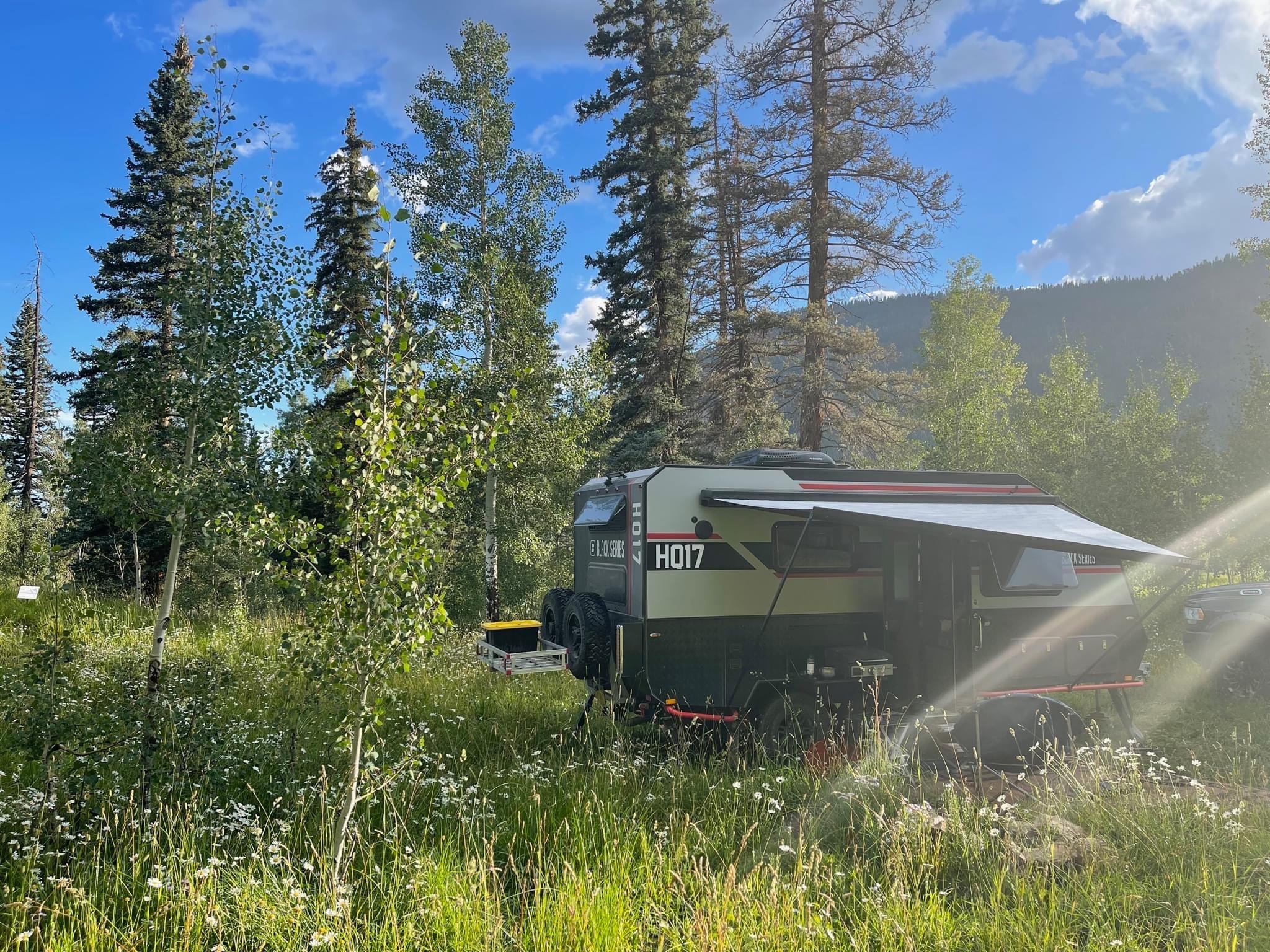
Upgrade Without Starting Over – What It Really Means
When we talk about upgrading without starting over, we’re not suggesting you settle for less. We’re suggesting you invest smarter.
Selective Upgrades vs. Total Replacement
Think of your trailer like a house. If your kitchen needs updating, you don’t bulldoze the entire structure. You renovate the kitchen. The same logic applies to your RV.
Most trailers on the road today have solid bones. The shell is fine. The layout works. What’s lacking is usually specific: off-road capability, power systems, suspension performance, or storage solutions.
Focus on the Bottlenecks
The smartest upgraders identify what’s actually limiting their adventures. Is it ground clearance preventing you from reaching that remote campsite? Is it battery capacity cutting your off-grid trips short? Is it suspension making every forest road feel like a dental procedure?
Address those specific bottlenecks, and your existing trailer transforms into something far more capable: without the trauma of starting fresh.
Upgrade Your Trailer Without Replacing It
Here’s a question worth asking: Does your trailer need to be replaced, or does it need to be improved?
Understanding average travel trailer weights helps you evaluate your current rig’s potential. A standard 30 ft camper weight typically ranges from 5,500 to 8,500 lbs dry weight. If your trailer falls within healthy structural parameters, the foundation is already there.
Most Trailers Have Good Bones
The truth is, the majority of trailers on the market share similar structural integrity. What separates a weekend warrior from a true off-road travel trailer isn’t the shell: it’s the systems underneath and inside.
When Structural Integrity Matters
Before committing to upgrade your trailer without replacing it, assess the fundamentals:
- Frame condition: Check for rust, cracks, or previous damage
- Axle alignment: Ensure towing geometry is still true
- Roof and seals: Verify no water intrusion has compromised the structure
If these check out, you’re sitting on a platform worth building upon rather than abandoning.

Smarter Way to Upgrade an Off Road Trailer
Ready to move forward? The smarter way to upgrade an off road trailer follows a logical progression that maximizes impact while controlling costs.
Step 1: Identify the Bottlenecks
Before spending a dollar, diagnose what’s actually holding you back:
Suspension: Is your current setup designed for highways or hardpack? Most factory trailers use basic leaf springs that translate every rock and rut directly into your living space.
Chassis: The average weight of camper frames varies dramatically. A 16 ft camper weight might sit around 2,800-3,500 lbs, while an 18 ft camper weight climbs to 3,200-4,200 lbs. Understanding your current load capacity determines what upgrades are possible.
Ground Clearance: That beautiful campsite 4 miles up a forest road? It’s only accessible if your trailer can clear the obstacles. Most standard trailers offer 12-14 inches of clearance. Off-road capability often requires 18+ inches.
Step 2: Upgrade in Logical Stages
The smartest upgrade path follows a specific order:
Stage 1 – Reliability First
Foundation systems that prevent breakdowns: upgraded axles, reinforced frames, quality wheel bearings. These aren’t glamorous upgrades, but they’re what keeps you from being stranded 50 miles from cell service.
Stage 2 – Capability Second
Performance enhancements that expand where you can go: independent suspension, all-terrain tires, lifted clearance. A 24 ft camper weight trailer with proper suspension can handle terrain that would destroy a factory-spec rig twice its price.
Stage 3 – Comfort Third
Lifestyle improvements that make extended trips enjoyable: solar systems, lithium batteries, upgraded climate control, expanded storage. These matter: but only after reliability and capability are secured.
How BlackSeries Makes It Possible
BlackSeries RV isn’t just a trailer manufacturer. We’re a platform designed around the philosophy of progressive ownership.
Modular Design Philosophy
Every BlackSeries model is engineered with upgrade paths in mind. Components are designed to be enhanced, not replaced entirely. This means your investment today doesn’t become obsolete tomorrow.
Backward Compatibility
When we release new systems or improvements, we engineer them to work with previous model years. Your 2024 BlackSeries can often accept 2026 upgrades without requiring a complete teardown.
Trade-In Upgrade Support
For owners ready to level up to a larger or more capable BlackSeries model, our Trade-In program ensures your current investment contributes directly to your next adventure.
This approach connects directly to our Smart Upgrade Path system, which we’ve detailed in previous guides. Whether you’re looking to leverage what you already own or find an easier path than starting over, BlackSeries provides the framework.
Starting From Scratch vs. Upgrading Forward
The decision becomes clearer when you see the comparison:
The math typically favors upgrading. A $15,000 strategic upgrade to your current trailer often delivers more capability than the $40,000+ difference between selling and buying new.
Who This Approach Is Designed For
Not everyone should upgrade instead of replace. But if you recognize yourself in any of these descriptions, building forward is likely your best path:
The Layout Lover
You genuinely like your trailer’s floor plan. The bed is comfortable, the kitchen works, the bathroom layout makes sense. What you hate is the performance: the way it handles gravel roads, the limited off-grid capability, the suspension that rattles your teeth.
The No-Hassle Seeker
You’ve been through the buying process before. The negotiations, the waiting, the “surprise” dealer fees. The thought of doing it again makes you tired. You’d rather invest in what you have than restart the entire circus.
The Long-Term Overlander
You’re not looking for a three-year trailer. You want a platform you can develop over the next decade, upgrading as your skills grow and your adventures become more ambitious.
Frequently Asked Questions
Can I really upgrade without starting from scratch?
Absolutely. Most trailers have solid structural foundations that support significant system upgrades. Suspension, power systems, storage, and off-road capability can all be enhanced without replacing the entire unit.
When should I upgrade instead of replace?
Upgrade when your trailer’s structure is sound but its systems limit your adventures. Replace when structural integrity is compromised, the layout fundamentally doesn’t work, or repair costs exceed 50% of replacement value.
What should I upgrade first on an off-road trailer?
Always start with reliability systems: suspension, axles, and frame reinforcement. These foundational upgrades support everything else and prevent failures in remote locations.
Can BlackSeries trailers evolve over time?
Yes. BlackSeries models feature modular design and backward compatibility, allowing owners to upgrade systems as new technologies emerge or their needs change.
How do I start upgrading without starting over?
Begin with an honest assessment of your current trailer’s condition. Identify specific limitations, prioritize reliability upgrades first, then expand capability and comfort in stages. Explore our travel trailer weight guide to understand your current platform’s potential.
The smartest path forward isn’t always a new beginning. Sometimes, it’s building on what you’ve already started. With BlackSeries, your next adventure doesn’t require abandoning the last one( it requires building forward.)

