Quick Answer: The best 4×4 tow trailer for camping combines robust construction, adequate ground clearance (minimum 12″), proper weight distribution for your tow vehicle, and essential off-grid capabilities like solar power and water storage. This comprehensive guide will help you navigate the selection process and avoid costly mistakes.
The Rise of 4×4 Tow Trailers in America’s Outdoor Revolution
The American overlanding scene has exploded over the past five years, transforming from a niche adventure pursuit into a mainstream outdoor lifestyle. According to recent market research, the North American travel trailer market is projected to exceed $28.6 billion by 2025, with off-road and expedition trailers representing the fastest-growing segment.
This surge stems from several converging factors: increased remote work flexibility, growing desire for outdoor experiences, and the proliferation of capable 4×4 vehicles. Modern SUVs and pickup trucks can safely tow sophisticated trailers into terrain that was previously accessible only to backpackers.
Why Blackseries Leads the 4×4 Trailer Revolution
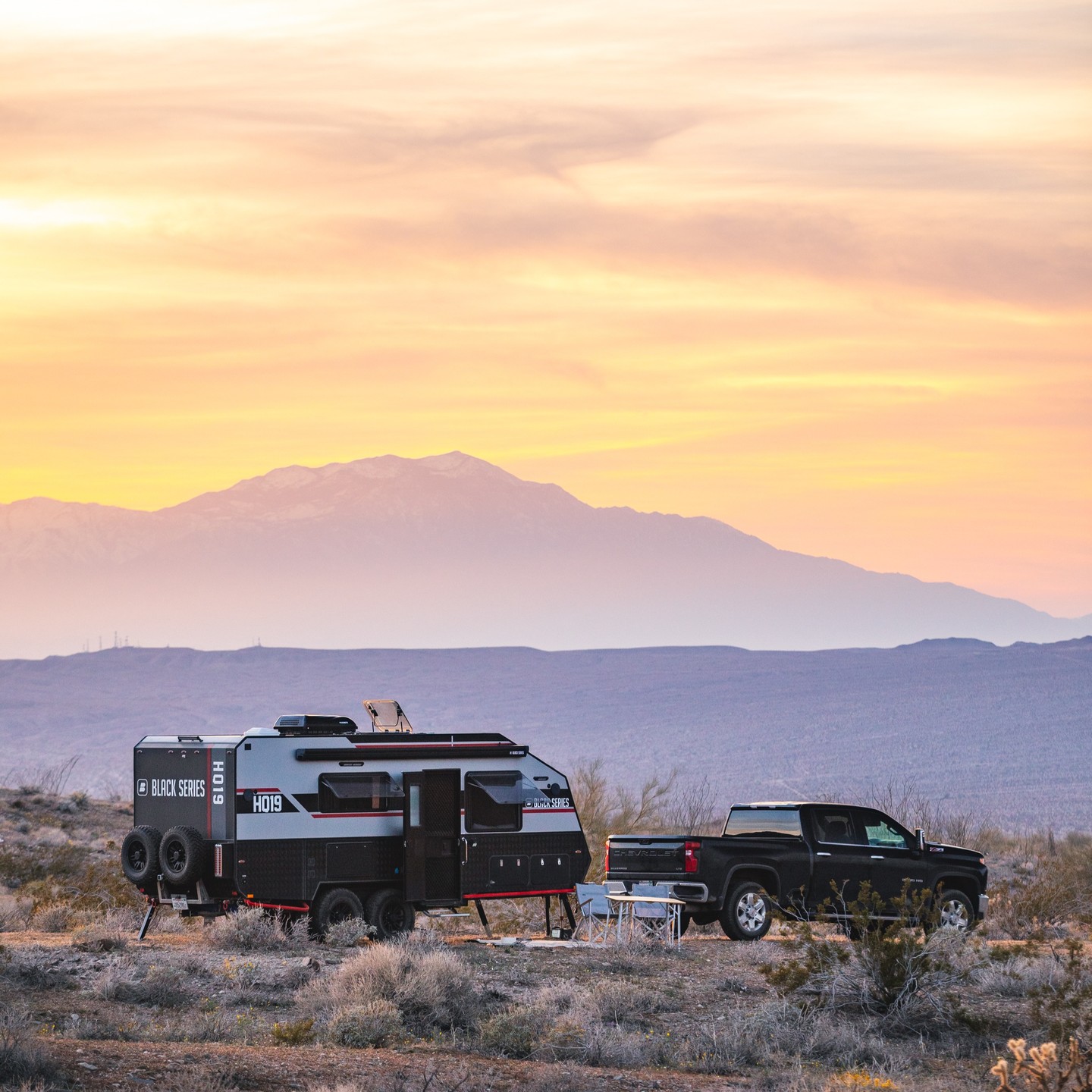
Blackseries has pioneered the rugged trailer category by engineering purpose-built expedition vehicles rather than adapting standard RV construction for off-road use. Our trailers feature reinforced aluminum construction, independent coil suspension, and integrated off-grid systems designed specifically for America’s diverse terrain: from Utah’s slickrock to Colorado’s alpine passes.
Market Trends and Consumer Demands in US Off-Road Camping
The global off-road trailer market is experiencing remarkable growth, projected to expand from $27.83 billion in 2024 to $49.85 billion by 2031: a compound annual growth rate of 7.56%. This growth reflects fundamental shifts in how Americans approach outdoor recreation.
Key Market Drivers:
- Remote work flexibility enabling longer trips
- National park overcrowding driving demand for dispersed camping
- Vehicle capability improvements making towing more accessible
- Social media influence showcasing overlanding adventures
- Generational preferences for experiences over possessions
American consumers prioritize specific features when selecting 4×4 tow trailers: durability for rough terrain, self-sufficiency for extended off-grid camping, and ease of maintenance in remote locations. Unlike European markets that emphasize compact efficiency, US buyers prefer larger trailers with comprehensive amenities.
Your Complete 4×4 Tow Trailer Selection Guide
Step 1: Honest Needs Assessment
Begin by realistically evaluating your actual travel patterns, not aspirational adventures. Most overlanders spend 80% of their time on improved roads with occasional off-road excursions. Your trailer should excel at your typical use case while handling your occasional extreme conditions.
Critical Questions to Answer:
- How many people will you regularly accommodate?
- What’s your typical trip duration (weekend vs. week-long expeditions)?
- Which terrain types will you encounter most frequently?
- How important is interior comfort versus cargo capacity?
- What’s your realistic budget including accessories and modifications?
Step 2: Tow Vehicle Compatibility Analysis
Your existing or planned tow vehicle fundamentally constrains your trailer selection. This represents the most common mistake in trailer selection: choosing a trailer that exceeds your vehicle’s safe towing capacity.
Essential Calculations:
- Gross Vehicle Weight Rating (GVWR): Maximum safe trailer weight
- Tongue weight capacity: Typically 10-15% of trailer weight
- Available payload: Your vehicle’s capacity minus passengers, gear, and fuel
- Brake controller compatibility: Required for trailers over 3,000 pounds

A Ford F-150 with a 11,500-pound towing capacity might seem capable of handling any trailer, but when loaded with passengers, camping gear, and fuel, the effective capacity drops significantly. Always calculate conservatively and verify manufacturer specifications.
Step 3: Essential Feature Checklist
Chassis and Suspension Requirements:
- Minimum 12″ ground clearance for serious off-road capability
- Independent coil or torsion suspension (avoid leaf springs for rough terrain)
- Reinforced aluminum or steel construction rated for off-road stress
- Articulating hitch system to accommodate vehicle and trailer movement
Off-Grid Capability Essentials:
- Solar charging system (minimum 400 watts for extended trips)
- Lithium battery bank (200+ amp hours for multiple-day independence)
- Fresh water capacity appropriate for your group size and trip length
- Waste system suitable for Leave No Trace camping principles
Storage and Organization Features:
- External gear storage for dirty or bulky equipment
- Secure interior storage with positive latches
- Accessible spare tire and tools
- Integrated tie-down points for cargo management
Step 4: Quality Construction Indicators
Distinguishing purpose-built off-road trailers from cosmetically “rugged” standard RVs requires examining construction details:
Quality Indicators:
- Welded aluminum framework versus bolted assemblies
- All-terrain tire upgrades standard, not optional
- Powder-coated finishes for corrosion resistance
- Heavy-duty electrical connections with marine-grade wiring
- Accessible service points for field maintenance
Top 4×4 Tow Trailer Categories for US Overlanding
Ultralight Expedition Trailers (Under 2,000 lbs)
Perfect for adventure motorcyclists and couples seeking maximum fuel efficiency without sacrificing off-road capability. These trailers prioritize gear storage and basic amenities.
Recommended Features:
- 1,200-1,800 pound dry weight
- 15-18″ ground clearance
- Rooftop tent or minimal hard-sided accommodation
- Basic electrical system with small solar array
Mid-Size Family Trailers (2,000-4,000 lbs)
The sweet spot for most American families, offering comfortable sleeping for 4-6 people while remaining towable by full-size SUVs and trucks.
Key Specifications:
- 2,500-3,500 pound loaded weight
- 12-15″ ground clearance
- Full kitchen and bathroom facilities
- Substantial battery and water capacity
Expedition Basecamps (4,000+ lbs)
Designed for extended remote camping with multiple families or as mobile command centers for adventure groups.
Premium Features:
- 4,000-6,000 pound capacity
- 10-12″ ground clearance (trading some capability for interior space)
- Full residential amenities including heating and air conditioning
- Workshop space for equipment maintenance
Essential Terminology for 4×4 Trailer Buyers
Understanding key terms prevents miscommunication with dealers and ensures you’re comparing equivalent specifications:
Ground Clearance: Distance between the lowest trailer point and ground level. Minimum 12″ for serious off-road use, though higher clearance limits interior height.
GVWR (Gross Vehicle Weight Rating): Maximum safe loaded weight of the trailer including all gear, water, and supplies.
Dry Weight: Trailer weight without water, propane, batteries, or personal gear. Actual loaded weight typically exceeds dry weight by 20-30%.
Boondocking: Camping without hookups to electricity, water, or sewer systems. Requires self-sufficient trailer systems.
Articulating Hitch: Advanced coupling system allowing independent trailer and vehicle movement over rough terrain without binding or damage.
Off-Grid Capability: Trailer’s ability to operate independently of external power and water sources for extended periods.
Setup and Maintenance for Maximum Longevity
Proper maintenance extends trailer life and prevents expensive repairs in remote locations. Off-road trailers require more frequent inspection than highway-only units due to increased stress and environmental exposure.
Monthly Inspection Checklist:
- Tire pressure and tread wear patterns
- Suspension component condition and lubrication
- Battery electrolyte levels and terminal corrosion
- Water system sanitization and leak inspection
- Electrical connections and solar panel cleaning
Pre-Trip Preparation:
- Verify all fluid levels and tire pressures
- Test electrical systems including brakes and lights
- Secure all interior items and close cabinet latches
- Check hitch pin and safety chain attachment
- Review route for clearance and weight restrictions
Blackseries trailers include comprehensive maintenance guides specific to off-road use, covering everything from bearing repacking to solar system troubleshooting.
Real-World Case Study: Colorado Backcountry Adventure
Last summer, the Johnson family from Denver used their Blackseries HQ19 for a two-week exploration of Colorado’s backcountry. Their route included established campgrounds, dispersed camping areas, and several technical 4×4 trails accessing remote fishing locations.
Trip Highlights:
- 1,800 miles total distance including 400 miles of unpaved roads
- Seven different campsites ranging from established campgrounds to primitive dispersed areas
- Temperatures from 35°F at altitude to 85°F in lower valleys
- Complete electrical independence using solar charging system
Key Lessons Learned:
- Ground clearance proved essential on rocky Forest Service roads
- Battery capacity supported all electrical needs without generator use
- Water storage lasted 3-4 days for family of four with conservative use
- Articulating hitch prevented binding on steep, uneven terrain
The family reported that their trailer’s capability allowed access to spectacular locations impossible with standard RVs, while maintaining comfort levels that encouraged their children to embrace outdoor adventures.
Frequently Asked Questions
Q: What’s the minimum tow vehicle size for a capable 4×4 trailer?
A: Full-size SUVs and half-ton pickup trucks can safely tow most trailers under 5,000 pounds when properly equipped. However, three-quarter ton trucks provide significantly more capability and comfort for heavy trailers or challenging terrain.
Q: How long can a 4×4 trailer operate off-grid?
A: With proper solar charging and conservative usage, modern trailers can operate indefinitely for electrical needs. Water capacity typically limits off-grid duration to 3-7 days depending on tank size and conservation measures.
Q: Are 4×4 trailers suitable for highway travel?
A: Absolutely. Quality off-road trailers track well at highway speeds and often feature better build quality than standard RVs. However, they may have slightly higher wind resistance due to increased ground clearance.
Q: What maintenance increases are required for off-road use?
A: Off-road trailers require more frequent inspection of suspension components, tire wear, and chassis hardware. Plan on 50% more maintenance time compared to highway-only trailers, though actual repairs aren’t necessarily more frequent with quality construction.
Q: How much should I budget for a quality 4×4 tow trailer?
A: Entry-level capable trailers start around $25,000, with premium expedition trailers ranging from $45,000 to $80,000. Factor in additional costs for accessories, registration, and insurance when planning your budget.
Making Your Selection: Next Steps
Choosing the ideal 4×4 tow trailer requires balancing capability, comfort, and budget while honestly assessing your actual usage patterns. The most capable trailer that exceeds your tow vehicle’s capacity serves no purpose, while an underbuilt trailer limits your adventure possibilities.
Your Action Plan:
- Calculate your tow vehicle’s actual available capacity
- Define your typical trip profile and group size requirements
- Visit dealers to inspect construction quality and layout options
- Test tow different weight categories to understand handling characteristics
- Factor total ownership costs including maintenance and storage
Blackseries offers the most comprehensive range of purpose-built expedition trailers designed specifically for American overlanding conditions. Our engineering focuses on genuine capability rather than cosmetic ruggedness, ensuring your investment enables authentic adventures in America’s spectacular backcountry.
Ready to explore your options? Visit our dealer network to experience Blackseries quality firsthand, or download our complete specification guides to compare models that match your adventure requirements. Your next great outdoor story begins with choosing the right equipment to get you there safely and comfortably.

