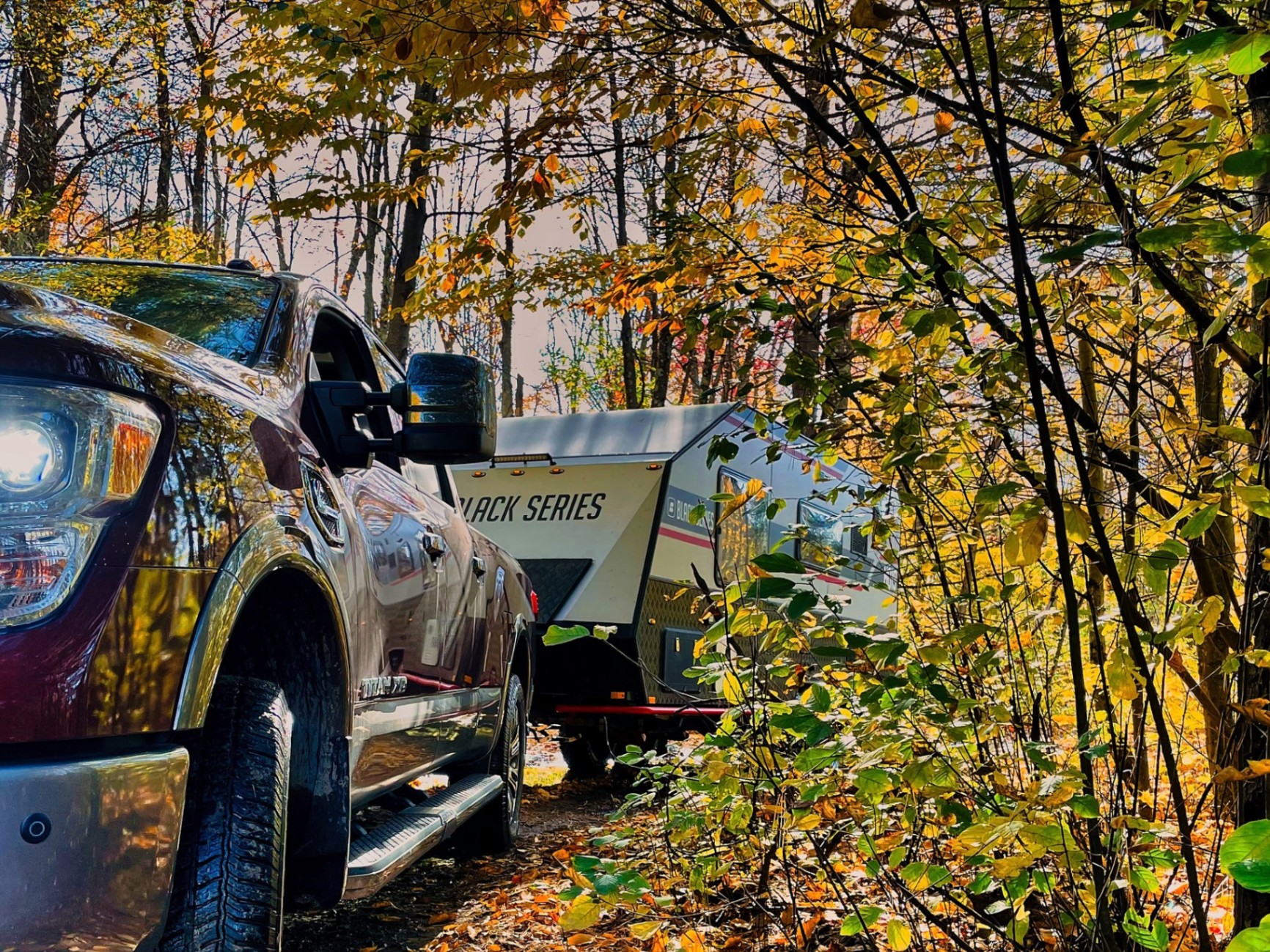
A 4×4 travel trailer is a specialized off-road camper designed for towing behind 4×4 trucks and SUVs into America’s most challenging terrain. From Arizona’s Sonoran Desert to Colorado’s mountain passes and Bureau of Land Management (BLM) dispersed camping areas, these rugged trailers offer superior ground clearance, independent suspension systems, and robust chassis construction for accessing remote locations standard RVs simply can’t reach. BlackSeries specializes in manufacturing 4×4-capable travel trailers and overland trailers engineered specifically for these demanding adventures.
Who This Guide Is For & What You’ll Learn
Target Adventurers:
- Families seeking off-grid camping experiences
- Weekend warriors exploring forest service roads
- Full-time travelers navigating diverse American landscapes
- Overlanding enthusiasts requiring reliable equipment
Key Takeaways:
- How to select the right 4×4 travel trailer for your needs
- Essential configuration checklist for off-road capability
- Price ranges and value considerations for 2026 models
- Specific recommendations including BlackSeries HQ series trailers
Understanding 4×4 Travel Trailers: Definitions & Key Differences
What “4×4” Actually Means for Travel Trailers
Unlike tow vehicles, travel trailers don’t have their own drivetrain. A “4×4 travel trailer” specifically refers to a trailer engineered for towing behind 4×4 trucks and SUVs, designed to handle the same challenging terrain your vehicle can navigate. The key differentiators include reinforced chassis construction, specialized suspension systems, larger off-road tires, and optimized approach/departure angles.
Comparing Three Trailer Categories
Step-by-Step 4×4 Travel Trailer Selection Checklist
Step 1: Evaluate Your Tow Vehicle Capabilities
Critical Specifications to Check:
- Towing Capacity: Maximum trailer weight your vehicle can safely pull
- Payload: Weight capacity for passengers, gear, and tongue weight
- GVWR (Gross Vehicle Weight Rating): Total allowable vehicle weight when loaded
- Tongue Weight: Typically 10-15% of trailer’s total weight
Popular 4×4 vehicles like Ford F-150s offer 5,000-11,000 lbs towing capacity depending on configuration, while mid-size trucks like Toyota Tacoma handle 6,400-6,800 lbs safely.
Step 2: Define Your Adventure Terrain
Terrain Categories:
- Light Off-Road: Forest service roads, established dirt tracks
- Technical Terrain: Rocky trails, creek crossings, steep grades
- Expedition Level: Remote wilderness, unmarked trails, extreme weather
Understanding your typical camping destinations helps determine necessary suspension sophistication and chassis protection requirements.
Step 3: Suspension System Analysis
Independent Suspension Benefits:
- Each wheel responds independently to terrain irregularities
- Reduces trailer sway and improves stability
- Minimizes stress on trailer frame and contents
- Essential for protecting water systems and appliances
BlackSeries utilizes four-link independent suspension systems across their lineup, providing superior articulation compared to traditional leaf spring axles.
Step 4: Off-Grid System Requirements
Power Systems:
- Solar panel capacity (200W minimum for basic needs)
- Lithium battery storage (100Ah+ recommended)
- Inverter capability for AC appliances
Water Management:
- Fresh water capacity: 30-60+ gallons typical
- Grey/black water tanks for extended boondocking
- Freeze-resistant plumbing for year-round use
For serious dispersed camping on BLM and Forest Service lands, these systems become essential rather than optional.
Step 5: Interior Layout Priorities
Family Considerations:
- Sleeping arrangements (dinette conversion vs dedicated beds)
- Storage for outdoor gear and children’s items
- Kitchen functionality: indoor vs slide-out outdoor designs
- Bathroom facilities for extended trips
Best 4×4 Travel Trailers for Different Adventurer Types
Best for Families: BlackSeries HQ19 & HQ21
The HQ19 and HQ21 models excel in family-oriented off-road adventures. These trailers feature spacious interiors with dedicated sleeping areas, full bathroom facilities, and ample storage for family gear. The independent suspension system ensures a comfortable ride for children while maintaining the durability needed for accessing remote national park backcountry sites.
Key Family Features:
- Sleeping capacity: 4-6 people comfortably
- Full interior galley with refrigeration
- Climate control for year-round comfort
- Robust storage solutions for toys and adventure equipment

Best Lightweight Options: BlackSeries HQ12 & Classic12
For SUV owners or those prioritizing fuel efficiency, the HQ12 represents an ideal balance of capability and weight management. These compact trailers maintain full off-road capability while staying within mid-size vehicle towing limits.
Lightweight Advantages:
- Dry weight under 4,000 lbs
- Compatible with Toyota 4Runner, Jeep Wrangler, Chevrolet Tahoe
- Easier maneuvering in tight trail conditions
- Better fuel economy on long expedition drives
Best for Extreme Off-Road: BlackSeries Flagship Models
BlackSeries’ premium models incorporate advanced engineering for the most demanding terrain. Features include reinforced aluminum construction, extended ground clearance, and comprehensive underbody protection designed for serious overlanding expeditions.
Real-World Performance Data
Typical 4×4 Travel Trailer Specifications in 2026
Common Size Ranges:
- Length: 16-24 feet (optimal for trail maneuverability)
- Dry Weight: 3,500-6,500 lbs (varies significantly by features)
- Fresh Water: 35-65 gallons (depending on tank configuration)
- Solar Capacity: 200-400 watts (standard on quality off-road models)
BlackSeries Southwest Adventure Case Study
A family of four recently completed a month-long journey through Arizona, Utah, and Colorado using their BlackSeries HQ19. Their route included challenging locations like Moab’s backbountry trails, remote sections of the Arizona Strip, and high-altitude Colorado camping above 10,000 feet elevation.
Reported Performance Highlights:
- Suspension handled rocky terrain without interior damage
- Solar system maintained power independence for 5+ consecutive days
- Interior climate control performed effectively in 15°F to 95°F temperature range
- No mechanical issues despite 3,000+ miles of mixed terrain
Essential Safety & Towing Guidelines
Load Distribution Fundamentals
Proper Weight Balance:
- Tongue weight should equal 10-13% of total trailer weight
- Heavy items stored low and toward trailer’s front
- Water tanks balanced to prevent rear-heavy distribution
Off-Road Driving Techniques
Technical Terrain Navigation:
- Maintain steady, controlled speeds (typically 5-15 mph)
- Use 4-Low transmission mode for steep ascents/descents
- Plan turning radius carefully – trailers require wider swing paths
- Monitor tire pressure adjustments for different terrain types
BlackSeries conducts extensive off-road testing across diverse American landscapes, validating suspension performance, chassis durability, and systems integration under real expedition conditions.
Frequently Asked Questions
What makes a 4×4 travel trailer different from a regular travel trailer?
4×4 travel trailers feature reinforced chassis, independent suspension systems, higher ground clearance, and off-road tires specifically designed for rough terrain access. Standard travel trailers prioritize interior comfort over durability and are built for paved road travel to established campgrounds.
Do I really need a 4×4 vehicle to tow a 4×4 travel trailer?
While not legally required, a 4×4 tow vehicle is strongly recommended. The trailer’s capabilities are designed to match your vehicle’s off-road performance. Attempting to tow an off-road trailer with a 2WD vehicle creates safety risks and limits your adventure destinations.
Are 4×4 travel trailers worth it for weekend camping only?
If your adventures include forest service roads, dispersed camping, or accessing remote locations even occasionally, the investment pays dividends in accessibility and peace of mind. However, if you exclusively camp at RV parks with full hookups, a standard travel trailer may better suit your needs.
How much do 4×4 travel trailers typically cost in 2026?
Entry-level 4×4 travel trailers start around $35,000-45,000, while premium models with comprehensive off-grid systems range from $60,000-$100,000+. BlackSeries models reflect their engineering and build quality in their pricing structure.
What size 4×4 travel trailer works best for a family of four?
The 19-21 foot range typically provides optimal balance of interior space and maneuverability for families. BlackSeries HQ19 and HQ21 models specifically address family needs while maintaining serious off-road capability.
Can BlackSeries 4×4 travel trailers handle extreme forest roads and desert conditions?
BlackSeries trailers are specifically engineered and tested for extreme conditions. Their independent suspension, reinforced construction, and comprehensive testing program validate performance in America’s most challenging camping environments.
What maintenance do 4×4 travel trailers require after off-road adventures?
Post-trip maintenance includes cleaning undercarriage debris, inspecting suspension components, checking tire condition, and ensuring all systems remain properly sealed. BlackSeries provides comprehensive warranty coverage supporting their build quality confidence.
The 2026 4×4 travel trailer market offers unprecedented options for American adventurers seeking reliable access to the country’s most spectacular and remote destinations. Whether you’re planning weekend escapes or extended expedition travel, choosing the right trailer foundation enables years of memorable outdoor experiences.

