An aerodynamic nose cone is a streamlined cap or shield fitted to the front of a trailer, truck, or RV to reduce wind resistance and improve overall towing performance. By directing airflow smoothly around the vehicle, a well-designed nose cone can reduce drag by 10–15%, save 5–8% on fuel costs during long-distance travel, and significantly improve highway stability. For overlanders and serious road-trippers across America, this simple addition transforms both efficiency and driving comfort.
In this complete guide, BlackSeries breaks down everything you need to know about aerodynamic nose cones, from core design principles to installation steps and custom options for your trailer setup.
What Is an Aerodynamic Nose Cone?
Definition and Basic Principles
An aerodynamic nose cone is a specifically shaped component mounted at the front of a vehicle or trailer to manage airflow. The primary goal is simple: reduce the turbulence and drag created when air collides with a flat or poorly shaped front surface.
When a trailer moves at highway speeds, the front face acts like a wall pushing against the wind. This resistance, called aerodynamic drag, forces the tow vehicle to work harder, burning more fuel and reducing stability. A nose cone smooths that transition, guiding air around and over the trailer rather than letting it slam into a blunt surface.
The science behind this is well-established. Aerodynamic optimization focuses on minimizing the drag coefficient, a measure of how efficiently air moves past an object. Below Mach 0.8, friction drag dominates, meaning surface texture and overall shape play the biggest roles. For trailers traveling at typical highway speeds (55–75 mph), a streamlined nose cone makes a measurable difference.
Common Applications
Aerodynamic nose cones appear across multiple industries:
- RVs and Travel Trailers: Improving fuel economy and towing comfort on cross-country trips.
- Cargo Trailers: Reducing operating costs for commercial haulers.
- Commercial Trucks: Deflecting crosswinds and lowering fuel consumption on long routes.
- Off-Road Trailers: Balancing rugged durability with highway efficiency, a specialty at BlackSeries.
For American trailer owners, nose cones have become increasingly popular as fuel prices rise and long-distance overlanding becomes a lifestyle choice.
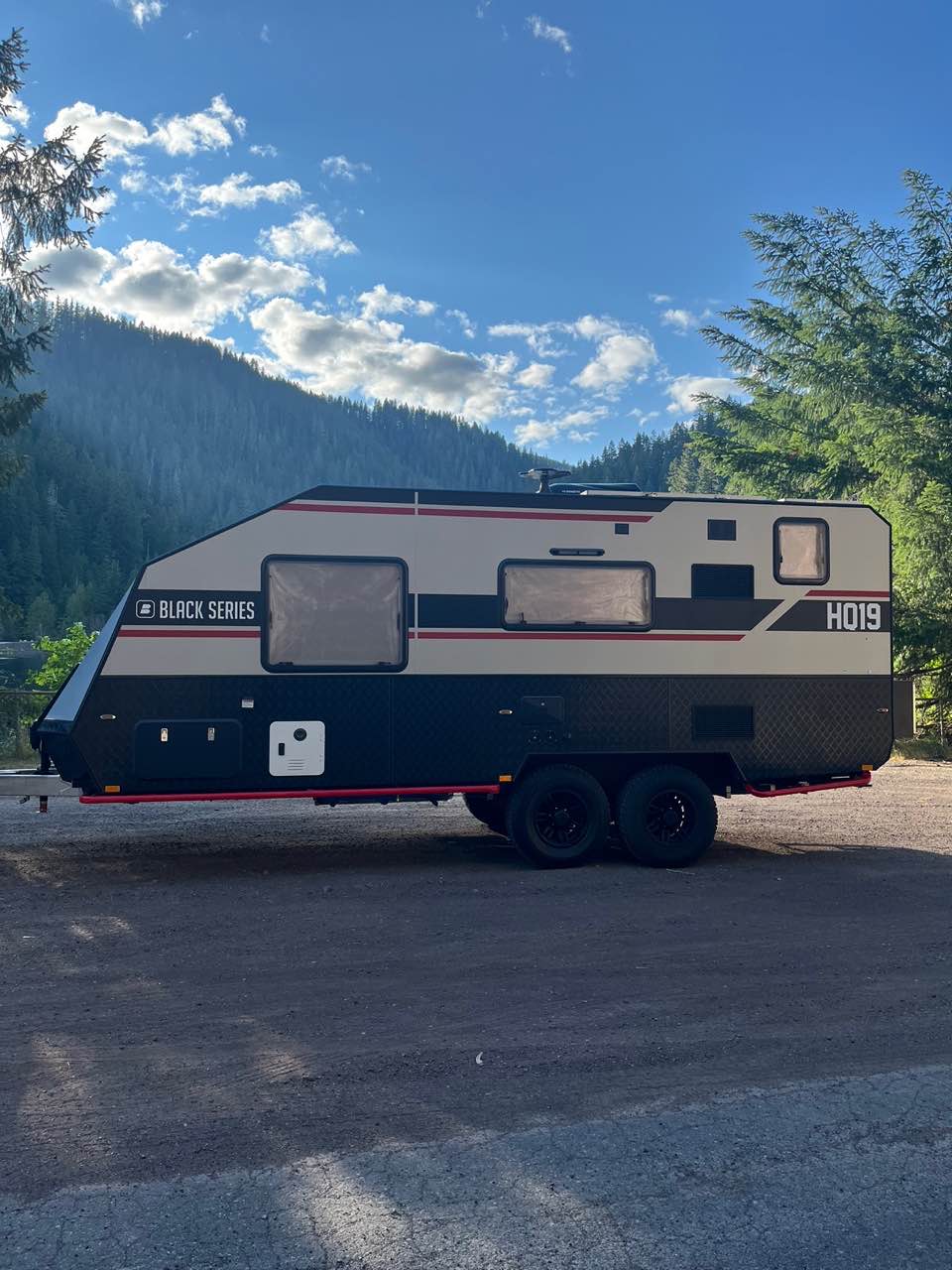
Why Trailers Need an Aerodynamic Nose Cone
US Highway Conditions and the Drag Problem
America’s highway system is built for speed. Interstates allow sustained travel at 65–80 mph, and trailers are expected to keep pace. At these speeds, aerodynamic drag increases exponentially, doubling your speed quadruples drag force.
Large trailers, especially those with flat fronts, act like parachutes. The result? Your tow vehicle burns significantly more fuel, crosswinds destabilize the rig, and wind noise becomes exhausting over long hauls.
This is where the best aerodynamic nose cone for trailers becomes essential.
Core Benefits of an Aerodynamic Nose Cone
1. Reduced Drag
Studies show that a properly designed nose cone can reduce aerodynamic drag by 10–15%. This means less resistance at every mile, making towing smoother and less taxing on your engine.
2. Fuel Savings
Lower drag translates directly to fuel efficiency. Long-distance haulers and overlanders report 5–8% fuel savings after installing a quality nose cone, savings that add up fast on multi-state road trips.
3. Decreased Wind Noise
Turbulence at the trailer’s front creates noise that travels through the tow vehicle. A streamlined nose cone minimizes this turbulence, resulting in a quieter, more comfortable drive.
4. Improved Stability
Crosswinds are a constant hazard on open highways. By controlling airflow, nose cones reduce the side forces that can cause trailer sway and instability, improving safety for the driver and everyone on the road.
5. Extended Vehicle Lifespan
Less aerodynamic stress means less strain on your tow vehicle’s engine, transmission, and suspension. Over time, this translates to reduced maintenance costs and longer component life.
Aerodynamic Nose Cone Design Principles
Streamlined Structures
Effective aerodynamic nose cone design focuses on smooth, flowing shapes that guide air around the trailer without creating turbulence. Key features include:
- Rounded Leading Edges: Sharp corners create drag pockets. Rounded fronts allow air to flow continuously.
- Tapered Profiles: Gradually narrowing shapes reduce pressure buildup at the front.
- Optimized Angles: The relationship between length and diameter (fineness ratio) affects wave drag. A ratio of approximately 5:1 offers optimal performance for most trailer applications.
Research in aerodynamic testing shows that Von Karman and Power Series shapes often outperform traditional conical designs, especially at highway speeds.

Material Selection
The best nose cones balance weight, durability, and weather resistance:
- Aluminum Alloy: Lightweight, corrosion-resistant, and strong enough to handle highway conditions.
- Composite Materials: Fiberglass or carbon fiber composites offer excellent strength-to-weight ratios and resist UV degradation.
- ABS Plastic: Cost-effective for lighter-duty applications, though less durable than metal or composites.
BlackSeries Design Philosophy
At BlackSeries, aerodynamic nose cone design is part of a broader engineering approach:
- Strength: Components must withstand off-road impacts and highway debris.
- Durability: Weather-resistant materials and sealed construction ensure longevity.
- Easy Installation: Bolt-on designs allow owners to add or remove components without professional help.
- Integration: Nose cones are designed to complement the overall trailer aesthetic, not as aftermarket add-ons, but as cohesive parts of the build.
For more on BlackSeries engineering, visit our 2025 Off-Road Travel Trailer Buying Guide.
How to Choose the Best Aerodynamic Nose Cone
Selecting the right nose cone requires matching product specifications to your trailer and travel needs. Use this checklist:
Buyer’s Checklist
1. Size Compatibility
Measure your trailer’s front width and height. The nose cone must cover the full frontal area to be effective, undersized cones leave drag-producing gaps.
2. Weather-Resistant Materials
Look for aluminum, composites, or UV-stabilized plastics. Your nose cone will face sun, rain, road salt, and temperature extremes.
3. Ease of Installation
Bolt-on designs with pre-drilled mounting points save time and reduce the risk of installation errors.
4. DOT Compliance
Ensure your nose cone meets US Department of Transportation standards. Non-compliant accessories can cause legal issues and may void insurance coverage.
5. Brand Support and Warranty
Choose manufacturers that offer warranty protection and customer support. Quality brands stand behind their products.
Why Choose BlackSeries?
BlackSeries nose cones and aerodynamic components are:
- Designed specifically for the American market
- Validated through real-world road testing
- Backed by professional customer support and warranty coverage
Explore our full lineup at BlackSeries.net.
How to Install an Aerodynamic Nose Cone
Installing an aerodynamic nose cone is straightforward with the right tools and approach. Follow this step-by-step guide to ensure a secure, effective installation.
Step-by-Step Installation Process
Step 1: Gather Your Tools
You’ll need:
- Tape measure
- Marker or chalk
- Drill with appropriate bits
- Wrenches or socket set
- Sealant (silicone or marine-grade)
- Safety glasses and gloves
Step 2: Measure and Position
Hold the nose cone against the trailer’s front surface. Mark mounting hole locations carefully, ensuring the cone is centered and level.
Step 3: Drill Mounting Holes
Using the appropriate drill bit for your trailer material (aluminum, fiberglass, or steel), drill pilot holes at each marked location. Wear safety glasses to protect against debris.
Step 4: Secure the Nose Cone
Align the cone with the drilled holes and insert mounting bolts. Tighten evenly, alternating between bolts to prevent warping or uneven pressure.
Step 5: Apply Sealant
Use a weatherproof sealant around bolt heads and any seams where water could enter. This prevents corrosion and extends the lifespan of both the cone and trailer body.
Step 6: Road Test
Before a long trip, take a short highway drive to verify the nose cone is secure. Check for vibration, noise, or movement. Re-tighten bolts if necessary.
Installation Tips
- Angle Matters: Ensure the nose cone’s leading edge is properly angled to direct airflow upward and around the trailer.
- Waterproofing: Don’t skip the sealant step. Water intrusion can cause rust and structural damage.
- Regular Inspections: Check mounting hardware before each major trip. Vibration can loosen bolts over time.
Custom Aerodynamic Nose Cone Options
Not every trailer is the same, and off-the-shelf solutions don’t always fit specialized rigs. That’s where custom aerodynamic nose cone options come in.
Custom Sizing
If your trailer has non-standard dimensions, extra-wide bodies, unusual front profiles, or integrated accessories, a custom nose cone ensures full coverage and optimal performance.
Custom Colors and Finishes
Match your nose cone to your trailer’s color scheme for a cohesive, professional look. BlackSeries offers custom color options to integrate seamlessly with our HQ Series trailers.
BlackSeries Customization Process
- Consultation: Discuss your trailer specs and performance goals with our team.
- Design: Our engineers create a CAD model tailored to your trailer.
- Fabrication: Precision manufacturing using high-grade materials.
- Delivery and Support: Installation guidance and ongoing support.
For custom inquiries, visit the BlackSeries contact page or explore our HQ21 Travel Trailer for examples of integrated aerodynamic design.
Frequently Asked Questions
Q1: Does an aerodynamic nose cone really save fuel?
Yes. By reducing air drag, most trailers experience measurable fuel savings, typically 5–8% on highway driving. Over thousands of miles, this adds up to significant cost savings and reduced environmental impact.
Q2: What material is best for an aerodynamic nose cone?
Lightweight aluminum or composite materials offer the best balance of durability, weather resistance, and performance. Aluminum is excellent for rugged use, while composites provide superior strength-to-weight ratios.
Q3: Is installation difficult?
No. Most BlackSeries nose cones are designed for simple bolt-on installation. With basic tools and careful measurement, most owners can complete the process in a few hours.
Q4: Can I add a custom aerodynamic nose cone to any trailer?
Yes, as long as the size and mounting points are compatible with your trailer model. Custom fabrication can accommodate non-standard trailers or unique design requirements.
Q5: How do I maintain my aerodynamic nose cone?
Inspect mounting bolts regularly, clean the surface with mild soap and water, and reapply sealant annually or after exposure to harsh conditions. Quality materials require minimal maintenance but benefit from periodic attention.
Final Thoughts
An aerodynamic nose cone is one of the smartest upgrades you can make to your trailer. By reducing drag, saving fuel, and improving stability, it pays for itself over time: while making every mile more comfortable.
At BlackSeries, we engineer every component with real-world performance in mind. Whether you’re crossing the Mojave or cruising cross-country, our aerodynamic solutions keep you moving efficiently.
Ready to upgrade? Explore the full BlackSeries lineup at BlackSeries.net or dive deeper into off-road trailer technology on our blog.

