Arizona is a BLM camping haven due to its massive distribution of public lands and diverse local regulations. However, finding legal dispersed campsites depends on proper map usage, not luck or guesswork. With over 12 million acres of Bureau of Land Management territory across the state, Arizona offers some of the best free camping opportunities in the country, but only if you know how to navigate the complex web of boundaries, restrictions, and access roads that determine where you can legally set up camp.
The key to successful Arizona BLM camping lies in understanding that not all public land is open for camping, and even when it is, seasonal closures, fire restrictions, and vehicle limitations can quickly turn your dream campsite into a costly citation. This guide will teach you how to use Arizona BLM camping maps effectively to locate legal dispersed campsites while avoiding the common pitfalls that catch unprepared campers off guard.
What Is BLM Camping in Arizona?
Bureau of Land Management (BLM) camping refers to the practice of camping on federally managed public lands administered by the BLM. Unlike private campgrounds or even state parks, BLM land camping typically means dispersed camping, setting up camp in undeveloped areas without hookups, bathrooms, or other amenities.
In Arizona, BLM lands span from the Sonoran Desert floor to high-elevation grasslands, offering everything from winter snowbird destinations around Quartzsite to remote mountain campsites in the northern regions. The legal framework for BLM land camping differs significantly from other public lands. While National Parks require permits and have strict camping zones, and State Parks operate developed campgrounds, BLM dispersed camping operates under a more flexible “camp anywhere unless posted otherwise” philosophy.
However, this flexibility comes with responsibility. Dispersed camping on BLM land means following Leave No Trace principles, staying within vehicle-accessible areas, and understanding that you’re truly on your own for water, waste disposal, and emergency services.
The key distinction between BLM camping and other forms of public land camping is the level of infrastructure and regulation. National Forest Service lands may have similar dispersed camping opportunities, but they often come with different rules about campfire restrictions, vehicle access, and length of stay. Private RV parks offer full hookups but charge nightly fees. BLM dispersed camping splits the difference, it’s free for up to 14 days, but requires complete self-sufficiency.
Why You Need an Arizona BLM Camping Map
The biggest misconception about BLM camping is that you can simply pull off any dirt road and set up camp. In reality, Arizona’s BLM lands include numerous closure areas, seasonal restrictions, and access limitations that can result in hefty fines if you camp in the wrong location.
Closure areas exist for various reasons: wildlife protection during nesting seasons, archaeological site preservation, military training areas, or simply heavily impacted areas that need restoration time. These closures aren’t always obvious from the ground level, and GPS devices won’t warn you when you’re entering a restricted zone.
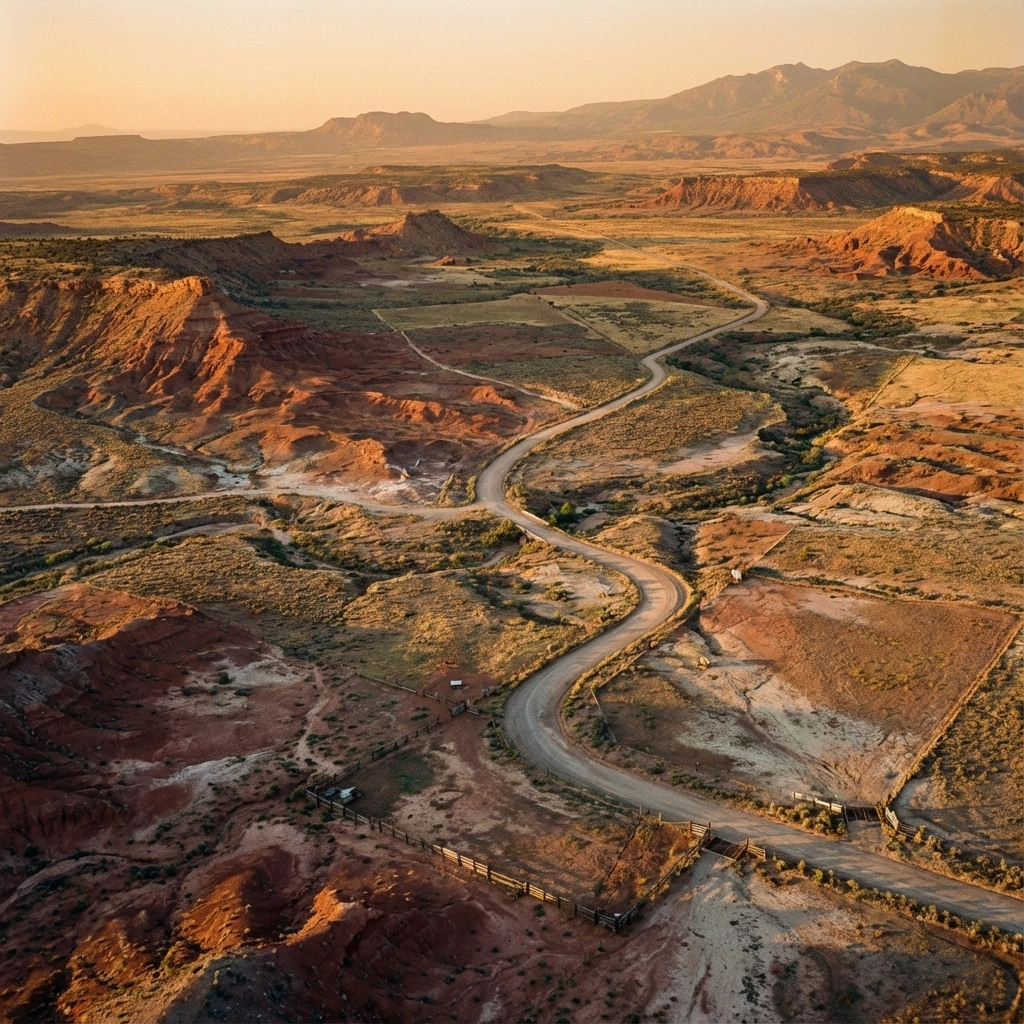
Seasonal changes add another layer of complexity. Summer fire restrictions may close entire regions to camping, while winter weather can make access roads impassable. Spring brings additional wildlife protections, and fall hunting seasons may restrict access to otherwise legal camping areas.
In Arizona, finding campsites means using maps, not guessing. This isn’t just practical advice, it’s the difference between a successful camping trip and a potentially expensive citation. BLM rangers regularly patrol popular camping areas, and ignorance of boundaries or restrictions isn’t considered a valid defense.
Maps also help you plan for practical considerations beyond legality. They show you which campsites require high-clearance vehicles, which areas have reliable cell service, and which locations offer the best balance of accessibility and privacy.
Types of Arizona BLM Camping Maps Explained
Official BLM Maps
The Bureau of Land Management publishes official surface management maps that show land ownership boundaries, access points, and basic restriction information. These maps excel at answering the fundamental question: “Am I allowed to camp here?”
Official BLM maps clearly delineate public versus private land boundaries, which is crucial in Arizona where checkerboard land patterns can create confusing ownership situations. They also mark major closure areas and provide contact information for local BLM field offices where you can get current restriction updates.
The downside of official BLM maps is their lack of detail regarding road conditions, specific campsite locations, or terrain difficulty. They’re designed more for land management purposes than recreational planning, so they won’t tell you whether your RV can actually reach a legal camping area.
Digital & GPS-Based Maps
Digital mapping platforms like Gaia GPS, OnX, and FreeRoam offer layered mapping that combines BLM boundaries with topographical data, road conditions, and user-generated campsite locations. These tools shine in areas with poor cell service because they offer offline map downloads.
The real value of digital maps lies in their ability to show multiple data layers simultaneously. You can view BLM boundaries, elevation changes, road difficulty ratings, and previously used campsites all on the same screen. Many platforms allow users to mark and share successful campsites, creating a community-driven database of proven locations.
However, user-generated content requires careful evaluation. A campsite that worked for a small van might be impossible for a large RV, and popular marked campsites can become overcrowded or show signs of overuse.
Off-Road Camping Maps
Specialized off-road mapping resources focus on the vehicle requirements and road conditions necessary to reach remote campsites. These maps categorize roads as washboard, sandy, rocky, or requiring high-clearance vehicles, helping you match your camping equipment to accessible locations.
Off-road camping maps often include seasonal accessibility information, noting which routes become impassable during monsoon season or winter weather. They’re particularly valuable for identifying campsites that require specific vehicle capabilities, helping you avoid getting stuck or damaging your equipment on unsuitable terrain.

How to Use an Arizona BLM Camping Map (Step-by-Step)
Step 1: Verify BLM Boundaries
Start by confirming that your intended camping area actually falls within BLM jurisdiction. Arizona’s complex land ownership patterns mean that private, state, tribal, and federal lands often border each other with no physical markers. Use official BLM maps or verified digital platforms to confirm land status before making detailed plans.
Step 2: Check Current Restrictions and Announcements
Visit the relevant BLM field office website or call directly to check for current closures, fire restrictions, or special conditions. Maps show permanent restrictions, but temporary closures for wildlife protection, wildfire, or weather conditions change regularly and may not appear on your map.
Step 3: Judge Road Types and Vehicle Requirements
Evaluate the access roads to your intended campsite against your vehicle’s capabilities. Arizona BLM areas include everything from maintained gravel roads suitable for any vehicle to technical 4WD routes requiring high clearance and specialized equipment. Match road difficulty to your setup before committing to a location.
Step 4: Plan Multiple Backup Options
Always identify 2-3 alternative campsites in the same general area. Popular locations fill up, especially during peak seasons, and road conditions can change due to weather or maintenance. Having backup options prevents the disappointment of arriving at a full or inaccessible campsite after a long drive.
Best Areas for BLM Camping in Arizona
Northern Arizona offers high-elevation camping with cooler temperatures and forest environments. Areas around Flagstaff and Sedona provide access to BLM lands that transition from desert to ponderosa pine forests. These regions are popular during summer months when lower elevation areas become uncomfortably hot. Northern BLM areas often feature more challenging access roads but offer better privacy and scenic value.
Central Arizona combines classic Sonoran Desert landscapes with mountain camping opportunities. The Phoenix and Tucson metro areas are surrounded by extensive BLM lands that provide easy access for weekend trips. Central regions offer the advantage of year-round accessibility, though summer camping requires careful planning for heat management.
Southern Arizona becomes the winter destination for snowbird campers seeking warm, dry conditions. Areas near Yuma, Why, and Quartzsite transform into massive informal camping communities during winter months. These regions offer easier access roads and reliable weather but can become extremely crowded during peak season.
Rather than providing specific coordinates that could contribute to overuse of particular sites, focus on using mapping tools to identify areas that match your vehicle capabilities and privacy preferences within these general regions.
Accessing Remote BLM Campsites: Road Conditions Matter
The reality of Arizona BLM camping is that many of the most desirable locations require navigating challenging road conditions. Gravel roads, sandy washes, and rocky terrain separate the accessible campsites from the truly remote experiences that many campers seek.
Washboard roads, corrugated surfaces created by repeated vehicle traffic, are perhaps the most common challenge. These roads create constant vibration that can be fatiguing for drivers and potentially damaging to RV components not designed for such conditions. Standard travel trailers may experience cabinet damage, appliance failures, or structural stress on washboard surfaces.
Sandy areas present different challenges, requiring steady momentum and potentially specialized tires or recovery equipment. Rocky terrain demands high ground clearance and careful navigation to avoid expensive underbody damage.
The fundamental difference between regular RVs and off-road campers becomes apparent when accessing remote BLM campsites. Standard RVs are designed for developed campgrounds with maintained roads. When you venture into true dispersed camping areas, the limitations of conventional RV construction quickly become apparent. Maps can show you where campsites exist, but they can’t guarantee your vehicle can reach them safely.
Why Off-Road Campers Are Ideal for Arizona BLM Camping
Off-road campers like BlackSeries models are specifically engineered for the challenges of BLM dispersed camping. Independent suspension systems handle washboard roads and uneven terrain without transmitting harsh impacts to the camper structure or occupants. This isn’t just about comfort, it’s about preventing expensive repairs and extending the life of your equipment.
Higher ground clearance allows access to campsites that would be impossible for standard RVs, opening up thousands of additional camping options across Arizona’s BLM lands. When you’re limited to maintained roads, you’re competing for the same easily accessible campsites as every other camper. Off-road capability provides access to the remote locations where true solitude and pristine landscapes await.
Self-sufficiency systems built into quality off-road campers, solar power, larger fresh water tanks, and efficient waste management, align perfectly with the no-hookup reality of BLM dispersed camping. These systems aren’t luxury features; they’re practical necessities for extended stays in remote locations.
For detailed information about off-road camper capabilities and suspension technology, see our Off-Road Travel Trailer Guide: Durable Suspension for Rough Terrain.
Arizona BLM Camping Rules & Best Practices (Checklist)
Length of Stay Regulations
- 14-day maximum stay in any one location
- Must move at least 25 miles to establish a new 14-day period
- Some areas have shorter stay limits, check local regulations
Distance and Location Requirements
- Camp at least 200 feet from water sources
- Stay within 300 feet of existing roads or vehicle routes
- Avoid camping in wildlife habitat areas or archaeological sites
- Respect private property boundaries and access rights
Leave No Trace Principles
- Pack out all trash and waste
- Use existing fire rings when available
- Minimize campfire impacts and follow fire restrictions
- Avoid creating new roads or damaging vegetation
Fire Safety and Seasonal Restrictions
- Check current fire restrictions before departure
- Maintain proper clearance around fire areas
- Have adequate water for complete fire extinguishment
- Be aware that fire restrictions can change rapidly during dry conditions
For comprehensive information about off-grid camping principles and preparation, visit our Boondocking in Utah: Complete Guide to Off-Grid RV Camping.
FAQ: Arizona BLM Camping Map
Is dispersed camping free on BLM land in Arizona?
Yes, dispersed camping on BLM land is free for up to 14 days. However, you must move at least 25 miles to establish a new 14-day period. Some special recreation areas may charge fees for developed facilities.
Where can I find official Arizona BLM maps?
Official BLM maps are available through the BLM Arizona website, local field offices, and outdoor retailers. Digital versions can be downloaded for free, while printed maps may have a small fee.
Can I camp anywhere on BLM land?
No, you cannot camp anywhere on BLM land. Camping is restricted in designated wilderness areas, near water sources, in archaeological sites, and in specially designated closure areas. Always verify that camping is allowed in your chosen location.
Do I need an off-road vehicle for BLM camping?
While not always required, high-clearance 4WD vehicles provide access to the most desirable remote campsites. Many BLM areas are accessible by standard vehicles, but the best locations often require off-road capability.
Arizona’s BLM lands offer unparalleled opportunities for dispersed camping, but success depends on proper planning and the right equipment. Quality mapping resources, understanding of regulations, and appropriate vehicle capabilities transform BLM camping from a gamble into a reliable adventure strategy.
Ready to explore Arizona’s remote BLM campsites with confidence? Discover how BlackSeries off-road campers provide the durability and self-sufficiency needed for successful dispersed camping adventures. Contact us today to learn more about our rugged travel trailer lineup designed specifically for off-grid exploration.

