Introduction
Pop up trailers represent the perfect entry point for American families seeking lightweight, budget-friendly RV adventures. These collapsible campers have surged in popularity among SUV owners and first-time RVers who want the comfort of a hard-sided shelter without the bulk and expense of full-sized travel trailers.
The three primary advantages driving this trend are undeniable: lightweight design for easy towing, compact storage when collapsed, and affordable pricing compared to traditional RVs. While most pop up trailers focus on basic comfort and economy, premium brands like Blackseries elevate the category with reinforced construction, off-road capability, and military-grade durability that transforms weekend camping into serious adventure capability.
This comprehensive guide will help you navigate the pop up trailer market and determine whether a traditional lightweight model meets your needs, or if you’re ready to invest in the superior build quality and adventure-ready features that set Blackseries apart from standard manufacturers.
What Is a Pop Up Trailer?
A pop up trailer, also known as a fold-down camper or tent trailer, features a collapsible design that dramatically reduces height and wind resistance during transport. These trailers combine a solid base platform with expandable canvas or hard-shell walls that create livable interior space when deployed at your campsite.
Key Structural Features
Canvas walls or hard-shell panels form the expandable walls, with canvas models offering lighter weight and hard-shell versions providing better insulation. The fold-out bed system typically creates sleeping space for 2-8 people depending on floor plan size. Most models maintain a compact towing profile under 8 feet in height when collapsed, improving fuel economy and reducing wind stress on your tow vehicle.
Essential Terminology
Understanding pop up trailer terminology helps you make informed comparisons:
- Dry weight: The trailer’s weight without water, propane, or personal items
- Sleeping capacity: Maximum number of people the floor plan accommodates
- Soft-side vs hard-side: Canvas walls versus solid panel construction
- Slide-out: Expandable sections that increase interior space
- 4-season package: Enhanced insulation for cold weather camping
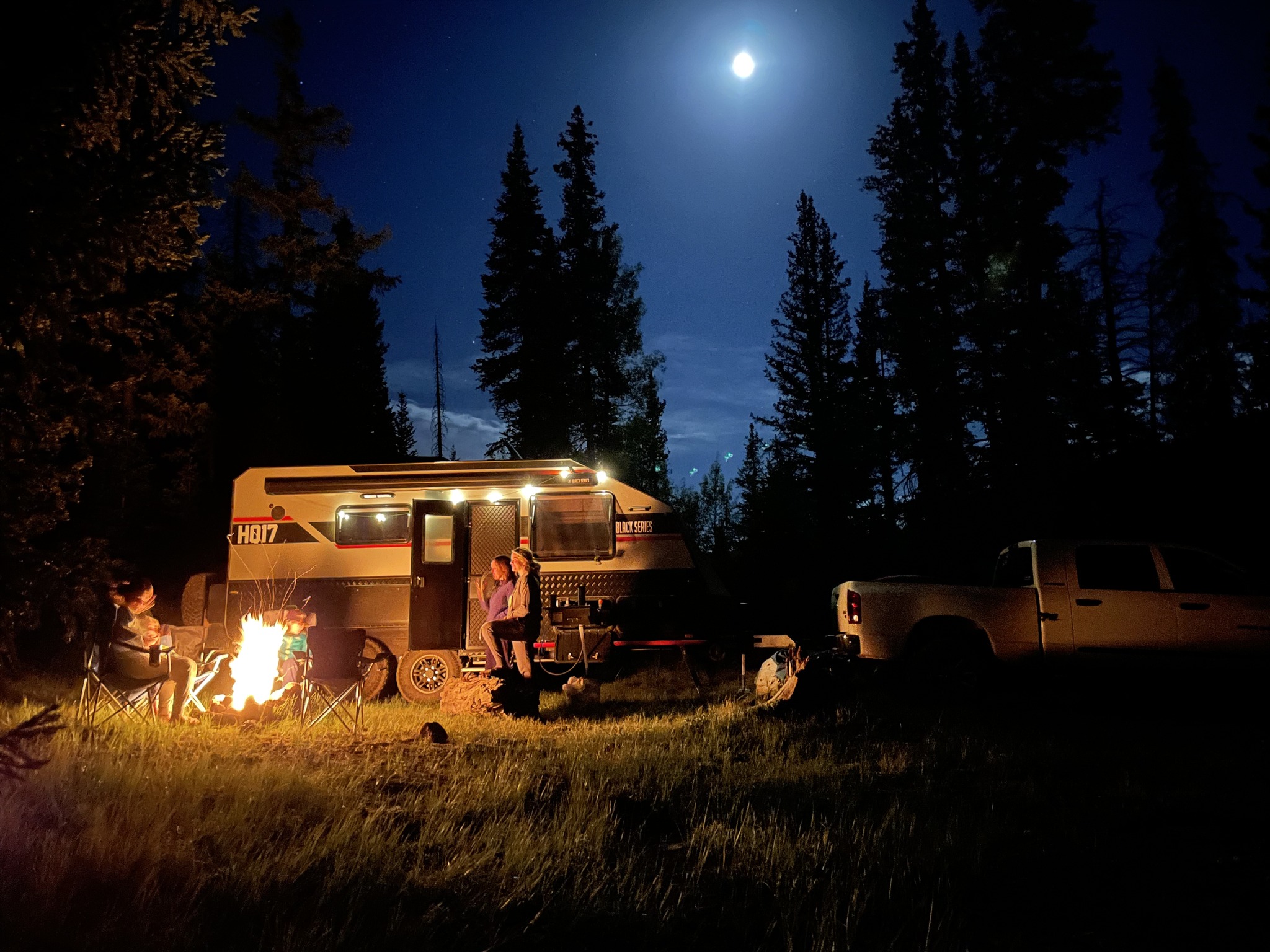
Types of Pop Up Trailers in the U.S. Market
Soft-Side Pop Up Campers
Traditional canvas-walled trailers remain the most popular and affordable option. These models typically weigh 1,000-2,500 pounds and offer excellent value for weekend warriors. Canvas walls provide good ventilation and a connection to nature, though they offer limited insulation and noise reduction compared to hard-sided alternatives.
Hard-Side Pop Up Trailers
Hard-shell models feature solid walls that fold down during transport and provide superior weather protection and thermal efficiency. Setup requires no canvas manipulation, and the solid construction allows easier mounting of accessories like air conditioning units and solar panels. Expect weights between 1,500-3,500 pounds for most hard-side models.
High-Wall Pop Up Trailers
These larger models expand to create 200-400 square feet of living space with taller interior height. High-wall designs often include full kitchens, dinette areas, and separate sleeping zones, making them suitable for extended camping trips. Weight typically ranges 2,000-4,000 pounds.
Off-Road Pop Up Trailers
Purpose-built for rough terrain, off-road models feature reinforced chassis construction, heavy-duty suspension systems, and all-terrain tires. Manufacturers like OPUS and specialized builders create units designed for accessing remote campsites beyond typical campground roads.
Best Pop Up Trailers for Different Needs
Best Lightweight Pop Up Trailers for SUVs
For Honda CR-V, Toyota RAV4, and similar compact SUV owners, ultra-light models under 2,000 pounds provide the sweet spot of comfort and towing ease. The SylvanSport GO at just 840 pounds represents the extreme lightweight category, while Rockwood’s OTG Series offers proven reliability in the 1,300-1,400 pound range.
Best Pop Up Trailers for Families
Family-focused models prioritize multiple sleeping areas, safety features, and adequate storage. The Rockwood Freedom Series provides six different floor plans ranging from 16’7″ to 19’3″ when deployed, with weights between 1,763-3,058 pounds. These models typically include dinette areas that convert to additional sleeping space and external storage compartments for gear organization.
Best Pop Up Trailers with Bathrooms
For extended trips requiring bathroom facilities, models like select Flagstaff MAC Series configurations include cassette toilets and wet bath setups. These features add weight and complexity but eliminate the need for campground facilities during remote camping.
Best Off-Road Pop Up Trailers
The OPUS OP4 leads the off-road category with its inflatable tent system that deploys in under two minutes and 4,200-pound GVWR for serious adventure capability. Its dual-layer polycotton construction resists UV damage while maintaining waterproof protection. For truck bed mounting, Four Wheel Campers offer the ultimate in off-road capability without requiring a separate trailer.

How to Choose a Good Pop Up Trailer
Step 1: Confirm Your Towing Vehicle Compatibility
Before shopping, verify your vehicle’s maximum towing capacity and tongue weight rating. Compact SUVs typically handle 1,500-3,500 pounds, while mid-size SUVs can tow 3,500-5,000 pounds. Remember that dry weight specifications don’t include water, propane, gear, and supplies that add substantial weight.
Step 2: Select the Right Construction Type
Soft-side trailers cost less initially but require more setup time and provide minimal weather protection. Hard-side models offer convenience and better camping comfort at higher price points. Consider your typical camping conditions and setup preferences when choosing between these fundamental design approaches.
Step 3: Evaluate Build Quality
Examine chassis construction materials, suspension components, and wall attachment systems. Quality manufacturers use welded steel frames rather than bolted assemblies, and marine-grade fabrics resist UV degradation better than standard canvas materials.
Understanding the importance of proper suspension systems becomes critical for off-road applications where traditional leaf spring setups prove inadequate.
Step 4: Assess Off-Grid Capabilities
Modern pop up trailers increasingly include solar panel compatibility, lithium battery systems, and efficient water storage. For boondocking and dispersed camping, prioritize models with robust electrical systems and adequate fresh water capacity, typically 20-40 gallons depending on trailer size.
Step 5: Consider Long-Term Value
While initial purchase price matters, evaluate resale value, maintenance requirements, and durability expectations. Premium construction pays dividends through extended service life and higher resale values, especially for off-road capable models that retain their adventure utility over time.
Setup & Usage Guide
Deployment Steps
- Park and level your trailer using stabilizer jacks or leveling blocks
- Release latches securing the collapsed roof section
- Raise the roof using the manual crank or power lift system
- Extend tent sections and secure guy lines for canvas models
- Connect utilities including shore power, water, and propane
- Deploy awning and outdoor equipment as needed
Storage and Breakdown
Proper breakdown prevents damage and extends equipment life. Clean and dry all canvas before folding to prevent mold growth. Secure all interior items and disconnect utilities before lowering the roof. Check clearance around the trailer before cranking down to avoid damaging nearby objects.
Maintenance Checklist for Pop Up Trailers
10-Step Maintenance Schedule
- Inspect canvas for tears and treat with waterproofing spray annually
- Lubricate lift mechanism components per manufacturer specifications
- Check tire pressure and tread wear before each trip
- Examine chassis for rust, cracks, or loose fasteners
- Test brake systems including breakaway switch functionality
- Service battery and charging systems for optimal performance
- Clean and inspect roof seals and edge trim
- Flush water systems and replace filters seasonally
- Lubricate hinges and moving parts throughout the trailer
- Perform pre-trip safety check including lights and hitch connection
Regular maintenance prevents costly repairs and ensures reliable operation during your adventures.
U.S. Market Trends & Insights
The American pop up trailer market has experienced significant growth, driven by several converging trends. Younger families increasingly choose pop ups as affordable entry points into RV ownership, while rising fuel costs make lightweight trailers attractive compared to large motorhomes.
Boondocking and dispersed camping search volumes have increased dramatically as campers seek alternatives to crowded campgrounds. This trend drives demand for off-grid capable models with solar power, lithium batteries, and water filtration systems.
SUV popularity continues supporting lightweight trailer sales, as families prefer maintaining their daily driver for towing rather than purchasing dedicated truck platforms. Off-road pop up models benefit from the growing overlanding movement that emphasizes self-reliant adventure travel.
Why Choose Blackseries for Pop Up-Style Adventures?
While traditional pop up trailers serve weekend camping needs adequately, serious adventurers quickly discover their limitations on rough roads and extended expeditions. Blackseries addresses these shortcomings with military-grade construction that transforms recreational camping into genuine expedition capability.
Superior chassis engineering using reinforced steel frames and independent suspension systems allows Blackseries trailers to handle terrain that destroys conventional pop up trailers. Where canvas-walled models struggle with weather exposure, Blackseries hard-shell construction provides year-round durability and climate protection.
The off-grid electrical systems standard in Blackseries models exceed most pop up trailer options, delivering reliable power through sophisticated solar charging and lithium battery technology. For families ready to graduate from basic camping to serious adventure travel, Blackseries represents the logical upgrade path that eliminates compromise between comfort and capability.
FAQs
Are pop up trailers good for families?
Yes, pop up trailers excel for family camping with sleeping capacity for 4-8 people, dinette areas, and kitchen facilities. High-wall models provide the most family-friendly layouts with separate sleeping zones and adequate storage for extended trips.
Can an SUV tow a pop up trailer safely?
Most mid-size and larger SUVs can safely tow pop up trailers. Compact SUVs handle models under 2,500 pounds, while full-size SUVs can tow up to 4,000+ pounds depending on specific vehicle ratings and trailer tongue weight.
What’s the average cost of a pop up trailer in the USA?
Entry-level soft-side models start around $8,000-12,000, while well-equipped hard-side trailers range $15,000-30,000. Premium off-road models like the OPUS OP4 begin around $32,995, with luxury features increasing costs significantly.
Do pop up trailers work for winter camping?
Hard-side models with 4-season packages handle winter conditions better than canvas trailers. However, most pop ups lack the insulation and heating capacity for comfortable cold weather camping below 20°F.
How long does setup take?
Setup time varies by model complexity. Basic soft-side trailers require 15-30 minutes for experienced users, while hard-side models often deploy in under 10 minutes. Off-road models with inflatable systems like the OPUS can setup in 2 minutes.
Are hard-side pop up trailers more durable?
Yes, hard-side construction provides superior weather resistance, longer service life, and reduced maintenance compared to canvas models. The solid walls eliminate fabric deterioration issues and offer better protection for interior components.

