
Your cart (0)
Your cart is empty
Tax included and shipping calculated at checkout
Your cart is empty
Tax included and shipping calculated at checkout

The American travel trailer market is experiencing unprecedented growth, driven by a surge in outdoor recreation, remote work flexibility, and a renewed desire for authentic family adventures. What defines a “good” travel trailer has evolved beyond basic shelter: today’s discerning buyers demand trailers that combine durability, comfort, lightweight construction, and comprehensive functionality for extended adventures across America’s diverse landscapes.
A truly good travel trailer must excel in four critical areas: structural integrity for long-term reliability, comfort features that make extended stays enjoyable, practical design that doesn’t require oversized trucks for towing, and off-grid capabilities for accessing remote destinations. The best models seamlessly blend these elements without compromise.
Blackseries has established itself as a leader in the premium travel trailer segment through uncompromising build quality, military-grade chassis construction, and innovative off-road capabilities. While many manufacturers focus on showroom appeal, Blackseries prioritizes real-world durability and performance for serious adventurers who demand trailers capable of accessing America’s most spectacular remote destinations.
This comprehensive guide will help you identify what separates exceptional travel trailers from mediocre options, understand the key features that define quality construction, and make informed decisions based on your specific travel style and requirements.
Durability and Construction Excellence
Premium travel trailers feature heavy-duty steel chassis construction, reinforced aluminum or composite sidewalls, and weather-resistant materials designed for decades of use. Quality models incorporate enclosed and heated underbellies, upgraded suspension systems with independent components, and anti-corrosion treatments that withstand harsh climates from desert heat to mountain snow.
Comfort and Livability
Exceptional comfort stems from thoughtful layout design, adequate sleeping arrangements, functional kitchen spaces, and climate control systems. The best trailers maximize usable interior space through dual-purpose furniture, strategic window placement for natural light and cross-ventilation, and ergonomic design that feels spacious rather than cramped.

Towing-Friendly Engineering
Quality travel trailers balance features with weight constraints, typically maintaining gross vehicle weight ratings (GVWR) under 7,000 pounds for SUV compatibility. Proper weight distribution, aerodynamic profiles, and appropriate hitch weight percentages (10-15% of total weight) ensure safe, stable towing without requiring commercial-grade vehicles.
Off-Grid Capability
Modern travelers increasingly venture beyond traditional campgrounds, making self-sufficiency essential. Premium trailers integrate solar charging systems, lithium battery banks, efficient LED lighting, propane appliances, and adequate freshwater storage with filtration capabilities for extended boondocking adventures.
GVWR (Gross Vehicle Weight Rating): Maximum safe loaded weight including trailer, cargo, water, and propane
Dry Weight: Trailer weight without fluids, cargo, or optional equipment
Hitch Weight: Downward force exerted on the tow vehicle’s hitch ball
Slide-Outs: Expandable room sections that increase interior space when parked
4-Season Rating: Trailers engineered for year-round use in extreme temperatures
Off-Grid Setup: Self-contained systems enabling camping without external hookups
Designed for SUV and mid-size truck compatibility, lightweight trailers prioritize efficiency without sacrificing essential amenities. These models feature aluminum construction, compact layouts optimized for couples or small families, and sufficient storage for weekend adventures. They’re ideal for urban dwellers seeking accessible outdoor recreation without purchasing specialized towing vehicles.
Optimized for two-person comfort with queen or king bed configurations, expanded bathroom facilities, and intimate living spaces. These trailers emphasize privacy, romantic ambiance, and features like outdoor kitchens or entertainment systems for extended stays at scenic destinations.
Built for 3-6 occupants with multiple sleeping areas, including bunk beds, convertible dinettes, and separate bedroom spaces. Family models prioritize safety features, additional storage for gear and clothing, and layout designs that provide both communal areas and private spaces for different age groups.
Engineered for extended cross-country adventures with enhanced storage capacity, robust construction for varied road conditions, and comprehensive off-grid capabilities. These trailers feature larger freshwater tanks, expanded battery systems, and premium comfort amenities for weeks or months of continuous travel.
For adventurers seeking access to remote destinations, off-road capability requires specialized construction featuring independent suspension systems, reinforced chassis design, all-terrain tires, and protective skid plates. These trailers must withstand washboard roads, rocky terrain, and steep grades while maintaining structural integrity and comfort systems.
Blackseries excels in this category through military-grade construction techniques, advanced suspension engineering, and comprehensive off-grid systems designed for weeks of autonomous operation. The integrated solar arrays, lithium battery banks, and robust water filtration systems enable access to pristine wilderness areas impossible to reach with conventional trailers.
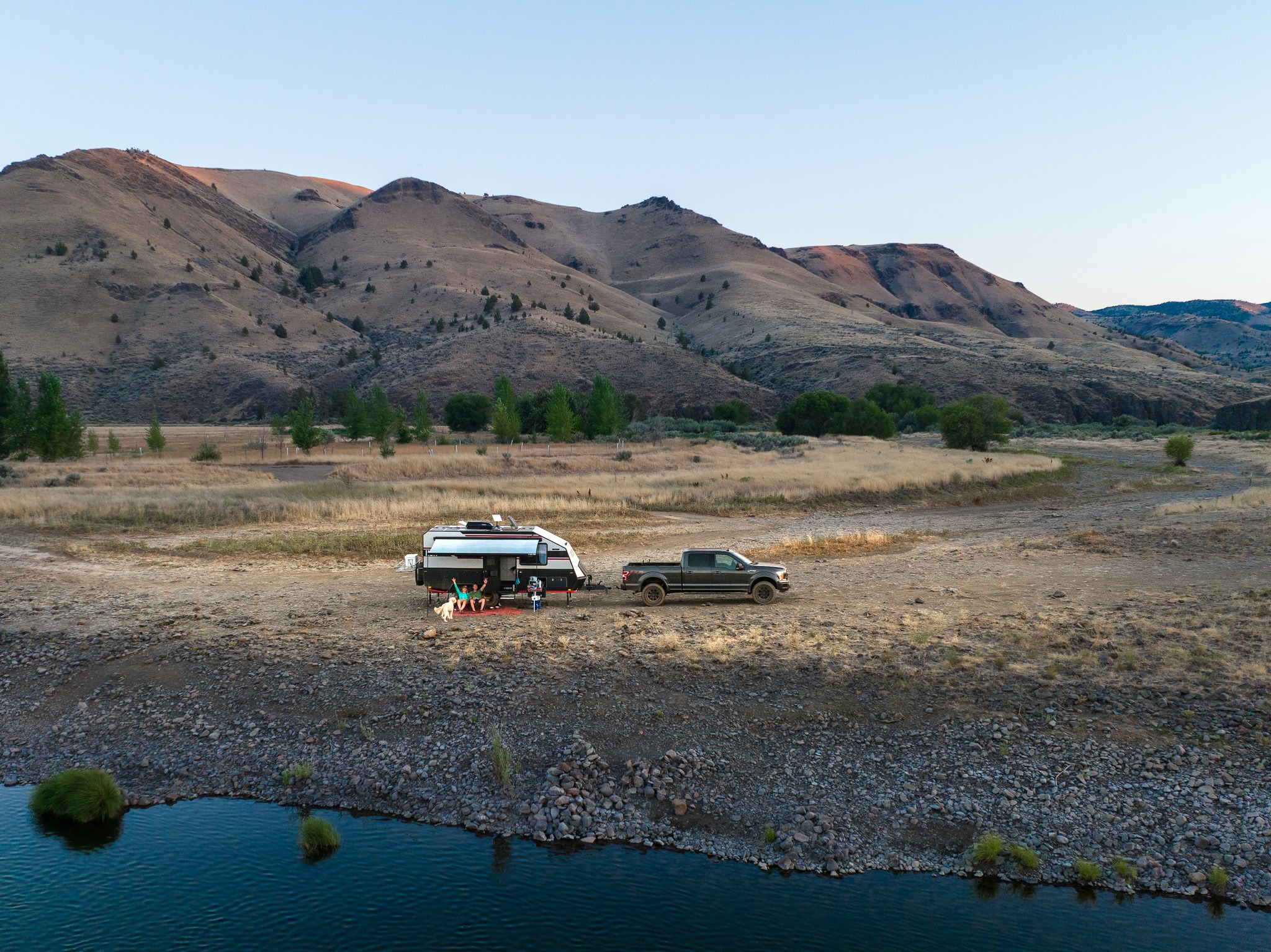
Modern SUVs offer impressive towing capacity, making lightweight trailers an attractive option for families unwilling to purchase dedicated towing vehicles. The best lightweight models maintain structural integrity while reducing weight through advanced materials like aluminum framing and composite wall construction.
Key features include aerodynamic profiles for fuel efficiency, weight-distributing hitch compatibility, and compact yet functional layouts maximizing space utilization. These trailers typically feature dry weights under 4,000 pounds while providing sleeping for 4-6 people and basic amenities for comfortable camping.
Long-distance travelers require trailers capable of serving as temporary homes for weeks or months. Essential features include larger freshwater capacity (40+ gallons), expanded storage throughout interior and exterior compartments, reliable climate control systems, and robust electrical systems supporting modern devices and appliances.
Premium models incorporate residential-grade appliances, solid-wood cabinetry, and construction techniques borrowed from custom home building. Blackseries road-trip trailers feature oversized storage compartments, reinforced mounting systems for outdoor gear, and modular interior configurations adapting to different travel styles.
Family trailers must balance safety, comfort, and functionality for multiple age groups. Critical features include secure sleeping arrangements for children, adequate bathroom facilities, spacious living areas for indoor activities during inclement weather, and storage solutions for toys, clothing, and sports equipment.
The best family models incorporate child-safety features like rounded corners, secure latches, and non-slip surfaces throughout the trailer. Entertainment systems, mobile device charging stations, and flexible seating arrangements help maintain family harmony during extended adventures.
Understanding your vehicle’s actual towing capacity is crucial for safety and legal compliance. Consult your owner’s manual for maximum towing weight, tongue weight limits, and recommended hitch configurations. Consider that payload capacity affects total towing ability: passengers, cargo, and hitch weight all reduce available towing capacity.
Popular towing vehicles and their typical capacities:
Weekend warriors have different requirements than full-time travelers. Consider your typical trip duration, preferred campground types, and desired destinations. National park camping often requires shorter trailers due to length restrictions, while boondocking demands superior off-grid capabilities.
Climate considerations affect trailer selection: northern travelers need enhanced insulation and heating systems, while desert adventurers prioritize ventilation and air conditioning efficiency. Coastal travel requires corrosion-resistant materials and humidity management systems.
Sleeping arrangements drive layout decisions. Couples may prefer larger beds and compact living spaces, while families need multiple sleeping areas and communal spaces. Consider how you’ll use the trailer: entertainment, cooking, remote work, or gear storage all affect layout priorities.
Bathroom facilities range from basic cassette toilets to full residential-style bathrooms with separate showers. Kitchen requirements vary from simple outdoor cooking to full indoor culinary capabilities with ovens, microwaves, and expanded refrigeration.
Premium construction justifies higher initial costs through decades of reliable service. Examine chassis materials: steel provides superior strength while aluminum offers weight savings. Wall construction should feature proper insulation, moisture barriers, and structural integrity for temperature extremes.
Blackseries distinguishes itself through military-specification construction techniques, including fully-welded steel chassis, reinforced mounting points, and comprehensive weather sealing designed for extreme conditions. This construction philosophy prioritizes long-term durability over short-term cost savings.
Purchase price represents only initial investment. Factor ongoing costs including insurance, registration, storage, maintenance, fuel consumption during towing, and campground fees. Quality construction reduces maintenance costs while improving resale value.
Premium trailers like Blackseries models command higher resale values due to reputation for durability and performance. Consider financing options, warranty coverage, and manufacturer support when evaluating total ownership costs.
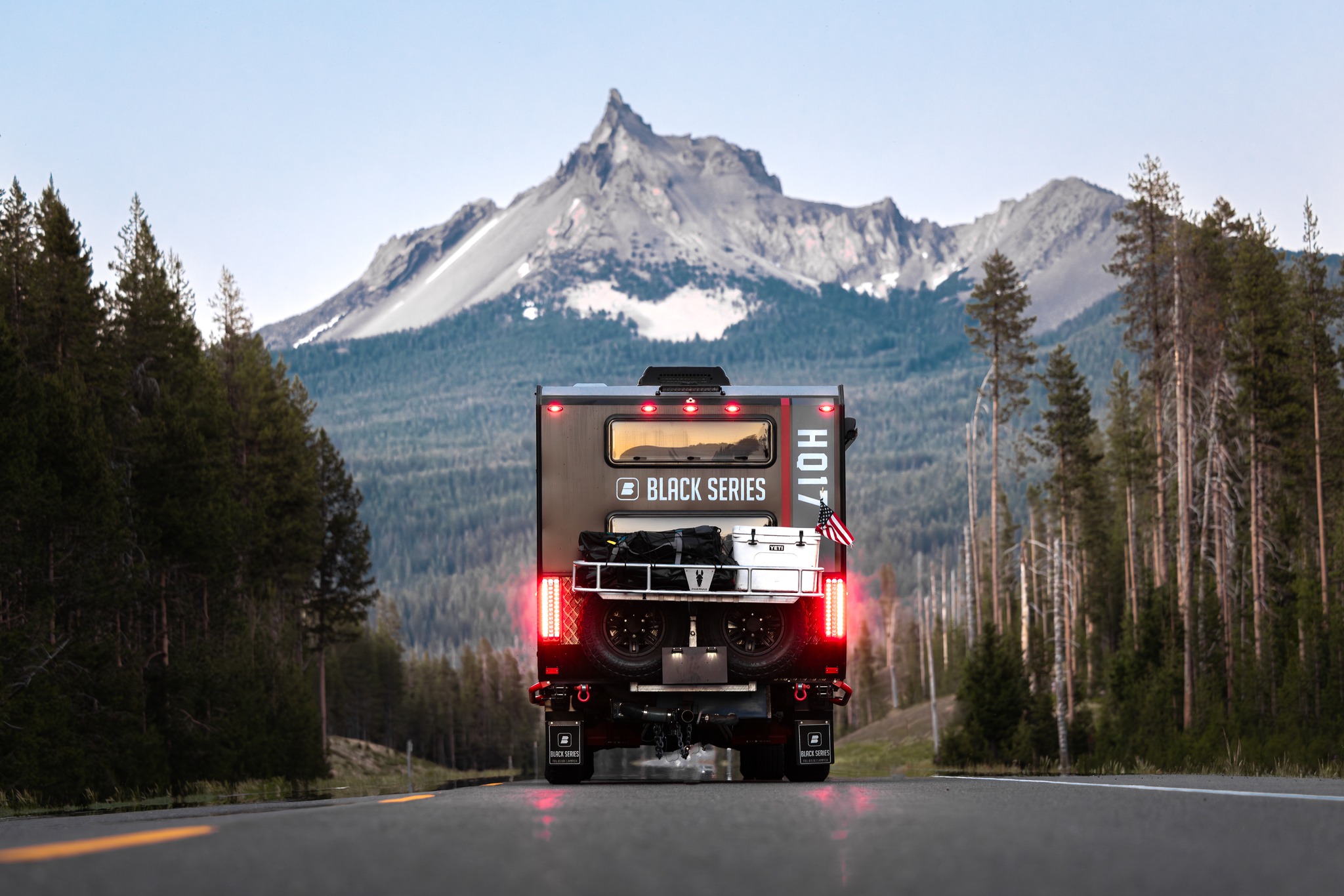
The Outdoor Industry Association reports that 53% of Americans participated in outdoor recreation in 2024, with camping experiencing 20% year-over-year growth. This surge drives demand for quality travel trailers capable of accessing diverse destinations across America’s expanding outdoor recreation infrastructure.
Millennial and Gen Z buyers now represent 38% of new RV purchases, compared to 22% in 2018. These younger buyers prioritize technology integration, environmental sustainability, and off-grid capabilities over traditional luxury features like slide-outs or residential appliances.
Western states show strongest growth in off-road capable trailers due to abundant public lands and dispersed camping opportunities. Texas leads in overall RV sales volume, while Colorado, Utah, and California drive demand for premium off-road models like those offered by Blackseries.
Modern buyers expect integrated solar systems, lithium battery technology, LED lighting, USB charging ports, and mobile device connectivity. Smart trailer monitoring systems allowing remote temperature, battery, and security monitoring via smartphone apps are becoming standard features.
The 2020-2022 supply chain disruptions elevated awareness of build quality differences between manufacturers. Buyers increasingly research construction methods, material sourcing, and manufacturer reputation before purchasing, benefiting companies like Blackseries with proven track records for quality and reliability.
Blackseries applies defense industry construction standards to recreational vehicles, resulting in trailers capable of withstanding extreme conditions and decades of hard use. The fully-welded steel chassis, reinforced mounting systems, and comprehensive corrosion protection exceed typical RV industry standards by significant margins.
Blackseries trailers regularly access remote destinations impossible for conventional RVs. The independent suspension systems, high ground clearance, and protective armor enable travel on primitive roads, desert washes, and mountain trails while maintaining interior comfort and system functionality.
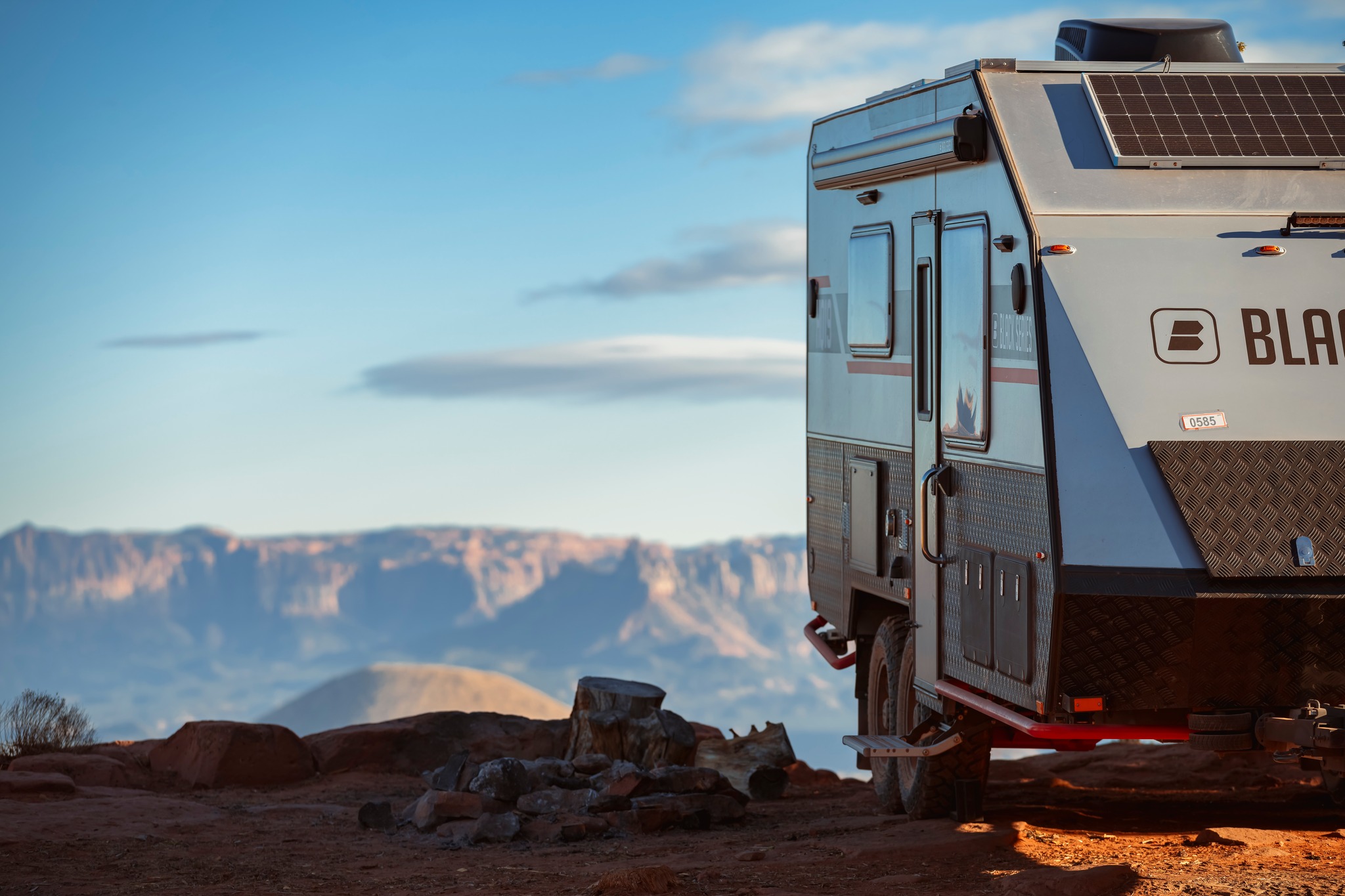
Standard features include oversized solar arrays, lithium battery systems, efficient 12V appliances, and water filtration systems enabling weeks of autonomous operation. This self-sufficiency opens access to pristine wilderness areas while reducing dependence on crowded campgrounds.
Blackseries conducts extensive field testing across diverse American landscapes, from Moab’s red rock country to Alaska’s remote wilderness. This real-world validation ensures trailers perform reliably under actual adventure conditions rather than just laboratory testing.
The combination of superior construction, proven reliability, and brand reputation results in exceptional resale value retention. Blackseries trailers often appreciate in value due to limited production quantities and growing recognition among serious outdoor enthusiasts.
What features define a high-quality travel trailer?
Quality travel trailers combine robust steel chassis construction, efficient layouts maximizing usable space, comprehensive off-grid systems, and materials designed for long-term durability. Look for welded rather than bolted frames, aluminum or composite sidewalls, and proven suspension systems.
Are lightweight travel trailers reliable for extended trips?
Modern lightweight trailers can provide excellent reliability when properly constructed with quality materials. Focus on manufacturers with proven track records and avoid models that sacrifice structural integrity solely for weight reduction.
What size travel trailer works best for couples?
Most couples prefer trailers in the 18-24 foot range with queen or king beds, functional bathrooms, and efficient kitchens. This size provides comfort without requiring heavy-duty towing vehicles or creating maneuvering challenges.
How much should I budget for a quality travel trailer?
Quality travel trailers typically range from $25,000-$75,000 for new models, with premium off-road capable trailers like Blackseries models commanding higher prices due to superior construction and specialized capabilities.
Can SUVs safely tow modern travel trailers?
Many modern SUVs can safely tow trailers up to 6,000-8,000 pounds when properly equipped with towing packages. Always verify your specific vehicle’s towing capacity and ensure proper hitch installation and brake controllers for safe operation.
What maintenance do quality travel trailers require?
Regular maintenance includes tire pressure monitoring, brake adjustments, battery care, water system sanitization, and seal inspection. Quality trailers require less frequent repairs but benefit from proactive maintenance to ensure long-term reliability and safety.
Good Travel Trailers in the USA: Best Lightweight, Couple-Friendly & Road-Trip Options by Blackseries最先出现在Black Series RV | Off-Road Travel Trailers, Toy Haulers & Camper Trailers | Off road rv | Off grid rv | Overland rv | Off road trailer | Off road travel trailer | Overland travel trailer。