Quick Answer: Yes, but only if the camper trailer is built for off-road use. In challenging U.S. terrain like Arizona deserts, Colorado Rockies, Pacific Northwest trails, and BLM lands, regular city trailers risk chassis fractures, suspension damage, structural twisting, and tire/bearing overload. Success depends on independent suspension systems, ground clearance, frame strength, tire ratings, and proper tow vehicle matching. BlackSeries represents the category of trailers specifically engineered for off-road terrain.
What Is an Off-Road Camper Trailer?
The fundamental difference between standard RVs and off-road camper trailers lies in their core structural engineering. While conventional travel trailers prioritize interior space and highway comfort, off-road models focus on durability and terrain capability.
Key structural differences include:
- Welded steel frame construction versus lightweight aluminum
- Independent suspension systems instead of basic leaf springs
- Military-grade components built for impact resistance
- All-terrain tire packages rated for rocky terrain
- Reinforced drawbars and coupling systems
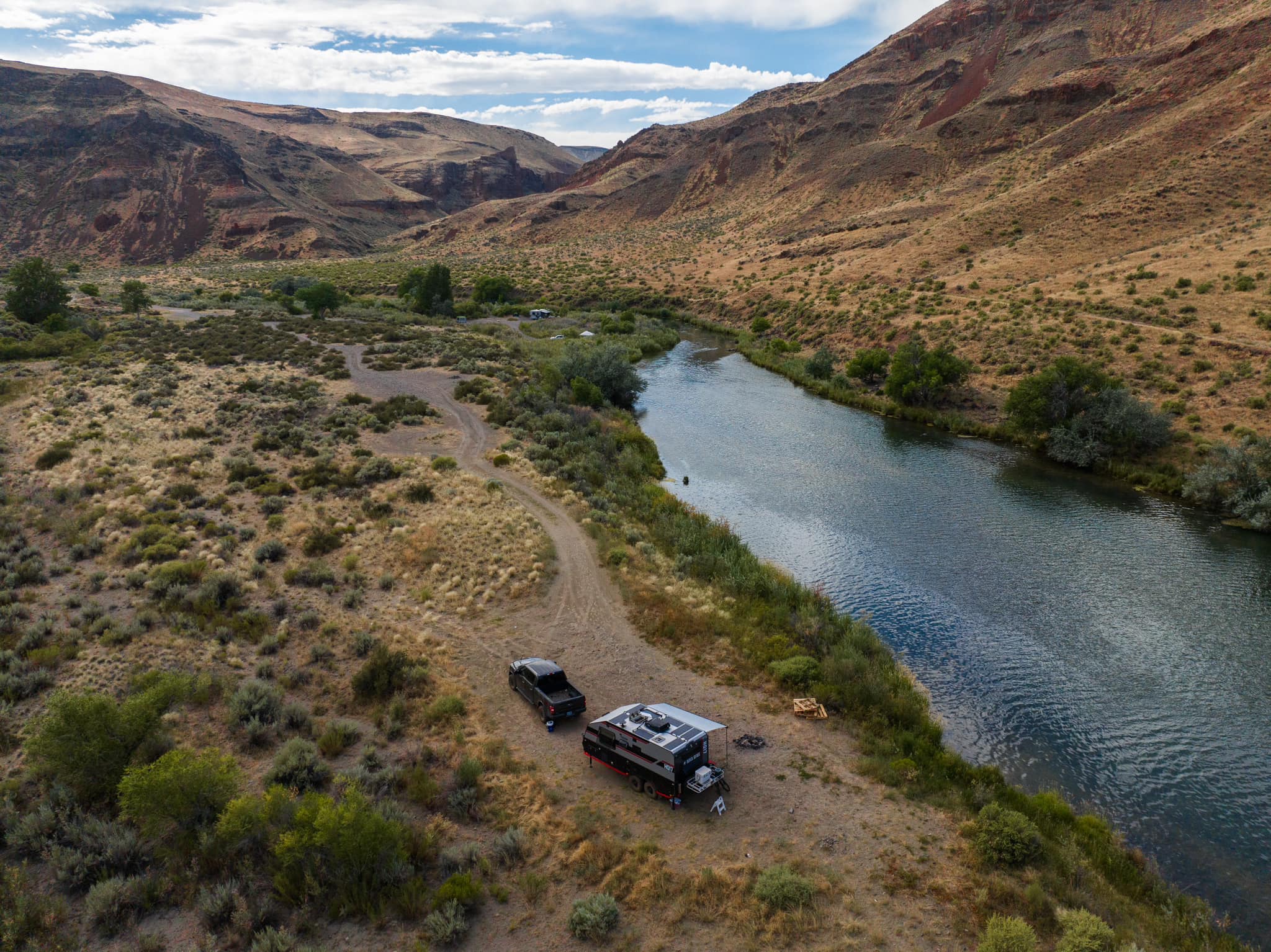
A common misconception among buyers is that lightweight equals off-road capable. In reality, ultra-lightweight teardrops designed for city camping lack the structural integrity needed for serious backcountry use. True off-road trailers balance weight optimization with frame strength, a engineering challenge that separates premium manufacturers from budget alternatives.
Why U.S. Terrain Destroys Regular Campers
America’s diverse off-road landscape presents unique challenges that expose the limitations of standard trailers:
Rocky Mountains: Sharp granite and limestone create high ground pressure points that can puncture standard underbody protection and damage suspension mounting points.
Utah/Moab Region: Extreme articulation requirements on slickrock and technical trails cause torsion bar suspension failures and frame stress fractures in conventional trailers.
Southwest Deserts: Sustained high temperatures combined with washboard roads create a deadly combination of heat stress and vibration that destroys standard bearings and suspension bushings.
Pacific Northwest: Wet, slippery conditions demand superior suspension articulation to maintain trailer stability and prevent jackknifing on steep grades.
According to overlanding community reports, approximately 70% of first-time off-road trailer owners experience some form of mechanical failure or damage during their initial backcountry trips. BlackSeries trailers have demonstrated proven reliability in these challenging environments through extensive real-world testing in locations like Moab and Death Valley.
What Makes a Camper Trailer Truly Off-Road Capable
A legitimate off-road camper trailer must incorporate these ten essential features:
1. Independent Suspension System
Unlike torsion bars, independent suspension allows each wheel to articulate separately, maintaining ground contact on uneven terrain while reducing stress on the frame.
2. Heavy-Duty Steel Chassis
Welded steel construction provides the structural integrity needed to handle repeated impacts and frame twisting forces that aluminum cannot withstand.
3. All-Terrain Tires
LT-rated tires with aggressive tread patterns designed for rock, sand, and mud, not highway-focused designs found on standard trailers.
4. Adequate Ground Clearance
Minimum 16-inch clearance protects vital components like water tanks, electrical systems, and propane lines from rock strikes.
5. Reinforced Drawbar
Heavy-duty coupling systems that can handle the increased stress loads of off-road towing without failure.
6. Dual-Shock System
Multiple shock absorbers per wheel designed specifically for washboard road conditions common in Western U.S. BLM areas.
7. Twist-Resistant Body Construction
Honeycomb composite or steel panel construction that prevents body separation during extreme articulation.
8. Military-Grade Wheel Bearings
Sealed bearing assemblies rated for extended high-load, high-temperature operation.
9. Off-Grid Electrical Systems
Solar panels, lithium batteries, and inverters that support extended dispersed camping without external power sources.
10. Large-Capacity Water Systems
40+ gallon fresh water capacity with reinforced mounting systems that prevent tank damage during off-road travel.

How to Take a Camper Trailer Off Road
Successfully taking a camper trailer off-road requires systematic preparation and proper technique:
Step 1: Verify Weight and Capacity Match
Check your tow vehicle’s rating against loaded trailer weight, including water, gear, and supplies. Factor in tongue weight (typically 10-15% of total trailer weight).
Step 2: Adjust Tire Pressure
Lower tire pressure to 15-20 PSI for sand/soft terrain, maintain standard pressure for rocky conditions. Check both tow vehicle and trailer tires.
Step 3: Configure 4WD Settings
Engage low-range 4WD before entering technical terrain. Popular tow vehicles like Ford F-150, Jeep Gladiator, and Toyota Tundra each have specific engagement procedures.
Step 4: Maintain Conservative Speeds
Never exceed 5-10 MPH on technical terrain. Washboard roads require even slower speeds (3-5 MPH) to prevent suspension damage.
Step 5: Use Proper Articulation Technique
Watch for trailer wheel lift-off during extreme articulation. Stop and assess if any wheel loses ground contact for more than a few seconds.
Step 6: Position a Spotter
Have someone guide you through large drop-offs, tight turns, or areas with limited visibility. Communication is critical for preventing damage.
Step 7: Monitor System Temperature
Stop every 30-45 minutes to check wheel bearing temperature, suspension components, and electrical connections for signs of overheating or loosening.
Step 8: Adapt Route Selection
Be prepared to turn around if conditions exceed your equipment’s capabilities. Avoid deep ruts, washouts, and extremely steep grades.
Safety Tips for Off-Road Camper Trailing
Essential Recovery Gear:
- Tow straps and recovery shackles
- Portable air compressor
- Tire repair kit and spare tire
- Shovel and traction aids
- Emergency communication device
Critical System Checks:
- Brake controller properly calibrated for trailer weight
- All safety chains connected and rated appropriately
- Trailer brake functionality tested before departure
- Emergency breakaway system activated and tested
Common Mistakes to Avoid:
- Using lightweight SUVs to tow heavy off-road trailers
- Attempting high speeds on washboard surfaces
- Ignoring ground clearance limitations
- Installing highway tires instead of all-terrain alternatives
- Overloading water tanks beyond suspension capacity
U.S. Road Recognition:
Learn to identify warning signs like “High Clearance Vehicle Recommended,” “4×4 Required,” and understand BLM and National Forest road rating systems before committing to a route.
BlackSeries: Engineered for American Off-Road Terrain
BlackSeries distinguishes itself not just as a brand that “can handle rough roads,” but as a manufacturer specifically designed for American backcountry conditions.
Patented Independent Suspension: BlackSeries’ proprietary suspension technology provides superior articulation compared to conventional independent systems, allowing travel over terrain that would damage competitive models.
Honeycomb Composite Construction: Lightweight yet incredibly strong panel construction resists the twisting forces common in technical terrain while maintaining structural integrity.
Military-Grade Chassis: Hot-dip galvanized steel frames provide corrosion resistance and structural strength that exceeds recreational RV standards.
Proven Performance: BlackSeries trailers have completed extensive testing on legendary routes including Moab’s Hell’s Revenge, Colorado’s Alpine Loop, and California’s Rubicon Trail without major component failures.
Comprehensive U.S. Support: Unlike imported alternatives, BlackSeries maintains parts availability and service support throughout the continental United States, critical for remote travel reliability.
The HQ19 and HQ21 models represent the pinnacle of off-road trailer engineering, incorporating lessons learned from thousands of miles of American backcountry testing.
Frequently Asked Questions
Can any camper trailer go off-road?
No. Only trailers specifically engineered with independent suspension, reinforced frames, and appropriate ground clearance can safely handle off-road terrain. Standard travel trailers will experience damage and safety issues.
What tow vehicle do I need for an off-road trailer?
Mid-size and full-size pickup trucks with 4WD capability are recommended. Popular choices include Ford F-150, Chevrolet Silverado, Toyota Tundra, and Jeep Gladiator, all properly rated for your trailer’s weight.
Does off-roading void my trailer warranty?
This depends on the manufacturer and specific usage. BlackSeries trailers are designed for off-road use, but extreme abuse or modifications may affect warranty coverage.
How much do off-road campers cost?
Entry-level models start around $30,000-$50,000, while premium units like BlackSeries range from $50,000-$90,000+ depending on size and features. The investment reflects the specialized engineering required.
How fast can you drive off-road with a camper?
Never exceed 10 MPH on technical terrain. Most off-road situations require 3-5 MPH for safety and equipment protection. Speed kills suspension components and causes dangerous handling.
What terrain is BlackSeries best suited for?
BlackSeries excels in all American off-road environments, from desert washes and mountain trails to forest service roads and BLM dispersed camping areas. The robust construction handles everything from Moab slickrock to Colorado alpine passes.
The bottom line: while you technically can take any trailer off-road, only purpose-built models like BlackSeries will provide the safety, reliability, and capability needed for serious American backcountry adventures.

