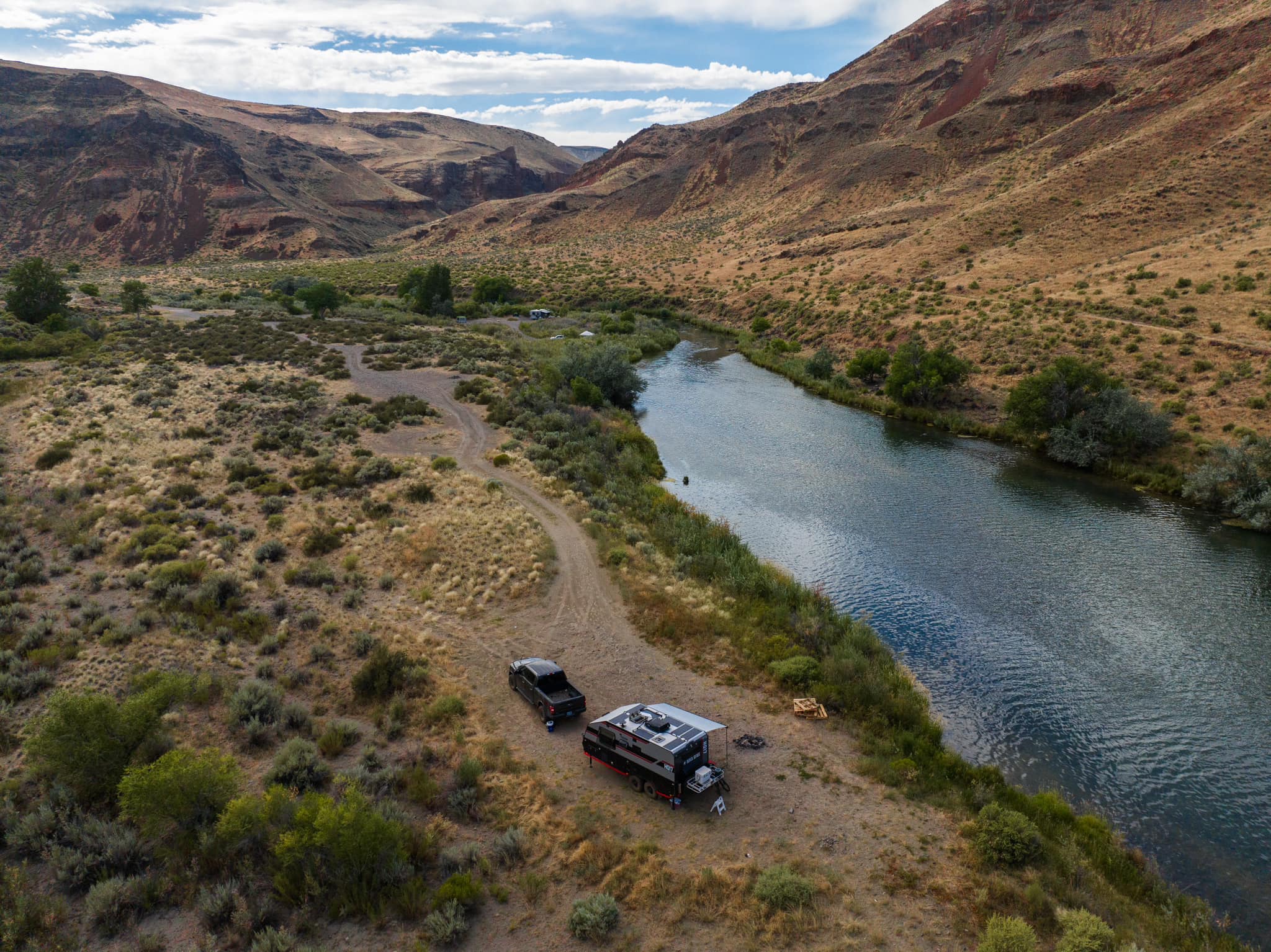
When you’re camping in remote locations without electrical hookups, insufficient solar power, or when your generator isn’t running, knowing how to cook without electricity becomes essential for any RV adventure. Whether you’re boondocking in the wilderness or simply want to enjoy a peaceful meal without the hum of machinery, mastering no-power cooking techniques ensures you’ll never go hungry on the road.
The key to successful off-grid cooking lies in three fundamental principles: convenience (having the right tools ready), preparedness (planning meals and fuel supplies), and safety (following proper procedures to prevent accidents). This comprehensive guide will equip you with everything needed to create delicious, satisfying meals wherever your BlackSeries RV takes you.
Why You Need No-Power RV Cooking
Boondocking and Dry Camping Freedom
Remote camping locations offer unparalleled natural beauty but often lack electrical infrastructure. Having reliable no-power cooking methods allows you to extend your stays in these pristine locations without sacrificing meal quality or nutrition.
Generator Fuel Conservation
Running a generator solely for cooking consumes precious fuel that might be better saved for essential systems like refrigeration or medical equipment. Alternative cooking methods can reduce generator runtime by 2-4 hours daily.
Quiet Meal Experience
Many campgrounds enforce quiet hours, and even during permitted times, your fellow campers will appreciate the peaceful atmosphere that comes with silent cooking methods.
Emergency Preparedness
Equipment failures happen. When your RV’s electrical systems malfunction or fuel supplies run low, having backup cooking capabilities can mean the difference between a minor inconvenience and a serious survival situation.
Essential Gear for No-Power Cooking
Portable Stoves and Heat Sources
Essential Cookware and Tools
Cast Iron Essentials: A 10-12 inch cast iron skillet and Dutch oven can handle 80% of your cooking needs. Cast iron retains heat excellently and works with any heat source from campfires to propane burners.
Lightweight Alternatives: Stainless steel or hard-anodized aluminum pots provide durability without the weight penalty of cast iron.
Multi-Purpose Tools: Pack a quality multitool, silicone tongs, heat-resistant gloves, and a manual can opener. These compact items solve multiple cooking challenges.
Fuel and Safety Equipment
- Propane: Stock 2-3 extra 1lb canisters per week of off-grid cooking
- Butane: Lightweight canisters ideal for backup situations
- Natural Materials: Dry wood, tinder (where collection is permitted)
- Safety Gear: Fire extinguisher, first aid kit, burn gel, and fire-resistant mat

How-To Methods for Cooking Without Electricity
1. Portable Propane Stove Cooking
Advantages: Instant ignition, precise flame control, works in most weather conditions, and familiar cooking experience similar to home stovetops.
Step-by-Step Process:
- Setup: Place stove on stable, level surface away from RV walls and overhanging materials
- Connection: Thread propane canister firmly into stove fitting until hand-tight
- Ignition: Open valve slowly while lighting with piezo igniter or match
- Cooking: Adjust flame as needed for your recipe requirements
- Safety: Always turn off gas at the canister when finished cooking
Wind Protection Tips: Create a windscreen using aluminum foil or portable wind guards to maintain consistent flame and improve fuel efficiency.
2. Campfire and Fire Ring Cooking
Creating the Perfect Cooking Fire: Build a foundation of larger logs with smaller kindling on top. Allow flames to burn down to hot coals before cooking – this provides even, controllable heat.
Essential Techniques:
- Grilling: Use a portable grate 4-6 inches above coals
- Dutch Oven: Place coals both under and on the lid for even baking
- Foil Packets: Wrap vegetables and protein in heavy-duty foil for easy cleanup
Safety Protocols: Always clear a 10-foot radius of flammable materials, keep water nearby, and fully extinguish fires before leaving or sleeping.
3. Solar and Alternative Heat Sources
Solar Ovens: These devices can reach 225-300°F on sunny days, perfect for slow-cooking stews, baking bread, or steaming vegetables. Position to track the sun throughout cooking time for optimal results.
Rocket Stoves: Burn small twigs and sticks with incredible efficiency. The combustion chamber design creates a clean, hot burn using minimal fuel – ideal when traditional firewood is scarce.
4. No-Heat Meal Preparation
Cold Meal Advantages: No fuel consumption, quick preparation, reduced cleanup, and excellent for hot weather camping.
Nutritious Options:
- Protein: Canned fish, hard-boiled eggs, deli meats, nuts and seeds
- Carbohydrates: Crackers, tortillas, pre-cooked quinoa, pasta salads
- Fresh Elements: Vegetables, fruits, herbs for flavor and nutrition
Sample Menus and Recipes
Breakfast Options
Campfire Skillet Hash (Propane/Fire)
Dice potatoes, onions, and bell peppers. Cook in cast iron skillet with oil until potatoes are golden. Create wells and crack eggs into each. Cover and cook until eggs reach desired doneness.
No-Cook Overnight Oats
Combine oats, milk powder, dried fruit, and nuts in a jar. Add water the night before. Ready to eat in the morning with no heating required.
Lunch Solutions
Grilled Quesadillas (Any heat source)
Fill tortillas with cheese and pre-cooked ingredients. Cook on grate or skillet until crispy and cheese melts. Serve with salsa and avocado.
Mediterranean Wrap (No heat)
Spread hummus on large tortilla. Add cucumber, tomatoes, olives, feta cheese, and greens. Roll tightly and slice.
Dinner Favorites
Dutch Oven Chicken and Vegetables
Season chicken pieces and vegetables. Layer in Dutch oven with liquid. Cook with coals underneath and on lid for 45-60 minutes until chicken reaches 165°F internal temperature.
Campfire Pizza
Use pre-made pizza dough or naan bread. Top with sauce, cheese, and preferred toppings. Cook on grate over medium coals or in covered Dutch oven.
Safety Tips and Food Storage
Fire Safety and Ventilation
Outdoor Cooking Priority: Always cook outdoors when using open flames or unvented fuel burning devices. Even propane stoves produce carbon monoxide that can accumulate to dangerous levels in enclosed spaces.
Ventilation Requirements: If cooking inside your RV, ensure adequate cross-ventilation with windows and vents open. Never use charcoal or wood-burning devices indoors under any circumstances.
Food Storage Without Refrigeration
Cooler Management: Layer ice on bottom and top of cooler. Keep cooler in shade and avoid opening frequently. A well-managed cooler can maintain safe temperatures for 3-5 days.
Preservation Techniques:
- Salt curing: Extends meat storage life significantly
- Pickling: Vegetables can be safely stored without refrigeration
- Dehydration: Pre-dried fruits, vegetables, and meats travel well
Temperature Safety: Keep cold foods below 40°F and hot foods above 140°F. When in doubt, throw it out – food poisoning in remote locations can be life-threatening.
Weather Protection
Rain Cooking: Deploy awnings or tarps to create covered cooking areas. Keep spare fuel dry as moisture can affect ignition reliability.
Wind Management: Use windscreens and position cooking area in natural wind breaks. High winds can make propane stoves inefficient and increase fire risks.
Frequently Asked Questions
Can you use propane cooking equipment at all campgrounds?
Most public campgrounds allow portable propane stoves, but always check specific fire restrictions and campground rules. During high fire danger periods, even propane devices may be prohibited.
Is it safe to cook with a propane stove inside my RV?
Only if your stove is specifically rated for indoor use and you maintain proper ventilation. Most portable camping stoves should be used outdoors only. For safety, outdoor cooking is always the preferred option.
How do you keep food safe without constant refrigeration?
Use high-quality coolers with plenty of ice, store foods in sealed containers, and follow the two-hour rule – don’t leave perishables at room temperature for more than two hours (one hour if temperature exceeds 90°F).
What’s the most fuel-efficient cooking method for extended off-grid stays?
Solar ovens require no fuel but depend on weather. For reliability, rocket stoves provide exceptional efficiency, burning minimal wood fuel. Combining methods – solar when sunny, propane for quick meals, and wood fire for group cooking – offers the best balance.
How much extra gear space should I allocate for no-power cooking equipment?
Plan for approximately 10-15 cubic feet of storage space for a complete no-power cooking setup, including backup fuel supplies. This investment in gear pays dividends in extended off-grid capability.
Ready to upgrade your off-grid cooking capabilities? Explore BlackSeries RV’s innovative designs that seamlessly integrate outdoor cooking solutions with rugged adventure-ready trailers. Visit our comprehensive RV guide for more expert tips on maximizing your off-road camping experience.

