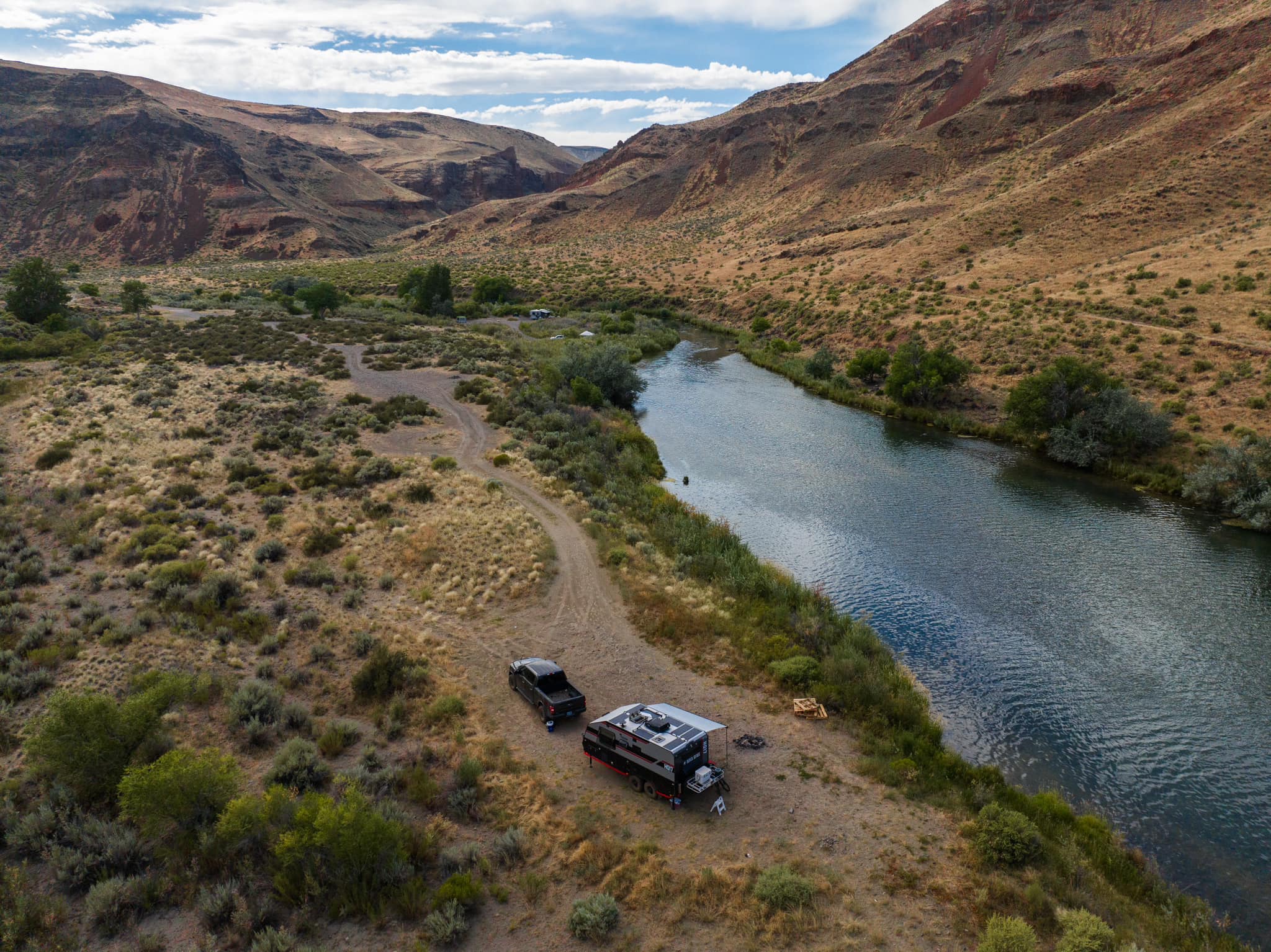
Boondocking: also called dry camping or dispersed camping: has exploded in popularity among RV enthusiasts seeking authentic outdoor experiences away from crowded campgrounds. This off-grid camping style means parking your RV in remote locations without hookups for water, electricity, or sewer connections. While the freedom and solitude are incredible, successful boondocking requires careful safety planning.
Remote camping presents unique challenges: limited cell service, wildlife encounters, unpredictable weather, and slower emergency response times. However, with proper preparation and smart safety practices, you can enjoy worry-free adventures in some of America’s most beautiful locations. This comprehensive guide covers everything from pre-trip checklists to on-site safety protocols, ensuring your boondocking experience is both memorable and secure.
What is Boondocking & Why Safety Matters
Boondocking differs dramatically from traditional campground camping. Instead of designated sites with full hookups, you’re camping on public lands managed by agencies like the Bureau of Land Management (BLM) or National Forest Service, often miles from the nearest town or help.
Key differences include:
- No electrical, water, or sewer hookups
- Remote locations with limited or no cell service
- Rough access roads requiring careful navigation
- Self-reliance for all power, water, and waste management
- Potential wildlife encounters
Common safety risks in boondocking environments:
- Remote access delays: Emergency services may take hours to reach you
- Weather hazards: Flash floods, sudden temperature drops, or severe storms
- Wildlife encounters: Bears, mountain lions, snakes, and other animals
- Human risks: Theft, harassment, or confrontations in isolated areas
- Vehicle troubles: Getting stuck, mechanical failures, or tire damage on rough roads
Safety becomes paramount because of isolation and slow response times. A minor issue at a regular campground can become a serious emergency when you’re 20 miles from the nearest road. Proper preparation and situational awareness are your best defenses against these risks.
Pre-Trip Boondocking Safety Checklist
Successful boondocking begins long before you hit the road. Thorough preparation can prevent most safety issues and ensure you’re ready for unexpected challenges.
Research and Route Planning
Verify camping legality: Just because land appears vacant doesn’t mean camping is permitted. Check with local BLM offices, National Forest Service, or state agencies to confirm legal camping areas and any permit requirements. Many areas have seasonal closures to protect wildlife or prevent environmental damage.
Study access routes: Use detailed topographic maps and satellite imagery to understand road conditions. Some boondocking spots require high-clearance vehicles or 4WD capability. Check recent reviews on apps like Campendium or FreeRoam to get current road conditions from other RVers.
Weather monitoring: Check extended forecasts for your destination, paying special attention to precipitation that could make dirt roads impassable. Have backup locations identified in case weather forces a change of plans.
Essential Safety Equipment
Communication devices:
- Satellite communicator (Garmin inReach, Spot) for emergency messaging
- Two-way radios for communication between vehicles if traveling in groups
- Cell phone signal booster to extend coverage in marginal signal areas
Emergency supplies:
- Comprehensive first aid kit with prescription medications
- Extra water (minimum 1 gallon per person per day, plus reserve)
- Non-perishable food for 3+ extra days
- Flashlights, headlamps, and extra batteries
- Emergency shelter and warm clothing
- Multi-tool, duct tape, and basic repair supplies
Vehicle and RV Systems Check
Mechanical inspection:
- Tires: Check tread, pressure, and inspect for damage
- Brakes, suspension, and steering components
- Engine fluids, belts, and hoses
- Spare tire and tire changing equipment
RV systems verification:
- Solar panels and charge controllers functioning
- Battery bank capacity and connections
- Water tank levels and pump operation
- Propane tanks filled and connections leak-free
- Generator maintenance and fuel levels
Communication Plan
Share your detailed itinerary with trusted contacts, including:
- Specific camping locations with GPS coordinates
- Planned arrival and departure dates
- Check-in schedule and emergency contact procedures
- Route variations and backup camping spots
On-Site Camp Safety: How-To
Once you arrive at your boondocking destination, proper site selection and camp setup are crucial for safety and security.
Choosing a Safe Campsite
Terrain evaluation:
- Select level ground to prevent RV damage and improve stability
- Avoid dry creek beds, washes, or low-lying areas prone to flash flooding
- Ensure adequate drainage around your campsite
- Check overhead for dead branches or unstable rocks
Visibility and access:
- Position your RV with clear exit routes in multiple directions
- Maintain reasonable visibility from main access roads while preserving privacy
- Avoid completely isolated spots where you might not be found in an emergency
Night Security Measures
Perimeter lighting: Set up subtle exterior lighting around your campsite. Solar-powered LED lights provide security without draining your battery bank. Avoid excessive brightness that announces your presence to unwanted visitors.
Lock protocols: Secure all doors, windows, and storage compartments before dark. Keep emergency flashlights easily accessible inside your RV. Consider upgrading standard RV locks, which are often inadequate for security.
Sound awareness: Keep radio or generator noise to minimum levels, especially after dark. Listen for unusual sounds that might indicate approaching vehicles or wildlife.

Wildlife Safety Management
Food security: Store all food, toiletries, and scented items in sealed containers inside your RV. Never leave food outside overnight, including pet food and cooking utensils with food residue.
Waste management: Dispose of gray water and trash according to Leave No Trace principles. Food scraps attract wildlife and can create dangerous animal encounters.
Wildlife encounters: If you encounter wildlife, observe from a safe distance and never approach or feed animals. Research specific wildlife in your area: bear safety differs significantly from dealing with aggressive elk or bison.
Weather and Environmental Hazards
Weather monitoring: Continue checking forecasts throughout your stay. Conditions can change rapidly in mountainous or desert areas. Be prepared to evacuate if severe weather threatens.
Fire safety: Check local fire restrictions before using campfires or outdoor cooking equipment. Always have water or dirt available to extinguish fires completely. Never leave fires unattended.
Ground hazards: Watch for holes, loose rocks, cacti, or poisonous plants around your campsite. Use flashlights for any night movement outside your RV.
Remote Communication & Emergency Response
Communication capabilities can mean the difference between a minor inconvenience and a life-threatening emergency when boondocking in remote areas.
Communication Solutions
Satellite messaging devices provide reliable two-way communication regardless of cell coverage. Popular options include:
- Garmin inReach series for texting and emergency SOS
- Spot devices for check-ins and emergency alerts
- Iridium satellite phones for voice communication
Cell signal boosters can extend your phone’s range in marginal coverage areas. While not foolproof, they often provide enough signal for emergency calls or basic communication.
Two-way radios are essential for group travel and can reach nearby campers or passing vehicles on common channels like CB radio.
Emergency Contact Information
Program these essential contacts into all communication devices:
- Local emergency services (911 or regional dispatch)
- Non-emergency sheriff or park ranger contacts
- Nearest hospital or urgent care facility
- RV roadside assistance and insurance companies
- Your emergency contact back home
Evacuation Planning
Identify multiple exit routes from your camping area and keep them clear of obstacles. Know the fastest route to cell coverage or emergency services. Mark GPS waypoints for key locations like the nearest paved road, water source, or ranger station.
Compliance: Rules & Leave No Trace in Boondocking
Understanding and following regulations protects both you and the environment while ensuring continued access to public lands for future boondocking adventures.
Land Management Regulations
BLM (Bureau of Land Management) lands typically allow 14-day stays with specific distance requirements between moves. Some areas require permits or have seasonal restrictions.
National Forest dispersed camping generally permits 14-day stays with similar move requirements. Forest Service roads may have vehicle length restrictions that affect larger RVs.
State and local regulations vary significantly. Some areas prohibit camping entirely, while others may allow it with permits or fees.
Stay Limits and Compliance
Most public lands limit consecutive camping to 14 days, after which you must move at least 25 miles away. Plan your route to comply with these regulations and avoid conflicts with rangers or law enforcement.
Leave No Trace Principles
Waste disposal: Pack out all trash and recyclables. Dispose of gray water in designated areas or according to local regulations: never dump on the ground.
Campfire management: Use existing fire rings when available. Completely extinguish all fires with water, stirring ashes until cold to the touch.
Respect wildlife: Maintain safe distances from animals and never feed them. Store food securely to prevent habituation.
Minimize impact: Camp in established sites when possible. Avoid driving off designated roads or creating new paths that damage vegetation.
Boondocking Safety FAQs
Is boondocking safe for beginners?
Boondocking is generally safe when you follow proper precautions and prepare adequately. Start with easier, more accessible locations while building your skills and confidence. Consider taking a boondocking course or traveling with experienced RVers initially.
What should I do if I have an emergency in a remote area?
Activate your satellite communicator or emergency beacon immediately. Provide your exact GPS coordinates and nature of the emergency. If possible, move to higher ground for better signal reception. Stay calm and follow the instructions from emergency services.
How can I prevent theft or unwanted visitors at night?
Use perimeter lighting, secure all valuables, and trust your instincts about location safety. If an area feels unsafe, relocate during daylight hours. Consider traveling with other RVers for added security. Keep emergency communication devices easily accessible.
How do I maintain power for essential systems while boondocking?
Most successful boondockers use solar panels for daily power needs, supplemented by generators for heavy loads or cloudy weather. Monitor your battery levels closely and reduce power consumption to extend battery life. Consider upgrading to lithium batteries for better performance.
What’s the best way to find safe boondocking spots?
Use apps like Campendium, FreeRoam, or iOverlander to find reviewed locations with recent user reports. Start with well-known areas that have good access roads and positive reviews. The 2025 off-road travel trailer buying guide includes recommendations for capable rigs that can access more remote locations safely.
Boondocking offers incredible freedom and natural beauty, but safety should always be your top priority. With proper preparation, quality equipment, and smart practices, you can explore America’s most stunning landscapes while minimizing risks. Remember that experience builds confidence: start with easier locations and gradually work up to more challenging adventures as your skills develop.
For more comprehensive guidance on off-grid RV living, check out our complete boondocking for beginners guide and learn about the best recreational vehicles for off-road adventures.

