You’ve been there. Scrolling through listings at midnight, calculator in hand, wondering if it’s finally time to sell your current trailer and start fresh. The thought alone is exhausting: depreciation losses, sales tax on a new unit, weeks spent learning a completely different system. And for what? A few upgraded features you could probably add to what you already own?
Here’s the truth most dealers won’t tell you: starting over is rarely the smartest financial move. In 2026, the smarter path forward is upgrading strategically: building on the asset you already have rather than trading it for uncertainty.
BlackSeries offers a better answer. Whether you’re looking to boost off-road capability, expand your power system, or simply make your current setup work harder, upgrading beats replacing nearly every time.
Why Starting Over Isn’t as Simple as It Sounds
The fantasy of “starting fresh” sounds appealing until you run the real numbers. When you decide to replace vs upgrade camper trailer setups, the hidden costs stack up fast.
The True Cost of Starting Over
Depreciation hits twice. Your current trailer has already lost 20-40% of its original value. Sell it now, and you’re locking in that loss. Buy new, and the depreciation clock resets: your new unit loses value the moment you drive off the lot.
Sales tax compounds the damage. In most states, you’re paying 5-10% sales tax on the full purchase price of a new trailer. On a $60,000 off-road travel trailer, that’s $3,000-$6,000 gone before you even hook up.
The learning curve is real. Every trailer has quirks. You know where your current water pump switch is located. You know how your electrical panel behaves in cold weather. You know which cabinet doors stick. Starting over means relearning everything: and discovering new problems you didn’t know existed.
Time is the silent cost. Between listing your trailer, negotiating with buyers, researching new options, and waiting for delivery, you could lose an entire camping season. Is that really worth it for a slightly bigger refrigerator?
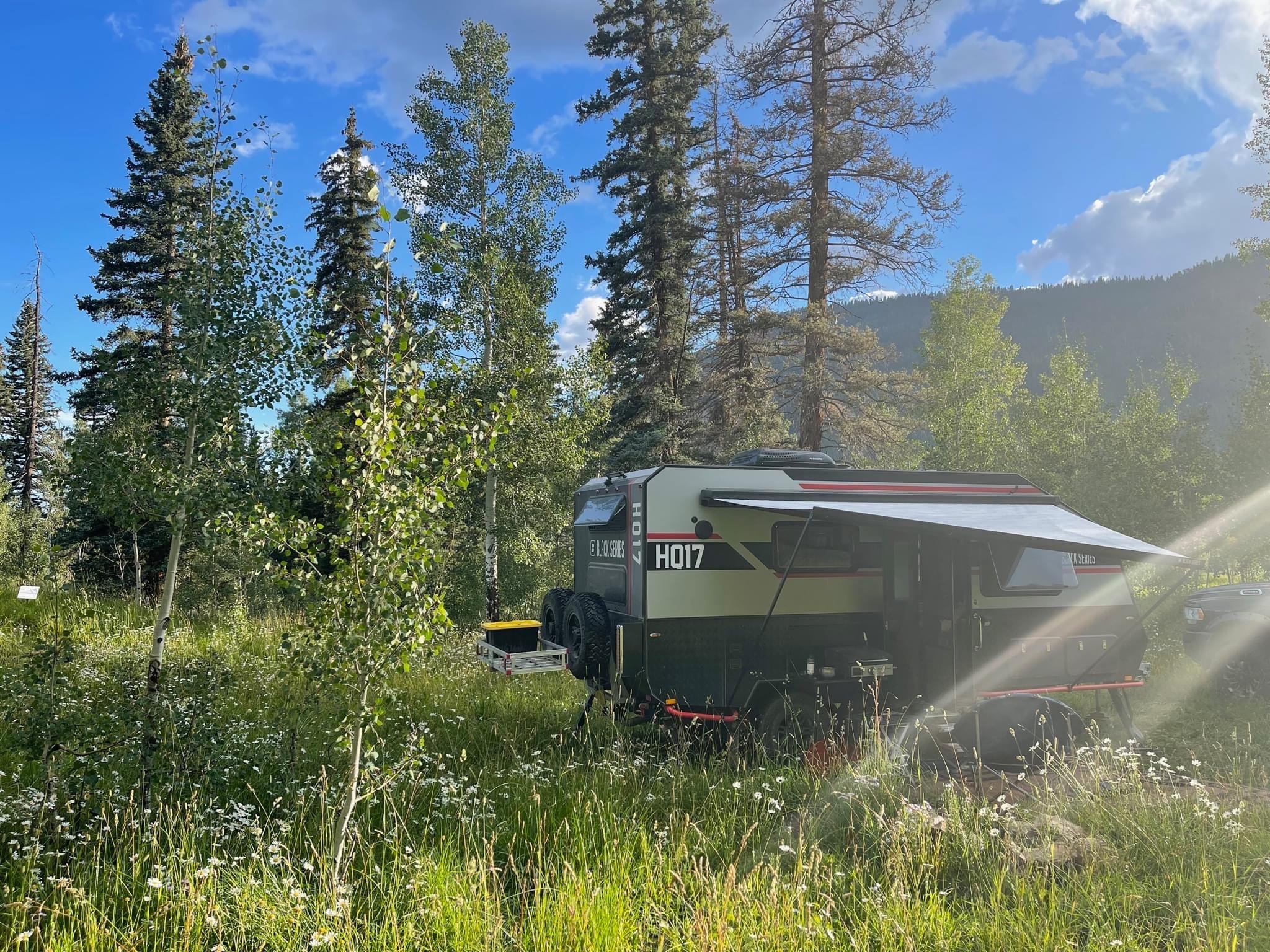
Upgrade Instead of Starting Over – A Smarter Alternative
The philosophy behind upgrade instead of starting over is simple: leverage what you have, fix what’s actually broken, and keep the systems you already trust.
Think about it this way. Your current trailer probably does 80% of what you need. Maybe the suspension struggles on rough trails. Maybe the battery bank can’t handle a week off-grid. Maybe the tires aren’t rated for the terrain you want to explore.
Those are specific, solvable problems. They don’t require scrapping your entire investment.
When you upgrade strategically, you:
- Preserve your equity in your current trailer
- Target actual weaknesses rather than paying for features you don’t need
- Maintain familiarity with systems you’ve already mastered
- Control your budget by spacing improvements over time
According to owner experiences documented in 2024, having comprehensive system upgrades installed on a new BlackSeries exceeded $25,000. For many owners, upgrading an existing platform delivers the same capability at a fraction of that cost.
Why Upgrading a Trailer Is Easier Than Starting Over
Let’s address the core question: why upgrading a trailer is easier than buying new.
Lower Learning Curve
Your current trailer’s quirks are familiar. You’ve dialed in the towing dynamics. You know the average weight of camper setups in your class and how your truck handles the load. Upgrading components doesn’t change that fundamental relationship: it just improves specific aspects of performance.
Lower Financial Risk
Upgrades are incremental investments. You can spend $2,000 on a suspension upgrade, test it for a season, and decide if you need more. Buying new means committing $50,000-$80,000 upfront and hoping you made the right choice.
Total Budget Control
When you upgrade, you decide what gets improved and when. Need better off-road capability this year? Focus on suspension and tires. Want more power capacity next year? Add solar and lithium. This staged approach matches your spending to your actual usage patterns.
The Weight Equation
Consider this scenario: you’re thinking about swapping your current 30 ft camper weight class trailer for another 30 ft RV weight unit: just because the new one has a better kitchen layout. You’re paying full price for 95% of the same trailer. That’s inefficient.
Strategic upgrading lets you keep the size and average travel trailer weights your tow vehicle already handles while improving only the features that matter.

Easier Way to Upgrade an Off Road Trailer
Ready to take action? Here’s the easier way to upgrade an off road trailer using a three-stage approach.
Step 1: Identify What Actually Needs Improvement
Before spending anything, be honest about your trailer’s real shortcomings. Not what forums say you should upgrade: what actually limits your adventures.
Ask yourself:
- What failed or frustrated me on my last three trips?
- What prevented me from going where I wanted?
- What would I change if I could only change one thing?
Write down specific answers. “Everything” isn’t a strategy. “The suspension bottoms out on forest roads” is actionable.
Step 2: Upgrade Critical Systems First
Foundation matters most. Focus on these areas before anything else:
Suspension: If you’re upgrading for off-road capability, start here. Quality independent suspension systems (like Vixen airbag setups) transform how a trailer handles rough terrain. Owners report 25-30% better towing fuel economy after suspension upgrades: a benefit that pays for itself over time.
Tires: Stock tires on most trailers are built for highways, not trails. All-terrain or mud-terrain tires rated for your trailer’s weight class are essential for real off-road use.
Power Systems: Lithium batteries, upgraded solar capacity, and proper charge controllers enable true off-grid camping. If you’re limited to campgrounds because you can’t sustain power, this is your bottleneck.
Step 3: Expand Capabilities Over Time
Once your foundation is solid, expand based on experience:
- Storage solutions for gear organization
- Kitchen upgrades for extended trips
- Climate control improvements for extreme weather
- Communication and safety equipment
This staged approach prevents the classic mistake of over-building a trailer before you understand how you’ll actually use it.
How BlackSeries Makes Upgrading Easier
BlackSeries trailers are specifically engineered to support long-term upgrades. This isn’t accidental: it’s core to the design philosophy.
All-Aluminum Construction
Unlike trailers with wood-frame construction, BlackSeries uses all-aluminum bodies. This eliminates wood rot concerns and creates a foundation that won’t degrade over time. You’re upgrading a platform built to last decades, not years.
Modular, Integrated Systems
BlackSeries integrates solar, lithium batteries, and water systems as unified components rather than afterthoughts. This engineering approach means upgrades work with existing systems rather than fighting against them.
Backward Compatibility
Upgrading from an older BlackSeries model? Many components and accessories work across the product line. Your investment in accessories carries forward.
Trade-In Upgrade Support
When you’re ready to move up within the BlackSeries ecosystem, the Trade-In Upgrade program lets you leverage your current trailer’s value toward a larger or more capable model. It’s starting over without actually starting over.
For a complete framework on planning your improvements, explore the Smart Upgrade Path approach.
Starting Over vs. Upgrading with BlackSeries
Here’s how the two approaches compare across key factors:
The math consistently favors upgrading: especially when your current platform is fundamentally sound.
Who This Approach Is For
The upgrade-first philosophy works best for specific owner profiles:
The Dissatisfied Owner: You like your trailer but feel limited by specific capabilities. Maybe it can’t handle the trails you want to explore, or the power system falls short on extended trips. Targeted upgrades solve these problems without throwing away everything that works.
The Budget-Conscious Adventurer: You want off-road capability but can’t justify $70,000+ for a fully equipped new unit. Upgrading lets you build toward your dream setup over time, matching spending to your financial reality.
The Veteran Camper: You’ve been through the “buy new, learn the hard way” cycle before. You know every trailer has compromises. This time, you’d rather improve what you have than gamble on unknown problems.
If you’re weighing whether your current trailer is worth upgrading, start by understanding what your RV is worth in today’s market. That baseline helps you make informed decisions about upgrade investments.
FAQs
Is upgrading really easier than starting over?
Yes. Upgrading avoids depreciation losses, sales tax on new purchases, and the learning curve of an unfamiliar system. You control the budget, timeline, and scope of improvements: something impossible when buying new.
When does it make sense to upgrade instead of replace?
Upgrade when your trailer’s fundamental structure is sound but specific systems underperform. If you need better suspension, more power capacity, or improved off-road tires, those are upgrade problems. Replace only when structural issues (frame damage, extensive water intrusion) make the platform unviable.
Can I upgrade my trailer in stages?
Absolutely. Staged upgrading is often the smartest approach. Start with foundation systems (suspension, tires, power), then expand to comfort and convenience features as your budget and experience grow.
How does BlackSeries support upgrades?
BlackSeries trailers feature all-aluminum construction, integrated off-grid systems, and modular design: all engineered for long-term upgradeability. The Trade-In Upgrade program also lets owners leverage existing equity when moving to larger models.
Where do I start if I want to upgrade my trailer?
Begin by identifying your trailer’s specific limitations. What actually prevents you from taking the trips you want? Once you’ve defined the problem, prioritize foundation upgrades (suspension, power, tires) before expanding to comfort features. For a structured framework, explore the Smart Upgrade Path guide.

