You don’t need to spend $80,000 on day one to own a fully-loaded off-road trailer. In 2026, more overlanders are discovering that a smart upgrade path, building capability in strategic phases, delivers better long-term value, lower upfront costs, and a rig that actually matches how they camp.
The concept is simple: start with a rock-solid foundation, then add performance and comfort upgrades as your experience grows and your needs become clearer. Instead of guessing what features you’ll use, you know, because you’ve lived it.
This approach has become increasingly popular in the American overlanding community, where seasoned adventurers understand that the best rig isn’t the one with the most options. It’s the one that’s built intentionally for your specific adventures.
In this guide, we’ll break down exactly what a smart upgrade path looks like, why it beats buying everything at once, and how BlackSeries supports this phased approach to off-road trailer ownership.
[CTA Button: Plan Your Upgrade Path]
What Is a Smart Upgrade Path?
A smart upgrade path is a phased strategy for building your ideal off-road trailer over time, rather than purchasing every available option upfront. Think of it as the difference between buying a fully-loaded luxury car on your first drive versus starting with a reliable base model and adding performance packages as you learn what matters to you.
The smart trailer upgrade path works like this:
- Start with foundation-level reliability (chassis, suspension, structural integrity)
- Add performance upgrades as your adventures demand them (tires, shocks, stability systems)
- Layer in comfort and convenience once you understand your actual camping style
This approach has gained serious traction in the US overlanding market for one key reason: it respects the learning curve. Most first-time off-road trailer owners don’t actually know what they need. They think they need a full solar array, 400Ah of lithium, and a rooftop tent, until they realize they mostly camp at sites with hookups and never use half of it.
A smart upgrade path eliminates that expensive guesswork. You invest in what matters when it matters, and your rig evolves alongside your experience.
Why a Smart Upgrade Path Makes Sense for Off-Road Trailers
Let’s be honest: off-road trailers aren’t cheap. And when you’re staring at a spec sheet with 47 optional upgrades, it’s tempting to check every box “just in case.” But here’s what experienced overlanders know, and what the smart upgrade path acknowledges:
Budget Control Without Compromise
By phasing your upgrades, you spread costs over months or years instead of absorbing a massive hit on day one. This doesn’t mean you’re settling for less. It means you’re being strategic about when you invest in each capability.
Usage-Based Customization
After six months of actual camping, you’ll know whether you need that upgraded water filtration system or whether your camping style means you’re always near a refill point. Real-world data beats speculation every time.
Avoiding the “Over-Spec” Trap
One of the most common mistakes in the off-road trailer world is over-specification. Buyers load up on features they never use, adding unnecessary weight (which matters when you’re calculating average travel trailer weights against your tow vehicle’s capacity) and complexity to their rig.
A smart upgrade path keeps you lean, intentional, and focused on capability that actually gets used.
Higher Long-Term Value
Counterintuitively, a phased approach often delivers better long-term value than a one-time full build. Why? Because you make upgrade decisions with information, not assumptions. Every dollar you spend is targeted, and nothing sits unused.
Off Road Trailer Upgrade Strategy – Think Long Term
The most effective off road trailer upgrade strategy follows a clear hierarchy: Reliability → Performance → Comfort. This isn’t arbitrary, it’s based on what actually matters when you’re 50 miles down a forest service road.
Reliability First
Your trailer’s foundation is non-negotiable. Chassis integrity, suspension quality, and structural durability must be rock-solid before you think about anything else. A rig with a $3,000 solar system but a failing suspension is a liability, not an asset.
This is why BlackSeries trailers start with an all-aluminum body construction, independent suspension systems, and military-grade materials. The foundation is already purpose-built for off-road demands, you’re not trying to retrofit capability onto a platform that wasn’t designed for it.
Performance Second
Once your foundation is proven, performance upgrades amplify what your trailer can handle. This includes upgraded shocks (Bilstein or equivalent quality), all-terrain tires, enhanced articulation systems like the McHitch 10-ton off-road hitch, and stability improvements for rough terrain.
Comfort Last
Comfort upgrades, advanced power systems, interior storage solutions, upgraded bedding, entertainment systems, come last. Not because they don’t matter, but because they only matter after you can actually reach your destination reliably.
This hierarchy keeps your priorities straight and your upgrade dollars working hard.
How to Upgrade an Off Road Trailer Step-by-Step
Here’s exactly how to upgrade an off road trailer using the smart upgrade path framework. This step-by-step approach works whether you’re starting with a new BlackSeries or evaluating what to do with your current rig.
Stage 1: Foundation Upgrades
Goal: Ensure your trailer can handle off-road conditions without structural failure.
Key Focus Areas:
- Chassis integrity – All-aluminum construction prevents wood rot and reduces overall weight
- Suspension system – Independent suspension with quality shocks absorbs trail abuse
- Ground clearance – Sufficient clearance to navigate rocks, ruts, and uneven terrain without dragging
Why This Matters:
Foundation requirements vary dramatically by trailer size. A 30 foot RV weight foundation demands completely different staging than an 18 ft camper weight or 16 ft camper weight setup. Understanding your trailer’s average weight of camper specifications is critical for selecting appropriate foundation upgrades.
For example, air bag suspension systems (which eliminate the need for leveling blocks) work differently on a compact 24 ft camper weight trailer versus a larger 30 ft camper weight rig. Calculate your actual payload capacity before committing to any foundation upgrades.

Stage 2: Performance Upgrades
Goal: Increase your trailer’s capability for demanding terrain and extended trips.
Key Focus Areas:
- All-terrain tires – Proper rubber makes a dramatic difference in traction and durability
- Upgraded shock systems – Bilstein or equivalent quality for consistent dampening on rough roads
- Towing stability – McHitch 10-ton off-road hitch systems for improved articulation
- Upgraded bearings and oil bath hubs – Essential for extended off-road reliability
When to Upgrade:
Move to Stage 2 after you’ve tested your foundation on actual trails. If you’re finding that your current setup handles moderate terrain well but struggles on more technical routes, or if you’re planning longer expeditions into remote areas, it’s time for performance upgrades.
Stage 3: Comfort & Convenience Upgrades
Goal: Enhance livability for extended off-grid camping.
Key Focus Areas:
- Power systems – Victron Multiplus inverters with progressive protection, expanded solar arrays, lithium battery banks
- Storage organization – Custom solutions for gear, tools, and supplies
- Interior comfort – Climate control improvements, upgraded bedding, enhanced lighting
- Outdoor living – Awning systems, outdoor kitchen upgrades, exterior entertainment
When to Upgrade:
Stage 3 upgrades make sense once you’re confidently reaching your desired destinations and want to extend how long you can stay there comfortably. This is where personal preference really matters, some overlanders prioritize power independence, others focus on cooking capability, and some want maximum interior comfort.
Camper Trailer Upgrade Planning – Common Mistakes to Avoid
Even with a solid framework, camper trailer upgrade planning can go sideways. Here are the most expensive mistakes to avoid:
Mistake #1: Over-Upgrading Too Early
The excitement of a new trailer makes it tempting to install every upgrade immediately. Resist this urge. You don’t yet know what you actually need, and early over-investment often means paying for capability you’ll never use.
Mistake #2: Ignoring Compatibility
Not all upgrades play nicely together. Electrical systems, in particular, require careful planning to ensure components are compatible. A 400Ah lithium bank paired with an undersized inverter creates a bottleneck. An upgraded suspension without matching shock absorbers wastes potential.
Before any upgrade, verify compatibility with your existing systems, or plan a coordinated upgrade that addresses the entire subsystem.
Mistake #3: Forgetting the Long-Term Use Case
Your upgrade path should align with where you’re headed, not just where you are today. If you’re planning to transition from occasional weekend trips to full-time overlanding, your upgrade priorities will differ dramatically from someone who camps twice a year.
Define your 2-3 year vision before committing to major upgrades.
Mistake #4: Modifying an Unsuitable Platform
Here’s an uncomfortable truth: some trailers simply aren’t worth upgrading. If your current rig wasn’t designed for off-road use, you may hit a ceiling where no amount of modification delivers the capability you need. At that point, a trade-in upgrade to a purpose-built off-road travel trailer makes more sense than continued retrofitting.
How BlackSeries Supports a Smart Upgrade Path
BlackSeries trailers are engineered from day one to support phased upgrades. This isn’t an afterthought, it’s a core design philosophy.
Modular Design Architecture
Every BlackSeries model features modular systems that can be upgraded without requiring complete teardowns. Electrical systems, storage solutions, and comfort features are designed for expansion, not replacement.
Backward Compatibility
When BlackSeries releases new components or upgraded systems, they’re engineered to integrate with existing models. Your investment in a BlackSeries trailer doesn’t become obsolete when better options emerge, it becomes upgradeable.
Trade-In Upgrade Program
For owners who want to jump to a higher-capability model, the BlackSeries Trade-In Upgrade program provides a path forward. Your current trailer’s value gets applied toward your next rig, making the transition to expanded capability financially accessible.
Complete Product Ecosystem
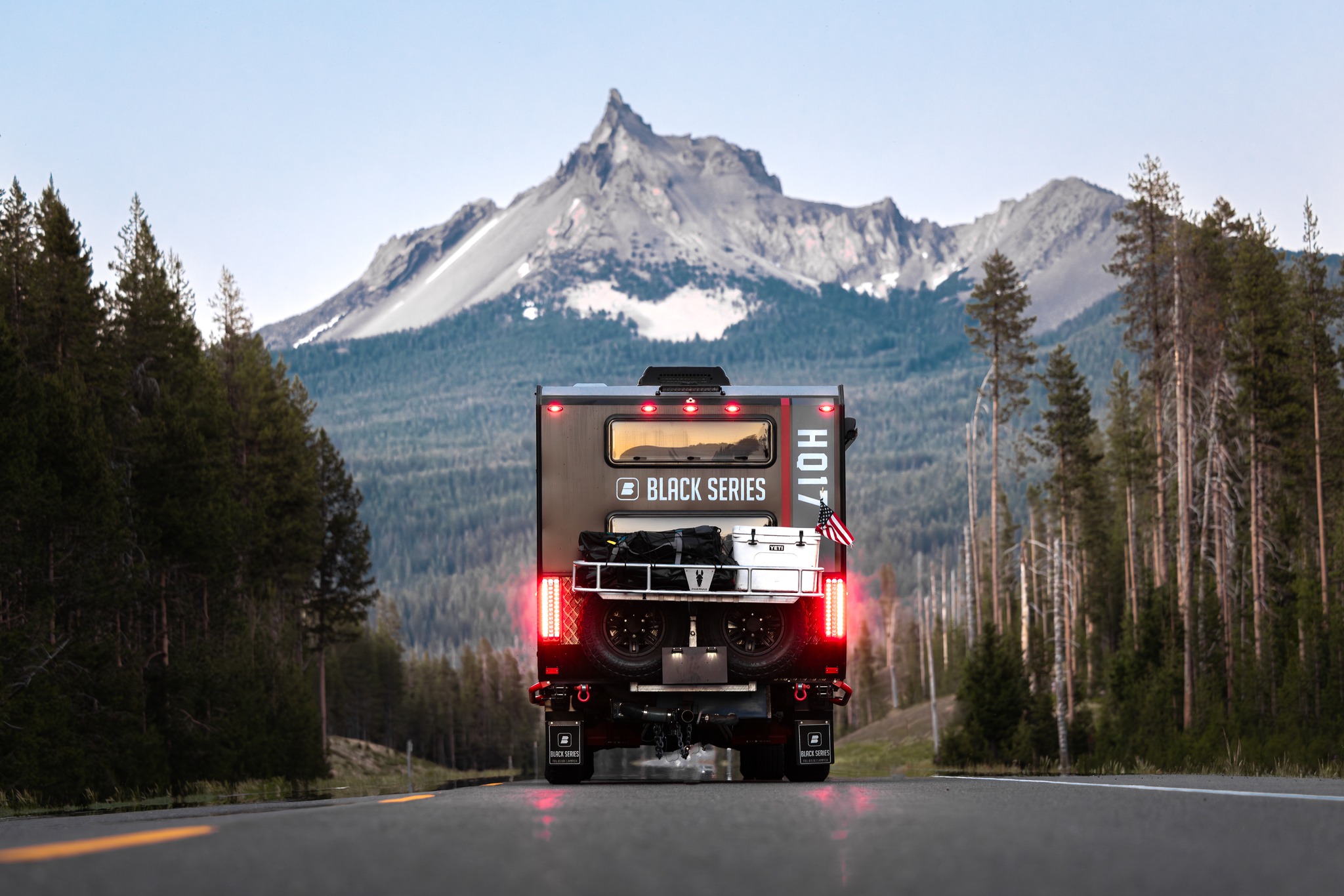
From the compact HQ17 to larger expedition-ready models, BlackSeries offers a range that supports progression. Start with what fits your current tow vehicle and budget, then upgrade, or trade up, as your adventures demand.
Smart Upgrade Path vs. One-Time Full Build
Who Should Follow a Smart Upgrade Path?
The smart upgrade path isn’t for everyone, but it’s ideal for several key buyer profiles:
First-Time Off-Road Trailer Owners
If this is your first purpose-built overlanding rig, a phased approach lets you learn without overspending. You’ll understand what features actually matter to your camping style before committing major dollars.
Budget-Conscious Quality Seekers
You want premium capability but can’t (or won’t) write a check for a fully-loaded rig on day one. The smart upgrade path lets you buy quality in stages, building a premium setup over time.
Long-Term Overland Players
If you’re in this for the long haul, planning years of adventures, not just a few trips, the smart upgrade path ensures your rig evolves with you. What you need at year one will differ from year five, and this approach accommodates that growth.
Practical Decision-Makers
Some buyers simply prefer making decisions with information rather than speculation. If that’s you, the smart upgrade path aligns with how you approach major purchases.
FAQs
What is a smart upgrade path?
A smart upgrade path is a phased approach to building your ideal off-road trailer over time, starting with foundation reliability (chassis, suspension, structure), adding performance upgrades (tires, shocks, stability), and finishing with comfort features (power systems, storage, interior amenities). This strategy prioritizes real-world experience over speculation.
Is it better to upgrade a trailer in stages?
For most buyers, yes. Staged upgrades allow you to make data-driven decisions based on actual camping experience, spread costs over time, and avoid paying for features you’ll never use. The exception is buyers with very specific, well-defined requirements and unlimited budgets.
What should I upgrade first on an off-road trailer?
Always start with foundation upgrades: chassis integrity, suspension quality, and structural durability. These elements determine whether your trailer can safely handle off-road conditions. Performance and comfort upgrades only matter if you can reliably reach your destination.
Can BlackSeries trailers be upgraded later?
Yes. BlackSeries trailers feature modular design architecture and backward compatibility, allowing owners to add or upgrade components without requiring complete system replacements. The Trade-In Upgrade program also supports progression to higher-capability models.
How do I start a smart upgrade path with BlackSeries?
Begin by defining your primary use scenarios: terrain types, trip lengths, off-grid requirements. Then evaluate which BlackSeries model provides the foundation you need. Contact the BlackSeries team to discuss your upgrade timeline and priorities, ensuring your path is planned from the start.
Ready to plan your smart upgrade path? Explore the BlackSeries lineup and discover how purpose-built off-road capability can evolve with your adventures( without requiring you to buy everything on day one.)

