Full time RV living means turning your RV into a permanent home, requiring careful planning around cost, essentials, mobility, and self-sufficiency. Unlike weekend camping or vacation travel, full-time RV living involves establishing your RV as your primary residence, complete with address management, income planning, and systems designed for year-round reliability.
What Is Full Time RV Living?
Full-time RV living transforms your recreational vehicle into a permanent home base, fundamentally different from part-time RV adventures or weekend getaways. While part-time RVers maintain traditional housing and use their RV for vacations, full-timers sell their homes and commit to life on the road.
This lifestyle differs significantly from van life or overlanding. Van life typically emphasizes minimalism and stealth camping in urban areas, while overlanding focuses on remote exploration with rugged vehicles. Full-time RV living combines comfort, mobility, and the capability for extended stays in various environments, from developed campgrounds to remote boondocking locations.
The typical US full-time RV demographic includes retirees seeking adventure, remote workers embracing location independence, and families choosing educational travel. However, the biggest misconception is that it’s always cheaper than traditional housing, costs vary dramatically based on travel frequency, campground choices, and lifestyle preferences.
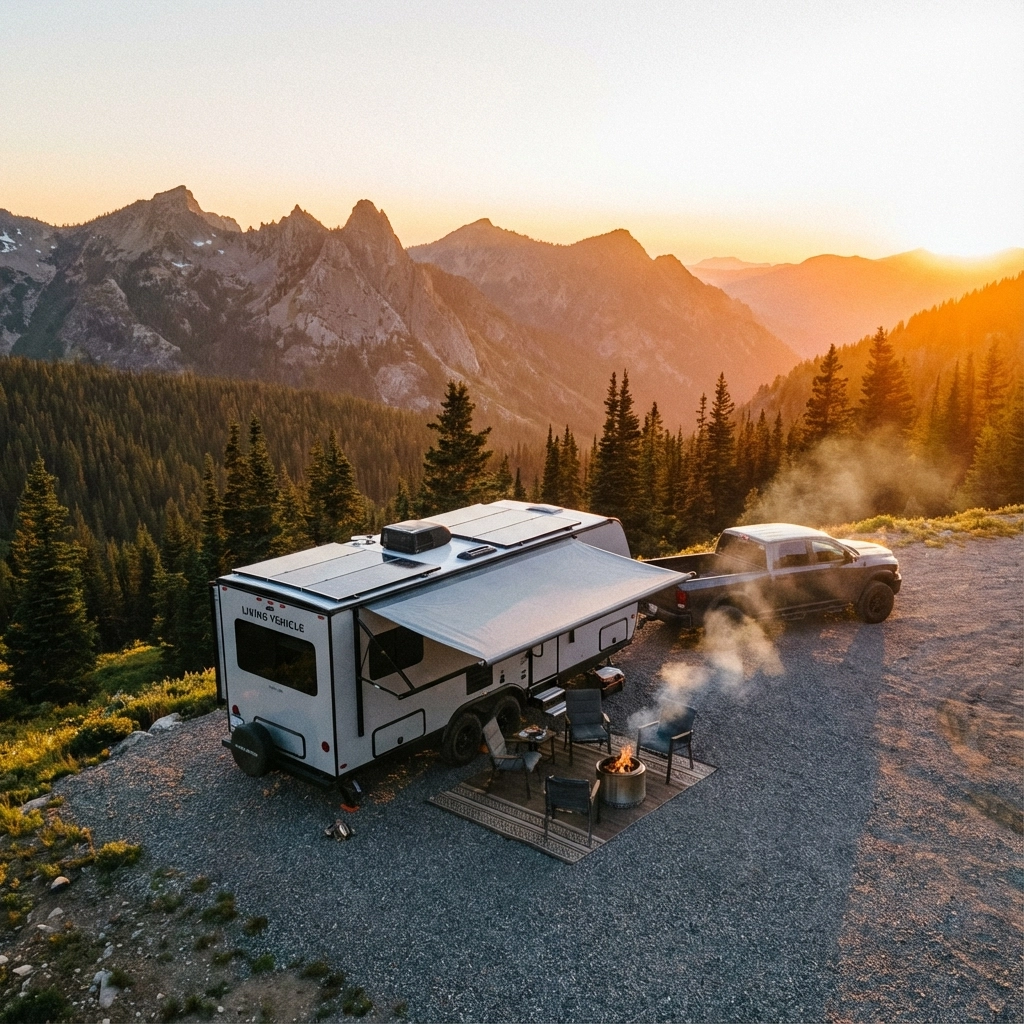
Is Full Time RV Living Right for You?
Full-time RV living suits specific personality types and life situations. Ideal candidates include people who crave flexibility, adapt well to confined spaces, enjoy problem-solving, and can handle equipment maintenance. Retirees with fixed incomes often thrive, as do remote workers who value location independence over material possessions.
This lifestyle challenges those who need extensive personal space, struggle with mechanical issues, require consistent high-speed internet, or have complex medical needs. Families with school-age children must carefully consider educational continuity and social development.
Honest advantages include travel freedom, reduced utility bills, closer family bonds, and simplified living. Overlooked challenges encompass limited storage, weather dependency, mechanical breakdowns in remote areas, and social isolation. Many newcomers underestimate the mental adjustment required for confined living and constant decision-making about routes, weather, and maintenance.
Full Time RV Living Cost Breakdown
Monthly full-time RV living costs typically range from $2,000 to $5,000, depending on travel frequency and lifestyle choices. Budget RVers spending under $3,000 monthly emphasize boondocking, discount camping clubs, and minimal travel. Luxury full-timers exceeding $4,000 monthly prefer resort-style RV parks, frequent dining out, and regular activities.
Major expense categories include:
- RV payments and insurance: $300-800 monthly
- Campground fees: $500-1,500 monthly (dramatically reduced through boondocking)
- Fuel costs: $400-800 monthly depending on travel frequency
- Maintenance and repairs: $200-500 monthly reserve fund
- Food and supplies: $400-600 monthly
- Communications: $100-200 monthly for internet and phone
Off-grid capability significantly reduces long-term costs by eliminating nightly campground fees during extended stays. A well-equipped RV with robust solar, water storage, and waste management can boondock 7-14 days between resupply stops, cutting accommodation costs by 60-80% compared to nightly campground fees.

Full Time RV Living Essentials
Full-time RV living requires system-level thinking rather than accumulating individual gadgets. Reliability and redundancy matter more than luxury features when your RV serves as your permanent home.
Power & Energy System: Adequate solar panels (minimum 400W for full-timers), lithium batteries for consistent power, and quality inverters for appliances. Generator backup remains essential for extended cloudy periods.
Water & Waste Management: Large fresh water tanks (minimum 40 gallons), efficient grey/black tank systems, and water filtration for extended boondocking. Compact laundry solutions and greywater recycling extend camping periods.
Climate & Insulation: Proper insulation prevents condensation and temperature extremes. Efficient heating/cooling systems conserve battery power while maintaining comfort year-round.
Safety & Connectivity: Reliable cell boosters, multiple communication methods, GPS navigation, and emergency supplies. Tire pressure monitoring systems prevent dangerous blowouts.
Storage & Durability: Secure storage solutions, weight distribution awareness, and robust construction withstand constant travel stresses. Heavy-duty hardware prevents damage from road vibration.
Full Time RV Living Tips
Daily life pace in full-time RV living emphasizes slower travel, many successful full-timers follow the “2/2/2 rule”: travel no more than 200 miles, arrive by 2 PM, and stay at least 2 days. This reduces stress, fuel costs, and setup fatigue.
Weather and seasonal migration requires planning 3-6 months ahead. Popular winter destinations like Arizona and Florida book early, while summer spots in cooler climates fill quickly. Many full-timers establish predictable seasonal patterns.
Location selection balances cost, amenities, and activities. Longer stays (weekly/monthly rates) provide better value and community connections than nightly moves. Research cell coverage, medical facilities, and supply access before committing to remote locations.
Maintenance cycle management includes regular mechanical inspections, seasonal preparations, and establishing trusted repair relationships nationwide. Preventive maintenance costs far less than emergency repairs in remote areas.
Full Time RV Living for Beginners
New full-timers typically regret five key decisions: buying too much RV initially, insufficient emergency funds, inadequate internet research, poor domicile planning, and unrealistic timeline expectations.
A 30-60 day test period is absolutely essential before committing fully. Rent or borrow an RV for extended weekends and week-long trips. Test systems, practice setup/breakdown, and experience confined living before selling your home.
Beginner gear and budget priorities:
- Safety and reliability systems first (brakes, tires, electrical)
- Basic comfort items (quality bedding, climate control)
- Essential tools and supplies (basic toolkit, emergency kit)
- Communication equipment (cell booster, backup internet)
- Convenience upgrades last (luxury appliances, entertainment systems)
Start with a smaller, more manageable RV to learn systems and preferences before upgrading to your “dream rig.”
Common Mistakes Full-Time RVers Make
Underestimating wear and tear tops the mistake list. Constant travel accelerates mechanical problems, tire wear, and interior damage. Budget 10-15% more than manufacturer maintenance schedules suggest.
Overestimating campground dependence creates expensive habits. Many full-timers assume they’ll always use full-hookup campgrounds, then discover boondocking’s freedom and cost savings. Plan for off-grid capability from the beginning.
Neglecting off-grid resilience limits flexibility and increases costs. RVers without adequate solar, water storage, or waste capacity pay premium nightly rates and miss incredible free camping opportunities.
Why Off-Grid Capability Matters in Full Time RV Living
Off-grid capability transforms full-time RV living from expensive nomadism to genuine freedom. Self-reliance equals both time freedom and cost control, you can stay longer in incredible locations while spending less on accommodation.
The most successful full-time RVers think like overlanders: long-term reliability outweighs short-term luxury. A robust 12V system, adequate fresh water storage, and proven waste management enable 7-14 day independent camping. This capability opens access to stunning BLM land, national forest dispersed camping, and other free locations impossible for hookup-dependent RVers.
Modern full-timers increasingly choose overland-grade configurations because traditional RV park infrastructure can’t accommodate growing demand. Well-equipped RVers enjoy flexibility during peak seasons, weather events, and supply shortages that strand hookup-dependent travelers.
Quality off-grid systems, like those found in purpose-built adventure trailers, provide redundancy and efficiency that recreational-grade components can’t match. When your RV is your home, equipment failure isn’t just inconvenient; it’s potentially dangerous and expensive.
FAQ
How much does full time RV living really cost?
Monthly costs range from $2,000-5,000 depending on travel frequency and campground preferences. Budget-conscious full-timers emphasizing boondocking can live comfortably under $3,000 monthly, while luxury travelers may exceed $4,000.
Is full time RV living cheaper than renting?
It depends on your location and lifestyle. In expensive housing markets, full-time RV living often costs less than rent, especially with strong boondocking capabilities. However, maintenance, insurance, and travel costs can exceed apartment living in cheaper areas.
Can beginners do full time RV living?
Yes, but preparation is crucial. Successful beginners complete 30-60 day test periods, research extensively, maintain larger emergency funds, and choose reliable, well-equipped RVs rather than the largest or cheapest options.
Is boondocking necessary for full-time RVers?
While not mandatory, boondocking capability provides significant advantages: cost savings, access to incredible locations, flexibility during peak seasons, and independence during emergencies. Most successful full-timers develop strong off-grid skills.
How long do most people live full time in an RV?
The average full-time RV experience lasts 2-5 years. Some return to traditional housing after achieving travel goals, while others transition to seasonal RV living or permanent settlement in favorite locations. A growing minority adopts permanent nomadic lifestyles.

