Independent trailing arm suspension is a wheel-isolation system where each wheel moves independently, delivering superior ride quality, enhanced stability, and exceptional off-road performance compared to traditional solid axle designs. For serious overlanders and off-road enthusiasts, it’s become the gold standard in 2026.
If you’ve ever felt your trailer bouncing uncontrollably on a washboard road or white-knuckled your steering wheel as trailer sway took over, you understand why suspension matters. Independent trailing arm suspension for trailers has revolutionized how adventure-seekers explore America’s most remote destinations, from desert washes in Utah to forest service roads in Montana.
At BlackSeries, we’ve engineered our suspension systems specifically for the demands of extreme off-road travel. This guide breaks down everything you need to know about independent trailing arm suspension: how it works, why it outperforms leaf springs, and what to look for when choosing your next off-road camper trailer.
What Is Independent Trailing Arm Suspension?
Independent trailing arm suspension is a sophisticated wheel-mounting system where each wheel operates independently of the other. Unlike solid axle configurations that connect both wheels with a single rigid beam, independent systems allow each wheel to respond to terrain changes without affecting the opposite side.
The Core Concept
Picture this: your right wheel drops into a pothole while your left wheel stays on flat ground. With a solid axle, that impact transfers directly across the axle, lifting the left wheel and destabilizing your entire trailer. With independent trailing arm suspension, only the right wheel responds, the left wheel maintains full ground contact and stability.
This fundamental difference transforms how trailers handle rough terrain, making previously inaccessible locations suddenly within reach.
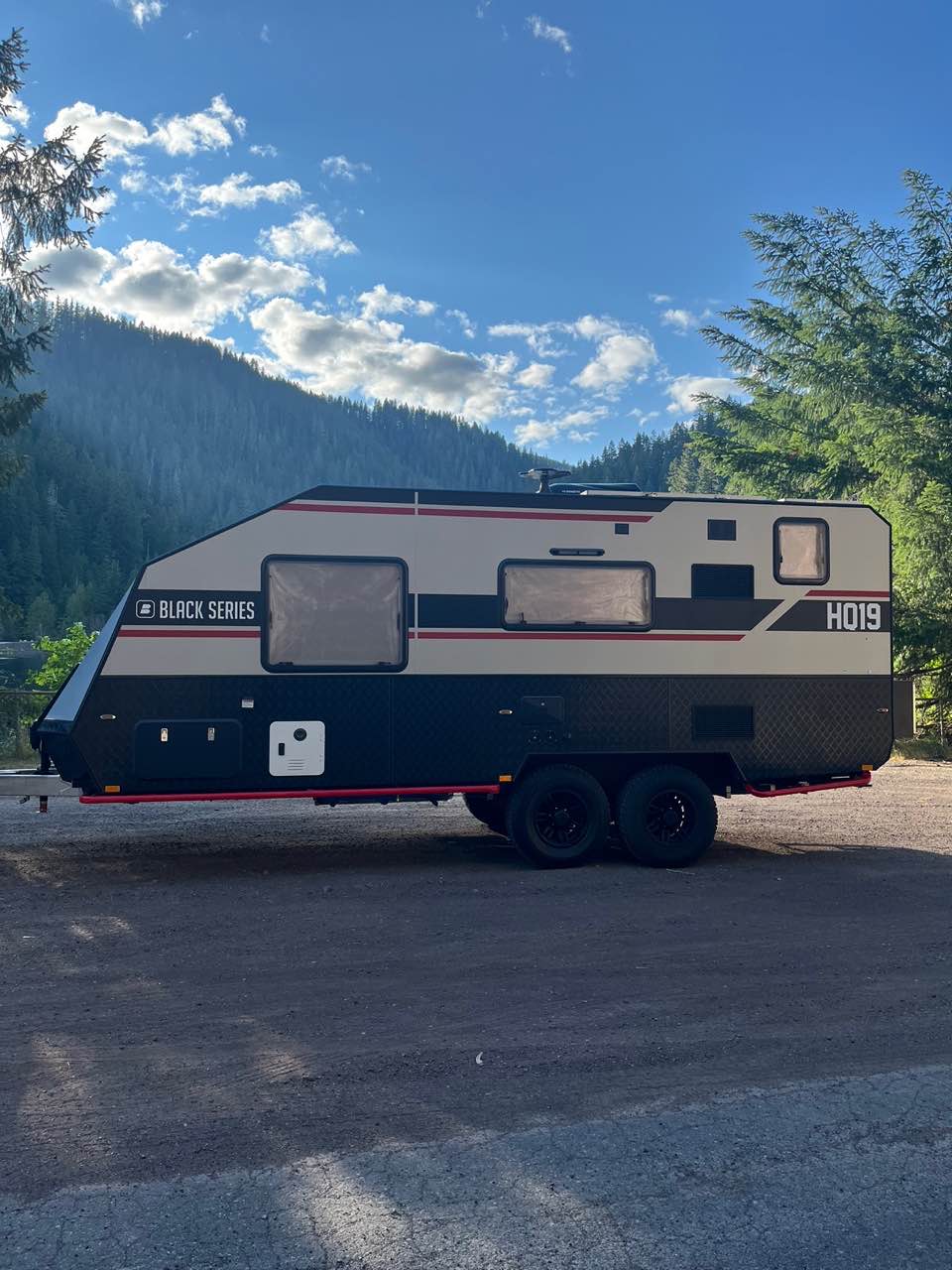
How It Differs from Traditional Suspension
Traditional leaf spring suspensions use stacked metal plates that flex under load. While simple and cost-effective, they create a harsh ride and limit wheel articulation. Independent trailing arm systems use individual arms that pivot from the trailer frame, combined with dedicated springs and shock absorbers for each wheel.
The result? Dramatically improved comfort, stability, and off-road capability that serious adventurers demand.
How Independent Trailing Arm Suspension Works
Understanding the mechanics helps you appreciate why this system outperforms alternatives and what maintenance it requires.
Key Components
Trailing Arms
These robust metal arms extend rearward from pivot points on the trailer frame. Each arm supports one wheel and allows it to travel vertically through its designed range of motion. High-quality trailing arms are constructed from heavy-gauge steel or aluminum, engineered to withstand repeated impacts and heavy loads.
Coil Springs
Unlike leaf springs that handle both suspension and axle location, coil springs in independent systems focus purely on absorbing impacts and supporting weight. This specialization allows for more precise tuning and better performance across varying loads.
Shock Absorbers
Paired with coil springs, shock absorbers (often in coil-over configurations) control the speed of suspension movement. Quality shocks prevent bouncing and maintain tire contact with the ground. Many off-road trailers use custom-valved shocks that adjust damping based on trailer load.
Bushings
Rubber or polyurethane bushings at pivot points allow smooth articulation while absorbing vibration. These components require periodic inspection but significantly extend the life of metal components by reducing metal-on-metal contact.
Suspension Travel and Articulation
Suspension travel refers to how far each wheel can move vertically. More travel means better obstacle absorption and improved ground contact on uneven terrain. Leading independent systems offer between 4.5 to 9 inches of wheel travel, far exceeding what leaf springs can achieve.
Articulation describes the suspension’s ability to allow wheels to move independently at different heights. High articulation keeps all tires firmly planted when traversing obstacles like rocks, ruts, or uneven ground, critical for maintaining traction and stability.
Independent Trailing Arm Suspension vs Leaf Springs
When comparing trailing arm suspension vs leaf springs, the differences become clear across every performance metric that matters for off-road travel.
The bottom line? Leaf springs work fine for highway cruising and improved campgrounds. But for serious off-road capability, independent trailing arm suspension is the clear winner.

Benefits of Independent Trailing Arm Suspension for Trailers
When evaluating independent trailing arm suspension for trailers, the advantages extend beyond just comfort:
Smoother Towing Experience
Each wheel absorbs bumps independently, preventing the cascading bounces common with solid axles. Your tow vehicle feels less strain, and passengers inside the trailer experience significantly reduced jarring.
Better Load Distribution
Independent systems distribute weight more evenly across both wheels, even on uneven terrain. This reduces stress concentrations and extends the life of tires, bearings, and frame components.
Improved Safety
Reduced trailer sway means more predictable handling, especially during emergency maneuvers or strong crosswinds. The improved stability gives drivers greater confidence on challenging roads.
Reduced Trailer Sway
The isolated wheel movement prevents the oscillating motion that causes dangerous trailer sway. This is particularly valuable at highway speeds and in windy conditions.
Longer Component Life
By distributing stress more evenly and reducing impact shock transfer, independent suspension systems typically outlast leaf spring setups. Many owners report significantly lower maintenance costs over the trailer’s lifetime.
Access to Remote Locations
With superior articulation and ground clearance, trailers with independent suspension can navigate terrain that would damage or strand leaf spring trailers: opening up remote mountain valleys, desert locations, and forest clearings for your adventures.
Why Off-Road Campers Need Independent Suspension
For those seeking a true off road independent suspension camper trailer, understanding the specific terrain challenges helps clarify why this technology matters.
Rough Terrain Performance
Washboard roads, gravel tracks, and unmaintained forest service roads punish traditional suspensions. Independent trailing arm systems absorb these repeated impacts without transferring them to the trailer body or your tow vehicle.
Corrugation Handling
Corrugated dirt roads create a specific vibration frequency that can literally shake apart poorly suspended trailers. Independent suspension breaks this vibration pattern, protecting your trailer and gear.
Rock Crawling Capability
When navigating over rocks and boulders, wheel articulation determines success or failure. Independent suspension keeps all tires in contact with the ground, maintaining traction and preventing the trailer from becoming high-centered.
Long-Distance Durability
Extended backcountry trips put cumulative stress on every component. The even stress distribution of independent suspension means your trailer arrives at camp: and returns home: without developing the cracks, loosened bolts, and worn components that plague solid axle trailers on similar journeys.
Why Choose BlackSeries Independent Trailing Arm Suspension
At BlackSeries, we don’t just install off-the-shelf suspension components: we engineer complete systems designed specifically for the demands of American off-road conditions.
Heavy-Duty Design Philosophy
Every BlackSeries suspension component is built for worst-case scenarios. Our trailing arms, shock mounts, and frame attachment points exceed minimum requirements because we know our customers push limits.
Real-World Testing
Our HQ Series trailers undergo extensive testing in actual off-road conditions: not just laboratory simulations. From Death Valley heat to Colorado mountain passes, we validate performance where it matters.
Built for American Off-Road Standards
American overlanders face unique challenges: vast distances between services, extreme temperature variations, and diverse terrain types. Our suspension systems address these specific requirements with appropriate spring rates, shock valving, and component durability.
Complete System Integration
Suspension doesn’t exist in isolation. BlackSeries trailers integrate suspension design with frame geometry, weight distribution, and overall trailer balance for optimized performance. Learn more about our approach in our 2025 Off-Road Travel Trailer Buying Guide.
Best Independent Suspension for Off-Road Trailers – What to Look For
When shopping for the best independent suspension for off road trailers, evaluate these critical factors:
Build Quality
Examine weld quality, material thickness, and component sourcing. Look for heavy-gauge steel construction, quality powder coating, and reputable component brands. Cheap suspension fails at the worst possible moments.
Suspension Travel
More travel generally means better off-road capability. Look for systems offering at least 4.5 inches of wheel travel: more if you plan serious backcountry exploration. The best systems offer 7-9 inches.
Shock Absorber Quality
Premium shocks with appropriate valving make an enormous difference. Look for rebuildable shocks from respected manufacturers, and ask about load-specific valving options.
After-Sales Support
Can you get replacement parts? Is technical support available? For a component this critical, manufacturer backing matters. BlackSeries maintains comprehensive parts inventory and technical support for all suspension components.
Warranty Coverage
Quality manufacturers stand behind their suspension systems with meaningful warranties. Be cautious of limited coverage or exclusions for “off-road use”: that’s precisely when you need protection most.
Installation and Maintenance Guide
Proper installation and maintenance ensure your independent suspension delivers years of reliable performance.
Installation Tips
Professional Installation Recommended
While mechanically inclined owners can install aftermarket suspension systems, professional installation ensures proper torque specifications, alignment, and load rating compliance. Mistakes here compromise safety.
Alignment Matters
Improper alignment causes premature tire wear and unpredictable handling. After installation, verify alignment specifications meet manufacturer requirements.
Verify Load Ratings
Ensure your suspension system’s rated capacity exceeds your trailer’s fully loaded weight. Include cargo, water, and gear in your calculations: not just the trailer’s dry weight.
Maintenance Checklist
Greasing Schedule
Most independent suspension systems require periodic greasing of pivot points and bearings. Follow manufacturer intervals: typically every 3,000-5,000 miles or before extended trips.
Bushing Inspection
Check rubber bushings for cracking, deterioration, or excessive play. Worn bushings create sloppy handling and accelerate wear on other components. Replace as needed.
Shock Absorber Check
Look for oil leaks, physical damage, and proper damping function. Push down on each corner of the trailer: it should compress and return smoothly without bouncing. Replace shocks showing signs of wear.
Torque Verification
Periodically verify all fasteners maintain proper torque. Vibration can loosen bolts over time, especially after rough terrain travel.
Real-World Case Studies
BlackSeries owners consistently report transformative experiences after upgrading to trailers with independent trailing arm suspension.
Desert Southwest Exploration
One owner documented a 2,000-mile journey through Arizona and Utah’s backcountry, reporting zero suspension-related issues despite daily travel on unmaintained roads. Comparative trips with their previous leaf spring trailer required constant adjustments and resulted in two broken leaf springs.
Mountain Pass Performance
Testing on Colorado’s challenging mountain passes demonstrated 40% reduction in trailer sway compared to leaf spring equivalents at the same speeds and conditions. Drivers reported significantly reduced fatigue during long towing days.
Long-Term Durability Data
Fleet tracking data from rental operators shows BlackSeries trailers with independent suspension averaging 60% fewer suspension-related service calls compared to comparable leaf spring trailers over 50,000 miles of mixed-use operation.
Frequently Asked Questions
What is independent trailing arm suspension?
Independent trailing arm suspension is a wheel-mounting system where each wheel operates independently via individual arms that pivot from the trailer frame. This allows each wheel to respond to terrain changes without affecting the opposite wheel, dramatically improving ride quality and off-road capability compared to solid axle designs.
Is independent suspension better for trailers?
For off-road and adventure travel, independent suspension is significantly better than traditional leaf spring systems. It provides superior ride comfort, better stability, improved articulation for rough terrain, and longer component life. The higher initial cost is offset by better performance and reduced maintenance over time.
How does trailing arm suspension compare to leaf springs?
Trailing arm suspension offers superior ride quality, 2-3 times more wheel travel, better ground clearance, and improved stability compared to leaf springs. Leaf springs are simpler and less expensive but provide a harsher ride and limited off-road capability. For serious overlanding, independent trailing arm suspension is the preferred choice.
Can I upgrade my trailer to independent suspension?
Some trailers can be retrofitted with independent suspension systems, though compatibility varies. Factors include frame design, weight capacity, and available space. Consult with suspension specialists to evaluate your specific trailer. For best results, consider purchasing a trailer engineered from the ground up with independent suspension.
What makes BlackSeries suspension different?
BlackSeries suspension systems are engineered specifically for extreme off-road conditions with heavy-duty components, real-world testing protocols, and complete system integration. Our off-road travel trailers combine suspension design with optimized frame geometry, weight distribution, and durability features for uncompromising adventure capability.
Ready to Experience the Difference?
Independent trailing arm suspension has become the defining technology separating capable off-road trailers from those limited to paved campgrounds. Whether you’re planning weekend escapes to nearby wilderness areas or year-long adventures across America’s most remote landscapes, the right suspension system makes all the difference.
Explore the BlackSeries lineup to discover how our engineering philosophy delivers the capability serious adventurers demand. Your next adventure awaits: and with proper suspension, nowhere is out of reach.

