When temperatures soar past 110°F and the air feels like a blast furnace, standard camping gear simply won’t cut it. Heat dome camping demands specialized preparation, the right equipment, and a solid understanding of extreme heat risks. This guide breaks down everything you need to know about hot weather camping gear, safety protocols, and smart strategies for conquering America’s most punishing summer conditions in 2026.
Whether you’re an experienced overlander or planning your first desert expedition, this extreme heat camping checklist will help you stay safe, comfortable, and ready for whatever the thermometer throws at you.
What Is a Heat Dome and Why It Matters for Camping
A heat dome occurs when a high-pressure atmospheric system traps hot air over a region like a lid on a pot. This phenomenon creates extended periods of extreme heat, often lasting days or weeks, with temperatures regularly exceeding 100–115°F during peak hours.
Typical Heat Dome Regions in the U.S.
Heat domes most commonly affect:
- The American Southwest – Arizona, Nevada, Southern California, and New Mexico experience frequent heat dome events from May through September
- The Pacific Northwest – Increasingly vulnerable during summer months, as seen in recent record-breaking events
- The Central Plains and Midwest – Kansas, Oklahoma, and Texas see intense heat dome conditions, often combined with humidity
- The Great Basin Interior – Utah and eastern Oregon/Washington face dry, extreme heat
Why Heat Domes Challenge Campers
Camping in a heat dome isn’t just uncomfortable, it’s physiologically demanding. Your body struggles to regulate core temperature when ambient heat exceeds 95°F. Equipment fails faster. Plastics warp. Batteries drain. Food spoils within hours.
The key challenges include:
- Accelerated dehydration – You can lose 1–2 liters of sweat per hour in extreme heat
- Heat-related illness risk – Heat exhaustion and heat stroke become real dangers
- Equipment degradation – Standard gear isn’t designed for 115°F+ exposure
- Limited activity windows – Safe outdoor time shrinks to early morning and late evening
Understanding these realities is the first step toward safe heat dome camping.
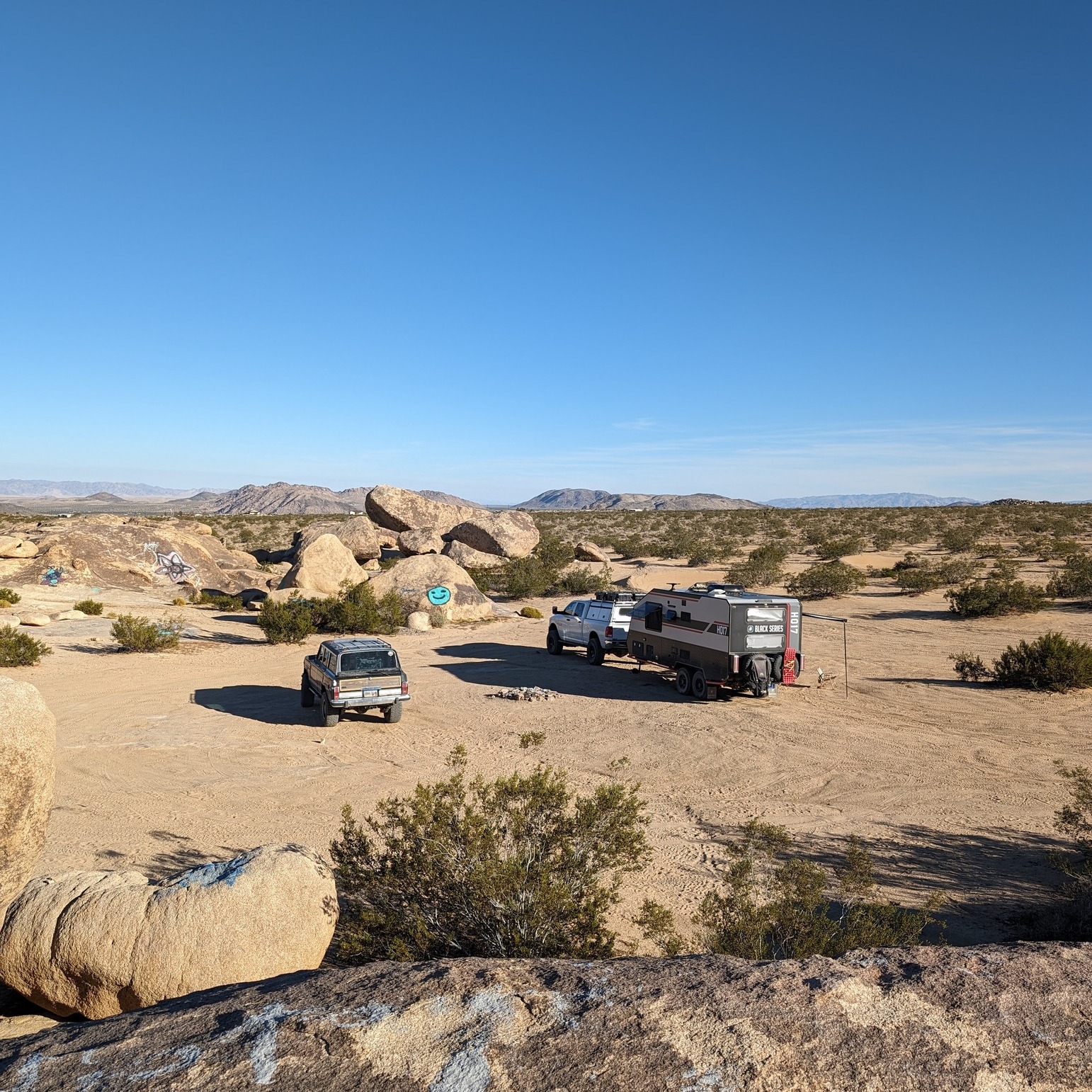
Key Considerations Before Heat Dome Camping
Preparation separates a successful extreme heat trip from a dangerous situation. Use this checklist before heading out.
Pre-Trip Planning Checklist
Weather Monitoring
- Check 10-day forecasts from NOAA and local weather services
- Monitor heat advisory and excessive heat warning zones
- Track overnight low temperatures (critical for recovery)
Route and Terrain Assessment
- Identify natural shade sources (canyons, rock formations, tree groves)
- Map water sources along your route
- Note elevation changes, higher ground is often cooler
Supply and Resupply Planning
- Calculate water needs: minimum 1 gallon per person per day (more for active use)
- Plan food that won’t spoil in heat
- Identify nearest supply points and emergency services
Emergency Communication
- Ensure satellite communicator or PLB (Personal Locator Beacon) is functional
- Share your itinerary with someone off-trip
- Know the nearest hospital and emergency contacts
For remote expeditions, consider a dedicated off-road trailer with integrated water storage and climate control systems.
Extreme Heat Dome Camping Gear Checklist
This comprehensive hot weather camping gear list covers every essential category for surviving, and thriving, in extreme heat conditions.
Sun Protection Gear
Shelter and Shade Systems
- UPF 50+ awning or shade canopy (minimum 10×10 ft coverage)
- Reflective tarp for secondary shade layering
- Pop-up shade dome for quick deployment
Personal Sun Protection
- Wide-brim hat (4″+ brim) with neck flap
- UPF 50+ long-sleeve shirt and pants
- UV-blocking sunglasses (polarized preferred)
- SPF 50+ broad-spectrum sunscreen (reef-safe formulas for water areas)
- Cooling neck gaiter or buff
Hydration and Cooling Systems
Water Storage and Transport
- Large-capacity insulated water jug (5+ gallons)
- Personal insulated water bottles (32 oz minimum per person)
- Hydration bladder with insulated tube
- Collapsible water containers for backup storage
Active Cooling Equipment
- Evaporative cooling towels
- Battery-powered personal fan
- Portable misting system
- Ice packs and cooling vests
- Electrolyte supplements (tablets or powder)
Pro Tip: Freeze water bottles overnight. They serve as ice packs during the day and provide cold drinking water as they melt.

High-Temperature Sleeping Systems
Standard sleeping gear traps heat and creates miserable nights. Upgrade to:
Tent and Shelter
- Double-wall tent with maximum ventilation (mesh panels on all sides)
- Reflective rainfly or heat-reflective tent cover
- Ground tarp with thermal barrier properties
- Consider cot sleeping to allow airflow beneath you
Bedding
- Lightweight sleeping bag liner only (no insulated bags)
- Breathable cotton or bamboo sheet
- Elevated camp cot with airflow design
- Ventilated sleeping pad (avoid closed-cell foam)
Temperature Management
- Battery-powered tent fan
- Reflective ground sheet under tent
- Damp towel for evaporative cooling while sleeping
Heat-Tolerant Cooking Gear
Cooking in extreme heat requires minimizing fire time and avoiding midday kitchen work.
Stove and Fuel
- Compact, efficient camp stove (reduces cooking time)
- Wind-resistant burner design
- Pre-measured fuel to avoid overpacking
Kitchen Setup
- Portable shade structure for cooking area
- Insulated cooler with thick walls (rotomolded preferred)
- Pre-frozen meals to reduce cook time
- Heat-resistant utensils and cookware
Food Safety
- High-quality cooler with drain plug
- Frozen water bottles as ice substitute
- Shelf-stable foods (dehydrated meals, nut butters, dried fruit)
- Separate cooler for beverages (opened less frequently)
Safety and First Aid
Heat-specific medical supplies are non-negotiable for extreme heat camping.
Monitoring Equipment
- Digital thermometer (body temperature)
- Pulse oximeter with heart rate function
- Portable weather station (tracks ambient temperature and humidity)
First Aid Essentials
- Instant cold packs (chemical activation)
- Electrolyte replacement sachets
- Aloe vera gel for heat rash and sunburn
- Anti-chafing balm
- Emergency cooling blanket (reflective space blanket)
Emergency Response
- Satellite communicator or PLB
- Whistle and signal mirror
- First aid manual with heat illness protocols
How to Stay Safe in a Heat Dome While Camping
Having the right gear is only half the equation. Safe behavior patterns are equally critical.
Shade and Ventilation Strategy
- Create layered shade – Combine natural shade with artificial structures
- Maximize airflow – Position tents to catch prevailing winds
- Use reflective surfaces – Place reflective tarps above shade structures to bounce radiant heat
Monitor Your Body Signals
Watch for warning signs of heat-related illness:
Adjust Your Schedule
- Active hours: 5:00–9:00 AM and 6:00–9:00 PM
- Rest hours: 10:00 AM–5:00 PM (stay in shade, minimize movement)
- Hydration schedule: Drink 8–16 oz every 30 minutes during active periods
Behavioral Rules
- Never hike alone in extreme heat
- Avoid alcohol and caffeine (both accelerate dehydration)
- Wet your clothing for evaporative cooling
- Take frequent breaks in shade
Best Practices for Hot Weather Campsite Setup
Your campsite configuration directly impacts heat exposure and comfort.
Site Selection Priorities
- Natural shade – East-facing canyon walls provide afternoon shade; tree groves offer filtered light
- Elevation – Higher ground is typically 3–5°F cooler per 1,000 ft gained
- Airflow – Ridge lines and valley openings catch breezes
- Proximity to water – Lakes and rivers create localized cooling effects
Ground Reflection Management
Light-colored ground (sand, rock) reflects heat upward. Counter this with:
- Reflective ground tarps beneath your tent
- Elevated sleeping (cots or hammocks)
- Insulating layers between you and hot surfaces
Reflective Cover Deployment
Layer your shade system:
- Top layer: Reflective tarp (silver side up) to bounce solar radiation
- Middle layer: Standard shade canopy or awning
- Air gap: Maintain 6–12 inches between layers for heat dissipation
Common Mistakes with Extreme Heat Camping Gear
Avoid these frequent errors that compromise safety and comfort.
Mistake #1: Underestimating Water Needs
One gallon per person per day is a minimum baseline. Active hiking, cooking, and emergency reserves can easily double that requirement.
Mistake #2: Skipping Gear Testing
That new tent you bought? Test it in your backyard on a hot day before relying on it in Death Valley. Verify ventilation actually works and seams don’t trap heat.
Mistake #3: Ignoring Nighttime Cooling Potential
Desert nights can drop 30–40°F from daytime highs. Use this window aggressively, ventilate your shelter, cool down your body, and pre-chill water for the next day.
Mistake #4: Using Insulated Sleeping Gear
Your three-season sleeping bag is a liability in heat dome conditions. Switch to breathable liners and sheets.
Mistake #5: Trusting Campground Wi-Fi for Emergencies
Remote areas rarely have cell coverage. A satellite communicator isn’t optional, it’s essential.
Is Heat Dome Camping Worth It? Pros and Cons
Heat dome camping isn’t for everyone. Here’s an honest assessment.
The Case For
- Unmatched solitude – Most campers avoid extreme heat, leaving pristine locations empty
- Stunning landscapes – Desert and canyon environments offer dramatic beauty
- Personal challenge – Successfully navigating extreme conditions builds outdoor skills
- Unique photography – Heat shimmer, stark lighting, and empty vistas create compelling images
The Case Against
- Real health risks – Heat illness can escalate quickly without proper preparation
- Equipment demands – Specialized gear increases cost and complexity
- Limited activity windows – You’ll spend most daylight hours in shade
- Higher stakes – Mistakes that would be inconveniences elsewhere become emergencies here
Who Should Try It
✅ Experienced campers with desert or hot-weather background
✅ Those with proper gear and physical fitness
✅ Campers who enjoy slow-paced, contemplative trips
✅ Photographers and solitude seekers
Who Should Wait
❌ First-time campers
❌ Those with heat-sensitive medical conditions
❌ Families with young children or elderly members
❌ Anyone without reliable emergency communication
For those ready to take on extreme conditions, a purpose-built off-road travel trailer with integrated climate control, water storage, and solar power makes heat dome camping significantly safer and more comfortable.
Frequently Asked Questions
What gear do I need for hot weather camping in a heat dome?
Essential hot weather camping gear includes UPF 50+ shade structures, large-capacity insulated water containers, evaporative cooling towels, well-ventilated tents with reflective covers, breathable sleeping systems, and heat-specific first aid supplies including instant cold packs and electrolyte supplements.
How can I prevent heat exhaustion while camping?
Prevent heat exhaustion by staying hydrated (minimum 1 gallon per day), limiting activity to early morning and evening hours, wearing breathable UPF-rated clothing, taking frequent shade breaks, and monitoring your body for warning signs like nausea, weakness, or excessive sweating.
Are specialized tents necessary in extreme heat?
Yes. Standard tents trap heat and can become dangerously hot. Look for tents with full-mesh walls, reflective rainflies, and maximum ventilation. Consider adding a reflective tarp layer above your tent to reduce solar heat absorption by up to 50%.
Can I camp safely in a heat dome without air conditioning?
Yes, with proper preparation. Focus on creating layered shade, maximizing airflow, scheduling activities during cooler hours, and using evaporative cooling techniques. However, campers with air-conditioned trailers or RVs have a significant safety advantage in extreme heat conditions.
Heat dome camping rewards those who prepare thoroughly and respect the environment’s power. With the right extreme heat camping checklist, smart scheduling, and appropriate gear, you can safely explore some of America’s most stunning: and challenging: landscapes. Stay cool, stay hydrated, and stay safe out there.

