
Your cart (0)
Your cart is empty
Tax included and shipping calculated at checkout
Your cart is empty
Tax included and shipping calculated at checkout

Most travel trailer wheel bearings should be repacked every 12 months or 10,000–12,000 miles, whichever comes first. If you’re doing heavy off-roading or hauling a massive 30 foot rv weight rig, you might want to check them even sooner.
Let’s clear this up right away: repacking wheel bearings isn’t just squirting some grease in there and calling it a day.
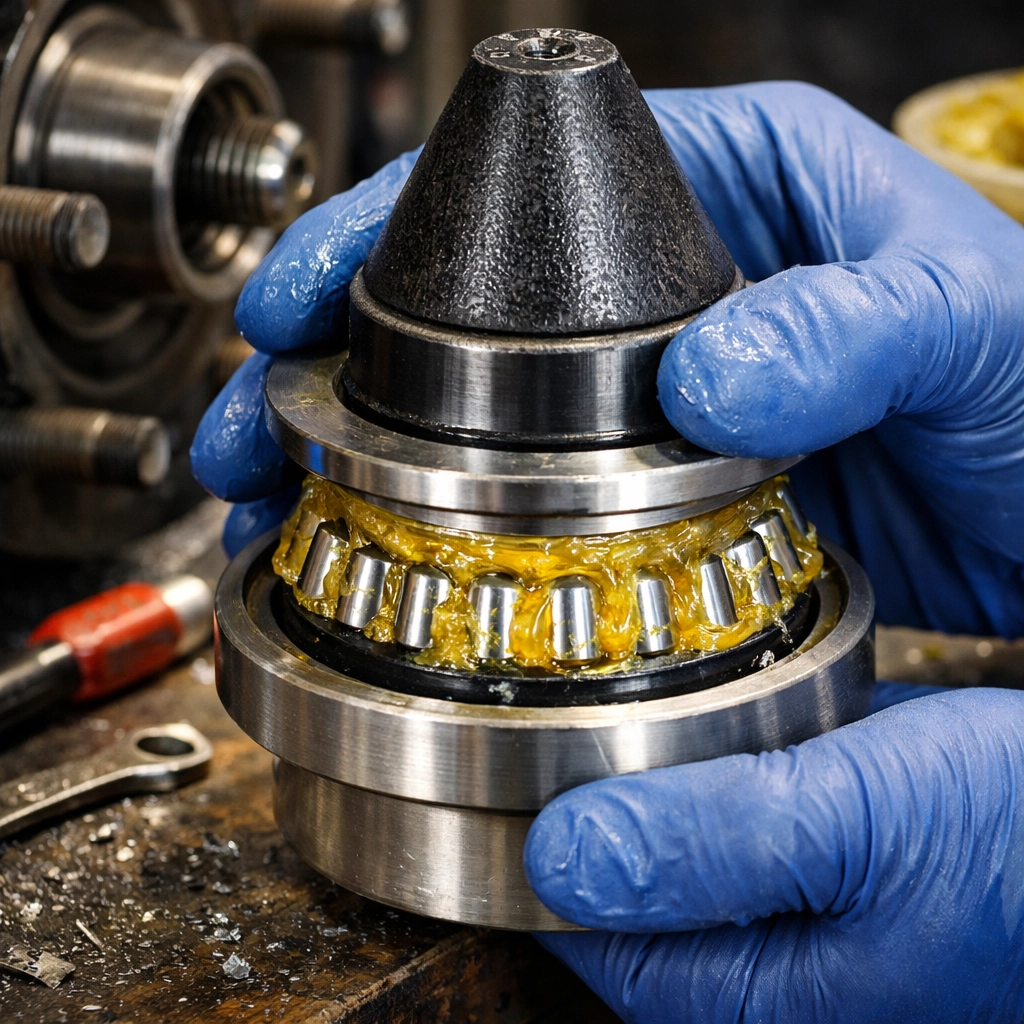
Real repacking involves removing the wheel, pulling out the bearings, cleaning off all the old, contaminated grease, inspecting every metal surface for pitting or wear, then carefully packing fresh, high-temperature lubricant into every crevice. You’re also checking the seals, race surfaces, and making sure nothing’s compromised.
Think of it like this: your wheel bearings are spinning thousands of times per mile while carrying the entire average weight of camper loads, sometimes exceeding 8,000 pounds. They generate serious heat, especially on long downhill grades or during highway speeds. Fresh grease is what keeps metal from grinding against metal. Old grease? It separates, oxidizes, and eventually fails to do its job.
The difference between proper repacking and neglect is the difference between a smooth journey and a catastrophic roadside failure.
Here’s where most people get confused. They think, “I only towed my trailer 2,000 miles this year, I’m fine, right?”
Wrong.
Grease breaks down over time regardless of how many miles you put on. Even if your trailer sits in storage for 11 months, that grease is aging, absorbing moisture, and losing its protective properties.
Standard Use:
Heavy-Duty or Off-Road Use:
Seasonal or Occasional Use:
The hard truth? Time matters more than mileage for bearing health.
Your trailer will tell you when something’s wrong, if you’re paying attention. Here are the red flags:
Heat: After a drive, touch the hub (carefully). It should be warm, not hot. If you can’t keep your hand on it for more than a second or two, you’ve got a problem. Stop immediately.
Noise: A humming, grinding, or growling sound that gets louder with speed. This is metal-on-metal contact, bearings are already damaged at this point.
Grease Leaks: If you see grease splattered on the inside of your wheel or dripping from the hub, the seal has failed. Dirt and water are likely already inside.
Increased Resistance: Does your 24 ft camper weight trailer suddenly feel like it’s pulling harder than usual? Could be dragging bearings creating excess friction.
Wobble or Play: Jack up the trailer and try to rock the wheel. Any looseness or clicking indicates bearing wear or improper adjustment.
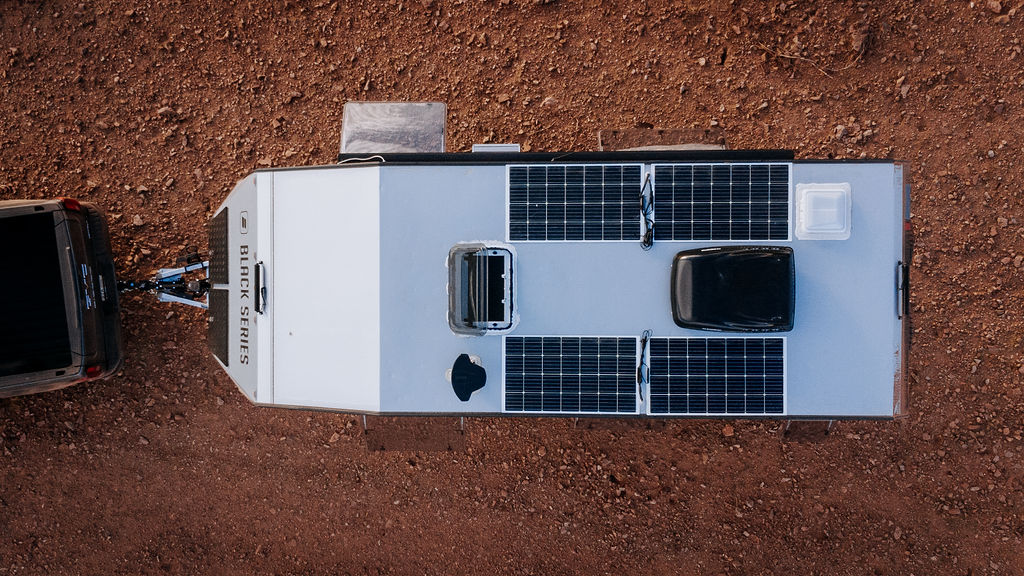
The heavier the load, the more stress on your bearings, and the more heat they generate.
Whether you’re towing a lightweight 16 ft camper weight setup or a fully-loaded 30-foot camper weight beast with a GVWR approaching 10,000 pounds, those bearings are literally the only things keeping your wheels attached to the axle.
A failed bearing doesn’t just cause a little vibration. It can:
For heavier trailers, especially those in the 30 ft camper weight or 30 ft rv weight category, bearing maintenance isn’t optional. It’s life-or-death for your rig and potentially dangerous for everyone around you on the highway.
If you’re pushing your rig off-road, your maintenance schedule needs to be even more aggressive.
Off-road travel trailers face conditions that would make a highway-only camper cry:
For BlackSeries owners exploring remote terrain, “conservative maintenance” isn’t paranoia, it’s intelligent risk management. Many experienced off-roaders repack bearings after every major expedition, not just once a year.
The philosophy is simple: out in the backcountry, a bearing failure doesn’t mean calling AAA. It means being stranded, potentially miles from the nearest paved road, with limited cell service and rescue options.

Before you hook up for that long-awaited adventure, run through this quick bearing health check:
✔ Has it been more than 12 months since the last repack?
✔ Did you recently cross water, mud, or deep sand? These can compromise seals.
✔ Are the seals visibly intact with no cracks or grease leakage?
✔ Is the hub temperature normal after a short test tow?
✔ Have you inspected the brake drums/rotors while you’re in there? (Might as well, the wheel’s already off.)
✔ Are you towing near the maximum GVWR of your trailer? (18 ft camper weight rigs under max stress need more frequent checks than lightly-loaded units.)
This checklist takes five minutes and could save you thousands in repairs, or worse, a dangerous failure at 65 mph.
Even experienced RVers fall into these traps:
Mistake #1: Waiting for symptoms
By the time you hear noise or feel heat, damage is already done. Prevention is cheaper than repair.
Mistake #2: “It’s a new trailer, I’m good”
Factory grease is often minimal. Many savvy owners repack immediately after purchase, especially before a long maiden voyage.
Mistake #3: Only repacking “high-mileage” trailers
Remember: time matters more than miles. A trailer that sat unused for two years needs service just as badly as one that racked up 15,000 miles.
Mistake #4: Mixing old and new
If you’re repacking one side, do both. Mismatched bearing conditions create uneven wear and potential handling issues.
Mistake #5: Skipping the seal replacement
Seals are cheap. Don’t reuse old ones, they’re often the weak point that lets contamination in.
Can you do this yourself? Absolutely, if you have the right tools and aren’t afraid of getting dirty.
What you’ll need:
Why go professional?
Expect to pay $150–$300 per axle for professional repacking in most U.S. markets. It’s money well spent if you’re not comfortable doing it yourself.
The bottom line: whether you DIY or outsource, just make sure it gets done on schedule.
How often should travel trailer wheel bearings be repacked?
Every 12 months or 10,000–12,000 miles, whichever comes first. Off-road use or heavy loads may require more frequent service, every 6 months or after major trips.
Is once a year enough for RV wheel bearings?
For standard highway use, yes. But if you’re an off-road warrior, tow in extreme heat, or frequently max out your average travel trailer weights, consider twice-yearly service.
What happens if I don’t repack trailer bearings?
Eventually, the bearings will fail, often catastrophically. You risk wheel lockup, spindle damage, or complete wheel separation. Repairs can run into the thousands, not to mention the safety risk.
Can I repack wheel bearings myself?
Yes, if you have basic mechanical skills and the right tools. There are plenty of tutorials online. However, improper bearing adjustment can cause premature wear, so when in doubt, hire a professional.
Do new travel trailers need bearing repacking?
Many owners repack brand-new trailers before their first long trip. Factory grease can be minimal, and it’s smart insurance before hitting the road with a 30 foot rv weight trailer you just invested in.
Wheel bearing maintenance isn’t the most glamorous part of RV ownership, but it’s one of the most critical. Whether you’re hauling a compact weekend camper or a fully-equipped BlackSeries off-road rig, keeping those bearings fresh is non-negotiable.
Set a reminder on your phone right now for one year from your last service date. Your future self: standing safely beside your trailer instead of waiting for a tow truck( will thank you.)