Waking up to a dead RV battery after what should have been a peaceful night of camping is one of the most frustrating experiences any RVer can face. If your RV battery is draining fast overnight, you’re not alone, and more importantly, it’s rarely the battery’s fault. Instead, the culprit is usually hidden electrical loads, inverter drain, or a mismatch between your battery capacity and how you’re actually using your rig.
Is It Normal for an RV Battery to Drain Overnight?
Some overnight battery drain is completely normal, but understanding what’s reasonable versus problematic can save you from unnecessary worry, or help you catch a real issue before it leaves you stranded.
A healthy RV battery should typically lose only 10-15% of its capacity overnight under normal conditions. For example, if you start the evening with a fully charged 100Ah battery bank, you shouldn’t wake up to anything lower than 85-90% capacity if you’re only running essential systems like smoke detectors and a few LED lights.
However, your expectations need to match reality based on your battery type. Lead-acid batteries naturally lose capacity faster in cold weather and age more quickly than lithium alternatives. A single 12V deep-cycle battery simply can’t power a full household’s worth of appliances all night long, yet many RV owners expect exactly that.
The key difference between normal and problematic drain comes down to whether you’re losing power from known, intentional usage or from mysterious “phantom” loads that shouldn’t be there.
How RV Batteries Lose Power When You’re Not Using Anything
Even when you think everything is turned off, your RV is likely still drawing power from several sources. Understanding these “parasitic loads” is crucial for managing your overnight power consumption effectively.
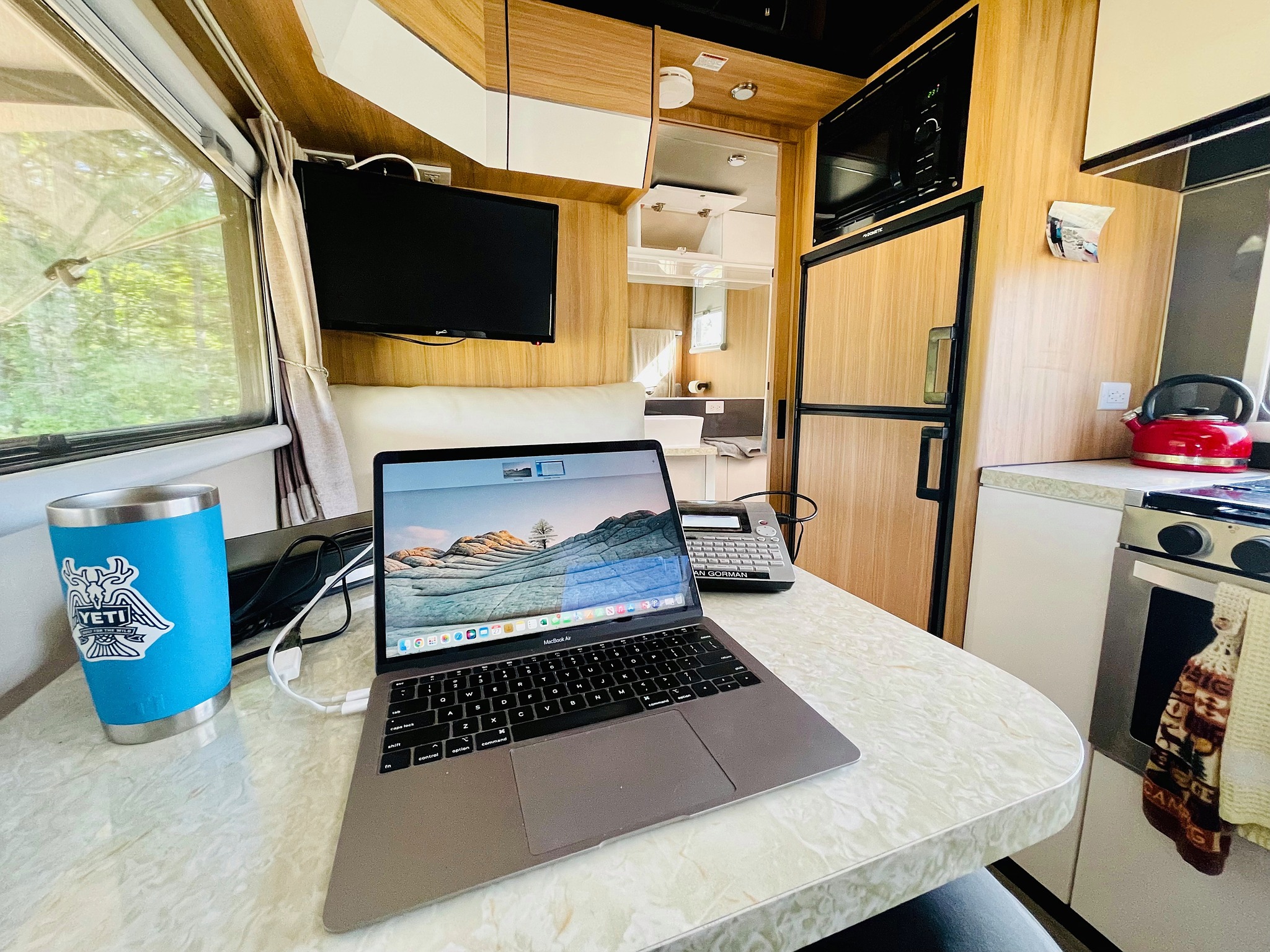
Parasitic draws are small electrical components that continue operating 24/7 for safety or convenience. These include propane detectors, carbon monoxide alarms, stereo memory settings that keep your radio presets, and various control panels that need standby power. While individually small, these loads can add up to 2-5 amps of continuous draw.
Your inverter represents one of the biggest hidden power drains. Even when not actively powering anything, most inverters consume 1-3 amps just sitting in standby mode, waiting to convert 12V battery power to 120V AC power. Over an 8-hour night, that’s potentially 24 amp-hours of “wasted” power just from the inverter being on.
This is why “everything off” rarely means actually off in an RV. Unlike your house, where you can flip a breaker and truly cut power to circuits, RVs are designed to keep certain safety and convenience systems running continuously.
Common Reasons RV Battery Is Draining Fast Overnight
Hidden Parasitic Loads You Don’t See
Beyond the normal parasitic draws, faulty components can create unexpected power drains that silently kill your battery. Malfunctioning propane detectors, for instance, can draw significantly more power than their normal 0.5-amp operating current. Aftermarket accessories like stereos, GPS units, or phone chargers often have standby modes that weren’t factored into your original power calculations.
Control boards and electronic panels throughout modern RVs also consume standby power. While designed to be minimal, aging electronics or poor-quality components can develop higher draws over time.
Inverter Left On Overnight
Your inverter’s idle power consumption varies dramatically by model and size. A 1000W inverter might draw 1.5 amps at idle, while a 3000W unit could pull 3-4 amps doing absolutely nothing. Many RV owners leave inverters on “just in case” without realizing this represents 12-32 amp-hours of overnight consumption.
The problem compounds when devices remain plugged into AC outlets. Even if your phone charger isn’t charging anything, it’s still drawing a small amount of power that gets converted through your inverter at roughly 90% efficiency, meaning you’re losing power in the conversion process.
Heating Systems and Cold Weather Effects
RV furnaces require significant blower power to circulate heated air, often drawing 7-10 amps while running. Even if your furnace only cycles on for 30 minutes throughout the night, that’s still 3.5-5 amp-hours of consumption just from the blower motor.
Cold weather creates a double impact on battery performance. Not only do your heating systems work harder, but battery capacity itself drops significantly in freezing temperatures. A battery that provides 100Ah at 70°F might only deliver 60-70Ah when temperatures drop below freezing.
Aging or Undersized Battery Bank
Many RVs come from the factory with minimal battery capacity, often just a single Group 24 battery providing 70-85 amp-hours. This works fine for occasional weekend trips with hookups, but fails miserably for extended boondocking or even overnight dry camping.
As batteries age, their capacity decreases. A three-year-old battery might only hold 70-80% of its original capacity, meaning your “100Ah” battery bank is really closer to 70-80Ah available power.
Poor Charging or Battery Health Issues
Sulfation in lead-acid batteries, incomplete charging cycles, and chronic undercharging all reduce your battery’s ability to hold a full charge. If your charging system isn’t bringing batteries to 100% capacity regularly, you might think you’re starting the night with full power when you’re actually beginning at 80-85%.
How to Diagnose RV Battery Drain (Step-by-Step)

Step 1: Measure Battery Voltage at Night and Morning
Use a digital multimeter to record your battery voltage right before bed and immediately upon waking. A healthy, fully charged 12V battery should read 12.6-12.8V at rest. If you’re dropping below 12.0V overnight, you have a significant drain issue that needs addressing.
Step 2: Identify Active Loads One by One
Turn off your main breaker and note the baseline voltage drop rate. Then turn on individual circuits one at a time, measuring the amp draw with a DC clamp meter. This systematic approach helps isolate which systems are consuming more power than expected.
Step 3: Test Inverter and Converter Behavior
Check your inverter’s actual idle draw versus its specifications. Many units draw more power than advertised, especially as they age. Also verify that your converter isn’t running unnecessarily, it should only operate when shore power is connected or your generator is running.
Step 4: Check Battery Condition and Age
Perform a capacity test by fully charging your batteries, then measuring how long they can sustain a known load. Batteries older than 3-4 years often test significantly below their rated capacity.
Step 5: Confirm Charging System Performance
Verify that your charging sources (solar, alternator, or shore power) are actually bringing batteries to full charge. Many charging systems stop at 80-90% capacity, leaving you starting each day with less than full power.
How to Stop RV Battery from Draining Overnight
The most effective solutions focus on eliminating unnecessary loads rather than just adding more battery capacity.
Install battery disconnect switches for non-essential circuits. This allows you to completely cut power to entertainment systems, unnecessary lighting circuits, and other convenience items while maintaining safety systems like smoke detectors.
Turn off your inverter unless you specifically need AC power overnight. Most nighttime activities can be accomplished with 12V LED lighting and DC-powered devices. If you need occasional AC power, use the inverter selectively rather than leaving it on standby.
Upgrade to efficient heating strategies. Consider using sleeping bags rated for your camping temperatures rather than running the furnace all night. Catalytic heaters or auxiliary heating systems can provide warmth without the high electrical draw of furnace blower motors.
Best Practices for Overnight Power Management While Boondocking
Successful overnight power management starts with realistic expectations and proper system sizing. Plan for 20-40 amp-hours of overnight consumption for basic comfort, including lighting, water pump operation, and safety systems.
Use LED lighting exclusively, a quality LED bulb consumes 1-3 watts compared to 10-20 watts for incandescent alternatives. Consider battery-powered lanterns for ambient lighting rather than hard-wired fixtures.
Establish charging schedules that ensure batteries reach 100% capacity regularly. Solar panels provide excellent maintenance charging during sunny days, while generators can quickly bulk charge batteries during meals or other high-usage periods.
Common Mistakes RV Owners Make With Batteries
Running batteries below 50% capacity significantly shortens their lifespan, especially with lead-acid types. What feels like “getting your money’s worth” actually costs far more in premature battery replacement.
Assuming shore power automatically fixes everything is another costly mistake. If your converter isn’t properly maintaining batteries or you have underlying parasitic draw issues, simply plugging in won’t solve the fundamental problems.
Many RV owners ignore battery age and continue expecting new-battery performance from units that are well past their prime. Battery replacement is a maintenance item, not a catastrophic failure, plan for it accordingly.
Over-relying on a single battery creates an all-or-nothing scenario. Multiple smaller batteries often provide better reliability and easier replacement than one large, expensive battery bank.
FAQs About RV Battery Draining Fast Overnight
How long should an RV battery last overnight?
A properly sized battery bank should easily last 2-3 nights of normal use without recharging. If you’re draining batteries in a single night, you either have excessive parasitic loads or insufficient capacity for your usage patterns.
Can a bad converter drain an RV battery?
Yes, faulty converters can create reverse current flow or fail to properly disconnect from the battery system. A malfunctioning converter might actually draw power from your batteries even when shore power isn’t connected.
Should I disconnect my RV battery at night?
Disconnecting batteries eliminates all parasitic draws but also disables safety systems like smoke detectors and security alarms. A better approach is using battery disconnect switches for non-essential circuits while keeping safety systems powered.
Does cold weather kill RV batteries faster?
Cold weather reduces available battery capacity and slows chemical reactions inside the battery. At 32°F, expect 20-30% less capacity than at 70°F. Extremely cold temperatures can also freeze electrolyte in lead-acid batteries, causing permanent damage.
How BlackSeries Designs RVs for Reliable Overnight Power
At BlackSeries RV, we understand that reliable power management is crucial for genuine off-grid adventures. Our travel trailers are designed with realistic electrical loads and properly sized battery systems that match real-world usage patterns rather than optimistic marketing claims.
Our off-road travel trailers feature integrated solar charging systems, efficient 12V appliances, and smart electrical design that minimizes parasitic loads. We balance comfort features with power efficiency, ensuring you can enjoy extended boondocking without constantly worrying about battery levels.
The key to preventing overnight battery drain lies in understanding your RV’s electrical system and making informed choices about power consumption. With proper diagnosis, realistic expectations, and smart power management strategies, you can enjoy reliable overnight power no matter where your adventures take you.

