RV comfort isn’t determined by square footage: it’s determined by whether your storage is designed for actual use.
Three critical insights every RV traveler needs to understand:
• Small spaces can handle long-term living when storage serves daily routines, not just weekend trips
• Most RV storage looks impressive but fails during real travel because it’s designed for appearance over function
• Off-road and full-time travelers need storage systems that prioritize security, accessibility, and durability over maximum capacity
What Does “RV Interior Storage” Really Mean?
True RV storage goes far beyond the number of cabinets or drawers. It’s about creating systematic organization that works when you’re living, cooking, sleeping, and traveling in the same 200-square-foot space.
Fixed storage includes built-in cabinets, overhead compartments, and permanent shelving. Modular storage involves movable containers, organizers, and systems you can reconfigure based on trip length or season.
The biggest misconception? Thinking that more cabinets equal better storage. In reality, accessible storage beats abundant storage every time. You need systems that let you find what you need quickly, secure items during travel, and maintain organization when space is tight.
Why RV Storage Is Such a Big Problem in the U.S.
American RV users face unique challenges that weekend campers simply don’t encounter. Full-time RV living and extended travel require fundamentally different storage strategies than occasional camping trips.
The core problems most RV owners struggle with:
Everything becomes a jumbled mess. Kitchen supplies, clothing, tools, and outdoor gear all compete for the same limited space. Without clear zones and systems, daily life becomes a constant treasure hunt.
Items shift and break during travel. Standard household storage solutions fail spectacularly when your home is bouncing down highways or off-road trails. Loose items become projectiles, creating noise, damage, and safety hazards.
Weekend RV design doesn’t work for real travel. Most RVs are designed assuming you’ll spend most of your time outside or in established campgrounds. Extended travel: especially off-grid adventures: demands storage that supports true daily living, not just sleeping and basic meal prep.
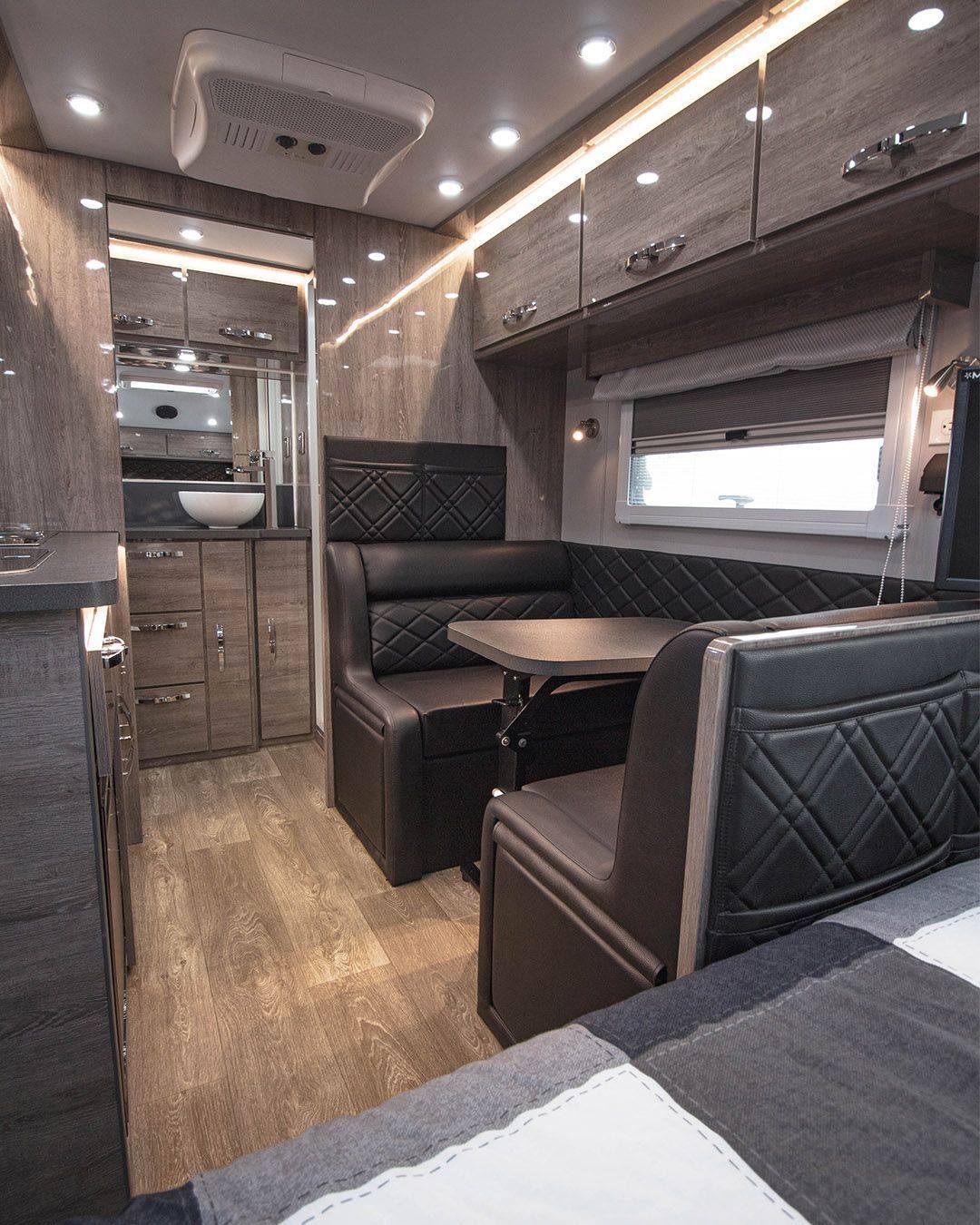
For off-road travelers, poor storage isn’t just inconvenient: it’s dangerous. Unsecured items can cause injury during sudden stops or rough terrain navigation.
How to Improve RV Interior Storage Step by Step
Step 1: Organize by Usage Frequency, Not Item Type
Traditional home organization advice suggests grouping like items together. In RV life, group by how often you access items instead.
Daily items need immediate access: coffee supplies, toiletries, phone chargers, medications. Weekly items can go in slightly harder-to-reach spots: extra clothing, backup supplies, books. Monthly items belong in the most inconvenient storage: seasonal gear, rarely-used appliances, emergency supplies.
Step 2: Maximize Vertical Wall Space
RV walls offer massive untapped storage potential. Install pegboards for tools and kitchen utensils. Use adhesive hooks and strips (20-pound capacity Command strips work well) for lightweight items on cabinet doors and bathroom walls.
Magnetic strips on metal surfaces hold knives, scissors, and small tools securely during travel while keeping them easily accessible.
Step 3: Transform Hidden Spaces into Storage Goldmines
Under beds, dinette seating, and stair treads often contain wasted space. Use vacuum-sealed bags for bulky items like winter clothing or extra bedding. Install slide-out drawers under beds for easier access to stored items.
Line under-bed storage areas with carpet remnants or rubber mats to prevent damage during loading and reduce travel noise.
Step 4: Implement Secure, Lockable Systems
Everything in your RV needs a designated “home” that keeps it secure during travel. Use sealed containers rather than open baskets for liquids and breakables. Install tension rods in cabinets to prevent items from sliding around.
Bungee cords and cargo nets work well for securing larger items in storage compartments that see regular access.

Best RV Interior Storage Ideas That Actually Work
Multi-functional furniture dominates small spaces. Ottoman storage, bench seating with built-in compartments, and convertible dining tables that reveal storage underneath serve dual purposes without consuming extra floor space.
Kitchen modular systems keep cooking functional. Stackable, nesting containers, lazy susans under sinks, and over-the-door organizers for spices and small appliances prevent kitchen chaos. Magnetic spice containers stick to metal surfaces and stay put during travel.
Clothing and gear separation prevents cross-contamination. Use separate systems for clean clothes, dirty laundry, and outdoor gear. Mesh bags work well for wet or sandy items, while hard-sided containers protect electronics and delicate items.
Child and pet-friendly storage solutions. Lower cabinets with child locks, toy storage that doubles as seating, and designated spaces for pet supplies keep family items organized and safe.
Storage Ideas for Different RV Lifestyles
Weekend campers can get away with basic organization and duffel bag living. Focus on easy-access storage for essentials and don’t over-invest in complex systems.
Full-time RV living demands residential-quality organization. You need storage for four seasons of clothing, work equipment, hobbies, and all the items that make a space feel like home. Invest in quality containers and systematic organization.
Families with kids require designated spaces for toys, school supplies, extra clothing, and safety items. Create storage that children can access independently while maintaining security during travel.
Off-road and overland travelers need storage that withstands extreme conditions. Every item must be secured against vibration, dust, and impact. Prioritize quick access to recovery gear, tools, and emergency supplies.
Why Storage Design Matters More in Off-Road RVs
At BlackSeries, we design storage around a fundamental principle: every item that comes aboard must have a specific, secure, quickly-accessible location.
Off-road travel creates storage challenges that highway camping never encounters. Washboard roads, steep inclines, and sudden stops test every storage system. Loose items don’t just create clutter: they become safety hazards and equipment damage.
Our approach differs from traditional RV “cabinet thinking.” Instead of maximizing storage volume, we focus on systematic security. Each storage area serves a specific purpose with appropriate securing mechanisms. Kitchen items stay in the kitchen zone, tools remain accessible but secure, and personal items have protected spaces that prevent damage during rough travel.
This isn’t about having more storage: it’s about having smarter storage that works when you’re actually using your RV for adventure, not just display.
Real-World Storage Scenarios
The full-time couple scenario: After six months on the road, successful couples develop clothing rotation systems using stackable bins: one for current season clothes, one for next season, one for laundry. They keep 7 days of meals worth of kitchen supplies easily accessible, with bulk storage for longer-term supplies.
The 7-day versus 30-day difference: Week-long trips allow for pre-packed bins and minimal unpacking. Month-long adventures require living systems: you need to cook, clean, work, and relax comfortably. Storage must support daily routines, not just survival.
Systematic versus random storage: Organized travelers can set up and break camp in 15 minutes because everything has a designated place. Random packers spend 2-3 times longer searching for basic items and dealing with constant re-organization.
Frequently Asked Questions
What are the best RV interior storage ideas for beginners?
Start with adhesive hooks, stackable containers, and under-bed storage. Focus on securing items during travel before optimizing for convenience.
How do you maximize storage in a small RV?
Use vertical wall space, multi-functional furniture, and organize by usage frequency rather than item type. Every surface can potentially hold storage.
What storage solutions work best for off-road RVs?
Prioritize secured storage over capacity. Use lockable containers, bungee systems, and avoid anything that can become a projectile during rough travel.
Is built-in storage better than add-on organizers?
Built-in storage provides better security and integration, but quality add-on systems offer flexibility and can be upgraded over time.
How do you keep items secure while driving off-road?
Every item needs a designated spot with appropriate securing mechanism: magnetic strips, bungee cords, sealed containers, or built-in restraints depending on the item.
How do full-time RVers organize their space effectively?
Successful full-timers create zones for different activities, rotate seasonal items, and invest in quality organizational systems that support daily living routines rather than just camping convenience.

