In American camping culture, an RV with outdoor kitchen and grill isn’t just a convenience feature, it’s the centerpiece of the entire experience. While European RVers might prioritize interior amenities, American campers understand that the real magic happens outside, where the sizzle of food on hot grates and the aroma of campfire cooking create memories that last a lifetime.
Here are the three critical points every RV shopper needs to understand:
• Americans cook outdoors by choice, not necessity – keeping food odors, grease, and heat outside while maximizing social interaction
• True outdoor kitchens offer dedicated prep space, water access, and weather protection – far beyond just a portable grill mounted on the bumper
• Most standard RV outdoor kitchens are poorly designed – lacking the workspace, storage, and durability needed for real outdoor cooking
What Is an RV with Outdoor Kitchen and Grill?
An authentic RV outdoor kitchen combines multiple integrated components: a built-in grill or cooktop, dedicated prep surfaces, convenient water access, and adequate storage, all designed to function as a complete cooking system outside your RV.
Understanding the terminology matters:
- Grill: Direct-heat cooking surface, typically gas-powered with LP quick-connect
- Cooktop: Flat cooking surface, often a griddle-style setup for versatile meal preparation
- Prep station: Counter space with cutting boards, storage, and often a small sink
- Outdoor kitchen: The complete integrated system combining cooking, prep, and storage
The key distinction is between marketing outdoor kitchens (a simple grill mounted on the rear bumper) and functional outdoor kitchens that support real daily cooking with proper workspace and storage integration.
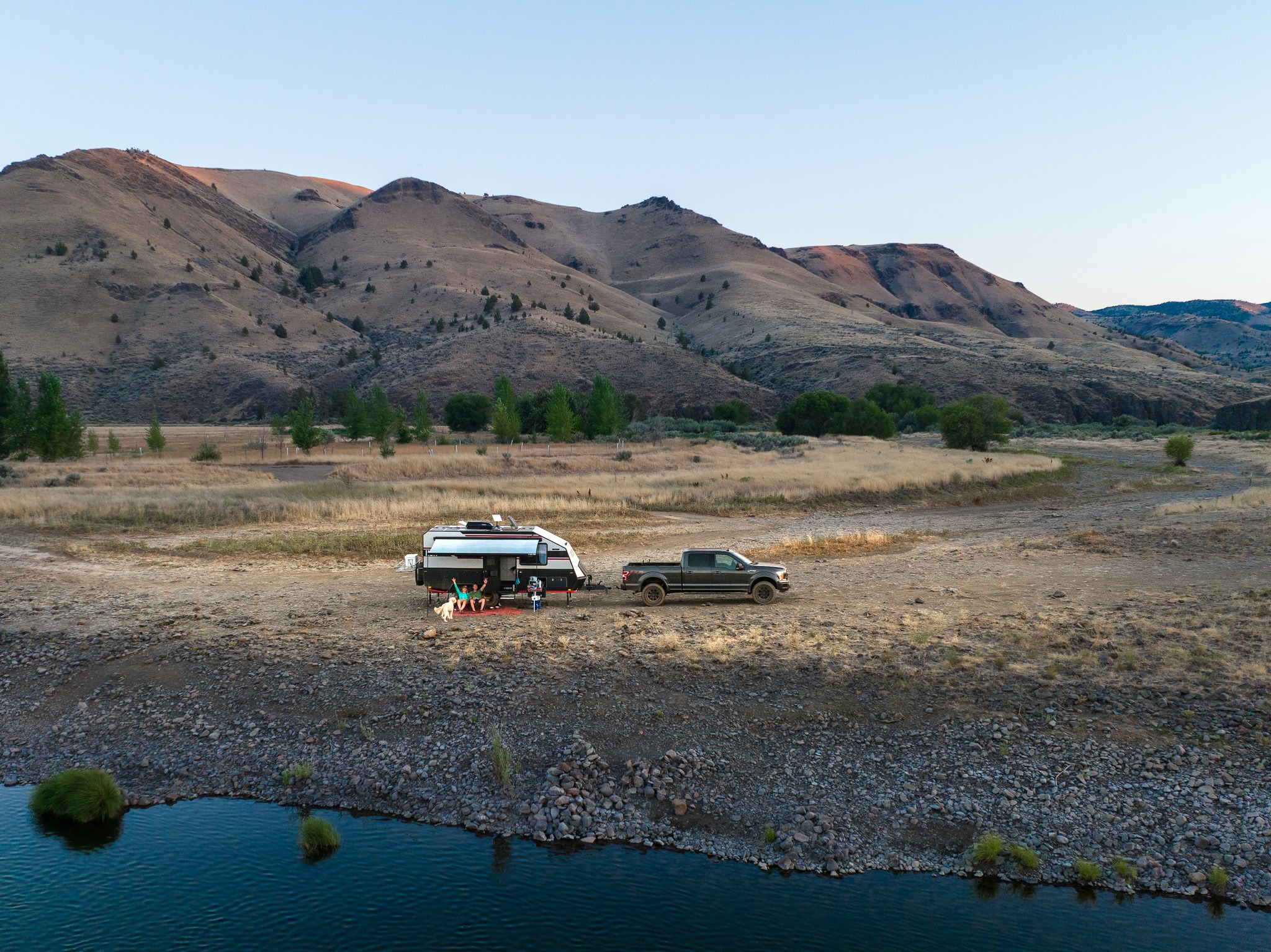
Why Outdoor Cooking Is the Heart of American Camping
American camping culture is built around three core outdoor cooking scenarios that define the experience:
BBQ and Family Gatherings: The tradition of gathering around a grill creates natural social hubs where family stories are shared and relationships deepen. Unlike indoor cooking, outdoor grilling encourages participation, everyone can help flip burgers, tend vegetables, or prepare sides.
Campfire and Grill Combination: The dual experience of maintaining a campfire for ambiance while using a grill for practical cooking represents the perfect balance of tradition and convenience that modern American campers seek.
Tailgating and Social Camping: Whether at national parks, rallies, or group camping events, outdoor cooking equipment transforms your RV site into a welcoming community space where neighbors naturally gather.
The practical reasons run deeper than tradition:
- Odor and grease management: Keeping bacon grease, fish smells, and barbecue smoke outside prevents interior contamination
- Heat reduction: Summer camping becomes more comfortable when heat-generating cooking happens outside
- Space efficiency: Outdoor cooking frees up interior space for relaxation and sleeping
- Weather independence: A properly designed outdoor kitchen with awning coverage works in light rain or wind
How to Choose the Right RV with Outdoor Kitchen and Grill
Step-by-Step Selection Checklist
1. Evaluate Grill and Cooking Options
- Gas connectivity: LP quick-connect vs. dedicated propane line
- Cooking surface size: Minimum 300 square inches for family cooking
- Heat output: Look for at least 12,000 BTU for effective searing
- Removability: Can the grill be removed for ground-level cooking?
2. Assess Prep Space and Storage
- Counter depth: Minimum 12 inches for practical food preparation
- Storage accessibility: Can you reach utensils and ingredients while cooking?
- Water access: Sink or at minimum a spigot within arm’s reach of prep area
- Cutting board integration: Dedicated space that won’t blow away in wind
3. Consider Weather and Environment Factors
- Awning integration: Does the kitchen work under cover during rain?
- Wind resistance: Stable cooking platform that won’t be affected by gusts
- Ground clearance: Will the setup work on uneven terrain typical of dispersed camping?
- Dust and debris protection: Covers and storage for equipment when not in use

Best RV with Outdoor Kitchen: What Really Matters
When evaluating RV outdoor kitchen options, focus on these critical selection criteria rather than getting distracted by brand names or flashy features:
Daily Use Frequency: Ask yourself honestly, will you use this outdoor kitchen daily during a week-long trip? The best systems are designed for high-frequency use, not occasional weekend cooking.
Multi-Person Workflow: Can two people work simultaneously without crowding? Look for L-shaped or galley-style layouts that provide separate prep and cooking zones.
Extreme Weather Performance: The outdoor kitchen should function reliably in wind, dust, and light precipitation, conditions you’ll inevitably encounter during extended travel.
Off-Road Compatibility: If you plan dispersed camping or off-road adventures, ensure the outdoor kitchen components can handle vibration, dust, and uneven setup surfaces without damage.
For more insights on essential RV features for outdoor enthusiasts, check out our comprehensive guide on dispersed camping essentials.
Why Outdoor Kitchens Matter More in Off-Road RVs
BlackSeries takes a fundamentally different approach: we design for camp life that happens primarily outside the RV, not inside. This philosophy transforms how we think about outdoor cooking systems.
Our core design principle: The RV interior is for sleeping, storage, and weather protection, the outdoor kitchen is for living.
In off-road and overland scenarios, this outdoor-first approach becomes even more critical:
- Extended remote camping means you’re cooking outside for days or weeks, not just weekend evenings
- Dusty and muddy conditions make outdoor cooking equipment easier to clean and maintain than indoor appliances
- Natural camp integration allows your cooking area to flow seamlessly with campfire, seating, and gear staging areas
The HQ19 and HQ21 models exemplify this philosophy with outdoor kitchens designed as primary cooking systems, not backup options. These systems include dedicated LP lines, integrated storage, and prep surfaces sized for real meal preparation in challenging environments.
Outdoor Kitchen vs Indoor Kitchen: Which Do You Really Need?
Choose outdoor-focused RV layouts if you:
- Plan trips longer than 4-5 days
- Camp primarily in good weather months (spring through fall)
- Enjoy the social aspects of camping and want to interact with fellow campers
- Have experience with outdoor cooking and camp kitchen management
Choose indoor-focused layouts if you:
- Camp frequently in winter or inclement weather
- Prefer privacy and quiet meal times
- Have mobility limitations that make outdoor cooking challenging
- Plan mainly short weekend trips with minimal cooking requirements
The reality for most American RVers: You’ll end up using both systems. The question is which one you want to be your primary cooking method during extended trips.
Real-World Usage Data: Why Outdoor Kitchens Win
Based on customer feedback and camping behavior analysis, here’s what we’ve learned about outdoor kitchen usage patterns:
7-Day Trip Cooking Breakdown:
- Outdoor kitchen use: 70% of all meal preparation
- Indoor kitchen use: 20% (mainly coffee, quick snacks, rainy day meals)
- Campfire/portable equipment: 10% (s’mores, late-night cooking)
Daily Outdoor Kitchen Activities:
- Morning coffee and breakfast: 45 minutes
- Lunch prep and cleanup: 30 minutes
- Dinner preparation and social cooking: 90 minutes
- Total daily use: Nearly 3 hours
User Experience Comparison:
RVers with well-designed outdoor kitchens report 40% higher satisfaction with their camping experience compared to those relying primarily on indoor cooking, primarily due to increased social interaction and better integration with outdoor activities.
FAQ: RV Outdoor Kitchen and Grill
What counts as a real outdoor kitchen in an RV?
A true outdoor kitchen includes integrated cooking equipment (grill or cooktop), dedicated prep surfaces, convenient water access, and weather-protected storage. A simple grill mounted on the bumper doesn’t qualify as a complete outdoor kitchen system.
Is an outdoor kitchen worth the extra cost on an RV?
For American-style camping involving social interaction, extended trips, and fair-weather travel, outdoor kitchens typically justify their cost through increased usage and enhanced camping experience. However, they’re less valuable for winter camping or short weekend trips.
Can you use an RV outdoor grill while off-grid?
Yes, most RV outdoor grills run on propane and don’t require electrical connections. However, features like electric ignition, lights, or exhaust fans may need 12V power from your battery system.
What’s the difference between RV outdoor and indoor kitchens?
Outdoor kitchens prioritize social cooking, odor management, and heat reduction, while indoor kitchens offer weather protection and privacy. Most RVers end up using outdoor kitchens as their primary system during good weather.
Are outdoor kitchens common in American RVs?
Outdoor kitchen options are increasingly standard in mid-range and premium American RVs, reflecting the cultural importance of outdoor cooking in American camping. European RV designs typically emphasize indoor amenities instead.
Do off-road RVs need outdoor kitchens?
Off-road and overland RVs benefit significantly from outdoor kitchens because extended remote camping makes outdoor cooking a daily necessity rather than an occasional activity. The durability and dust resistance of outdoor equipment also suit off-road conditions better than delicate indoor appliances.
For more information about BlackSeries outdoor kitchen configurations, visit our product pages or explore our complete guide to camping in challenging weather conditions.

