Proper RV lithium battery maintenance focuses on correct charging, controlled discharging, and temperature management. Following best practices can significantly extend lithium battery lifespan in RV and off-grid use, ensuring reliable power for your adventures while maximizing your investment.
What Is RV Lithium Battery Maintenance?
RV lithium battery maintenance differs significantly from traditional lead-acid battery care. Modern lithium iron phosphate (LiFePO4) batteries require minimal hands-on maintenance but benefit greatly from proper usage protocols and monitoring.
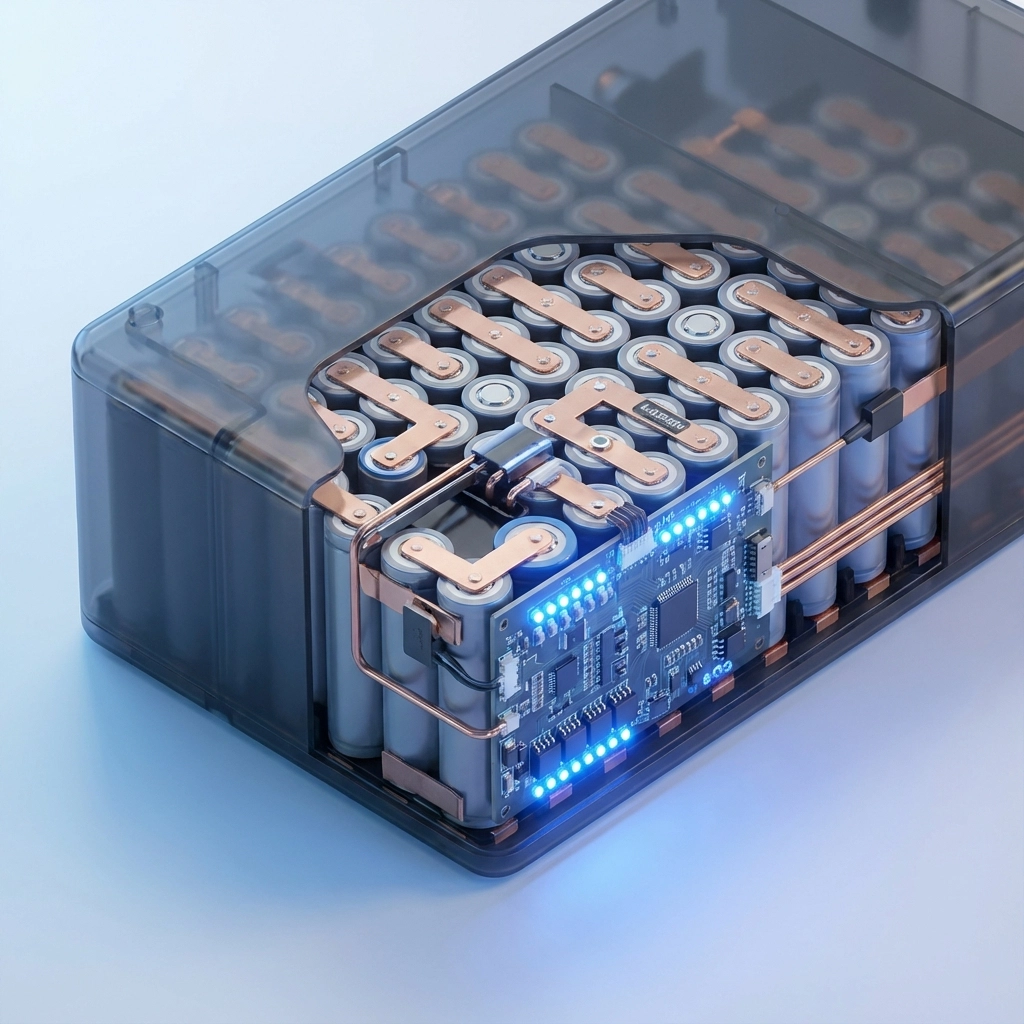
Unlike lead-acid batteries that need regular water level checks and equalization charging, lithium rv battery care centers on three core principles: optimal charging patterns, controlled discharge cycles, and temperature management. The built-in Battery Management System (BMS) handles cell balancing and protection automatically, but users must still follow proper charging and discharging practices.
The BMS acts as the battery’s brain, monitoring individual cell voltages, temperatures, and current flow. It prevents overcharging, over-discharging, and thermal runaway while maintaining cell balance. However, the BMS cannot compensate for improper user practices like charging in freezing temperatures or using incompatible chargers.
Why Proper Lithium Battery Care Matters in RVs
Lithium batteries represent a significant investment, typically 3-4 times more expensive than comparable lead-acid systems. However, their superior performance and longevity make them cost-effective over time. A quality LiFePO4 battery can provide 3,000-5,000+ charge cycles compared to 300-500 cycles from lead-acid batteries.
For RV enthusiasts pursuing off-grid adventures, lithium batteries offer unmatched advantages. They maintain consistent voltage throughout the discharge cycle, deliver higher usable capacity (90-95% vs. 50% for lead-acid), and recharge much faster. This makes them ideal for dispersed camping where reliable power is essential.
Key benefits of proper lithium battery care:
- Extended lifespan of 8-10 years with proper maintenance
- Consistent power delivery for demanding electronics
- Reduced weight compared to equivalent lead-acid capacity
- Faster charging rates for quicker turnaround times
- Lower self-discharge rates during storage
RV Lithium Battery Charging Tips
Proper charging techniques form the foundation of rv lithium battery charging tips. Unlike lead-acid batteries, lithium batteries don’t require full discharge before recharging and actually prefer partial discharge cycles.
Optimal Charging Range
Charge your lithium battery after each use rather than waiting for deep discharge. The ideal charging range keeps the battery between 20% and 90% state of charge (SOC) for daily use. While lithium batteries can handle 100% charging, staying within this range during regular use extends overall lifespan.
Charger Compatibility
Always use a lithium-compatible charger with the correct charging profile. Standard lead-acid chargers may damage lithium batteries or reduce their lifespan. Look for chargers specifically designed for LiFePO4 chemistry with proper voltage limits (typically 14.2-14.6V for 12V systems).
Multiple Charging Sources
Modern RV electrical systems utilize multiple charging sources:
Solar charging provides the gentlest, most efficient charging method. Solar controllers with lithium profiles prevent overcharging while maximizing solar harvest.
DC-to-DC chargers efficiently charge lithium batteries from your vehicle’s alternator while driving, typically providing 20-40 amp charging rates.
Shore power offers the fastest charging option through AC-to-DC converters, ideal for quick turnaround between trips.
Temperature Considerations
Never charge lithium batteries below 32°F (0°C) unless your system includes battery heating. Cold-temperature charging can cause lithium plating, permanently reducing capacity and creating safety hazards.
RV Lithium Battery Discharging Best Practices
Smart rv lithium battery discharging best practices protect your investment and ensure consistent performance. Unlike lead-acid batteries that suffer from sulfation when deeply discharged, lithium batteries face different challenges.
Recommended Discharge Depth
Limit discharge to 80% depth of discharge (DoD) for optimal longevity. While lithium batteries can safely discharge to 95% DoD, staying above 20% SOC extends cycle life significantly. Most quality BMS systems will disconnect loads before damaging discharge levels.
High-Load Considerations
Lithium batteries excel at high-current applications like air conditioners, microwaves, and power tools. However, sustained high-load discharge generates heat and can trigger BMS protection. Monitor battery temperature during heavy use and allow cooling periods when necessary.
Load Management
Distribute power consumption across multiple devices rather than running everything simultaneously at maximum draw. This reduces stress on the battery and BMS while maintaining stable voltage levels for sensitive electronics.

How to Extend RV Lithium Battery Lifespan
Maximizing rv lithium battery lifespan requires attention to environmental factors and usage patterns beyond basic charging and discharging protocols.
Temperature Management
Store and operate lithium batteries within their recommended temperature range of 32°F to 104°F (0°C to 40°C). Extreme temperatures reduce capacity and can damage battery components. In hot climates, provide adequate ventilation around battery compartments. For cold weather camping, consider battery heaters or insulated compartments.
Winter Storage Guidelines
For extended winter storage, maintain batteries at 50-60% SOC and store in a temperature-controlled environment if possible. Check voltage monthly and recharge if it drops below 50% SOC. Avoid storing fully charged batteries for extended periods, as this can reduce overall lifespan.
Cycling Maintenance
If batteries remain unused for extended periods (6+ months), perform a complete charge-discharge cycle to maintain optimal performance. This helps recalibrate the BMS and ensures all cells remain balanced.
RV Lithium Battery Maintenance Checklist
Regular maintenance ensures peak performance and early problem detection. Use this comprehensive checklist monthly:
Visual Inspection:
- Check battery case for cracks, swelling, or damage
- Inspect terminals for corrosion or loose connections
- Verify BMS indicators show normal operation
- Examine wiring for wear or heat damage
Electrical Testing:
- Measure resting voltage (should be 13.2-13.4V for 12V systems)
- Test charging voltage under load
- Monitor charging and discharging currents
- Verify BMS cutoff functions work properly
System Integration:
- Update monitoring software/firmware if available
- Calibrate battery monitors and displays
- Test load disconnect and reconnect functions
- Verify charger compatibility and settings
Common Lithium Battery Mistakes RV Owners Make
Avoiding these common mistakes prevents premature battery failure and safety hazards:
Charging at freezing temperatures tops the list of destructive practices. Even brief charging sessions below 32°F can cause permanent damage. Always wait for batteries to warm above freezing before charging.
Using incompatible chargers designed for lead-acid batteries can overcharge lithium cells, triggering BMS protection or causing damage. Invest in proper lithium-specific charging equipment.
Storing at 100% charge for extended periods stresses lithium cells and reduces lifespan. Maintain 50-60% SOC during long-term storage.
Ignoring BMS warnings or attempting to bypass protection systems compromises safety. If the BMS disconnects loads or charging, identify and resolve the underlying issue rather than forcing operation.
Why BlackSeries RVs Are Optimized for Lithium Battery Systems
BlackSeries RVs incorporate electrical systems specifically designed to maximize lithium battery performance in demanding off-road environments. Our trailers feature DC-to-DC charging systems that properly charge lithium batteries while towing, eliminating the guesswork of compatibility.
The rugged construction and advanced electrical architecture of BlackSeries trailers complement lithium battery advantages. When you’re camping in remote locations accessed through challenging terrain, reliable power becomes critical for safety and comfort. Our integrated solar systems, efficient LED lighting, and optimized 12V appliances work seamlessly with lithium battery banks to extend off-grid capability.
For serious adventurers pushing into the backcountry, BlackSeries RVs provide the robust platform needed to fully utilize lithium battery technology. The combination of proper electrical integration and rugged construction ensures your power system performs reliably regardless of conditions.
FAQ
Should I charge my RV lithium battery to 100%?
While lithium batteries can safely charge to 100%, maintaining them between 20-90% SOC during regular use extends overall lifespan. Reserve full charging for when maximum capacity is needed.
What is the best discharge level for lithium RV batteries?
Limit discharge to 80% depth of discharge (20% remaining SOC) for optimal longevity. The BMS will protect against damaging over-discharge, but staying above 20% SOC maximizes cycle life.
Can lithium batteries be used in cold weather RVing?
Yes, but with precautions. Lithium batteries can discharge in cold weather but should never be charged below 32°F. Consider battery heating systems for winter camping or store batteries in heated areas.
How long do RV lithium batteries really last?
Quality LiFePO4 batteries typically provide 3,000-5,000+ cycles when properly maintained, translating to 8-10 years of typical RV use. This significantly exceeds lead-acid battery lifespan of 2-3 years.
Do lithium batteries require less maintenance than AGM?
Yes, lithium batteries require minimal physical maintenance; no water levels to check or terminals to clean frequently. However, they do require proper charging protocols and temperature management for optimal performance.

