To upgrade an RV means improving your camping experience by moving to a newer, larger, or more capable RV, either through modifications or by upgrading to an entirely different model. This isn’t about fixing what’s broken; it’s about unlocking what’s possible.
If you’ve been eyeing remote trails, dreaming of extended boondocking trips, or simply outgrowing your current rig, 2026 is the year to make your move. This guide walks you through when to upgrade, how to do it right, and why capability matters more than size.
What Does It Mean to Upgrade an RV?
Let’s clear something up right away: upgrading your RV is not the same as repairing it.
- Repair = Fixing something that’s broken
- Replacement = Swapping for something similar
- Upgrade = Moving to something demonstrably better
The key distinction lies in what we call a capability upgrade. This means enhancing your RV’s fundamental ability to handle terrain, weather, distance, and off-grid living, not just adding cosmetic touches or fixing leaky seals.
Think of it this way: adding a nicer mattress is a comfort improvement. Adding an all-terrain suspension system that lets you access trails you couldn’t before? That’s a capability upgrade.
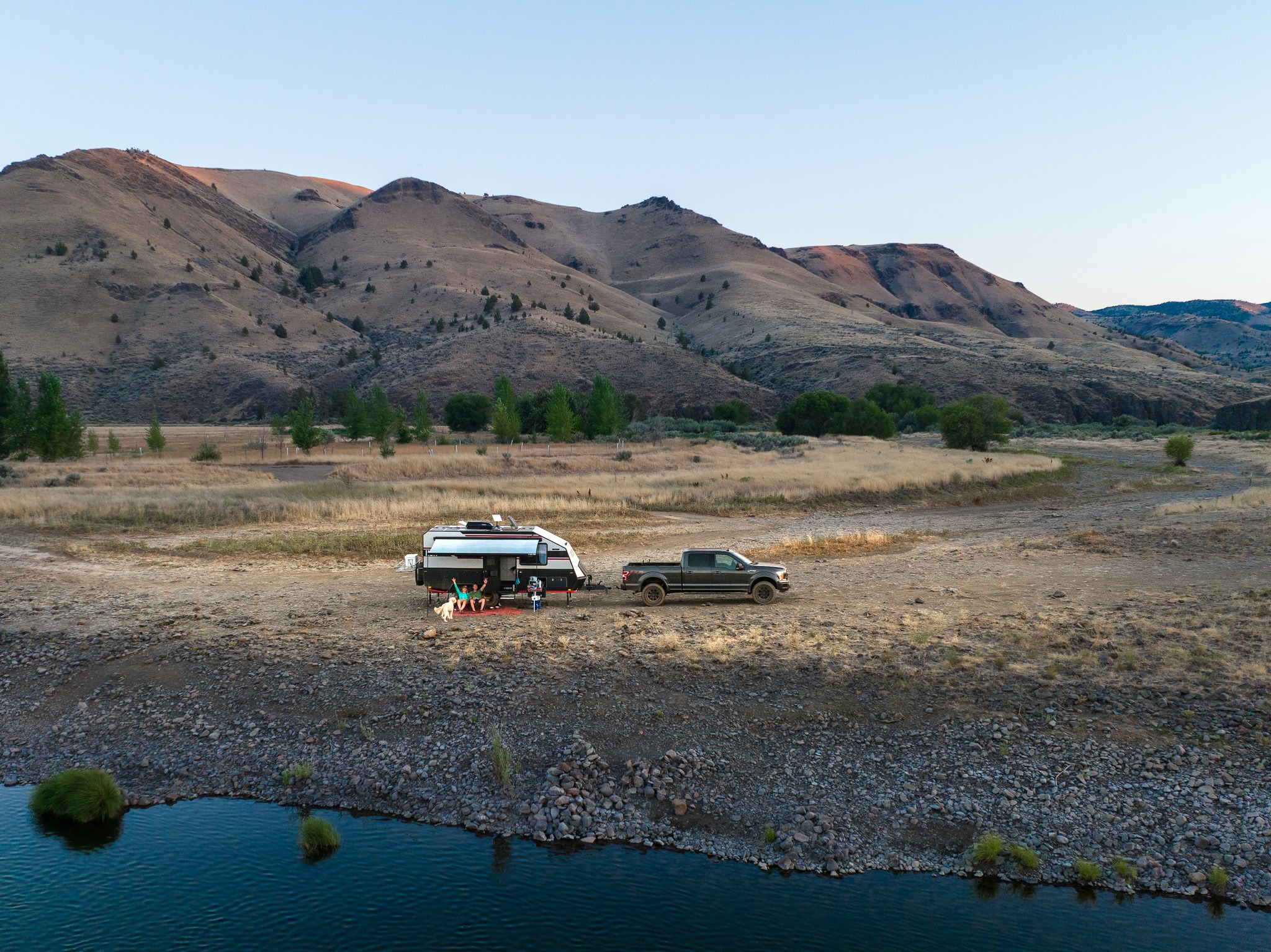
For many RV owners, the ultimate capability upgrade means transitioning from a standard travel trailer to a purpose-built off-road travel trailer designed for serious adventure.
Signs It’s Time to Upgrade Your RV
How do you know when it’s time? Here are the telltale signals:
Off-Grid Limitations
Your current RV can’t support more than a night or two without hookups. You’re constantly hunting for RV parks instead of exploring remote destinations.
Terrain Restrictions
Gravel roads make you nervous. Forest service roads are completely off-limits. Your suspension bottoms out on anything rougher than pavement.
Space and Payload Issues
You’ve maxed out storage. Your gear exceeds your payload capacity. Understanding average travel trailer weights has become essential because you’re constantly calculating what you can and can’t bring.
Increased Usage Frequency
What started as occasional weekend trips has become monthly adventures. Your RV usage has doubled, but your rig hasn’t kept pace.
Life Changes
Your family grew. Your dogs need more room. You retired and want to spend six months on the road instead of six weekends.
If three or more of these resonate, you’re not just ready for an upgrade, you’re overdue.
Upgrade RV vs Buy New: What’s the Difference?
These terms get used interchangeably, but they represent fundamentally different decisions:
The bottom line: A true upgrade isn’t about getting something shiny and new. It’s about getting something that actually performs better for your specific use case.
Someone who trades their 30 foot RV (with an average weight around 7,500-8,500 lbs) for a lighter, more capable off-road trailer isn’t downsizing, they’re upgrading their access to adventure.
Is It Worth Upgrading an RV?
Let’s analyze this from four critical angles:
1. Experience Enhancement
Can you access places you couldn’t before? Can you stay longer without hookups? If yes, your adventure quality multiplies.
2. Total Cost of Ownership (TCO)
A higher upfront cost often means lower maintenance, better fuel efficiency (due to optimized weight), and fewer repairs. Run the five-year numbers, not just the sticker price.
3. Depreciation vs. Usage Value
Standard RVs depreciate rapidly. Premium off-road trailers with military-grade construction hold value significantly better. Learn more about RV trade-in value to understand how this affects your long-term investment.
4. Future Flexibility
Will this RV support an RV trade up or RV exchange down the road? Buying a rig with strong resale demand protects your options.
For frequent users, capability upgrades almost always pay for themselves in expanded experiences and retained value.
Ways to Upgrade an RV
You have two primary paths. Let’s break down both.
Option 1: Upgrade Your Existing RV
This approach involves modifying your current trailer:
- Suspension upgrades – Better shocks, lift kits, upgraded axles
- Solar installations – Panels, lithium batteries, inverters
- Tire upgrades – All-terrain tires for improved traction
- Storage solutions – Roof racks, external boxes, organization systems
The limitation: You can only push a standard RV so far. A 16 ft camper weight of around 3,500 lbs on a standard single-axle frame wasn’t engineered for serious off-road use. No amount of aftermarket modifications changes the fundamental chassis design, construction materials, or structural integrity.
Eventually, you hit a ceiling where additional modifications deliver diminishing returns.
Option 2: Upgrade to a More Capable RV
This is where transformational change happens:
- Chassis design – Purpose-built for rough terrain
- Construction materials – Aluminum vs. wood-frame construction
- Integrated off-grid systems – Solar, water, and power designed as a system
- Suspension engineering – Independent suspension built for trails, not highways
Models like the BlackSeries HQ21 exemplify this approach, engineered from the ground up for off-road capability rather than retrofitted for it.

Best RVs to Upgrade To in 2026
The market is shifting dramatically toward three categories:
Overland RVs
Built for expedition-style travel with robust construction and trail-ready engineering.
Off-Grid RVs
Designed for extended stays without hookups, featuring large solar arrays, substantial water capacity, and lithium battery systems.
Lightweight but Durable Builds
Using aerospace-grade aluminum instead of wood to reduce weight while increasing strength. An 18 ft camper weight can vary by over 1,000 lbs depending on construction materials.
Why BlackSeries Represents the Smart Upgrade
BlackSeries trailers check every box for capability-focused upgraders:
- All-aluminum body construction – No wood rot, reduced weight, increased durability
- Independent suspension – Each wheel responds independently to terrain
- Military-grade materials – Built to expedition standards
- Integrated off-grid systems – Solar, lithium batteries, and water systems designed as unified systems
- Strong resale market – Limited production creates sustained demand
For owners considering rugged upgrades, BlackSeries represents the destination, not just another stop along the way.
How to Upgrade Your RV: Step-by-Step
Step 1: Define Your Use Scenarios
Where do you actually want to go? What’s stopping you now? Be specific about terrain, trip length, and off-grid needs.
Step 2: Evaluate Your Current RV’s Ceiling
Can modifications address your limitations, or have you maxed out what’s possible? Consider whether your 24 ft camper weight allows for the payload you need.
Step 3: Calculate Upgrade vs. Replace Costs
Add up potential modifications against the cost of upgrading to a purpose-built rig. Include the hidden costs of incremental upgrades.
Step 4: Choose a Brand That Supports Your Path
Select manufacturers with clear upgrade paths, strong trade-in programs, and proven resale values.
Step 5: Execute Through Trade-Up or Exchange
Use your current RV’s value strategically. Explore trade-up options or exchange programs that simplify the transition.
Common RV Upgrade Mistakes to Avoid
Confusing Size with Capability
A bigger RV isn’t necessarily a better RV. A 30 foot RV weight of 8,000+ lbs limits where you can go and what you can tow it with.
Ignoring Future Resale Value
That budget trailer might cost less today but could be worth far less when you’re ready to upgrade again.
Underestimating Long-Term Costs
Cheap construction means expensive repairs. Wood-frame trailers in humid climates are maintenance nightmares.
Over-Modifying Inadequate Platforms
Spending $15,000 on modifications for a trailer that wasn’t designed for the job rarely makes sense versus investing that money toward a purpose-built rig.
Frequently Asked Questions
When should I upgrade my RV?
When your current rig limits where you can go, how long you can stay, or requires constant workarounds to meet your adventure needs. If you’re planning trips around your RV’s limitations rather than your interests, it’s time.
Is it better to upgrade or replace an RV?
Modifications make sense for minor improvements. For fundamental capability changes, off-road access, extended off-grid stays, rough terrain, replacing with a purpose-built rig typically delivers better value.
Can I upgrade an RV that’s financed?
Yes. Most dealers can work with financed vehicles during trade-ups. Your current loan gets paid off as part of the transaction, and the remaining equity applies to your upgrade.
Is upgrading to a BlackSeries RV worth it?
For owners who prioritize off-road capability, off-grid independence, and long-term value retention, BlackSeries represents one of the strongest upgrade paths in the market. The combination of military-grade construction and strong resale demand makes it a smart investment for serious adventurers.
Make 2026 Your Upgrade Year
The difference between a good camping trip and an unforgettable adventure often comes down to one thing: capability. Your RV should expand your possibilities, not limit them.
Whether you’re modifying your current rig or making the leap to a purpose-built off-road travel trailer, the key is matching your equipment to your ambitions.
Ready to explore your upgrade options? Browse the BlackSeries lineup and discover what’s possible when capability meets craftsmanship.

