A Variable Tire Pressure System allows drivers to adjust tire pressure instantly based on terrain conditions. BlackSeries integrates advanced pressure control technology to improve traction, comfort, and safety for serious off-road travel.
Whether you’re crossing soft desert sand, navigating rocky mountain trails, or cruising back onto the highway, your tire pressure makes all the difference. Understanding how variable tire pressure systems work, and why BlackSeries builds them into our off-road trailers, gives you a real advantage in the backcountry.
What Is a Variable Tire Pressure System?
Basic Definition
A variable tire pressure system is an on-board technology that enables real-time tire pressure adjustment while driving or stationary. Instead of stopping to manually deflate or inflate tires for different terrain, drivers can optimize pressure on-demand through electronic controls.
The core principles include:
- Real-time tire pressure adjustment based on current driving conditions
- On-demand inflation and deflation without leaving the vehicle
- Terrain-based optimization for maximum performance across surfaces
This technology transforms how overlanders approach challenging terrain, eliminating guesswork and reducing downtime.
Core Components
Every effective variable tire pressure system relies on these key elements working together:
BlackSeries integrates these components into a unified system designed specifically for the demands of off-road travel trailer operation.
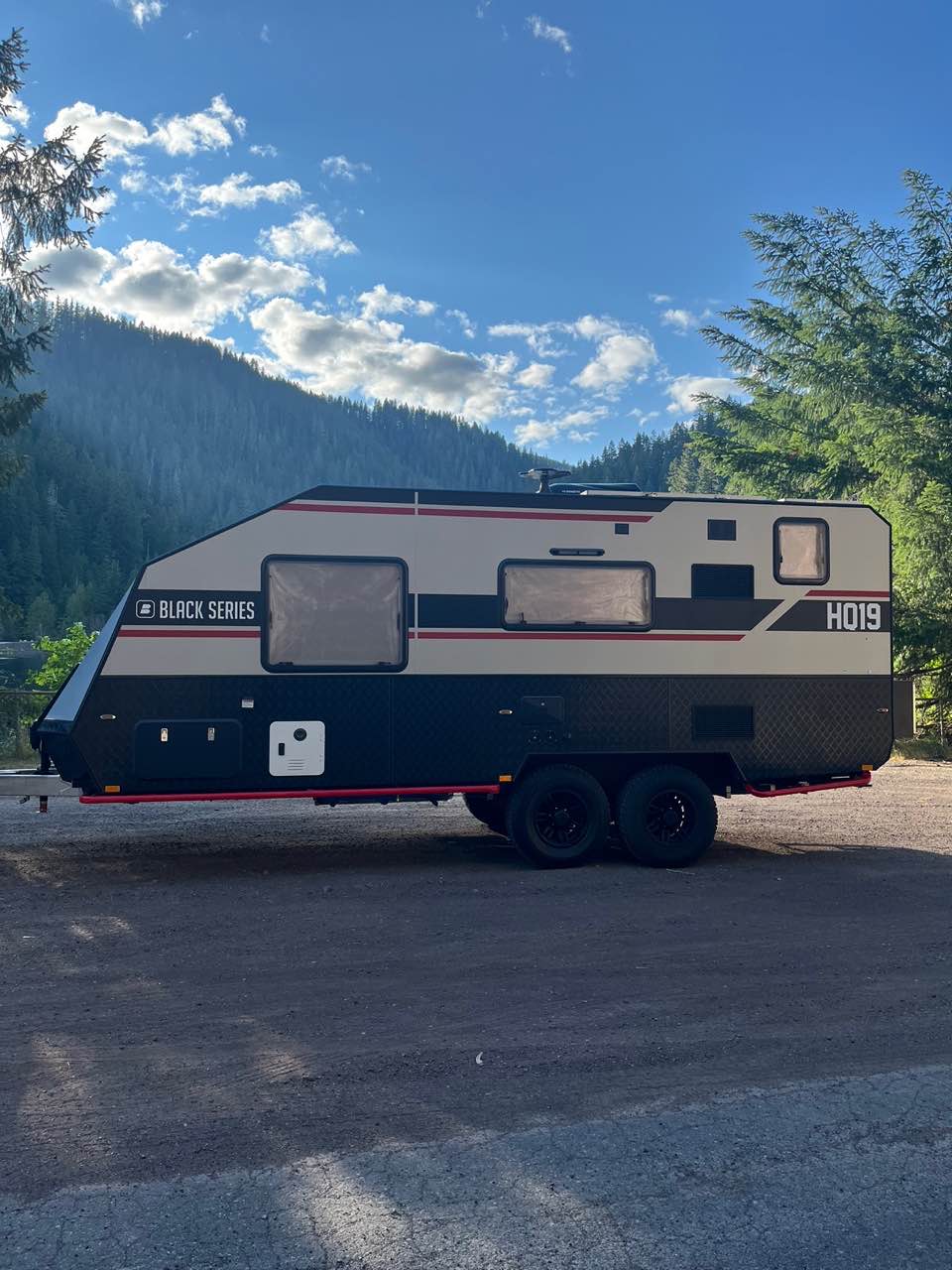
Why Tire Pressure Matters Off-Road
Effects of Correct Tire Pressure
Finding the best tire pressure for off-road driving isn’t just about comfort, it directly impacts every aspect of vehicle and trailer performance:
Traction Improvement: Lower pressure increases the tire’s contact patch with the ground, dramatically improving grip on loose or soft surfaces. Research shows proper pressure adjustments can increase traction by 25-40% on challenging terrain.
Ride Comfort: Softer tires absorb impacts better, reducing jarring vibrations that cause driver fatigue and potential cargo damage during extended backcountry travel.
Tire Lifespan: Running incorrect pressure accelerates wear. Too high causes center-tread wear; too low damages sidewalls. Optimal pressure extends tire life significantly.
Fuel Efficiency: Studies indicate proper pressure management improves fuel economy by 3-4% by reducing rolling resistance when matched to current conditions.
Vehicle Control: Balanced pressure across all tires ensures predictable handling, especially critical when towing heavy trailers through technical terrain.
Different Terrains Require Different Pressures
One pressure setting doesn’t work everywhere. Here’s what experienced overlanders recommend:
Without a variable tire pressure system, adjusting for each terrain type means stopping, manually deflating, driving, then re-inflating, potentially multiple times per trip.
How Off-Road Tire Pressure Control Systems Work
Automatic vs Manual Systems
Modern off-road tire pressure control systems come in two primary configurations:
Manual Systems require the driver to initiate pressure changes through a control panel. You select the desired PSI, and the system adjusts accordingly. These offer precise control and are typically more affordable.
Automatic Systems use sensors and pre-programmed algorithms to detect terrain changes and adjust pressure without driver input. Some advanced systems even learn driving patterns over time.
On-board Compressors: Quality systems use heavy-duty compressors capable of rapid inflation even at high altitudes where atmospheric pressure is lower.
Central Control Units: These manage airflow to individual tires, ensuring balanced pressure across all wheels simultaneously.
Pre-set Pressure Modes: Many systems offer terrain-specific presets, one button for sand, another for rocks, simplifying operation in demanding situations.
Key Benefits
The advantages of integrated pressure control extend beyond convenience:
- Faster Adjustments: What takes 20-30 minutes manually happens in 2-3 minutes automatically
- More Precise Control: Electronic sensors maintain exact PSI rather than relying on manual gauges
- Safer Driving: Correct pressure reduces blowout risk and improves emergency handling
- Reduced Wear: Consistent optimization prevents uneven tire degradation

Automatic Tire Pressure Adjustment Technology
Real-Time Adaptability
Automatic tire pressure adjustment represents the cutting edge of off-road technology. These systems provide:
Instant Inflation: When transitioning from soft terrain to pavement, the system rapidly inflates tires to highway-appropriate pressure, improving fuel economy and handling.
Instant Deflation: Approaching sand or mud, the system recognizes the need for increased flotation and automatically reduces pressure.
Terrain-Specific Presets: Drivers can program custom pressure profiles for their most-traveled terrain types, activating them with a single touch.
Advantages for Overlanding
For serious overlanders, automatic systems offer practical benefits:
- No Manual Gauges Required: Electronic monitoring is more accurate than portable gauges
- Less Downtime: More driving, less wrenching
- Consistent Performance: System maintains optimal pressure regardless of temperature changes or slow leaks
- Reduced Driver Fatigue: One less thing to manage on long expeditions
Tire Inflation Systems for Trailers
Why Trailers Need Pressure Control
A dedicated tire inflation system for trailers addresses challenges unique to towed vehicles:
Heavy Loads: Travel trailers carry significant weight that shifts during travel. Proper pressure prevents overloading individual tires.
Changing Surfaces: Trailers follow the tow vehicle across varied terrain but often need different pressure settings due to their weight distribution.
Long-Distance Towing: Extended highway miles followed by off-road segments require frequent pressure adjustments, impractical without an integrated system.
Reduced Monitoring: It’s harder to notice trailer tire issues while driving. Automatic systems with alerts solve this problem.
BlackSeries Integration Approach
BlackSeries takes a comprehensive approach to trailer tire management:
Built-in Compressors: Heavy-duty units sized for rapid inflation even at elevation, integrated into the trailer’s electrical system.
Rugged Components: All air lines, valves, and sensors are built to withstand vibration, dust, water, and temperature extremes encountered during real off-road use.
Easy-to-Use Controls: Intuitive interfaces that work seamlessly with the trailer’s other systems, allowing quick adjustments without complex procedures.
Explore our complete lineup of off-road capable trailers at BlackSeries travel trailers.
How-to Guide: Using a Variable Tire Pressure System
Step-by-Step Process
Follow this checklist for optimal tire pressure management:
- Identify Terrain Type: Assess upcoming conditions, highway, gravel, rock, sand, or mud
- Select Pressure Preset: Choose the appropriate setting from your system’s programmed options
- Activate System: Initiate the inflation or deflation process
- Verify Pressure Levels: Confirm all tires reach target PSI through the monitoring display
- Adjust as Conditions Change: Be prepared to modify pressure when terrain transitions
- Re-inflate Before Highway: Always return to standard pressure before sustained high-speed driving
Pro Tip: Keep a log of what pressure settings work best for specific locations you frequently visit. This personalized data improves performance over time.
Choosing the Right System for Your Trailer
When selecting a variable tire pressure system, evaluate these factors:
Compatibility: Ensure the system works with your trailer’s wheel and valve configuration.
Power Requirements: Verify your electrical system can support the compressor’s draw, especially when running other accessories.
Durability: Look for IP-rated components designed for dust, water, and vibration resistance.
Ease of Installation: Consider whether professional installation is required or if it’s a DIY project.
Maintenance Needs: Understand filter replacement intervals, compressor service requirements, and sensor battery life.
For guidance on selecting the right off-road trailer with integrated pressure systems, check our 2025 Off-Road Travel Trailer Buying Guide.
Frequently Asked Questions
Q1: What is a Variable Tire Pressure System?
A: It is an on-board system that allows drivers to inflate or deflate tires instantly to match changing terrain conditions, using compressors, electronic controls, and pressure sensors.
Q2: Why is tire pressure important for off-road driving?
A: Proper tire pressure improves traction, comfort, vehicle control, fuel efficiency, and reduces the risk of tire damage. Different terrains require different pressures for optimal performance.
Q3: Can tire pressure be adjusted automatically?
A: Yes. Modern systems allow automatic tire pressure adjustment using compressors and electronic controls with terrain-specific presets and real-time monitoring.
Q4: Do trailers benefit from tire inflation systems?
A: Absolutely. Trailers with adjustable pressure systems perform significantly better on sand, mud, and rough trails while also extending tire life and improving towing safety.
Q5: How much pressure reduction is recommended for sand?
A: Most experts recommend reducing pressure by 35-40% from highway settings when driving on soft sand to maximize flotation and prevent the tires from digging in.

