Winter camping for photographers offers unparalleled opportunities to capture America’s most dramatic snow landscapes. From frost-covered mountains to aurora-lit forests, the 2026 photography season promises exceptional conditions for those willing to venture into the cold with the right gear and preparation.
Why 2026 is the Year for Winter Photography Adventures
According to 2026 Google search trends, adventure photographers are increasingly seeking off-grid access to pristine winter locations, with searches for “Instagrammable snowy landscapes” up 40% from previous years. This surge reflects a growing desire for authentic, remote winter experiences that go beyond crowded ski resorts.
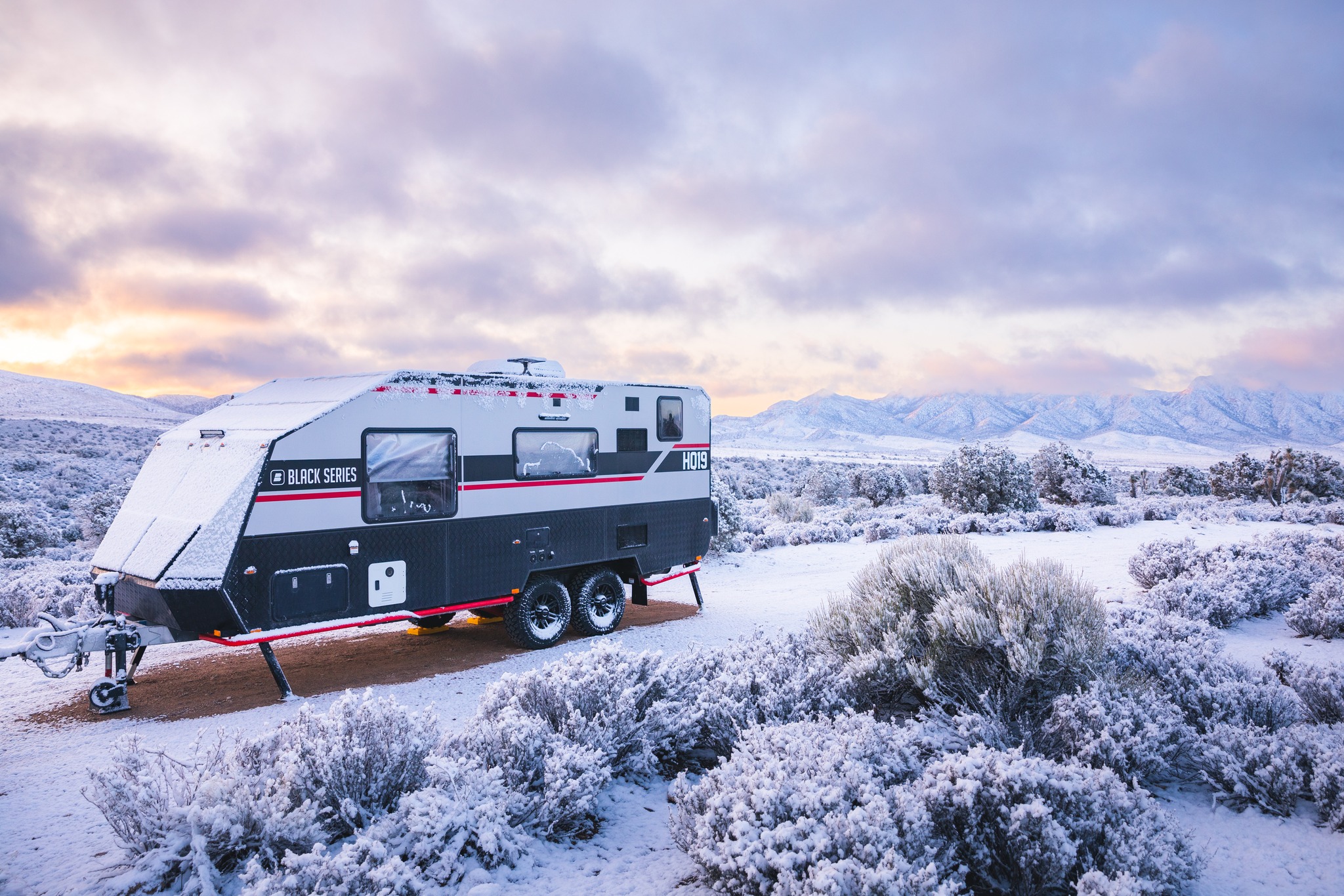
The trend toward off-road travel trailer adventures has made previously inaccessible winter photography locations more attainable. Modern RVs equipped for extreme weather allow photographers to base camp in remote areas for extended periods, maximizing shooting opportunities during optimal light conditions.
Top Winter Camping Destinations for Snow Landscape Photography
Rocky Mountain National Parks
Yellowstone National Park remains the crown jewel of winter camping destinations for photographers. The park’s geothermal features create dramatic mist against snow-covered landscapes, while wildlife like bison provide compelling foreground subjects. Winter access requires careful planning, but rewards include virtually empty iconic locations like Grand Prismatic Spring surrounded by snow.
Grand Teton National Park offers spectacular alpine photography with the Teton Range rising dramatically from snow-covered Jackson Hole valley. The contrast between jagged peaks and pristine snow creates exceptional compositional opportunities, especially during the golden hour when alpenglow illuminates the summits.
Glacier National Park provides accessible winter photography along the Going-to-the-Sun Road’s lower elevations, where snow-laden evergreens frame distant peaks. The park’s varied terrain offers everything from intimate forest scenes to sweeping mountain vistas.
Southwest Desert Snow Contrasts
Bryce Canyon National Park receives top recommendations among iconic US snow photography spots. The unique hoodoo formations dusted with snow create otherworldly landscapes with striking red rock and white snow contrasts. Winter camping here requires cold-weather preparation, as temperatures can drop below -10°F.
Yosemite National Park transforms into a winter wonderland with granite cliffs, waterfalls, and giant sequoias framed by snow. The park’s accessible winter camping areas provide base camps for photographers seeking to capture iconic landmarks like El Capitan and Half Dome in winter conditions.
Northern Lights Photography Locations
Marquette, Michigan receives over 100 inches of powdery snow annually and offers Northern Lights viewing opportunities due to longer winter nights. This combination makes it excellent for both snow landscape photography and aurora captures, with Lake Superior’s frozen shoreline providing dramatic foreground elements.
Fairbanks, Alaska represents the ultimate winter photography destination, offering consistent aurora activity and pristine snow-covered wilderness. The extreme cold requires specialized gear and preparation, but the photographic rewards include some of North America’s most spectacular winter landscapes.
Mountain Towns with Photogenic Character
Telluride, Colorado combines authentic gold mining town architecture with San Juan Mountain backdrops, creating compelling winter scenes that blend human elements with natural landscapes. The town’s historic character provides context and scale against massive snow-covered peaks.
Lake Tahoe in the Sierra Nevada offers unique opportunities to photograph blue alpine water surrounded by snow-covered peaks. The contrast between unfrozen lake surfaces and heavy snow accumulation creates striking visual compositions.

Essential Photography Gear for Winter Camping
Photography gear for winter camping requires special consideration for extreme temperatures and moisture protection. Essential items include:
• Cold-weather camera protection: Insulated camera cases and lens warmers prevent condensation and battery drain
• Extended battery systems: Cold temperatures reduce battery life by up to 50%, requiring backup power solutions
• Weather-sealed lenses: Wide-angle and telephoto lenses capable of handling snow and moisture
• Sturdy tripods with snow-friendly feet: Carbon fiber tripods resist cold better than aluminum models
• Backup storage solutions: Multiple memory cards and protective cases for gear redundancy
Temperature-controlled storage within your RV prevents gear damage from extreme temperature fluctuations, making RV camping in snow advantageous for photographers carrying expensive equipment.
RV Camping in Snow: Choosing the Right Off-Road Travel Trailer
Best winter camping locations often require off-road access to reach prime photography positions. Modern off-road travel trailers designed for extreme conditions provide essential base camp capabilities:
Insulation and heating systems maintain comfortable living temperatures while protecting sensitive camera equipment. Premium RVs feature multiple heating zones and battery systems capable of supporting extended off-grid winter camping.
All-terrain capabilities allow access to remote photography locations that standard RVs cannot reach. Features like reinforced chassis, upgraded tires, and enhanced ground clearance enable winter access to dispersed camping areas near prime photography subjects.
For photographers serious about winter landscape work, investing in a capable off-road travel trailer expands access to locations impossible to reach with standard camping equipment. Learn more about dispersed camping regulations that apply to winter off-grid adventures.
Winter Camping Tips for Photographers
Protecting Your Gear in Extreme Cold
Camera equipment requires specific protection protocols in winter conditions. Never bring cold cameras directly into warm RVs, as condensation can damage internal electronics. Instead, seal cameras in plastic bags before bringing them indoors, allowing gradual temperature adjustment.
Lens changes in winter require careful technique to prevent snow entry into camera bodies. Perform lens changes inside your RV or use weather protection when working outdoors during active precipitation.
Timing and Light Considerations
Winter’s low sun angle creates dramatic shadows and highlights on snow texture. The best winter camping locations offer varied terrain that takes advantage of this lighting, with shooting opportunities from dawn through dusk.
Golden hour extends significantly during winter months, providing longer windows for optimal lighting conditions. Plan shooting schedules around weather patterns, as clear skies after storms often produce the most spectacular snow landscape conditions.
Safety Protocols for Winter Photo Expeditions
Winter photography expeditions require enhanced safety protocols beyond standard camping practices. Always inform someone of your specific location and return schedule when venturing out for photography sessions.
Carry emergency communication devices, extra food, and backup heating sources when photographing away from base camp. Weather conditions can change rapidly in mountain environments, making self-rescue capability essential.
FAQ: Winter Camping Photography
Is winter camping safe for photographers? Winter camping requires proper preparation but offers safe opportunities for experienced outdoor enthusiasts. Modern RVs with appropriate heating and insulation systems provide secure base camps for winter photography adventures.
What camera settings work best for snow landscapes? Snow scenes often require exposure compensation of +1 to +2 stops to prevent underexposure. Use manual exposure mode for consistent results across varying snow conditions.
How do I prevent camera batteries from dying in cold weather? Keep spare batteries warm inside jacket pockets and swap them frequently. External battery packs designed for cold weather provide extended shooting time for serious winter photography work.
What’s the best time of year for winter landscape photography? Late January through March typically provides the most stable snow conditions and clearest skies across most US winter destinations. Storm systems create dramatic conditions but require flexible scheduling.
Can standard RVs handle winter camping conditions? Standard RVs require winterization for cold-weather camping, while specialized winter-rated units provide better insulation and heating capabilities. Off-road capable units expand access to prime photography locations.
Planning Your Winter Photography Adventure
Winter camping for photographers demands careful planning but rewards dedicated practitioners with access to America’s most spectacular snow landscapes. Success depends on choosing appropriate destinations, using proper gear protection techniques, and selecting RV equipment capable of supporting extended winter operations.
The growing trend toward winter camping tips reflects increased interest in off-season photography adventures. With proper preparation and equipment, photographers can access pristine winter locations unavailable during busy summer months, capturing unique snow landscape images that stand out in an increasingly crowded photography market.
Whether pursuing Northern Lights in Alaska or intimate forest scenes in the Rockies, winter camping opens doors to photographic opportunities that define portfolio-quality landscape work. The investment in cold-weather camping capabilities pays dividends in accessing remote locations during optimal conditions, creating images impossible to capture from roadside locations or day-trip adventures.

