
Your cart (0)
Your cart is empty
Tax included and shipping calculated at checkout
Your cart is empty
Tax included and shipping calculated at checkout

Aerodynamics fluid dynamics explains how air flows around vehicles and trailers, directly impacting stability, fuel consumption, and towing performance. BlackSeries uses advanced aerodynamic design and computational fluid dynamics (CFD) analysis to improve stability, reduce drag, and increase fuel efficiency on highways and off-road terrain across America.
Understanding these principles separates average trailer manufacturers from engineering leaders. This guide breaks down the science, practical applications, and real-world benefits of aerodynamic optimization for overland trailers.
Aerodynamics is the study of how air moves around solid objects. When you tow a trailer at highway speeds, air creates resistance that your tow vehicle must overcome. The shape, size, and surface features of your trailer determine how much energy gets wasted fighting that resistance.
Fluid dynamics encompasses the broader science of how all fluids: including air and liquids: behave when they interact with objects in motion. Aerodynamics is actually a specialized branch of fluid dynamics focused specifically on gaseous flow.
Several key concepts drive aerodynamic engineering for trailers:
These principles apply whether you’re designing aircraft, sports cars, or off-road travel trailers. The physics remain constant: only the applications change.
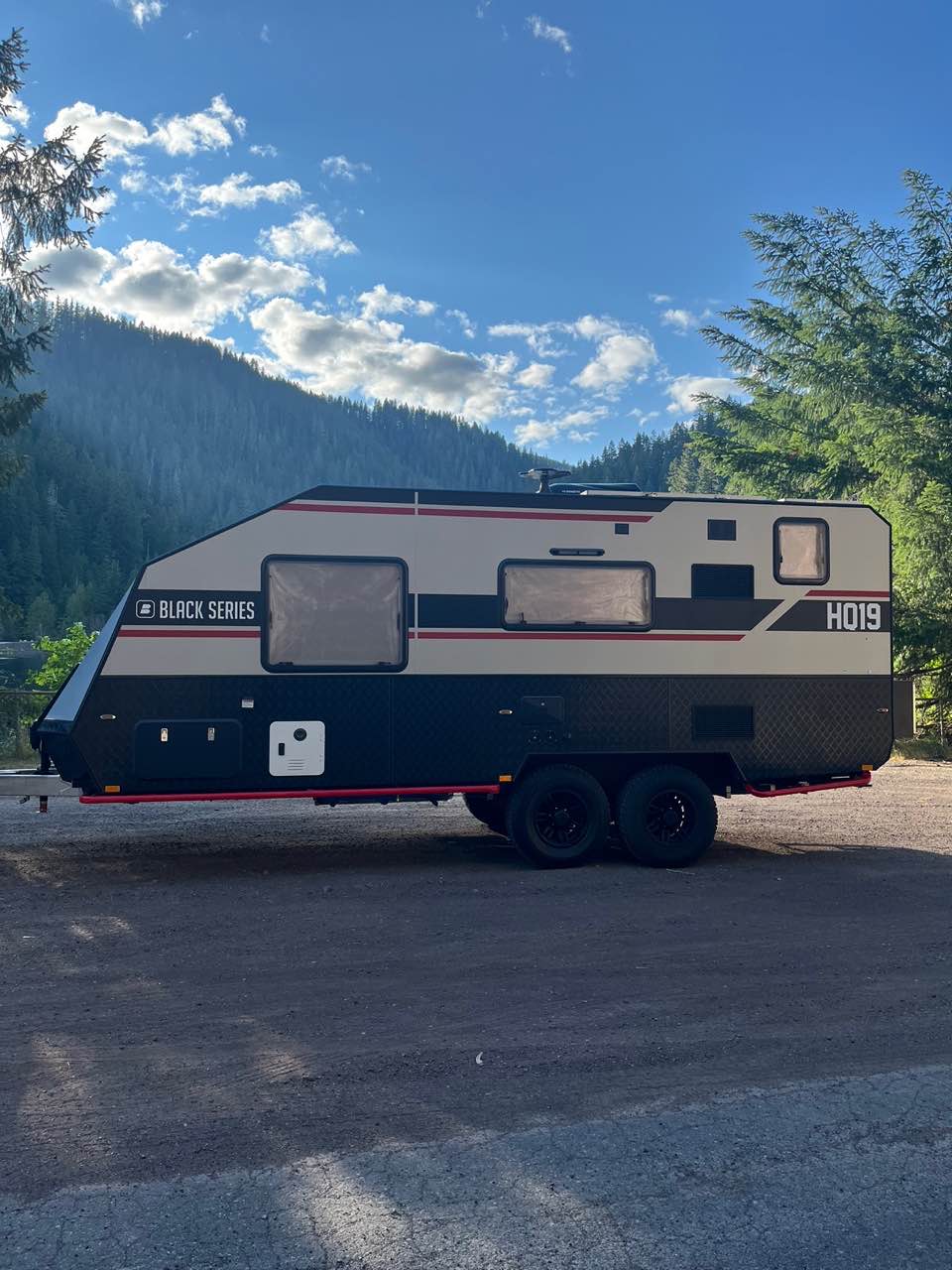
Traditional trailer designs prioritize manufacturing simplicity over aerodynamic performance. Box-shaped profiles, flat front faces, and protruding accessories create significant problems:
Highway vs. Off-Road Stress
Standard trailers experience minimal aerodynamic consideration during design. Sharp corners and flat surfaces generate massive turbulent wakes, dramatically increasing drag coefficients. At 65 mph, poor aerodynamics can reduce fuel economy by 15-25%.
Articulation Limits
Boxy designs also create unpredictable crosswind behavior. When side gusts hit flat trailer surfaces, they generate sudden lateral forces that can induce trailer sway: a dangerous condition at highway speeds.
Heat and Vibration Issues
Turbulent airflow around poorly designed trailers creates vibration, noise, and uneven pressure distributions that stress structural components over time.
Understanding how aerodynamics affect fuel efficiency becomes critical for overlanders covering thousands of miles between trail systems.
Drag coefficient measures aerodynamic efficiency on a scale where lower numbers indicate less resistance. A typical box trailer might have a drag coefficient of 0.8-1.0, while an aerodynamically optimized design achieves 0.5-0.7: representing 20-30% less air resistance.
This translates directly to towing efficiency. Every gallon saved extends your range and reduces trip costs. Over a 5,000-mile overland journey, optimized aerodynamics can save 50-100 gallons of fuel.
Real-world MPG improvement depends on multiple factors:
BlackSeries owners consistently report 1-3 MPG improvements compared to similarly-sized conventional trailers: a difference that compounds significantly over years of adventure travel.
Crosswind effects represent serious safety concerns for towed trailers. Open desert environments, mountain passes, and coastal highways expose trailers to sudden gusts that can exceed 40 mph.
When wind strikes a flat-sided trailer, it creates asymmetric pressure: high pressure on the windward side, low pressure (suction) on the lee side. This pressure differential generates lateral force and yaw moments that can initiate dangerous trailer sway.
The center of pressure: where aerodynamic forces effectively act: determines how crosswinds affect trailer handling. Well-designed aerodynamic profiles position the center of pressure to minimize destabilizing moments.
Improved handling results from:
Understanding fluid dynamics for off-road vehicles requires examining how air interacts with every trailer surface.
Roof Shape
Curved or gradually sloping roofs allow smooth airflow attachment, reducing the turbulent wake behind the trailer. Flat roofs create abrupt separation points where airflow detaches, generating significant drag.
Front Profile
The trailer nose experiences the highest aerodynamic pressures. Rounded, tapered, or wedge-shaped front profiles reduce the stagnation pressure zone and guide air smoothly around the trailer body.
Underbody Flow
Air passing beneath the trailer interacts with suspension components, axles, and storage systems. Smooth underbody panels and strategic component placement minimize turbulent disruption.
Dust and Debris Management
Off-road environments introduce additional fluid dynamics for off-road vehicles challenges. Aerodynamic design must account for:
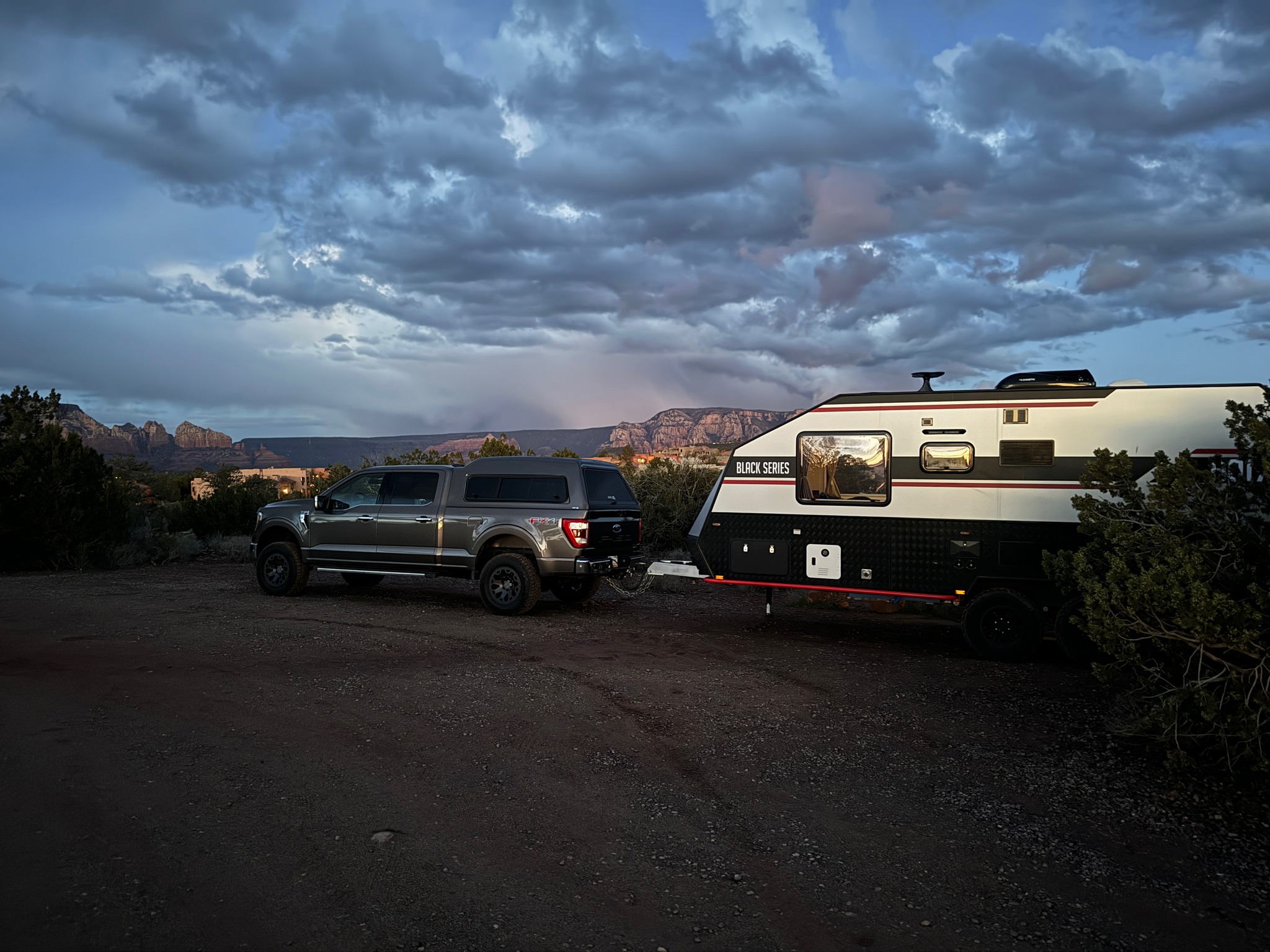
Aerodynamics directly affects thermal performance within trailer systems.
Cooling Systems
Refrigerators, air conditioners, and electronic components require adequate airflow for heat dissipation. Strategic vent placement uses natural airflow patterns to enhance cooling without creating drag penalties.
Airflow Through Vents
Intake and exhaust vents must be positioned within pressure zones that promote natural circulation. High-pressure zones (front-facing surfaces) work for intakes, while low-pressure zones (rear or top surfaces) optimize exhaust flow.
Equipment Temperature Control
Batteries, inverters, and solar charge controllers generate heat during operation. Proper aerodynamic design ensures these components receive adequate cooling airflow even when the trailer is stationary in hot environments.
Computational fluid dynamics for trailers represents the cutting edge of aerodynamic engineering. BlackSeries employs sophisticated CFD analysis throughout the design process.
3D Modeling
Engineers create detailed digital models of trailer designs, capturing every surface contour, accessory placement, and component geometry. These models serve as virtual wind tunnel subjects.
Airflow Simulation
CFD software solves complex fluid mechanics equations to predict how air will flow around the virtual trailer. Millions of calculations simulate velocity, pressure, and turbulence at thousands of points throughout the flow field.
Drag Analysis
Simulation results quantify drag forces, lift forces, and pressure distributions across all trailer surfaces. Engineers identify problem areas where flow separation, turbulence, or excessive pressure create performance penalties.
Design Optimization
Iterative design modifications are tested virtually before any physical prototypes are built. This process enables rapid optimization that would be prohibitively expensive using traditional wind tunnel testing alone.
Real-World Validation
Final designs undergo physical testing to confirm CFD predictions. On-road instrumentation measures actual drag, stability, and fuel consumption to validate computational models.
BlackSeries CFD analysis has driven numerous design enhancements:
Smoother Nose Cones
Front profile optimization reduces stagnation pressure and guides airflow smoothly around trailer corners, significantly reducing overall drag coefficient.
Optimized Roof Racks
Accessory mounting systems are positioned and shaped to minimize flow disruption while maintaining full functionality for solar panels, storage, and recovery gear.
Improved Awning Integration
Awning hardware creates potential turbulence sources. CFD-optimized mounting locations and fairings reduce drag impact when awnings are stowed.
Reduced Turbulence Zones
Strategic body shaping and component placement minimize the turbulent wake behind the trailer, improving fuel efficiency and reducing dust entrainment.
Understanding aerodynamics in vehicle design extends beyond trailers to encompass the complete tow vehicle and trailer combination.
Shape Optimization
Every curve, angle, and surface transition affects airflow. Modern trailer design treats the entire external envelope as an integrated aerodynamic system rather than a collection of independent features.
Material Selection
Composite materials enable complex curved shapes that would be difficult or expensive to produce in traditional aluminum or steel construction. These materials also reduce weight, further improving efficiency.
Roof Accessories
Solar panels, air conditioning units, and storage boxes significantly impact aerodynamics. Flush mounting, aerodynamic fairings, and strategic positioning minimize their drag contribution.
Awning Integration
External awnings present aerodynamic challenges when stowed. Recessed mounting, streamlined cases, and optimized placement locations reduce their impact on overall trailer efficiency.
Towing Mirrors and Airflow
The gap between tow vehicle and trailer creates complex airflow interactions. Trailer front profiles must account for the turbulent wake shed by tow vehicles and extended towing mirrors.
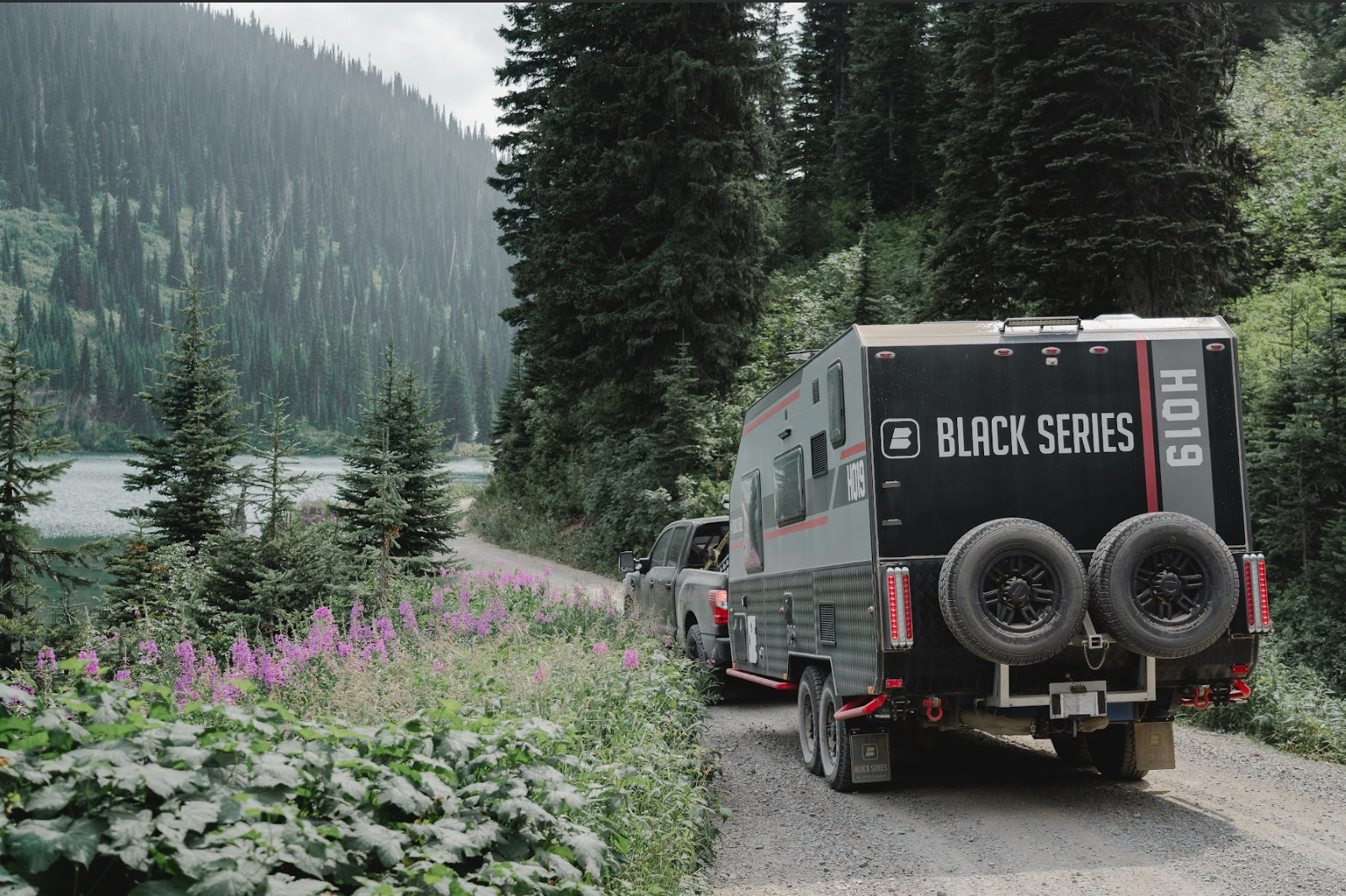
Owners can implement several strategies to optimize their trailer’s aerodynamic performance:
1. Reduce External Accessories
Remove unnecessary external attachments. Each protruding item: bike racks, jerry can holders, spare tire carriers: adds drag. Consolidate storage and remove items not needed for your current trip.
2. Use Aerodynamic Roof Boxes
If roof storage is necessary, choose streamlined cargo boxes designed for low drag. Position them as far forward as practical to minimize wake effects.
3. Keep Proper Tire Pressure
Underinflated tires increase rolling resistance and alter trailer ride height, affecting underbody airflow. Maintain manufacturer-recommended pressures for your load.
4. Install Front Deflectors
Tow vehicle nose cones and air dams direct airflow over and around the trailer, reducing the turbulent gap between vehicle and trailer.
5. Balance Trailer Height
Load distribution affects trailer pitch angle. Level or slightly nose-down attitudes optimize airflow attachment across roof surfaces.
6. Avoid Unnecessary Drag Points
Loose straps, flapping covers, and unsecured gear create turbulence. Secure all external items and use fitted covers for accessories.
BlackSeries aerodynamic engineering delivers measurable advantages for overlanders:
Better MPG
Owners consistently report fuel economy improvements of 8-15% compared to conventional trailers of similar size and weight. Over years of ownership, these savings offset a significant portion of the trailer investment.
Less Wind Noise
Smooth airflow around aerodynamically optimized surfaces generates less turbulence and acoustic disturbance. Highway towing becomes quieter and less fatiguing on long drives.
More Stable Towing
Reduced crosswind sensitivity and optimized pressure distributions improve towing confidence in challenging conditions. BlackSeries trailers maintain composure in conditions that would unsettle conventional designs.
Improved Long-Distance Comfort
Reduced buffeting, noise, and handling nervousness make extended towing sessions less tiring for drivers. This translates to safer, more enjoyable overland adventures.
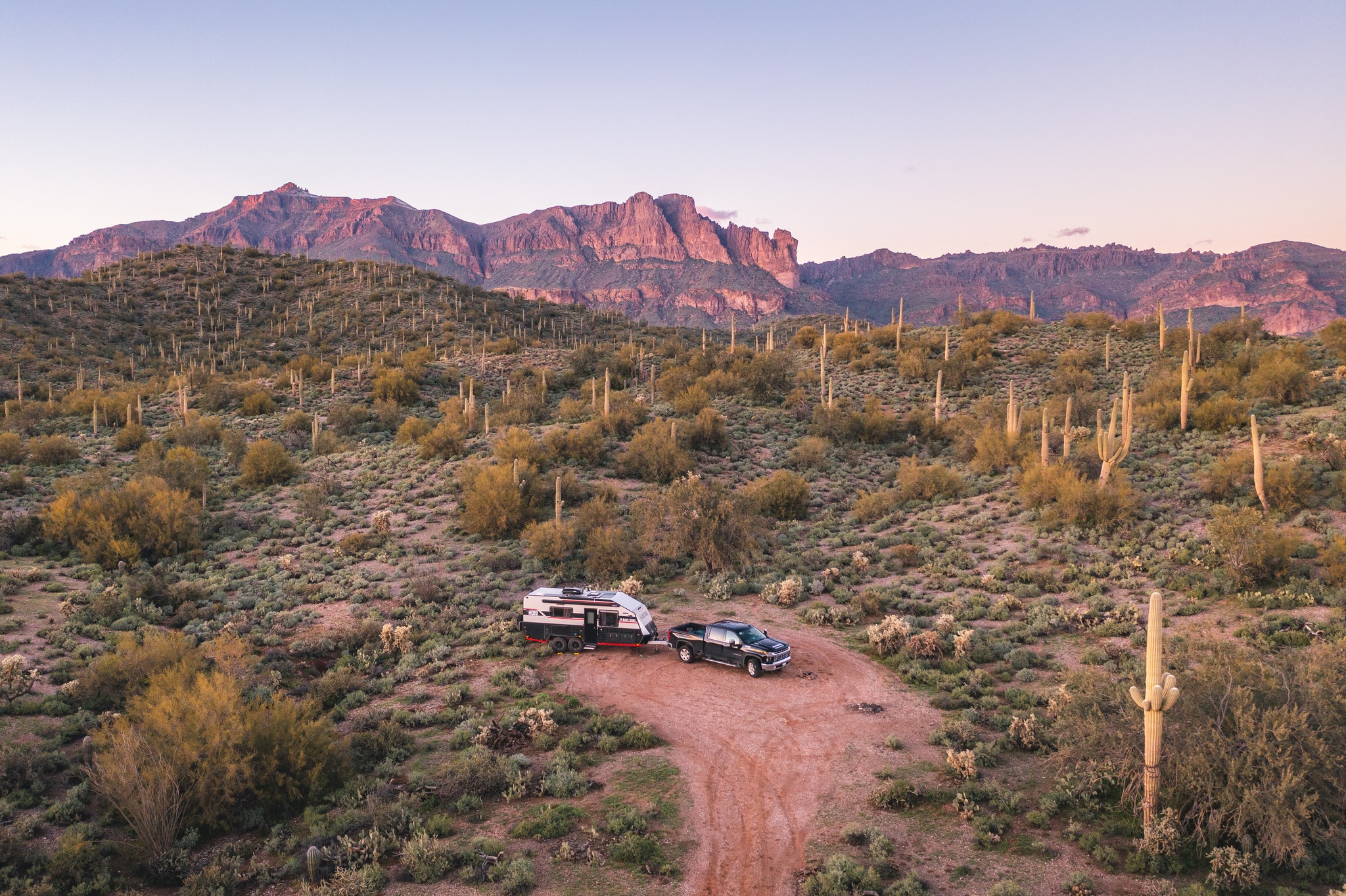
Aerodynamics specifically studies air movement around objects, while fluid dynamics encompasses all fluids including liquids and gases. Aerodynamics is a specialized branch of fluid dynamics applied to atmospheric conditions. For trailer design, aerodynamics addresses air resistance, crosswind stability, and flow-related noise.
Better aerodynamics reduce drag forces that oppose forward motion, directly improving fuel efficiency. Optimized shapes also minimize crosswind sensitivity, reduce trailer sway tendency, and improve overall towing stability: especially important at highway speeds where aerodynamic forces dominate.
Absolutely. Aerodynamic drag increases with the square of velocity, meaning shape effects become increasingly significant at higher speeds. A well-designed trailer with 25% lower drag coefficient can improve fuel economy by 10-15% during sustained highway driving.
BlackSeries employs computational fluid dynamics (CFD) simulations throughout the design process, creating virtual airflow models to optimize every surface contour before physical prototypes are built. This engineering approach enables iterative refinement that balances aerodynamic efficiency with off-road durability requirements.
Yes. Simple modifications like removing unnecessary external accessories, using aerodynamic storage solutions, maintaining proper tire pressure, and securing loose items can meaningfully improve efficiency. More significant improvements may require aftermarket fairings or nose cone additions designed for your specific trailer model.
Aerodynamics and fluid dynamics represent critical engineering disciplines for modern off-road trailer design. BlackSeries commitment to CFD analysis, optimized profiles, and real-world validation delivers trailers that perform better on highways and trails alike.
Whether you’re planning cross-country overland expeditions or weekend trail adventures, understanding these principles helps you maximize efficiency, safety, and enjoyment. Explore the complete BlackSeries lineup to experience engineering excellence built for American overlanding.
Aerodynamics Fluid Dynamics – BlackSeries Engineering最先出现在Black Series RV | Off-Road Travel Trailers, Toy Haulers & Camper Trailers | Off road rv | Off grid rv | Overland rv | Off road trailer | Off road travel trailer | Overland travel trailer。