To conserve water while boondocking, RVers should limit shower water usage, adopt efficient dishwashing methods, reuse greywater when possible, and follow a daily water management plan. These practices can extend your off-grid camping from 2-3 days to over a week with proper technique.
Why Water Conservation Matters When Boondocking
Fresh water represents the single biggest limiting factor for extended boondocking trips across America’s public lands. Most RV fresh water tanks hold between 20-100 gallons, with the average travel trailer carrying approximately 40-60 gallons. Without access to water hookups, poor water management can cut a planned week-long adventure short by day three.
The cost comparison between preventive water conservation and emergency resupply tells the whole story. Carrying extra water adds significant weight: each gallon weighs 8.3 pounds: affecting fuel economy and potentially exceeding your trailer’s gross vehicle weight rating. Meanwhile, emergency water delivery to remote locations can cost $200-500, assuming you can even get service where cell towers don’t reach.
For RVers exploring dispersed camping areas managed by the Bureau of Land Management or Forest Service, water self-sufficiency becomes critical for safety and enjoyment.
What Does “Conserve Water Boondocking” Mean?
Water conservation while boondocking refers to strategic management of your RV’s three water systems: fresh water (drinking and washing), greywater (sink and shower drainage), and black water (toilet waste). Understanding these systems helps you maximize your off-grid duration.
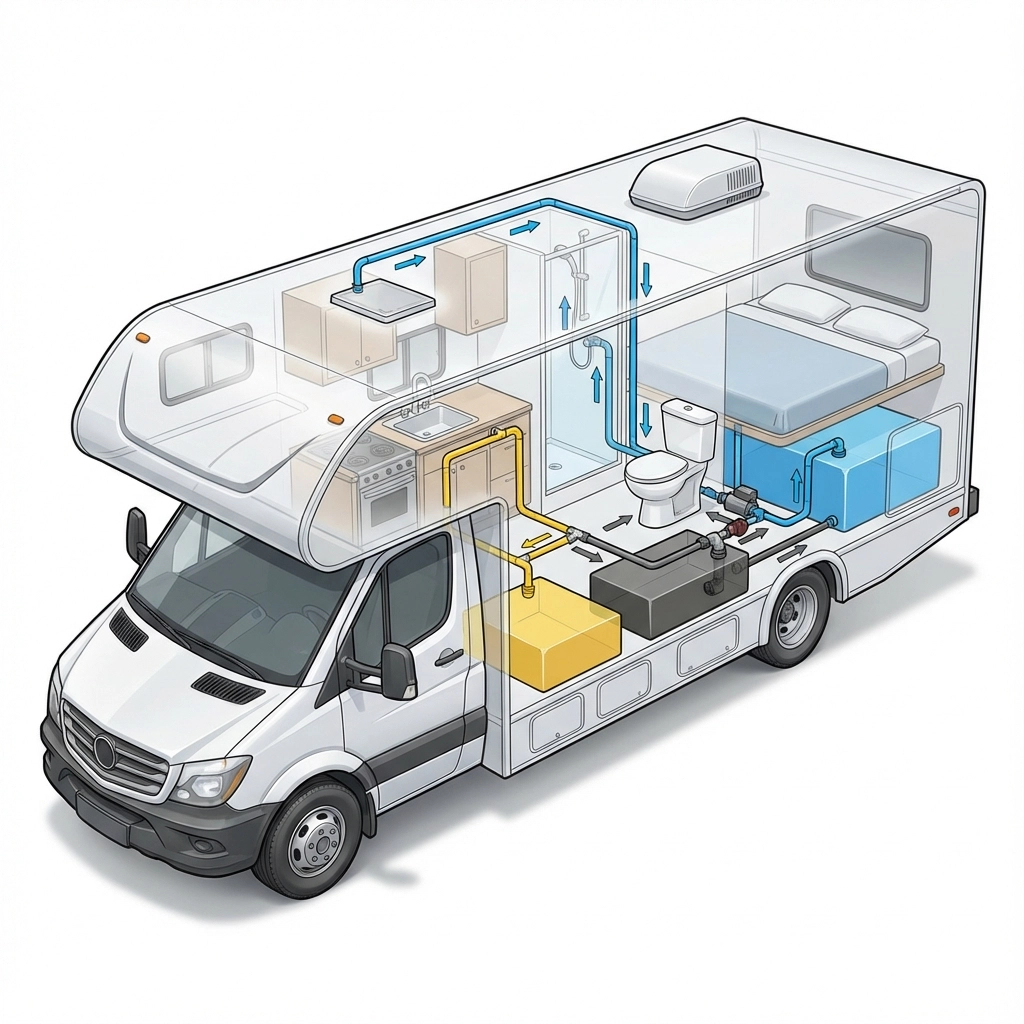
A daily water budget concept means allocating specific amounts for different activities: typically 3-5 gallons per person per day for basic needs. This includes drinking water, cooking, minimal dishwashing, and abbreviated personal hygiene routines.
Common water-wasting habits that RVers overlook include letting water run while brushing teeth (1-2 gallons), taking traditional continuous showers (15-25 gallons), and washing dishes under running water (8-12 gallons). These seemingly minor habits can drain your tank in one day.
How Much Water Do You Really Use While Boondocking?
Average water consumption varies dramatically between conservation-conscious RVers and those maintaining home-like habits. Here’s the realistic breakdown per person per day:
Conservative Use:
- Drinking and cooking: 1-2 gallons
- Navy shower: 2-3 gallons
- Dishwashing (two-basin method): 1-2 gallons
- Hand washing and teeth: 0.5-1 gallon
- Total: 4.5-8 gallons per person
Typical Use:
- Drinking and cooking: 2-3 gallons
- Standard shower: 15-20 gallons
- Dishwashing (running water): 8-12 gallons
- Personal hygiene: 2-3 gallons
- Total: 27-38 gallons per person
For a couple with a 40-gallon tank, conservative habits enable 5-7 days off-grid, while typical usage barely reaches 24 hours.
RV Shower Water Conservation Tips (Step-by-Step)
Before You Shower
Proper preparation cuts shower time in half while maintaining comfort. Heat your water heater 15-20 minutes before showering, ensuring you’re not waiting for temperature while water runs down the drain. Maintaining your water heater properly prevents efficiency losses that waste both water and propane.
Install a low-flow RV showerhead with a shutoff valve. Models like the Oxygenics Fury increase water pressure while reducing flow, making quick rinses more effective. Position towels, soap, and shampoo within arm’s reach to minimize shower duration.
During the Shower (Navy Shower Method)
The military shower technique, perfected by sailors with limited freshwater, uses 2-3 gallons versus 15-25 for continuous showers. Turn water on just long enough to wet your body completely: typically 15-20 seconds. Immediately turn off the water and lather thoroughly with soap and shampoo.
Turn water back on only for final rinsing, using the minimum flow necessary. Target 30-45 seconds for the rinse cycle. This method requires mental adjustment but becomes natural within a few attempts.
After the Shower
Capture the initial cold water while waiting for temperature in a bucket or container. This “warm-up water” works perfectly for toilet flushing, cleaning, or washing dishes. In regions where greywater dumping is legal, this collected water extends your fresh tank even further.

RV Dishwashing Water Saving Techniques
Dishwashing Setup Checklist
Establish an efficient washing station using two collapsible basins: one for soapy wash water, another for rinse water. Pre-clean dishes with paper towels to remove food residue, reducing the washing water needed. Keep a spray bottle filled with diluted dish soap for initial cleaning.
Step-by-Step Low-Water Dishwashing
Start by scraping all food particles into your trash container. Heat a small amount of water (1-2 quarts) for effective grease cutting. Fill your wash basin with this heated soapy water and wash all dishes together, starting with least soiled items.
Use minimal rinse water in the second basin, dunking rather than running water over each item. Air dry everything instead of towel drying, which can reintroduce bacteria. This two-basin method uses 1-2 gallons total versus 8-12 gallons for running water washing.
For heavily soiled pots and pans, create a vinegar-water solution (50/50 ratio) to spray immediately after cooking. This prevents food from hardening and reduces scrubbing time and water usage later.
Best Water-Saving Habits for Daily RV Life
Hand hygiene alternatives make a significant difference in daily consumption. Use alcohol-based hand sanitizer for routine cleaning, reserving soap and water for visibly dirty hands or before food preparation. This single change saves 2-3 gallons daily for a family.
Modify tooth brushing technique by wetting your toothbrush, turning off water, brushing, then using a small cup of water for rinsing. This uses 2-4 ounces versus 1-2 gallons for continuous water flow.
Group water-intensive activities together to minimize water pump cycling, which can cause premature wear and inconsistent pressure. Plan all morning water needs: coffee, washing, teeth brushing: in one session rather than throughout the day.
Tools & Accessories That Help Conserve Water
Water-saving showerheads with flow control and shutoff features are essential boondocking investments. Look for models specifically designed for RV use, which maintain pressure at lower flow rates and withstand vibration during travel.
Collapsible basins and buckets serve multiple purposes while storing compactly. Use them for dishwashing, collecting rinse water, and storing warm-up water for later use. Choose food-grade materials if you plan to collect drinking water.
Water usage monitors help track consumption in real-time, preventing unpleasant surprises when your tank runs dry mid-trip. Some RV monitoring systems include smartphone apps showing tank levels and usage trends.
Common Water Conservation Mistakes to Avoid
Extended “comfort” showers represent the fastest way to drain your fresh tank. Even reducing a 15-minute shower to 8 minutes saves approximately 20-30 gallons: enough drinking water for 10-15 days.
Washing dishes under continuously running water wastes more water than most RVers realize. The perceived convenience quickly becomes inconvenience when you’re forced to cut your trip short for emergency water resupply.
Ignoring greywater tank capacity creates problems even with perfect fresh water conservation. Understanding your grey tank’s function prevents overflow situations that can damage your RV and violate campground regulations.
Poor daily planning leads to inefficient water use. Without a morning routine that groups water activities, you’ll find yourself making multiple trips to the sink, each time running water longer than necessary.
How Long Can You Boondock With Proper Water Conservation?
Solo Traveler (30-gallon tank):
With disciplined conservation: 5 gallons daily consumption: expect 6-7 days of comfortable boondocking. This allows for every-other-day navy showers, efficient dishwashing, and adequate drinking water.
Couple (50-gallon tank):
Two people practicing water conservation techniques can extend their stay to 5-6 days comfortably. This scenario includes alternating shower days and shared cooking to minimize dish washing.
Family of Four (60-gallon tank):
Family boondocking requires maximum discipline but remains achievable for 3-4 days. Success depends on establishing clear water-use rules and potentially supplementing with activities that reduce water needs, like grilling instead of cooking elaborate meals.
These estimates assume moderate temperatures and normal activity levels. Hot weather increases drinking water needs, while winter conditions may require additional water for winterization procedures.
FAQs About Conserving Water While Boondocking
How much water do you need for boondocking?
Plan for 4-8 gallons per person per day with conservation techniques, or 20+ gallons for normal usage habits. Tank size should accommodate your group size multiplied by trip duration.
How do you shower while boondocking?
Use the navy shower method: wet quickly, turn off water while soaping, rinse efficiently. Alternative options include body wipes, portable camping showers, or shower houses at nearby recreation areas.
Can you reuse greywater while boondocking?
In areas where legal, greywater can be reused for toilet flushing or cleaning. Never reuse greywater for drinking, cooking, or personal hygiene. Check local regulations before dumping any water.
What uses the most water in an RV?
Traditional showers consume 15-25 gallons per use: more than most other activities combined. Dishwashing under running water ranks second at 8-12 gallons per session.
Is water conservation different for off-road trailers?
Off-road camping often means longer periods between resupply opportunities, making water conservation more critical. Dust and dirt may require more frequent hand washing, but shorter showers become even more important.
Why BlackSeries Owners Focus on Smart Water Use
BlackSeries trailers excel in remote off-grid environments where water resupply options don’t exist. Owners regularly explore locations days away from the nearest services, making water self-sufficiency a safety requirement rather than just convenience.
The rugged construction that enables BlackSeries trailers to access remote locations also supports extended boondocking with proper water management. Sanitizing your water system before long trips ensures safe drinking water throughout your adventure, while understanding your trailer’s systems prevents equipment failure in remote locations.
Smart water use becomes second nature when your adventures regularly take you beyond cell phone coverage and emergency services. BlackSeries owners understand that mastering water conservation opens access to America’s most spectacular and secluded camping destinations.

