
Your cart (0)
Your cart is empty
Tax included and shipping calculated at checkout
Your cart is empty
Tax included and shipping calculated at checkout

When you’re heading out for dry camping or boondocking adventures in your RV, water becomes your most precious resource. Unlike traditional campgrounds with hookups, dry camping means you’re completely self-sufficient – no external water source, no sewer connections, and limited storage capacity. For BlackSeries RV owners who love venturing into remote locations, mastering water conservation isn’t just about comfort; it’s about extending your adventures and ensuring safety in the wilderness.
Dry camping, also known as boondocking, refers to camping without external hookups for water, electricity, or sewer systems. Your RV becomes a completely self-contained unit, relying entirely on onboard resources. This style of camping opens up incredible opportunities to access pristine, remote locations that traditional campgrounds simply can’t offer.
The challenge lies in the stark reality of limited resources. While a typical RV connected to campground utilities can use 80-100 gallons of water per day, dry campers must survive on whatever they can carry – usually between 20-40 gallons total. This dramatic reduction requires strategic planning and disciplined conservation practices.
Water scarcity in dry camping creates several immediate challenges:
Effective water conservation directly impacts your camping experience quality, duration, and safety margin. Every drop saved extends your adventure and provides crucial backup for unexpected situations.
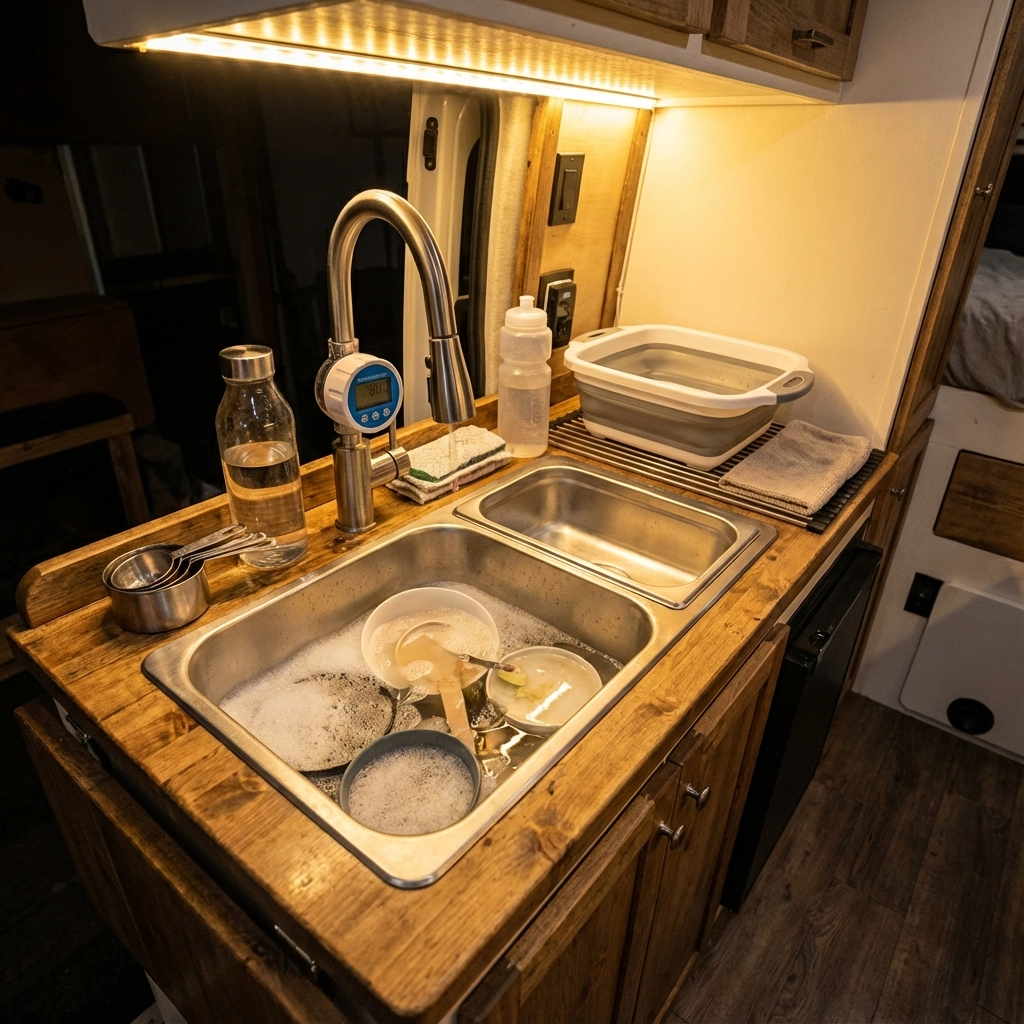
Understanding your actual water needs is the foundation of successful dry camping. Break down consumption into four main categories:
Drinking Water (1-2 gallons per person daily): This includes direct consumption and water used in beverages like coffee and tea. Hot climates or physical activities can double this requirement.
Cooking and Food Preparation (2-4 gallons daily): Consider dishwashing, food cleaning, and cooking methods. One-pot meals and minimal-cleanup recipes significantly reduce this consumption.
Personal Hygiene (3-6 gallons per person daily): Traditional showers can use 2-5 gallons per minute, but conservation techniques can reduce this to under 1 gallon per wash.
Toilet Flushing (1-3 gallons daily): RV toilets typically use minimal water per flush, but composting toilets can eliminate this category entirely.
BlackSeries RVs come equipped with robust water systems, but maximizing capacity requires strategic thinking. Consider these storage enhancements:
Primary Tank Upgrades: Larger capacity water tanks provide the foundation for extended trips. Some BlackSeries models can accommodate upgrade options that significantly increase holding capacity.
Portable Water Containers: External water bladders, jerry cans, and collapsible containers serve as backup reserves. Military-grade containers offer durability for rough terrain access.
Water Filtration Systems: Portable filtration units enable safe resupply from natural sources like streams, lakes, or questionable spigots. Gravity-fed systems work without power consumption.
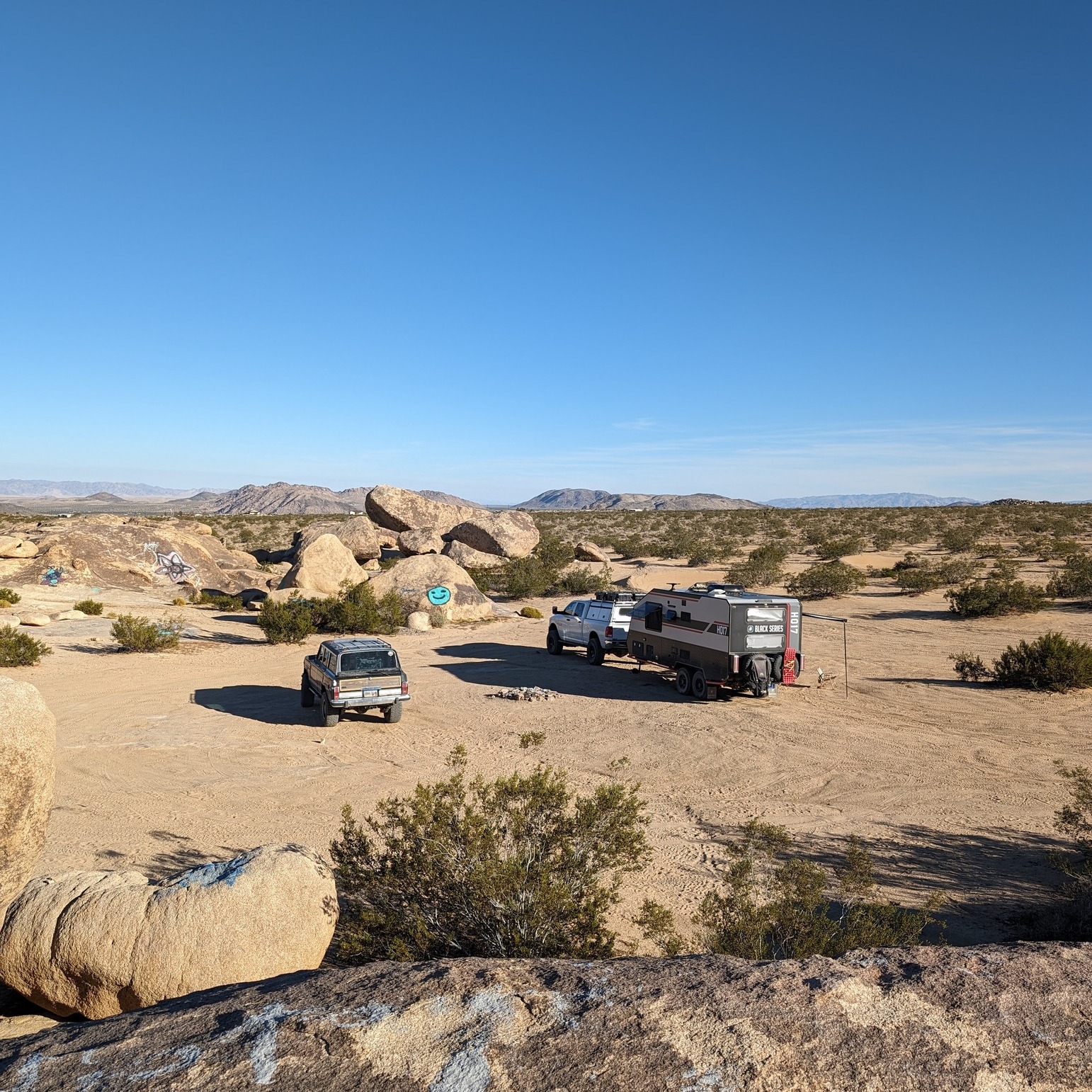
Single-Use Water Management: Fill kettles, coffee makers, and cooking pots once rather than running water multiple times. Use measuring cups to determine exact needs.
Basin Washing Method: Replace flowing water with basin washing for dishes and vegetables. A small tub uses 1-2 gallons versus 5-10 gallons of running water for the same cleaning task.
Food Choice Optimization: Select ingredients requiring minimal washing and preparation. Pre-washed vegetables, canned goods, and dry ingredients reduce kitchen water consumption significantly.
Cooking Method Selection: Steam cooking, pressure cooking, and one-pot meals minimize both cooking water and cleanup requirements.
Low-Flow Shower Systems: Install water-saving showerheads that maintain pressure while reducing flow to 1.5-2 gallons per minute. Some models include shut-off valves for soap-up periods.
Navy Shower Technique: Wet down quickly, turn off water, soap and scrub, then rinse efficiently. This method can reduce shower water usage to under 1 gallon.
Alternative Cleaning Methods: No-rinse body wipes, waterless shampoos, and hand sanitizers provide effective cleaning with zero water consumption for daily maintenance.
Timed Washing: Use shower timers or phone apps to limit washing duration. Even a 30-second reduction in shower time saves significant water over a week-long trip.
Concentrated Washing: Accumulate laundry for batch processing rather than daily washing. Portable washing bags like the Scrubba require minimal water while providing effective cleaning.
Multi-Use Cleaning: Gray water from washing can serve secondary purposes like initial toilet flushing or equipment cleaning before final disposal.
Weather-Dependent Scheduling: Time water-intensive activities during optimal weather conditions. Hot, dry conditions accelerate evaporation and reduce drying time.

Low-Flow Faucet Aerators: These inexpensive devices maintain water pressure while reducing flow by 30-50%. Installation takes minutes and provides immediate conservation benefits.
Shut-Off Valves: Hand-held shower wands and kitchen sprayers with built-in shut-offs prevent accidental water waste during soap-up or preparation periods.
Pressure Regulators: Consistent water pressure prevents both waste from excessive flow and inconvenience from inadequate pressure.
Gray Water Recycling: Kitchen and shower water can serve secondary purposes before disposal. Use gray water for toilet flushing, equipment cleaning, or even plant watering in appropriate environments.
Filtration for Reuse: Simple filtration systems can clean gray water for non-consumption uses, effectively doubling your usable water supply.
Water Level Sensors: Digital tank monitors provide real-time consumption tracking, helping identify usage patterns and prevent unexpected shortages.
Flow Meters: Track actual water usage by activity, enabling data-driven conservation decisions and consumption awareness.
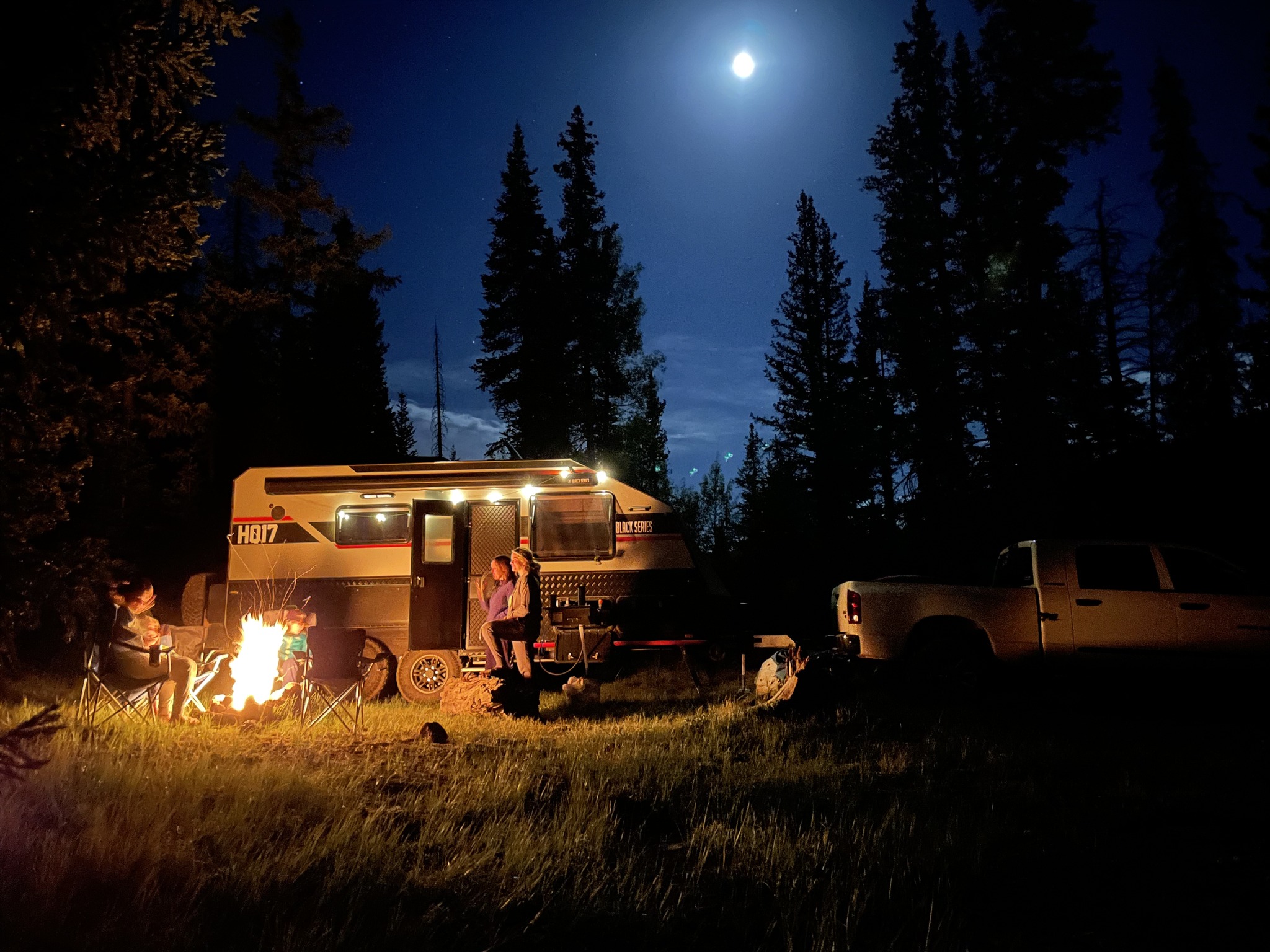
Route Water Source Mapping: Use apps like iOverlander and Campendium to identify reliable water sources along your route. National forests often provide spigots, and some truck stops offer RV water filling services.
Quality Assessment: Natural water sources require filtration and sometimes treatment. Carry test strips to assess basic water quality before processing.
Backup Location Planning: Always identify 2-3 potential resupply points for each leg of your journey. Remote areas can have unexpected closures or seasonal unavailability.
Climate Considerations: Avoid extremely hot or dry locations that increase consumption through evaporation and increased drinking needs.
Duration Planning: Match campsite remoteness with your water capacity and conservation discipline. Start with shorter trips to test your systems and habits.
Access Route Assessment: Ensure your planned campsites accommodate your RV size and towing capacity. Getting stuck burns fuel and potentially requires rescue water.
Portable Toilet Systems: Composting or cassette toilets eliminate black water production entirely, freeing tank space for gray water storage.
Proper Gray Water Disposal: Follow Leave No Trace principles and local regulations. Never dump gray water directly into natural water bodies or sensitive environments.
Biodegradable Products: Use environmentally friendly soaps and cleaners that minimize environmental impact during disposal.
Minimum Reserve Standards: Always maintain a 2-3 day emergency water supply separate from daily consumption planning.
Purification Backup: Carry multiple water treatment methods including boiling, UV sterilization, and chemical treatments for emergency situations.
Communication Planning: Ensure reliable communication methods in remote areas where water emergencies could become life-threatening.

In high-humidity environments, condensation collection can supplement water supplies. Simple tarp systems can capture dew and rain, while more sophisticated atmospheric water generators can extract moisture from air.
Solar water heaters reduce the energy cost of hot water while solar-powered pumps enable water circulation without battery drain. These systems particularly benefit extended off-grid camping.
Implement cascade water usage where clean water serves multiple purposes in order of cleanliness requirements: drinking → food prep → dishwashing → equipment cleaning → toilet flushing.
How much water does dry camping actually require per person daily?
Minimum survival needs are approximately 1 gallon per person daily for drinking and basic hygiene. Comfortable dry camping typically requires 3-5 gallons per person daily, including cooking, cleaning, and reasonable hygiene standards. Climate, activity level, and personal preferences significantly affect individual requirements.
What’s the safest way to resupply water from natural sources?
Natural water sources require multi-stage treatment: pre-filtering to remove sediment, boiling or UV sterilization to kill pathogens, and carbon filtering to improve taste. Never rely on single-method treatment, and always test water quality when possible. Carry backup purification tablets for emergency situations.
How can I maintain hygiene without traditional shower facilities?
Effective alternatives include no-rinse body wipes, waterless shampoos, and basin washing with minimal water. Solar shower bags provide warm water for efficient washing. Many dry campers shower every 2-3 days while maintaining daily cleaning of hands, face, and essential areas with minimal water.
What are the legal requirements for gray water disposal?
Gray water disposal regulations vary significantly by location. National parks and forests often prohibit gray water dumping, while some BLM lands allow dispersed gray water disposal away from water sources. Always research local regulations before your trip and carry sufficient gray water tank capacity or disposal bags for restricted areas.
Whether you’re planning your first dry camping adventure or looking to extend your off-grid capabilities, effective water management makes the difference between a successful expedition and an uncomfortable retreat. BlackSeries RVs provide the robust platform for extended adventures – combining these water conservation strategies with your trailer’s capabilities opens up unlimited wilderness possibilities.
For more information about optimizing your BlackSeries RV for off-grid adventures, explore our comprehensive off-road travel trailer buying guide and discover the latest BlackSeries RV models designed for remote exploration.