
Your cart (0)
Your cart is empty
Tax included and shipping calculated at checkout
Your cart is empty
Tax included and shipping calculated at checkout

The freedom of RV travel comes with significant responsibilities, especially when it comes to wastewater disposal. With over 11.2 million American households owning RVs as of 2026, understanding legal waste dumping requirements isn’t just good practice: it’s essential for protecting our environment and avoiding costly fines.
Legal wastewater disposal involves more than finding any drain or secluded spot. Federal and state regulations strictly govern how and where RV owners can dispose of both black water (sewage) and gray water (from sinks and showers). Improper disposal can result in fines ranging from $500 to $25,000, depending on the violation and location.
This comprehensive guide covers everything you need to know about legal RV waste disposal in 2026, from finding authorized dump stations to maintaining your waste management system. Whether you’re planning extended boondocking adventures or weekend camping trips, these practices will keep you compliant, environmentally responsible, and prepared for any situation.
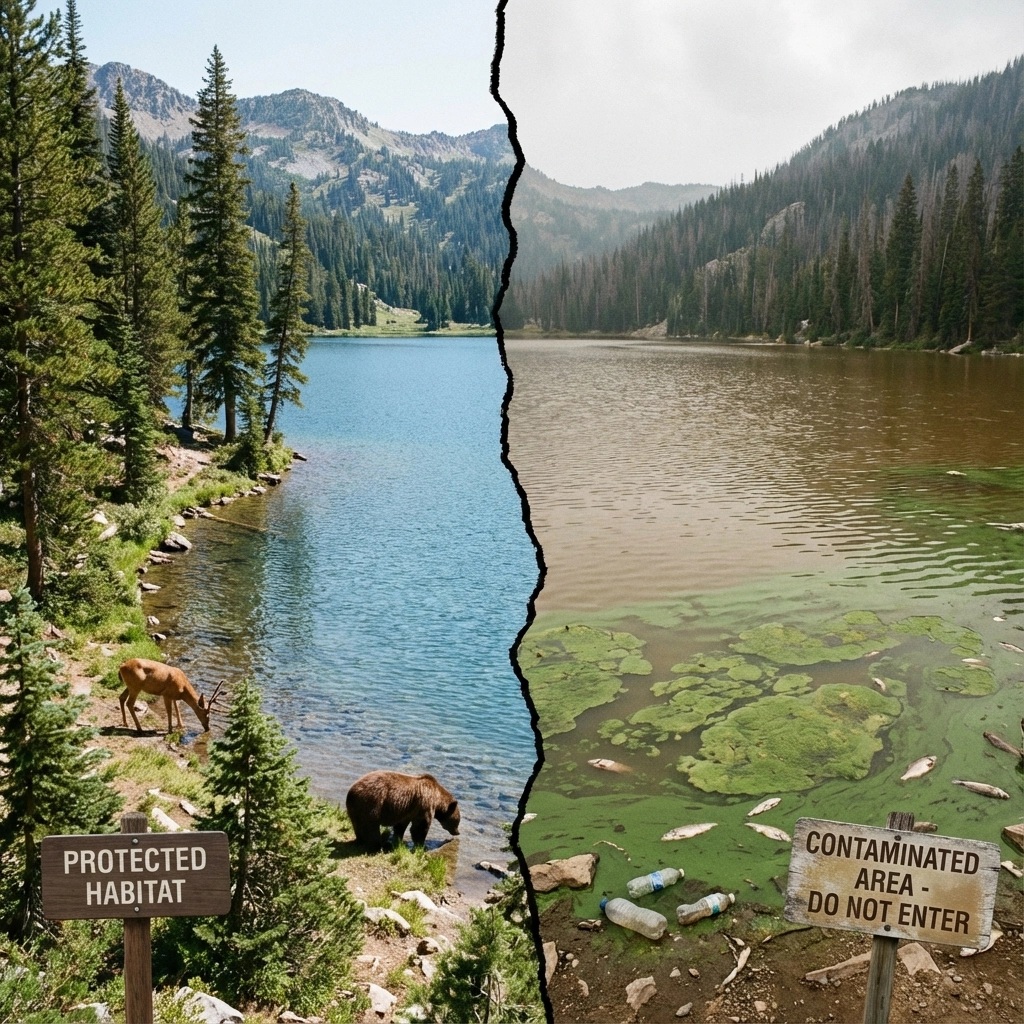
Improper wastewater disposal creates severe environmental consequences that extend far beyond the immediate dumping site. Black water contains harmful bacteria, viruses, and parasites that can contaminate groundwater supplies for decades. Even gray water, often considered “less harmful,” contains soap residues, food particles, and cleaning chemicals that disrupt natural ecosystems.
A single RV’s black water tank can contain over 40 gallons of untreated sewage. When dumped illegally, this waste introduces nitrogen and phosphorus into water systems, triggering algae blooms that deplete oxygen levels and kill aquatic life. The Environmental Protection Agency estimates that illegal RV waste dumping contributes to over 3,000 water contamination incidents annually across the United States.
For RVers practicing water conservation during dry camping, understanding proper disposal becomes even more critical since concentrated waste poses higher environmental risks.
The Clean Water Act of 1972 established federal standards prohibiting the discharge of pollutants into navigable waters, including RV wastewater. However, enforcement and specific regulations vary significantly between states and municipalities, creating a complex legal landscape for travelers.
California leads with some of the strictest penalties, imposing fines up to $25,000 for first-time violations and potential criminal charges for repeat offenders. Texas and Florida follow close behind, with fines starting at $1,000 for improper gray water disposal and escalating quickly for black water violations.
State-specific regulations also govern dump station requirements, waste treatment standards, and even the types of chemicals permissible in holding tanks. For comprehensive guidance on legal RV waste disposal requirements, understanding these varying state laws prevents costly surprises during your travels.
Illegal waste dumping poses serious public health risks that extend beyond environmental damage. Raw sewage contains pathogens including E. coli, Salmonella, and Hepatitis A, which can survive in soil and water for months. These contaminants spread through groundwater, affecting drinking water supplies and recreational water areas used by families and wildlife.
The Centers for Disease Control and Prevention documented over 1,200 cases of waterborne illness linked to recreational vehicle waste contamination in 2025. Most incidents occurred near popular camping areas where illegal dumping was practiced regularly, highlighting how individual actions impact entire communities.
Designated dump stations represent the primary legal disposal method for RV wastewater across the United States. These facilities feature specialized equipment designed to safely handle both black and gray water while protecting groundwater and surface water supplies.
National and State Parks offer the most reliable dump station network, with over 2,400 locations nationwide as of 2026. Most charge between $5-15 per use for non-campers, though many include free dumping with campground reservations. Popular destinations like Yellowstone, Grand Canyon, and Great Smoky Mountains have expanded their dump station capacity by 40% since 2024 to accommodate increasing RV traffic.
Private RV Parks and Campgrounds provide another extensive network, often featuring newer facilities with better maintenance and additional amenities like fresh water fill stations and propane services. KOA, Good Sam, and Thousand Trails networks collectively operate over 3,000 dump stations with standardized equipment and pricing.
Commercial Truck Stops and Gas Stations increasingly offer RV services, with major chains like Flying J, Pilot, and Love’s adding dump stations at strategic interstate locations. These facilities typically charge $10-20 but provide 24-hour access and often include convenience stores and fuel discounts.
For those exploring remote areas and finding free boondocking spots, planning dump station stops becomes crucial for extended off-grid adventures.
Legal dumping requires more than just finding an authorized station: proper procedures protect both the environment and your RV’s systems. Always dump black water first, followed by gray water, which helps flush and clean the dump hose naturally.
Essential Equipment includes a heavy-duty sewer hose rated for RV use, disposable gloves, and disinfectant wipes. Avoid using garden hoses or lightweight materials that can burst under pressure, creating hazardous spills and potential liability issues.
Waste Storage Containers become necessary when dump stations aren’t immediately available. Portable waste tanks like the Camco Tote Tank or Barker Tote-Along allow temporary storage while searching for legal disposal options. These containers must be properly sealed and transported according to DOT regulations for hazardous materials.
The RV industry has embraced digital technology to help travelers locate dump stations efficiently. Campendium leads the market with over 8,500 verified dump station locations, including real-time status updates, pricing information, and user reviews. The platform’s 2026 update includes AI-powered route optimization that suggests dump stations along planned travel routes.
iOverlander specializes in overlanding and boondocking resources, featuring detailed information about remote dump stations and alternative disposal methods. The app’s crowd-sourced data proves particularly valuable for international travel and off-road adventures where traditional RV parks don’t exist.
RV Trip Wizard by RV LIFE integrates dump station locations with trip planning tools, automatically suggesting stops based on tank capacity and travel distance. The 2026 version includes predictive analytics that estimate dump station availability during peak travel periods.
Modern boondocking trailers often include built-in GPS systems with pre-loaded dump station databases, making location finding seamless even in areas with limited cell coverage.
Dump station costs have remained relatively stable, ranging from free (at many campgrounds with overnight stays) to $25 for premium locations with additional services. State parks typically offer the best value at $5-10 per use, while private facilities charge $10-20 but often provide superior maintenance and amenities.
24-hour access has become increasingly important as RV travel patterns shift toward more flexible scheduling. Approximately 35% of dump stations now offer after-hours access through automated payment systems, though these typically cost $5-10 more than staffed locations.
Membership Programs like Good Sam and Passport America provide discounted dump station access at participating locations. These programs can save frequent travelers $200-500 annually while providing additional benefits like fuel discounts and campground reservations.

Legal penalties for improper RV waste disposal have intensified significantly as environmental awareness increases. Monetary fines vary by state but typically start at $500 for gray water violations and $1,500 for black water dumping. Repeat offenses can trigger criminal charges, especially in environmentally sensitive areas like national forests or near water sources.
Civil liability extends beyond government fines. Property owners can sue for cleanup costs, which often exceed $10,000 for soil remediation and water testing. Insurance policies typically exclude coverage for intentional environmental violations, leaving RV owners personally responsible for all associated costs.
Social media exposure has created an additional deterrent, with numerous Facebook groups and forums dedicated to reporting illegal dumping incidents. Photographs and license plate information spread quickly through RV communities, potentially damaging reputations and affecting future campground reservations.
Modern waste management emphasizes environmental responsibility alongside system maintenance. Enzyme-based treatments have largely replaced harsh formaldehyde-based chemicals, providing effective odor control while remaining safe for septic systems and groundwater.
Popular brands like Camco TST, Walex Bio-Active, and Nature’s Head offer formulations specifically designed for different tank types and usage patterns. These products break down waste naturally while maintaining bacterial balance essential for proper decomposition.
Choosing the right holding tank treatment products involves considering factors like climate, tank size, and personal usage patterns. Hot weather requires more frequent treatments, while cold weather may need additional antifreeze protection.
Gray water considerations often get overlooked, but soap residues and food particles can create significant odor and clogging issues. Biodegradable soaps and minimal food waste disposal help maintain system health while reducing environmental impact.
Regular maintenance prevents costly repairs and ensures reliable operation during extended travels. Monthly tank cleaning involves filling tanks with water and appropriate cleaning agents, then driving to agitate contents before dumping at an authorized station.
Deep cleaning procedures should occur quarterly or after extended storage periods. This involves using specialized tank cleaning wands, like the Flush King system, to remove accumulated solids and prevent sensor malfunctions.
For detailed maintenance procedures, consult our guide on maintaining RV black and gray water tanks, which covers everything from sensor cleaning to winterization procedures.
Preventive measures include using tank-appropriate toilet paper, avoiding chemical drain cleaners, and monitoring water usage to prevent overflow situations. These simple practices extend system life while reducing maintenance costs.

Portable toilets serve multiple functions beyond emergency backup systems. The Thetford Porta Potti series offers models ranging from basic 2.5-gallon units to premium 5.5-gallon systems with flushing mechanisms and level indicators. These units prove invaluable during extended boondocking or when main systems require maintenance.
Waste transport tanks like the Camco Tote Tank (15-28 gallon capacity) allow waste removal without moving the entire RV. These wheeled containers feature secure locking mechanisms and are DOT-approved for highway transport, making dump station visits more convenient and flexible.
Macerator pumps transform waste management for RVs with limited access to dump stations. These systems liquify waste, allowing disposal through smaller connections and even standard residential sewer connections (where legally permitted).
BlackSeries RVs feature industry-leading waste management systems designed for extended off-grid adventures. Our HQ series trailers include oversized holding tanks with precise monitoring systems that provide accurate level readings even during off-road travel.
Heated dump valves and insulated tank compartments prevent freeze-ups during cold weather camping, while reinforced mounting systems handle the stress of rough terrain without leaks or damage. These features prove essential for serious adventurers who travel in challenging conditions year-round.
Quick-connect fittings and twist-lock sewer connections speed dump station stops while reducing spillage risks. Combined with our diamond-plate protective armor, these systems handle the abuse of off-road travel while maintaining reliable operation.
The 2025 off-road travel trailer buying guide details how proper waste system design supports extended boondocking adventures without sacrificing comfort or convenience.
Effective waste management begins with smart water usage patterns. Gray water reduction through efficient dishwashing, shorter showers, and strategic cleaning schedules directly reduces dump frequency and extends boondocking capabilities.
Black water management involves understanding bacterial processes and optimizing conditions for natural waste breakdown. Proper hydration, appropriate chemical treatments, and regular agitation create ideal conditions for odor control and system health.
Integrated monitoring systems in modern RVs provide real-time tank level information, helping travelers plan dump stops before reaching capacity. These systems prevent overflow emergencies and optimize travel routes for maximum efficiency.
Portable waste containers provide essential backup when mechanical systems fail or dump stations become unavailable. A well-prepared RV should carry sufficient portable capacity for at least 48 hours of emergency use.
Chemical toilets serve as temporary solutions during system repairs or extreme cold weather when holding tanks might freeze. These self-contained units operate independently of RV systems while maintaining sanitary conditions.
Documentation and compliance become crucial during emergencies. Maintaining receipts from dump stations, photographs of posted regulations, and emergency contact information helps resolve disputes and demonstrates good faith compliance efforts.

California regulations prohibit all gray water discharge onto the ground, with violations starting at $5,000 fines. The state requires certified dump stations with specific treatment capabilities, limiting disposal options in remote areas.
Texas laws focus heavily on groundwater protection, with enhanced penalties near water sources and agricultural areas. The state offers extensive public dump station networks but enforces strict usage guidelines and monitoring requirements.
Florida’s environmental sensitivity triggers severe penalties for waste discharge near beaches, wetlands, or tourist areas. Fines can exceed $10,000 for first offenses, with criminal charges possible for repeat violations.
National forest and BLM lands maintain federal jurisdiction with consistent regulations across state lines. These areas typically prohibit all waste discharge outside designated facilities, with violations handled through federal court systems.
Winter camping presents unique challenges with frozen dump stations and tank freeze-up risks. Northern states often close dump stations from November through March, requiring alternative disposal strategies for cold-weather travelers.
Summer peak seasons create capacity issues at popular destinations, with dump stations experiencing long wait times and higher fees. Planning visits during off-peak hours or weekdays reduces delays and costs.
Drought conditions affect dump station availability as water conservation measures limit operations. Western states particularly experience seasonal closures that impact travel planning and route selection.
Use multiple digital resources for comprehensive coverage. Campendium provides the most extensive database with user reviews and real-time updates. iOverlander excels for remote locations, while RV Trip Wizard integrates dump stations with route planning. Always call ahead during peak seasons or in remote areas to confirm availability and hours.
Black water (sewage) requires disposal only at certified wastewater treatment facilities or approved dump stations. Gray water (sink and shower water) regulations vary by state: some allow limited ground discharge with restrictions, while others treat it identically to black water. Always research specific state requirements before travel.
Portable waste tanks provide temporary solutions for both black and gray water. The Camco Tote Tank and similar products allow waste transport to distant dump stations. For extended periods, consider portable toilet options or nearby RV service centers that offer waste removal services for a fee.
Penalties vary significantly by state and violation type. Fines typically range from $500-$25,000, with potential criminal charges for severe violations or repeat offenses. Civil liability for cleanup costs can exceed $10,000, and insurance policies typically exclude coverage for intentional environmental violations.
Empty black water tanks when they reach 2/3 capacity to prevent overflow and maintain proper bacterial balance. Gray water tanks can be emptied more frequently since they’re easier to clean. Monitor tank levels daily and plan dump station stops before reaching capacity, especially during extended boondocking adventures.

Legal RV waste disposal represents a fundamental responsibility for every RV owner, protecting our environment while ensuring continued access to public lands and camping facilities. As the RV community continues growing, our collective commitment to proper waste management directly impacts future regulations and camping opportunities.
The tools and resources available in 2026 make legal disposal easier than ever, from comprehensive mobile apps to improved dump station networks across the country. However, technology cannot replace personal responsibility and advance planning: the cornerstones of successful RV waste management.
Whether you’re exploring remote wilderness areas in a rugged BlackSeries off-road trailer or enjoying family camping trips in developed campgrounds, proper waste disposal practices ensure that these beautiful destinations remain available for future generations. Take time to plan your waste management strategy before every trip, and always choose legal disposal methods regardless of convenience or cost considerations.
For more information about BlackSeries RV’s advanced waste management systems and off-road capabilities, explore our complete lineup of adventure-ready travel trailers designed for serious adventurers who refuse to compromise on comfort or environmental responsibility.