
Your cart (0)
Your cart is empty
Tax included and shipping calculated at checkout
Your cart is empty
Tax included and shipping calculated at checkout

What is a family friendly travel trailer layout? A family-friendly travel trailer layout is a floor plan specifically designed to maximize sleeping capacity, privacy, and livability for families with children. These layouts prioritize separated sleeping areas, convertible spaces, and smart storage solutions to accommodate multiple family members comfortably.
Why are family-friendly layouts crucial for American families? With the rise of multi-generational travel, remote work flexibility, and the growing trend of full-time RVing among families, having a well-designed layout has become essential. Recent industry data shows that families with children represent the fastest-growing segment of RV ownership in the United States.
Most popular family layouts include: bunkhouse configurations with dedicated kids' sleeping areas, convertible dinettes that transform from dining to sleeping spaces, rear living layouts with separated entertainment zones, and toy hauler designs for active families with gear storage needs.
The bottom line: Space separation (privacy zones) and storage optimization (smart storage solutions) are the two most critical factors families consider when selecting an RV layout, often outweighing other features like luxury amenities or size.
The landscape of American family RVing has transformed dramatically in recent years. Multi-child families are increasingly choosing RV travel as their primary vacation method, with 44% of RV-owning families having two or more children under 18. This demographic shift has driven manufacturers to prioritize family-specific design elements.
The remote work revolution has extended family camping seasons beyond traditional summer months. Nearly 28% of RV families now work remotely while traveling, creating demand for layouts that accommodate both living and workspace needs. This trend has coincided with the growth of "roadschooling" – families who homeschool while traveling full-time across America's national parks and state recreation areas.
Full-time RVers with families have increased by 34% since 2020, creating sustained demand for layouts that function as permanent homes rather than vacation vehicles. These families require robust storage solutions, multiple sleeping areas, and durable construction suitable for off-road adventures and varied terrain.
American families consistently report five primary concerns when selecting travel trailers:
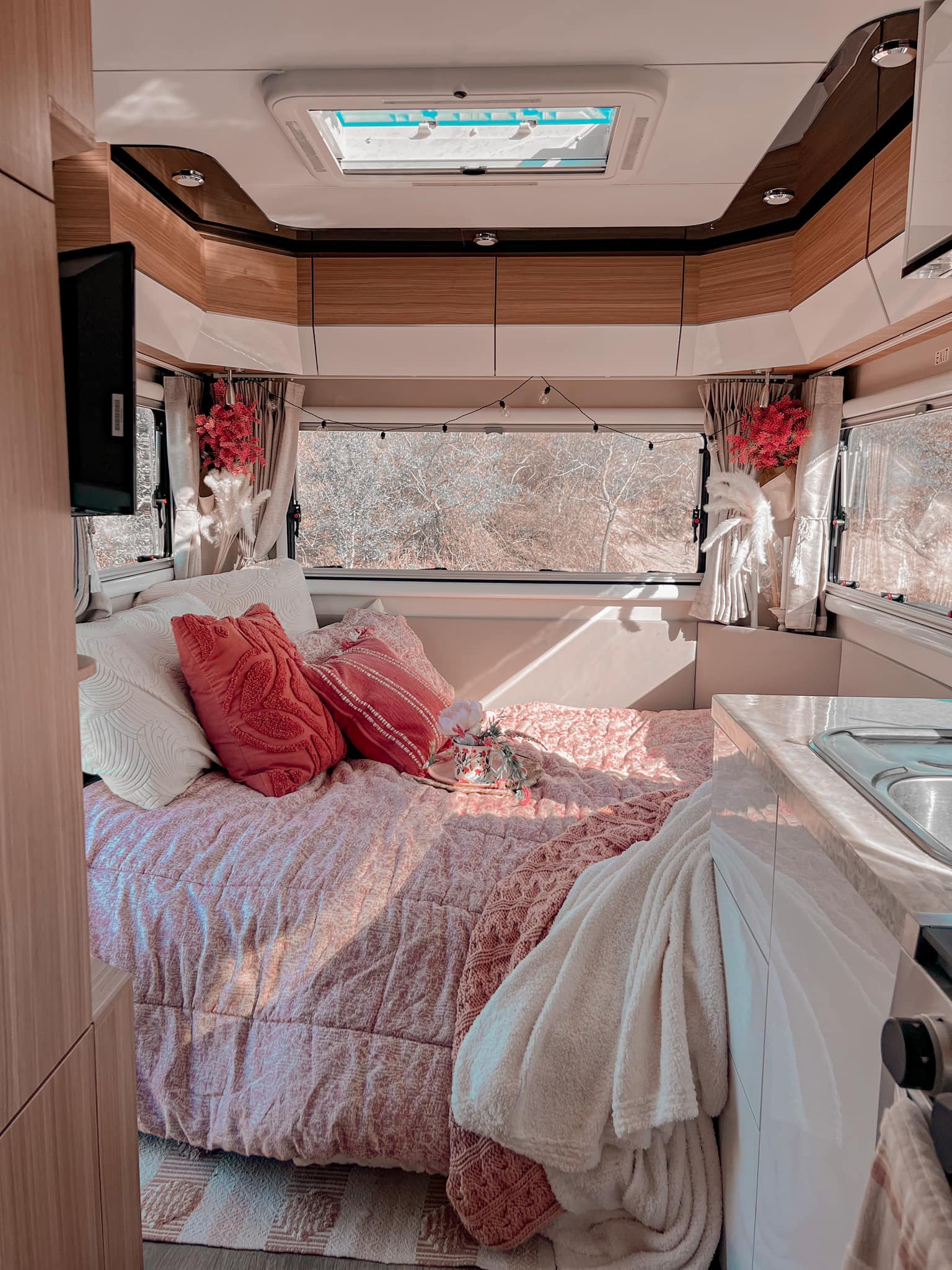
The bunkhouse layout remains the gold standard for American families, consistently ranking as the most popular configuration for households with multiple children. This design features dedicated bunk beds – typically positioned at the rear of the trailer – that can accommodate 2-4 children depending on the model.
Key advantages:
Modern bunkhouse designs frequently incorporate slide-outs to expand living space, tri-fold sofas for additional sleeping, and entertainment centers positioned for family movie nights. The most successful bunkhouse layouts maintain a clear sight line from the kitchen to the bunk area, allowing parents to supervise children while preparing meals.
For families planning off-road adventures, choosing a bunkhouse with robust construction becomes critical. Off-road trailer suspension systems help protect both the trailer structure and sleeping areas from rough terrain impacts.
Rear living layouts position the primary entertainment and relaxation area at the back of the trailer, creating an expanded family room perfect for older children and teenagers. This configuration works exceptionally well for families with children aged 8 and above who benefit from a dedicated hangout space.
The rear entertainment zone typically features:
This layout appeals particularly to families who spend significant time inside the trailer due to weather or prefer evening indoor activities like board games and movie watching.

Convertible space layouts offer maximum flexibility for families whose needs change throughout the day. The centerpiece typically features a dinette that transforms from a dining table into a sleeping area, often accompanied by a sofa that converts to an additional bed.
Best applications:
The conversion process should be simple enough for children to manage independently. Look for dinettes with easy-to-remove table legs and cushions that store efficiently when converted to sleeping mode.
Family toy haulers represent a growing segment, combining traditional family living areas with a rear garage space that doubles as storage and activity area. This layout appeals to active American families who travel with bicycles, outdoor sports equipment, or recreational vehicles.
The garage area serves multiple functions:
Many toy hauler family layouts include fold-down beds or convertible seating within the garage area, effectively creating a separate "kids' apartment" that can be closed off from the main living area.
Family size and ages fundamentally determine layout requirements. Families with children under 10 benefit most from bunkhouse configurations, while those with teenagers may prefer rear living layouts that provide age-appropriate gathering spaces.
Consider not just current needs but projected changes over the next 5-7 years. A convertible dinette that works for toddlers may become inadequate as children grow and require more privacy.
Your preferred destinations and camping style directly impact layout selection:
Families planning extensive off-road exploration should prioritize trailers with independent suspension systems and reinforced construction designed for rough terrain.
Dedicated sleeping areas: Count the number of separate sleeping spaces required, considering that some children may prefer sharing bunk beds while others need privacy.
Bathroom quantity: Single bathrooms work for most families, but larger households benefit from dual-entry bathrooms or separate toilet/shower areas.
Kitchen functionality: Families who cook frequently need full-size appliances and generous counter space, while those who rely on outdoor cooking can prioritize other layout elements.
Storage assessment: Calculate storage needs for clothing (seasonal changes), recreational gear, homeschool materials, and toys. Inadequate storage consistently ranks among the top regrets in family RV purchases.
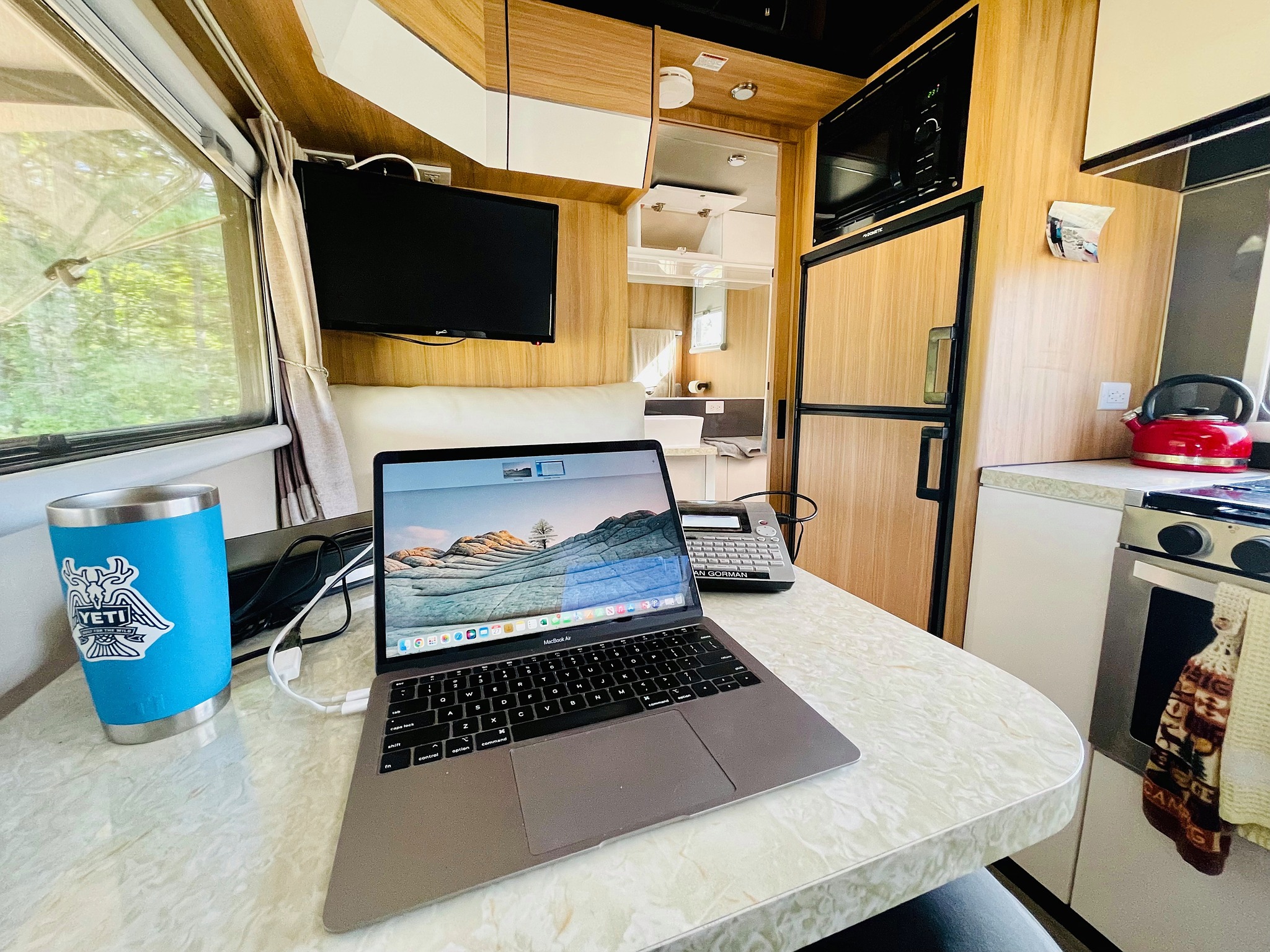
Essential sleeping features:
Living space must-haves:
Storage solutions:
Safety and convenience:
Outdoor living enhancements:
Recent RV Industry Association data reveals that families represent 38% of all RV purchases, with bunkhouse configurations accounting for 23% of all travel trailer sales. This represents a 15% increase over the past five years, driven primarily by millennial families entering the RV market.
Storage concerns rank as the #1 complaint among family RV owners, with 67% reporting inadequate space for extended trips. This has led manufacturers to prioritize innovative storage solutions, including under-floor compartments and overhead cabinets designed specifically for children's gear.
Family RV usage patterns show extended season travel, with 43% of families using their RVs for more than four months annually. This extended use pattern emphasizes the importance of durable construction and comfort features that support long-term occupancy.
What is the best travel trailer layout for a family of four?
A rear bunkhouse layout typically works best for families of four, providing separate sleeping areas for children while maintaining a comfortable master bedroom for parents. Look for models with a convertible dinette for additional sleeping flexibility and a mid-kitchen layout for easy supervision.
Should I choose a bunkhouse or convertible dinette for young children?
Bunkhouse layouts offer better long-term value for families with children under 12. Convertible dinettes require daily setup and breakdown, which can become tedious during extended trips. However, convertible options provide more daytime living space, which may benefit families who spend considerable time inside the trailer.
Are slide-outs necessary for family trailers?
Slide-outs significantly increase living space but add weight, complexity, and potential maintenance issues. For families planning frequent off-road adventures, fixed-wall layouts often provide better durability. However, slide-outs can transform cramped spaces into comfortable family environments for extended stays.
Will a family-friendly trailer be too heavy for my vehicle?
Family layouts don't inherently weigh more than other configurations, but larger trailers designed to sleep more people typically do. Focus on dry weight specifications and ensure your tow vehicle's capacity exceeds the trailer's GVWR (Gross Vehicle Weight Rating) by at least 20% for safe towing.
How important are safety features in family trailer layouts?
Safety features are critical, especially for families with young children. Essential safety elements include bunk bed railings, child-proof cabinet latches, non-slip step surfaces, and proper ventilation in sleeping areas. Additionally, layouts should provide clear emergency exit routes from all sleeping areas.
Selecting the ideal family-friendly travel trailer layout requires balancing immediate needs with long-term versatility. Whether you choose a dedicated bunkhouse for maximum child comfort, a flexible convertible layout for changing needs, or a toy hauler for active family adventures, the key lies in understanding how your family uses space and prioritizing features that enhance your collective camping experience. The investment in a well-designed family layout pays dividends in comfort, safety, and lasting memories across America's diverse landscapes.
Explore the Black Series lineup
Ready for the trail? See the Black Series HQ17 Family Off-Road Camper — sleeps five with a queen bed and two bunks.
Related reading: