
Your cart (0)
Your cart is empty
Tax included and shipping calculated at checkout
Your cart is empty
Tax included and shipping calculated at checkout

Rugged trailer suspension refers to heavy-duty suspension systems specifically engineered to handle rough terrain, washboard roads, and extreme off-road conditions that would damage standard RV suspensions. Unlike conventional travel trailers designed for paved campgrounds, off-road travel trailers require suspension systems that can absorb massive impacts while maintaining stability and protecting the trailer's structure.
For serious adventurers exploring America's diverse terrain, from Baja's rocky trails to Utah's slickrock, forest service roads, and BLM lands, upgrading to proper off-road suspension isn't optional. It's the difference between a comfortable adventure and a rattling, potentially damaging nightmare.
The bottom line: Independent suspension systems represent the gold standard for American rough roads, offering superior articulation, impact absorption, and long-term durability compared to traditional leaf spring setups.
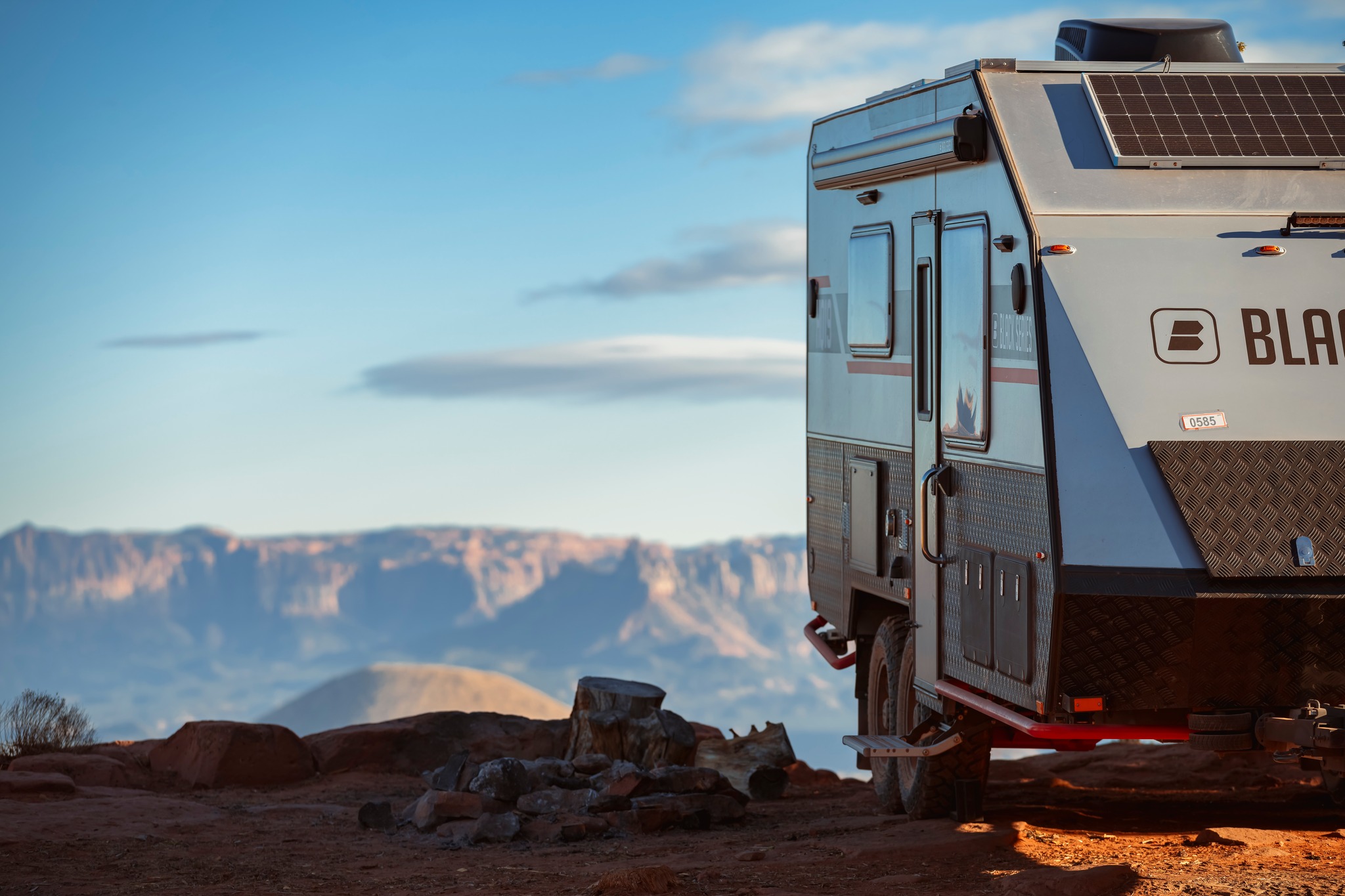
America's adventure destinations present unique challenges that standard RV suspension simply cannot handle:
Rocky Trails: From Colorado's mountain passes to Arizona's desert tracks, sharp rocks and loose surfaces create constant impact stress that overwhelms conventional systems.
Washboard Roads: These repetitive, rhythmic bumps found throughout the Southwest create a jackhammer effect that can literally shake trailers apart over time.
Sand & Desert Tracks: Soft sand requires different approach angles and ground clearance, while desert terrain combines extreme temperature swings with abrasive conditions.
Forest Roads & National Parks: Narrow, winding trails with exposed roots, rocks, and steep grades demand maximum articulation and clearance.
Winter Conditions: Frozen ground, ice, and snow-covered obstacles add another layer of complexity requiring robust, reliable suspension performance.
Traditional leaf spring systems found on most travel trailers create several critical problems for off-road use:
A real-world example: One Colorado adventurer reported complete leaf spring failure after just 5,000 miles of forest service road travel, requiring a costly tow and complete suspension rebuild.
Independent suspension allows each wheel to move independently, providing several critical advantages for off-road travel trailer applications:
This technology has become the mainstream choice for serious off-road travel trailers and toy haulers because it simply outperforms alternatives in real-world conditions.
For those not ready to invest in independent suspension, upgraded leaf spring systems offer moderate improvement:
Pros:
Cons:
Air suspension represents the high-end solution for trailers carrying variable loads or facing diverse terrain conditions:
Advantages:
Considerations:

Light Off-Road: Gravel roads, established camping areas, occasional forest service roads
Moderate Off-Road: Regular BLM camping, desert tracks, mountain forest roads
Extreme Off-Road: Rock crawling, remote desert exploration, challenging mountain passes
Check your trailer's Gross Axle Weight Rating (GAWR) and typical loaded weight. Heavier trailers require more robust suspension systems to handle the increased forces during off-road travel. Consider how much gear, water, and supplies you typically carry.
Ensure your chosen suspension system is compatible with:
Regular maintenance prevents costly failures and ensures optimal performance:
Every 3,000-5,000 Miles:
After Major Off-Road Trips:
Winter/Salt Road Protection:
Research shows that washboard roads generate 5-10 times more suspension stress than highway driving. The repetitive impacts create harmonics that can literally shake trailers apart, with common failure points including:
One Utah-based adventure company reported reducing maintenance costs by 60% after upgrading their rental fleet from leaf spring to independent suspension systems.
Is independent suspension worth the extra cost?
For regular off-road use, absolutely. The improved ride quality, reduced maintenance, and structural protection typically pay for themselves within the first few years of adventure travel.
Do I need air suspension for off-road trailers?
Air suspension offers advantages for variable loads and premium comfort, but isn't necessary for most off-road applications. Independent coil or trailing arm systems provide excellent off-road performance at lower complexity.
How much ground clearance do I really need?
Minimum 10 inches for light off-road use, with 12+ inches ideal for serious backcountry exploration. Higher clearance prevents costly underbody damage on rocks and obstacles.
Should I upgrade to off-road tires with new suspension?
Yes, aggressive tread patterns designed for mixed terrain complement suspension upgrades and significantly improve traction and durability on rough surfaces.
Is dual shock setup necessary for off-road trailers?
Dual shocks per wheel provide better impact control and redundancy, making them worthwhile for extreme off-road conditions or heavy trailers, though not always essential for moderate use.
The investment in proper rugged suspension transforms your trailer from a highway-limited RV into a true adventure vehicle capable of accessing America's most spectacular remote destinations safely and comfortably.
Explore the Black Series lineup
Ready for the trail? See the Black Series HQ19 Luxury Off-Road Travel Trailer — built for long, off-grid expeditions.
Related reading: