What Is an Off-Road Trailer?
An off-road trailer is a purpose-built towable recreational vehicle specifically engineered to navigate challenging terrain that standard travel trailers cannot handle. Unlike conventional travel trailers designed for paved roads and established campgrounds, off-road trailers feature heavy-duty frames, independent suspension systems, high ground clearance (typically 12+ inches), and off-grid power capabilities that enable extended wilderness adventures.
The key distinction lies in structural engineering: where standard travel trailers prioritize interior comfort and highway efficiency, off-road trailers emphasize rugged construction, enhanced articulation, and self-sufficiency systems. For America’s diverse terrain: from Utah’s rocky trails to Colorado’s alpine routes, Arizona’s desert tracks, and Nevada’s BLM lands: a true off-road trailer combines structural reinforcement, long-travel suspension, and comprehensive off-grid capability.
The Growing American Off-Road Trailer Market
Why Americans Are Choosing Off-Road Trailers
The American RV landscape has shifted dramatically toward off-road and overlanding adventures. BLM (Bureau of Land Management) lands, National Forest roads, and remote wilderness access have become increasingly popular as Americans seek authentic outdoor experiences beyond traditional campgrounds.
This surge stems from multiple factors: the overlanding culture explosion, remote work flexibility enabling extended trips, and a desire for safer, more comfortable wilderness experiences. Off-road trailers provide the perfect solution: offering independence from developed campgrounds while maintaining essential comforts for extended backcountry stays.
Rocky trails, washboard roads, sand and desert tracks, forest service roads, and challenging winter conditions demand equipment that standard travel trailers simply cannot handle. The consequence of inadequate preparation can range from expensive repairs to dangerous situations in remote locations.
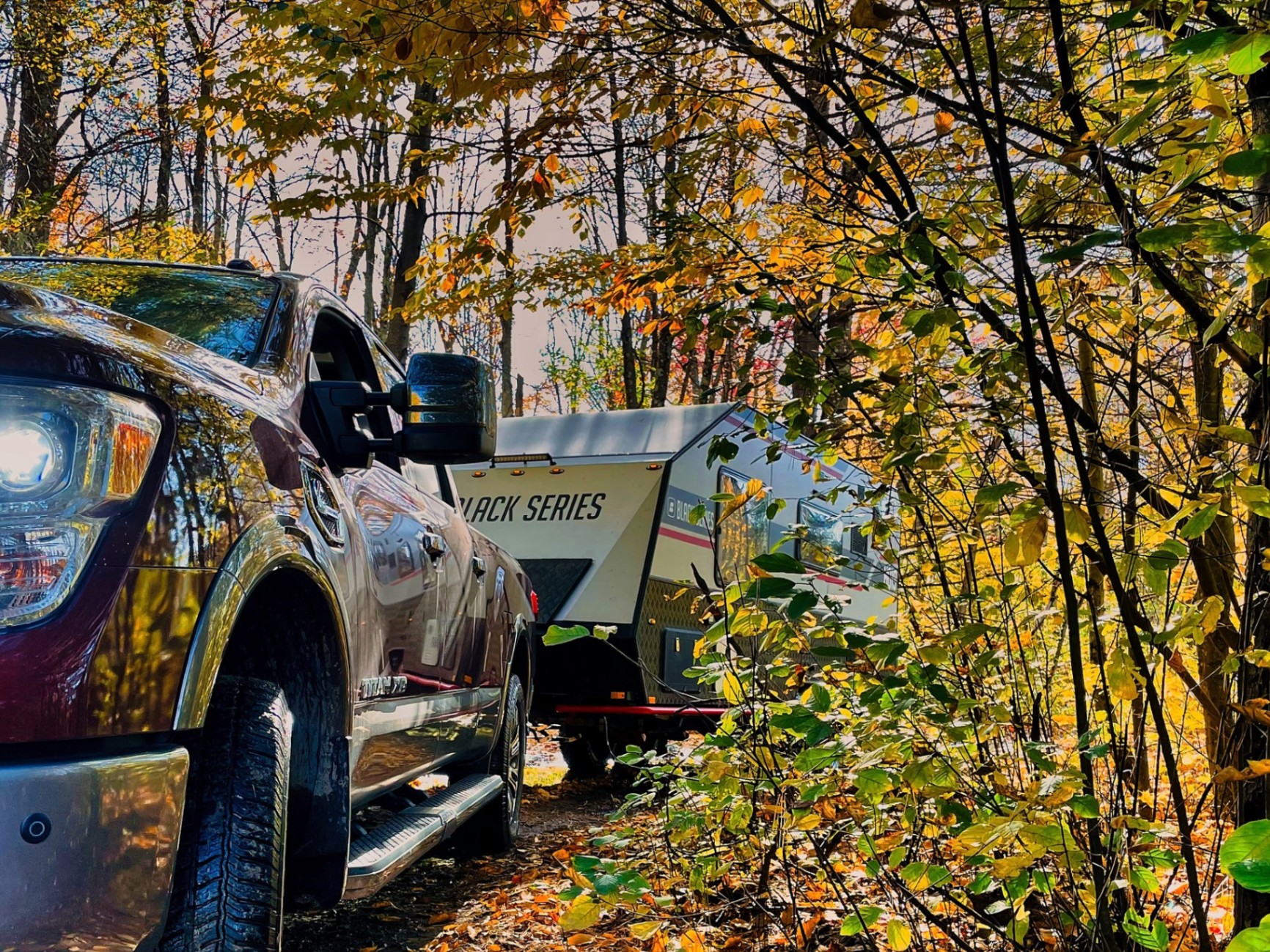
Market Growth and Consumer Trends
The overlanding and boondocking trends have driven unprecedented demand for capable off-road trailers. Remote work capabilities, combined with Americans’ desire to explore National Parks and wilderness areas, have created a market hungry for trailers that can access previously unreachable destinations.
This trend particularly resonates in western states where vast public lands offer unlimited exploration opportunities: provided you have equipment capable of reaching them safely and comfortably.
Core Construction Elements of Off-Road Trailers
Heavy-Duty Chassis and Frame Construction
The foundation of any capable off-road trailer begins with its heavy-duty chassis. Premium off-road trailers utilize fully welded steel construction rather than bolted assemblies, providing superior strength and durability under extreme stress.
Quality frames feature thick-gauge steel rails with reinforced gusseting at critical stress points. This construction method dramatically improves longevity and safety compared to standard trailer frames that may fail under repeated off-road punishment.
BlackSeries exemplifies this approach with galvanized steel construction that withstands years of harsh conditions. The difference between welded and bolted construction becomes apparent after thousands of miles on rough terrain: welded frames maintain structural integrity while bolted assemblies may develop stress failures.
Independent Suspension Systems: The Off-Road Advantage
Independent suspension represents the most significant advancement in off-road trailer technology. Unlike traditional leaf spring systems that treat both wheels as a single unit, independent suspension allows each wheel to react separately to terrain changes.
This system provides several critical advantages:
Enhanced Articulation: Each wheel can move independently, maintaining tire contact with the ground over uneven terrain. This prevents the trailer from becoming unstable on three-point contact situations common with rigid axle systems.
Reduced Shock Transmission: Independent shocks absorb impacts at each wheel before they transfer to the trailer body, dramatically reducing stress on both the trailer structure and its contents.
Improved Towing Stability: Better ground contact reduces trailer bounce and sway, creating a more controlled towing experience on rough roads.
For those interested in the technical details, our comprehensive guide to off-road trailer suspension systems explains the engineering differences between independent and solid axle systems.

Ground Clearance and All-Terrain Tire Systems
High ground clearance distinguishes genuine off-road trailers from cosmetically upgraded standard models. Minimum clearances of 12-14 inches prevent underbody damage on rocky terrain, while 15-17 inches provide capability for more extreme conditions.
This clearance must be maintained throughout the trailer’s length: a single low point can limit the entire unit’s capability. Quality off-road trailers engineer consistent clearance from tongue to rear, including protection for vulnerable components like propane tanks, batteries, and plumbing.
All-terrain tires complement high clearance with appropriate contact patches and sidewall strength. These tires feature aggressive tread patterns for traction in sand, mud, and loose rock, plus reinforced sidewalls that resist punctures from sharp objects.
Standard trailer tires prioritize highway efficiency and load capacity but fail quickly under off-road conditions. The investment in quality all-terrain tires pays dividends in reliability and safety during remote adventures.
Off-Grid Power Systems
Modern off-road trailers increasingly feature comprehensive electrical systems enabling extended off-grid operation. These systems typically include:
Solar Panel Integration: Roof-mounted panels provide continuous charging during daylight hours, essential for multi-day wilderness stays without generator operation.
Lithium Battery Systems: Advanced lithium iron phosphate batteries offer superior energy density, deeper discharge capability, and longer service life compared to traditional lead-acid batteries.
Inverter Systems: Pure sine wave inverters enable operation of sensitive electronics and standard AC appliances from DC battery power.
DC Refrigeration: Energy-efficient 12V refrigerators consume significantly less power than standard RV absorption refrigerators, extending off-grid capability.
These integrated systems transform off-road trailers from simple shelter into fully functional wilderness basecamp operations.
Water and Tank Protection Systems
American off-road adventures span extreme climate zones from desert heat to alpine freezing conditions. Quality off-road trailers protect water systems through multiple engineering approaches:
Insulated Tank Compartments: Enclosed, insulated compartments protect fresh water, grey water, and black water tanks from temperature extremes.
Skid Plate Protection: Heavy-gauge underbody protection shields vulnerable tanks and plumbing from rock damage during off-road travel.
Reinforced Plumbing: Flexible connections and protective routing prevent line damage from trailer flexing and ground impacts.
Heated Compartments: Optional heating systems prevent freezing in winter conditions, extending seasonal usability.
These protection systems prove essential for extended off-grid adventures where water system failure could end a trip prematurely or create dangerous situations.
Off-Road Trailer Categories for American Adventurers
Lightweight Off-Road Trailers (SUV-Friendly)
Weight Range: 1,200-2,500 pounds dry weight
Tow Vehicles: Mid-size SUVs, pickup trucks
Sleeping Capacity: 1-2 people
Best For: Weekend adventures, couples camping
These compact trailers prioritize minimal weight while maintaining off-road capability. They typically feature basic amenities: sleeping area, small kitchen, limited storage: but excel at accessing remote locations that larger trailers cannot reach.
Popular with couples seeking lightweight solutions for accessing fishing spots, hunting areas, or scenic camping locations off the beaten path.
Mid-Size Overlanding Trailers (Family-Friendly)
Weight Range: 2,500-4,500 pounds dry weight
Tow Vehicles: Full-size trucks, large SUVs
Sleeping Capacity: 2-4 people
Best For: Family adventures, week-long trips
These trailers balance off-road capability with family-friendly features. They often include convertible sleeping areas, larger kitchens, bathroom facilities, and enhanced storage for extended adventures.
The sweet spot for families beginning serious off-road adventures: capable enough for challenging terrain while providing comfort for children and extended stays.
Heavy-Duty Off-Road Travel Trailers (Premium Capability)
Weight Range: 4,500-8,000+ pounds dry weight
Tow Vehicles: Full-size trucks (3/4-ton or 1-ton preferred)
Sleeping Capacity: 4-6+ people
Best For: Extended expeditions, full-time travel
Premium off-road trailers like BlackSeries models feature maximum capability for extreme conditions. These trailers include independent suspension, comprehensive off-grid systems, large tank capacities, and luxury amenities suitable for months-long adventures.
Designed for serious overlanders planning extensive expeditions through challenging terrain while maintaining all comforts of home.
Comparison Overview
How to Select Your Ideal Off-Road Trailer
Step 1: Assess Your Off-Road Adventure Style
Before examining specific trailers, honestly evaluate your intended use patterns. Light off-road adventures typically involve gravel roads, forest service roads, and mild terrain accessible to most vehicles. Moderate off-road includes rocky trails, sand tracks, and terrain requiring 4WD capability. Extreme off-road encompasses technical rock crawling, deep sand, and terrain that challenges even experienced off-road drivers.
Your trailer choice must match your actual: not aspirational: adventure style. Over-buying capability wastes money and creates towing challenges, while under-buying capability limits your adventure options and may create safety risks.
Step 2: Evaluate Your Tow Vehicle Capacity
Tow Rating Considerations: Your vehicle’s manufacturer tow rating provides the absolute maximum safe towing capacity. However, real-world capability depends on multiple factors including trailer tongue weight, vehicle load, terrain, and altitude changes.
Common American Tow Vehicles:
- Mid-size trucks (Toyota Tacoma, Chevy Colorado): 6,000-7,700 lbs capacity
- Full-size half-ton trucks (F-150, Silverado 1500): 8,000-13,000 lbs capacity
- Heavy-duty trucks (F-250, Silverado 2500): 15,000-20,000+ lbs capacity
- Large SUVs (Tahoe, Expedition): 8,000-10,000 lbs capacity
Conservative towing practices recommend staying within 80% of maximum capacity for challenging terrain and mountain grades.
Step 3: Prioritize Suspension Technology
Independent suspension represents the gold standard for off-road capability. This system provides superior articulation, reduced shock transmission, and improved stability compared to traditional leaf spring systems.
However, quality independent suspension systems increase trailer cost and complexity. For light off-road use, upgraded leaf spring systems with quality shocks may provide adequate capability at lower cost.
The decision depends on your terrain severity and frequency of use. Serious overlanders benefit significantly from independent suspension, while occasional forest road campers may find upgraded conventional systems sufficient.
Step 4: Examine Structural Construction Quality
Frame Construction: Inspect whether the trailer features fully welded construction or bolted assembly. Welded frames provide superior durability under repeated stress cycles common in off-road use.
Material Quality: Premium trailers utilize galvanized steel or aluminum construction for corrosion resistance. Standard steel frames require more maintenance and may develop rust issues in harsh environments.
Reinforcement Points: Look for gusseted joints at stress concentration points, particularly where the tongue connects to the main frame and around axle attachment points.
Step 5: Assess Off-Grid System Requirements
Power System Needs: Calculate your actual power requirements based on planned equipment use. Basic lighting and water pumps require minimal capacity, while air conditioning, microwaves, and multiple device charging demand substantial battery capacity and charging capability.
Water System Capacity: Consider your group size and planned duration between resupply opportunities. Family groups require larger fresh water capacity, while couples may manage with minimal systems.
Solar Integration: Quality solar systems enable indefinite off-grid operation in sunny conditions. However, winter camping or heavily forested areas may require generator backup or shore power capability.
Step 6: Verify Terrain-Specific Specifications
Ground Clearance: Measure actual clearance at the lowest point, not just axle height. Ensure consistent clearance throughout the trailer length.
Approach and Departure Angles: These measurements determine the trailer’s ability to navigate steep grade changes without dragging.
Breakover Angle: Critical for navigating ridge-like obstacles common on rocky trails.
Articulation Range: Independent suspension systems should provide adequate wheel travel for your intended terrain severity.
Essential Off-Road Trailer Maintenance
Regular Inspection Schedule (Every 3,000-5,000 Miles)
Suspension Component Check: Inspect bushings, bolts, and shock absorbers for wear or damage. Off-road conditions accelerate wear compared to highway use.
Bearing and Hub Service: Wheel bearings require more frequent service under off-road conditions due to increased stress and potential contamination from water crossings or dusty conditions.
Structural Inspection: Check frame welds, especially at stress concentration points, for crack development. Early detection prevents catastrophic failure in remote locations.
Post-Adventure Maintenance
Wheel Alignment Verification: Off-road impacts can alter wheel alignment, leading to irregular tire wear and handling problems.
Shock Absorber Assessment: Inspect shocks for oil leakage or physical damage. Degraded shocks reduce trailer stability and increase stress on other components.
Underbody Cleaning: Remove accumulated debris, inspect for damage, and check protective coating condition.
Winter and Harsh Environment Protection
Corrosion Prevention: Salt exposure from winter roads or coastal environments accelerates corrosion. Regular washing and protective coating maintenance extends trailer life significantly.
Seal Integrity: Check all door, window, and roof seals for damage that could allow water intrusion and subsequent freeze damage.
System Winterization: Protect plumbing systems from freeze damage through proper draining or antifreeze procedures.
Real-World Performance Data
American Off-Road Market Growth
The American off-road trailer market has experienced explosive growth, with industry reports indicating 15-20% annual increases in sales volume. This growth correlates directly with increasing participation in overlanding, dispersed camping, and remote work flexibility enabling extended adventures.
Common Failure Points in Off-Road Use
Suspension System Failures: Traditional leaf spring systems experience fatigue failures 3-5 times more frequently than independent suspension systems under equivalent off-road conditions.
Tire-Related Issues: Standard highway trailer tires fail at significantly higher rates than purpose-built all-terrain tires in off-road conditions, with sidewall damage being the most common failure mode.
Water System Damage: Inadequately protected plumbing systems account for approximately 30% of trail-side failures, often requiring expedition termination.
Classic American Off-Road Routes
Moab, Utah: The epicenter of American rock crawling culture offers trails ranging from moderate to extremely technical. Proper ground clearance and articulation prove essential for accessing many popular camping areas.
Death Valley, California: Desert conditions test cooling systems, tire durability, and dust sealing. Quality air filtration and sealed electrical systems prevent premature component failure.
Alpine Loop, Colorado: High-altitude mountain passes demand reliable power systems, cold-weather capability, and structural strength for steep, rocky descents.
These destinations showcase why purpose-built off-road trailers significantly outperform modified standard trailers in real-world conditions.
BlackSeries: Engineering Excellence for American Adventures
Purpose-Built Philosophy
BlackSeries distinguishes itself through exclusive focus on genuine off-road capability rather than cosmetic upgrades applied to standard trailers. This philosophy reflects throughout their engineering approach: every component selection prioritizes durability and capability over cost reduction or marketing appeal.
The brand’s Australian heritage provides unique advantages: Australia’s harsh outback conditions exceed most American off-road environments in severity. Trailers proven in Australian conditions arrive in America with capability margins that standard manufacturers cannot match.
Advanced Construction Standards
Galvanized Steel Chassis: BlackSeries utilizes hot-dip galvanized steel construction that provides superior corrosion resistance compared to painted steel alternatives. This process adds significant cost but dramatically extends service life in harsh environments.
Composite Body Construction: Advanced composite materials offer superior strength-to-weight ratios while providing excellent impact resistance against branch damage and rock strikes common in off-road travel.
Integrated Systems Approach: Rather than adding components to existing platforms, BlackSeries engineers each system specifically for off-road demands. This approach eliminates compromise solutions common in modified standard trailers.
Proven Performance Advantages
Structural Longevity: BlackSeries frames maintain structural integrity after years of harsh use where standard trailer frames may develop stress failures.
System Reliability: Integrated electrical, plumbing, and mechanical systems prove more reliable than aftermarket additions due to purpose-built design and quality component selection.
Resale Value: Superior construction quality and brand reputation support higher resale values compared to mass-market alternatives.
Frequently Asked Questions
Is Independent Suspension Necessary for Off-Road Trailers?
Independent suspension provides significant advantages for serious off-road use: superior articulation, reduced shock transmission, and improved stability over rough terrain. However, the necessity depends on your specific use patterns. Light forest road camping may not justify the additional cost, while technical rock crawling or frequent washboard road travel makes independent suspension nearly essential for trailer longevity and towing safety.
How Much Ground Clearance Should an Off-Road Trailer Have?
Minimum ground clearance of 12 inches handles most forest service roads and light off-road conditions. Moderate off-road use benefits from 14-15 inches, while extreme conditions may require 16+ inches clearance. However, clearance must be consistent throughout the trailer length: a single low point limits overall capability regardless of axle height.
Are Off-Road Trailers Significantly Heavier Than Standard Trailers?
Off-road trailers typically weigh 20-40% more than comparable standard trailers due to reinforced construction, heavier-duty components, and enhanced systems. However, this weight penalty provides proportional increases in durability and capability. The key is matching trailer weight to your tow vehicle’s actual capability rather than maximum rating.
Can an SUV Tow an Off-Road Trailer?
Many mid-size and full-size SUVs can safely tow lightweight to mid-size off-road trailers. However, successful SUV towing requires careful attention to weight matching, proper hitch selection, and realistic assessment of intended terrain difficulty. Heavy-duty off-road trailers generally require pickup truck towing capacity for safe operation.
What’s the Difference Between Off-Road and Overland Trailers?
These terms often overlap significantly, but “off-road” typically emphasizes terrain capability while “overland” emphasizes extended self-sufficiency. Overland trailers may prioritize large tank capacities, comprehensive electrical systems, and storage optimization for long-duration trips, while off-road trailers focus on suspension systems, ground clearance, and structural strength for challenging terrain navigation.
The ideal trailer for American adventures combines both philosophies: terrain capability to access remote destinations and self-sufficiency systems to enjoy extended stays once you arrive.

