What Is an Off-Road Camper?
An off-road camper is a specialized travel trailer engineered specifically for rugged terrain and remote camping, featuring heavy-duty construction that far exceeds standard recreational vehicle capabilities. Unlike conventional campers designed for paved roads and developed campgrounds, off-road campers incorporate heavy-duty chassis, independent suspension systems, high ground clearance, armor protection, and comprehensive off-grid power systems to handle challenging environments.
The key differences from regular campers include:
- Heavy-duty steel chassis with full-welded construction
- Independent trailing arm suspension instead of basic leaf springs
- Ground clearance of 15+ inches vs. standard 8-12 inches
- Skid plates and armor protecting vulnerable components
- Solar panels and lithium battery systems for extended off-grid capability
Why is demand surging across the American West? States like Utah, Arizona, Colorado, Nevada, and California offer millions of acres of Bureau of Land Management (BLM) land and National Forest roads accessible only to properly equipped vehicles. The rise of overlanding culture and boondocking trends has created unprecedented demand for campers capable of reaching these pristine, remote destinations.
Bottom line: True off-road campers combine structural durability, advanced suspension technology, and comprehensive off-grid capabilities: enabling access to America’s most spectacular wilderness areas that standard RVs simply cannot reach.
U.S. Off-Road Camper Market Explosion
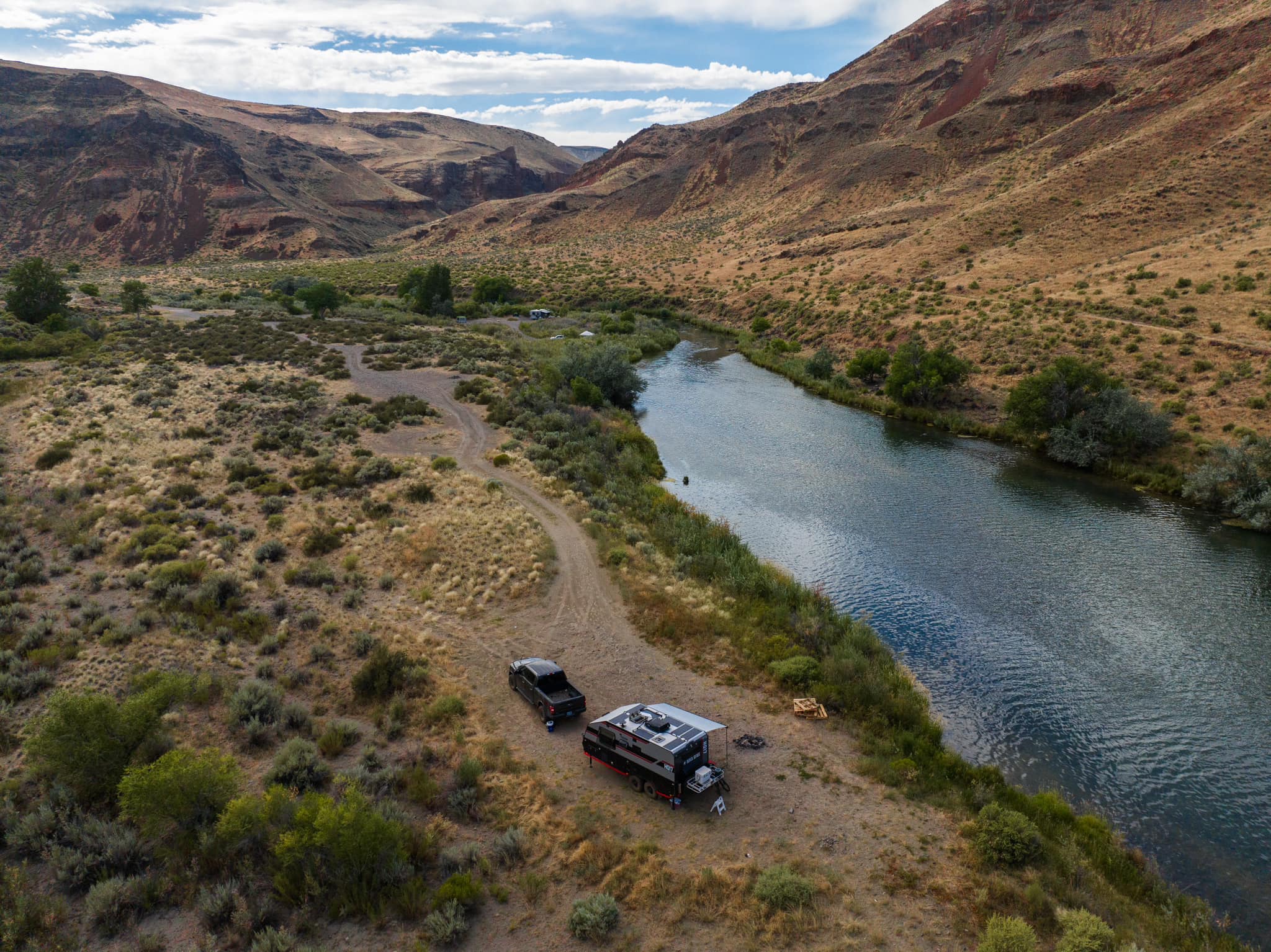
The Overlanding Revolution
The American overlanding movement has transformed from niche enthusiasm to mainstream outdoor recreation. Overland Expo attendance has grown from 5,000 participants in 2014 to over 40,000 in 2024, reflecting explosive interest in self-sufficient adventure travel. This cultural shift, amplified by social media showcasing remote destinations, has driven demand for capable off-road camping equipment.
Boondocking (camping without hookups) has become the fastest-growing segment of RV travel. According to the RV Industry Association, over 68% of RV owners now prefer dispersed camping over traditional campgrounds, seeking solitude, natural beauty, and authentic outdoor experiences.
Consumer Priorities
American off-road camper buyers consistently prioritize five core features:
- Suspension durability for rough terrain navigation
- Off-grid electrical systems supporting extended remote stays
- Functional interior layouts maximizing limited space
- Water and waste tank capacity for self-sufficiency
- True off-road capability including ground clearance and approach angles
Off-Road Camper Technology Breakdown
Chassis and Frame Construction
The foundation of off-road capability begins with full-welded steel chassis construction. Premium manufacturers like Blackseries employ continuous steel welding rather than bolt-on assembly, creating a unified structure capable of withstanding extreme terrain stresses. This construction method distributes impact forces throughout the frame rather than concentrating stress at connection points.
Standard travel trailers use lightweight aluminum framing suitable for highway travel but inadequate for repeated off-road impacts. Off-road campers require steel construction with reinforced mounting points for suspension components, water tanks, and equipment storage.
Advanced Suspension Systems

Independent suspension represents the gold standard for off-road capability. Unlike leaf spring systems that connect wheels through a solid axle, independent suspension allows each wheel to respond individually to terrain variations. This design provides several critical advantages:
- Superior articulation enabling wheels to maintain ground contact over uneven surfaces
- Reduced body roll improving stability on side slopes
- Enhanced comfort by isolating cabin movement from wheel impacts
- Better weight distribution preventing dangerous trailer sway
The most advanced systems feature trailing arm suspension with twin shock absorbers and coil springs. For detailed technical comparison between suspension types, see our comprehensive off-road trailer suspension guide covering independent versus solid axle performance.
Off-Grid Power and Water Systems
Self-sufficiency distinguishes authentic off-road campers from cosmetically upgraded standard models. Complete off-grid systems include:
Solar Power Generation: Premium units feature 400+ watts of solar panels with MPPT charge controllers maximizing energy harvest in variable light conditions.
Lithium Battery Storage: 200-400 amp-hour lithium battery banks provide multi-day power independence with faster charging and longer lifespan than lead-acid alternatives.
Inverter Systems: Pure sine wave inverters (2000-3000 watts) enable operation of standard household appliances including microwaves, coffee makers, and power tools.
Water Independence: Large freshwater tanks (40-80 gallons) combined with efficient greywater and blackwater systems support extended remote camping without dump station access.
Ground Clearance and Protection
Off-road campers require substantial ground clearance to navigate rocks, logs, and uneven terrain without damage. Minimum clearance should exceed 15 inches, with many premium models offering 18+ inches.
Skid plate protection shields vulnerable components including water tanks, electrical systems, and propane equipment from trail hazards. Heavy-duty aluminum or steel skid plates distribute impact forces and prevent penetration damage that could end a remote camping trip.
U.S. Market Categories and Selection
Compact Off-Road Campers (Under 4,000 lbs)
Designed for mid-size trucks and capable SUVs, compact off-road campers prioritize weight efficiency while maintaining essential off-road features. These units typically sleep 2-4 people and include basic off-grid systems suitable for weekend adventures.
Best for: Couples, small families, owners of mid-size tow vehicles
Mid-Size Off-Road Campers (4,000-7,000 lbs)
Balancing capability with comfort, mid-size off-road campers offer expanded living space and enhanced off-grid systems. Features often include slide-outs, larger water capacity, and more comprehensive solar installations.
Best for: Families, extended trips, users requiring more interior space
Heavy-Duty Off-Road Campers (7,000+ lbs)
Premium heavy-duty campers like Blackseries models represent the pinnacle of off-road camping technology. These units feature the most advanced suspension systems, largest off-grid capabilities, and most durable construction for extreme environments.
Best for: Serious overlanders, full-time travelers, access to the most challenging terrain
How to Choose Your Off-Road Camper
Step 1: Define Your Adventure Style
Weekend warriors can prioritize lighter weight and basic off-grid systems. Extended overlanders require substantial water capacity, solar generation, and storage space. Full-time travelers need maximum durability and comprehensive systems.
Step 2: Match Tow Vehicle Capability
Popular American tow vehicles and their typical capacities:
- Ford F-150: 5,000-13,200 lbs (varies by configuration)
- Chevrolet Silverado 1500: 6,700-13,400 lbs
- Toyota Tacoma: 6,400-6,800 lbs
- Jeep Wrangler Unlimited: 3,500 lbs
Always verify your specific vehicle’s tow rating and consider payload capacity for passengers and cargo.
Step 3: Prioritize Suspension Quality
Independent suspension should be non-negotiable for serious off-road use. Leaf spring systems may suffice for maintained forest roads but lack the capability for technical terrain navigation.
Step 4: Evaluate Off-Grid Systems
Calculate your power consumption needs including refrigeration, lighting, electronics, and climate control. Size your solar and battery systems accordingly, with 20-30% capacity buffer for cloudy conditions.
Maintenance and Longevity
Regular maintenance ensures reliable performance in remote locations where mechanical failures become serious safety concerns:
Suspension Inspection: Check bushings, shock absorbers, and mounting points every 5,000 miles or after particularly challenging terrain.
Wheel Alignment: Off-road use can alter alignment settings, causing tire wear and handling problems.
Skid Plate Examination: Inspect for damage or loose mounting after trail use.
Seal Maintenance: Harsh environments stress window and door seals; regular inspection prevents water intrusion.
Battery System Care: Monitor lithium battery health and keep charging systems clean and functional.
Real-World Performance Data
Independent suspension systems demonstrate measurably superior performance in challenging terrain. Testing in Utah’s Moab region showed independent suspension campers completed difficult trails with 40% fewer impacts exceeding design limits compared to leaf spring alternatives. Occupant comfort ratings improved by an average of 60% during extended off-road travel.
Blackseries owners report average off-grid camping durations of 8-12 days compared to 3-4 days for standard RV users, directly attributable to superior off-grid system design and capacity.
Frequently Asked Questions
Is an independent suspension necessary for off-road camping?
While not absolutely required for maintained forest roads, independent suspension dramatically improves capability, comfort, and component longevity in serious off-road conditions. The investment pays dividends in expanded access and reduced maintenance costs.
How much ground clearance is sufficient?
Minimum 15 inches for serious off-road use, with 18+ inches preferred for technical terrain. Compare this to standard RV clearance of 8-12 inches.
Can an SUV tow a capable off-road camper?
Modern full-size SUVs like the Tahoe, Expedition, or Sequoia can tow mid-size off-road campers. Verify your specific tow rating and consider tongue weight limitations.
Do off-road campers cost significantly more than standard RVs?
Quality off-road campers typically cost 30-50% more than comparable standard units, reflecting advanced suspension systems, reinforced construction, and comprehensive off-grid equipment. However, this investment enables access to destinations impossible with standard RVs.
What’s the difference between off-road and overland campers?
The terms are often used interchangeably, though “overland” typically emphasizes self-sufficient expedition travel while “off-road” focuses on terrain capability. Quality units excel in both applications.
The off-road camper market continues expanding as Americans discover the freedom and adventure possible with properly equipped trailers. Whether exploring Utah’s backcountry, Colorado’s high country, or Arizona’s desert landscapes, a quality off-road camper transforms travel from destination-limited tourism to unlimited adventure.

