Transitioning from a massive fifth wheel to a more capable rig? You’re not alone. Thousands of RV owners in 2026 are discovering that bigger isn’t always better: especially when that extra square footage keeps you tethered to paved campgrounds and premium RV parks.
A fifth wheel trade-in lets you apply your current unit’s value toward a new RV through a dealership, eliminating the nightmare of selling a large unit privately. Whether you’re downsizing for easier towing, seeking off-grid capabilities, or simply ready for a change, understanding the trade-in process puts you in the driver’s seat.
Here’s everything you need to know about trading in your fifth wheel and potentially upgrading your entire camping experience.
What Is a Fifth Wheel Trade-In?
A fifth wheel trade-in is a dealer-facilitated transaction where you exchange your current fifth wheel RV for credit toward another RV purchase. Unlike private sales, the dealership handles every aspect: valuation, paperwork, title transfer, and loan payoff coordination.
This process differs from trading standard travel trailers due to the unique characteristics of fifth wheels:
- Specialized hitching systems require compatible buyers
- Larger footprints mean limited private buyer pools
- Higher price points often involve complex financing situations
Fifth wheel trade-ins have become the mainstream upgrade path in America because they eliminate the months-long headache of marketing, showing, and negotiating large RV sales independently. When you understand the RV trade-in value factors at play, you can approach the process with confidence.
How Does a Fifth Wheel Trade-In Work?
The trade-in process typically completes within one to three days once you’re at the dealership. Here’s the step-by-step breakdown:
Step 1: Submit Your Fifth Wheel Information
Gather essential details before approaching any dealer:
- Brand, model, year, and length
- Current condition and maintenance history
- Title, registration, and loan payoff information
- Documentation of upgrades or recent repairs
Step 2: Professional Valuation
Dealerships use NADA Guide valuations combined with regional market demand to assess your fifth wheel. Expect the appraisal itself to take 30-60 minutes as inspectors evaluate:
- Structural integrity (frame, roof, sidewalls)
- Slide-out condition and operation
- Mechanical systems (HVAC, plumbing, electrical)
- Interior wear and cosmetic condition
Step 3: Receive Your Trade-In Offer
The dealer presents a written offer based on their assessment. This number reflects wholesale value: what they expect to recoup after reconditioning and resale costs.
Step 4: Apply Credit to Your New Purchase
Your trade-in value deducts directly from the new RV price. In many states, you only pay sales tax on the difference between your new purchase and trade-in credit.
Step 5: Complete Paperwork and Settlement
The dealership coordinates title transfer, loan payoff (if applicable), and registration. You drive away without juggling buyers, bank calls, or DMV visits.
Fifth Wheel Trade-In Value: What Affects It?
Understanding valuation factors helps you set realistic expectations and maximize your offer.
Size and Weight Classification
Fifth wheels range dramatically in size. The average weight of camper units varies significantly by length:
- Smaller fifth wheels: 7,000-9,000 lbs dry weight
- Mid-size units: 10,000-13,000 lbs
- Large luxury models: 14,000-18,000+ lbs
Larger units with higher average travel trailer weights often face steeper depreciation because the buyer pool shrinks with each additional thousand pounds.
Brand Positioning
Premium brands retain value better than budget manufacturers. However, even luxury fifth wheels depreciate faster than rugged, capability-focused trailers designed for longevity.
Structural Condition
Inspectors scrutinize:
- Water damage (the most common deal-killer)
- Frame rust or corrosion
- Slide-out seal integrity
- Roof membrane condition
Market Timing
Spring typically offers the strongest trade-in values as dealers stock inventory for peak season. Fall: particularly October: can also yield competitive offers due to factory incentives.
> Original Insight: Larger, high-maintenance fifth wheels often depreciate faster than rugged, mid-sized off-road travel trailers. The market increasingly values capability and durability over sheer size.

Where to Trade In a Fifth Wheel
Not all trade-in channels serve fifth wheel owners equally. Here’s how your options compare:
The Verdict
If your goal is upgrading to a more capable rig, dealer trade-in remains the most practical choice. Private fifth wheel sales routinely take 6-12 months, require expensive storage during marketing, and attract tire-kickers who can’t actually secure financing for large units.
For owners ready to upgrade their RV experience, the dealer route eliminates these headaches entirely.
Can I Trade In a Fifth Wheel With a Loan?
Absolutely. Outstanding loans don’t disqualify you from trading in: but the equity situation matters.
Positive Equity
If your trade-in value exceeds your loan balance, the difference becomes credit toward your new purchase. Example:
- Trade-in value: $45,000
- Loan payoff: $32,000
- Your credit: $13,000
Negative Equity
If you owe more than the fifth wheel’s worth, you’re “underwater.” This situation is common with large fifth wheels due to rapid depreciation. Options include:
- Rolling the negative equity into your new loan
- Paying the difference out of pocket
- Waiting until your loan balance decreases
When to Address the Loan First
Consider paying down your loan before trading if:
- Negative equity exceeds $10,000
- Your credit score has dropped since the original purchase
- Interest rates have increased substantially
The RV trade-in program through quality dealerships can help you navigate these calculations.
Trade In a Fifth Wheel to Upgrade: Is It Worth It?
“Upgrade” doesn’t always mean bigger. For many fifth wheel owners, true upgrading means gaining capability: not square footage.
Compare Your Scenarios
Campground-Bound Fifth Wheel:
- Limited to developed RV parks
- Requires heavy-duty truck ($60,000+)
- Storage costs: $150-400/month
- Site fees: $50-100/night
Capable Off-Road Trailer:
- Access to BLM land, forest roads, remote destinations
- Towable by mid-size trucks and SUVs
- Fits in standard garages
- Free camping on public lands
Total Cost of Ownership Analysis
When calculating whether trading makes sense, factor in:
- Towing vehicle requirements (and fuel costs)
- Storage and maintenance expenses
- Campsite fees vs. free dispersed camping
- Insurance premiums (often lower for smaller units)
Many owners discover that trading their 35-foot fifth wheel for a 24 ft camper weight unit actually reduces their annual RV costs while dramatically expanding where they can explore.
Why Many Owners Trade In Their Fifth Wheel for BlackSeries
The shift from fifth wheel to BlackSeries off-road trailers represents a fundamental change in camping philosophy: from space-oriented to capability-oriented.
The Capability Upgrade
BlackSeries trailers offer what fifth wheels simply cannot:
- All-aluminum construction eliminates wood rot and structural degradation
- Independent suspension handles terrain that would destroy traditional RVs
- Standard off-grid systems including solar, lithium batteries, and water filtration
- Overland-ready design for accessing remote destinations
The Weight Advantage
Compare typical fifth wheel weights to BlackSeries options:
- Fifth wheel (30+ feet): 12,000-16,000 lbs
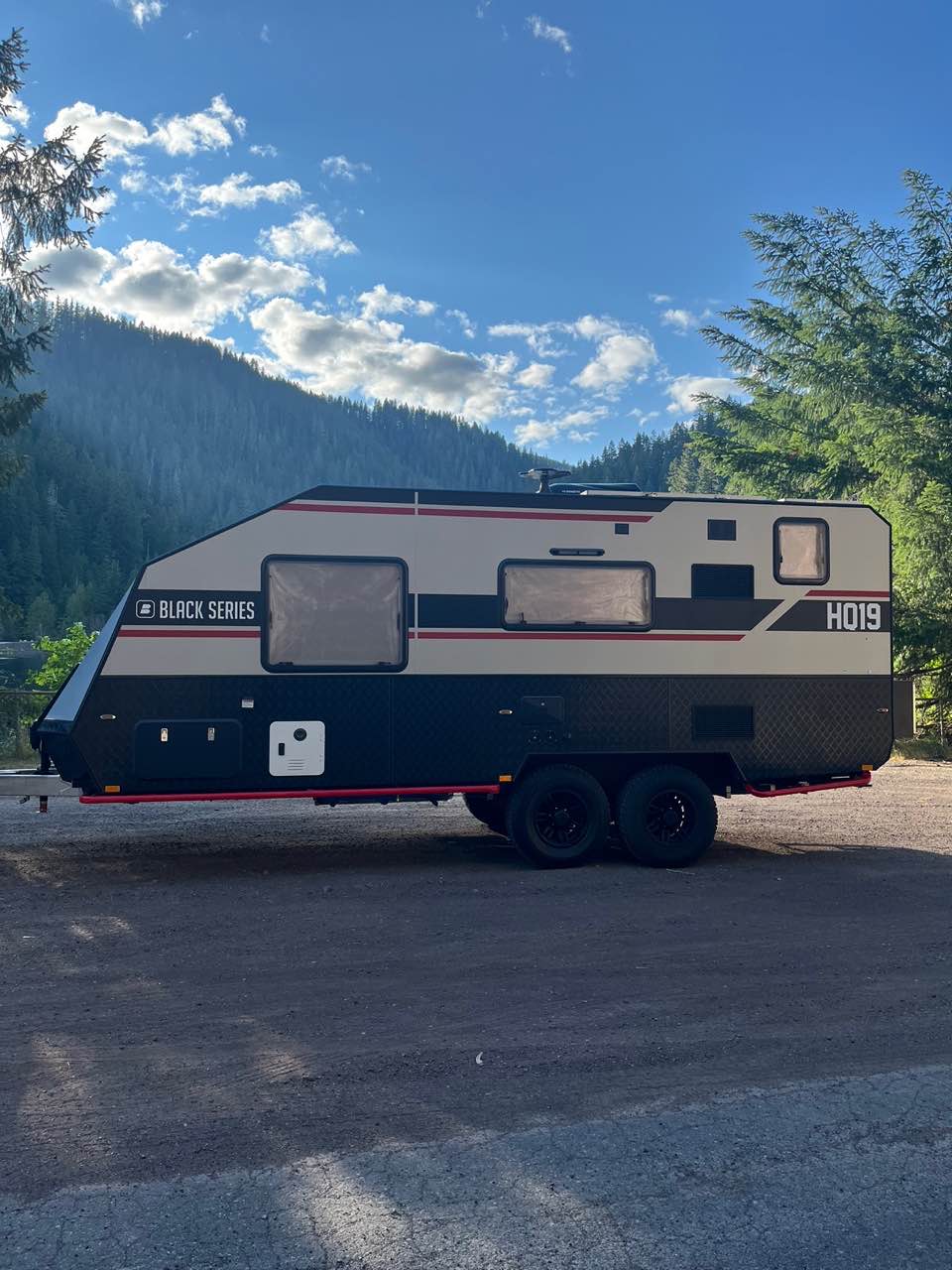
- BlackSeries HQ19: Approximately 5,500 lbs dry
- BlackSeries HQ21: Approximately 6,200 lbs dry
This dramatic weight reduction means:
- Tow with your existing half-ton truck
- Better fuel economy
- Easier maneuvering on narrow forest roads
The Resale Reality
Used BlackSeries trailers are scarce. Owners hold onto them because the build quality and capability remain relevant for decades. This scarcity creates strong future trade-in potential: unlike the flooded used fifth wheel market.
Whether you’re considering 16 ft camper weight options for solo adventures or 18 ft camper weight models for couples, the capability upgrade changes how you experience the outdoors.
Common Fifth Wheel Trade-In Mistakes to Avoid
Overestimating Market Liquidity
Fifth wheels aren’t easy to sell: period. The specialized hitch, large size, and hefty price point dramatically shrink your buyer pool. Don’t expect private sale prices at dealer trade-in.
Ignoring Long-Term Towing Costs
Your diesel dually costs $150+ per tank. That 30 foot rv weight requires serious horsepower. Factor cumulative fuel savings when evaluating smaller, lighter alternatives.
Trading in the Wrong Season
Avoid trading during November through February when demand craters. Spring (March-May) typically yields the strongest offers.
Upgrading Size Instead of Capability
Trading your 32-foot fifth wheel for a 36-foot fifth wheel isn’t upgrading: it’s repeating the same limitations with more payments. Consider whether your camping goals require space or access.
For guidance on evaluating your options, explore our camper trade-in guide resources.
Frequently Asked Questions
How does a fifth wheel trade-in work?
You submit your fifth wheel’s information to a dealership, receive a professional appraisal based on NADA values and market conditions, then apply that credit toward your new RV purchase. The dealer handles title transfer, loan payoff, and paperwork.
What is the average fifth wheel trade-in value?
Values vary dramatically based on age, condition, brand, and size. Expect 40-60% of original MSRP for units under five years old in good condition. Older or damaged units may appraise at 20-35%.
Can I trade in an older fifth wheel?
Yes. Dealerships accept fifth wheels of all ages, though older units receive lower valuations. Units with documented maintenance history and no water damage trade strongest regardless of age.
Does BlackSeries accept fifth wheels for trade-in?
BlackSeries works with authorized dealers who accept various RV types: including fifth wheels: as trade-ins toward new BlackSeries purchases. Contact your nearest dealer to discuss your specific situation.
What is the average 30 ft camper weight compared to a fifth wheel?
A 30-foot travel trailer typically weighs 6,000-8,500 lbs dry: significantly less than fifth wheels of similar length, which often exceed 10,000-12,000 lbs. This weight difference dramatically affects towing requirements and fuel costs.
Ready to Trade Up?
Your fifth wheel served its purpose. But if you’re craving destinations beyond paved campgrounds: if you’re tired of massive storage bills and premium site fees: trading into a capability-focused trailer might be the smartest move you make in 2026.
Explore the BlackSeries HQ lineup to see what real capability looks like, then contact our team to discuss your trade-in options.

