An off-road camper is a heavy-duty recreational vehicle engineered for durability on unpaved trails and remote terrain. Unlike standard RVs, they feature reinforced frames and independent suspension systems. For US adventure seekers in 2026, transitioning from a heavy 30 foot rv weight unit to a specialized 16 ft camper weight or 24 ft camper weight off-road model is the ultimate upgrade. BlackSeries stands at the premium end of this spectrum, offering expedition-grade engineering combined with luxury amenities for those who refuse to choose between comfort and the great outdoors.
What Are Off Road Campers?
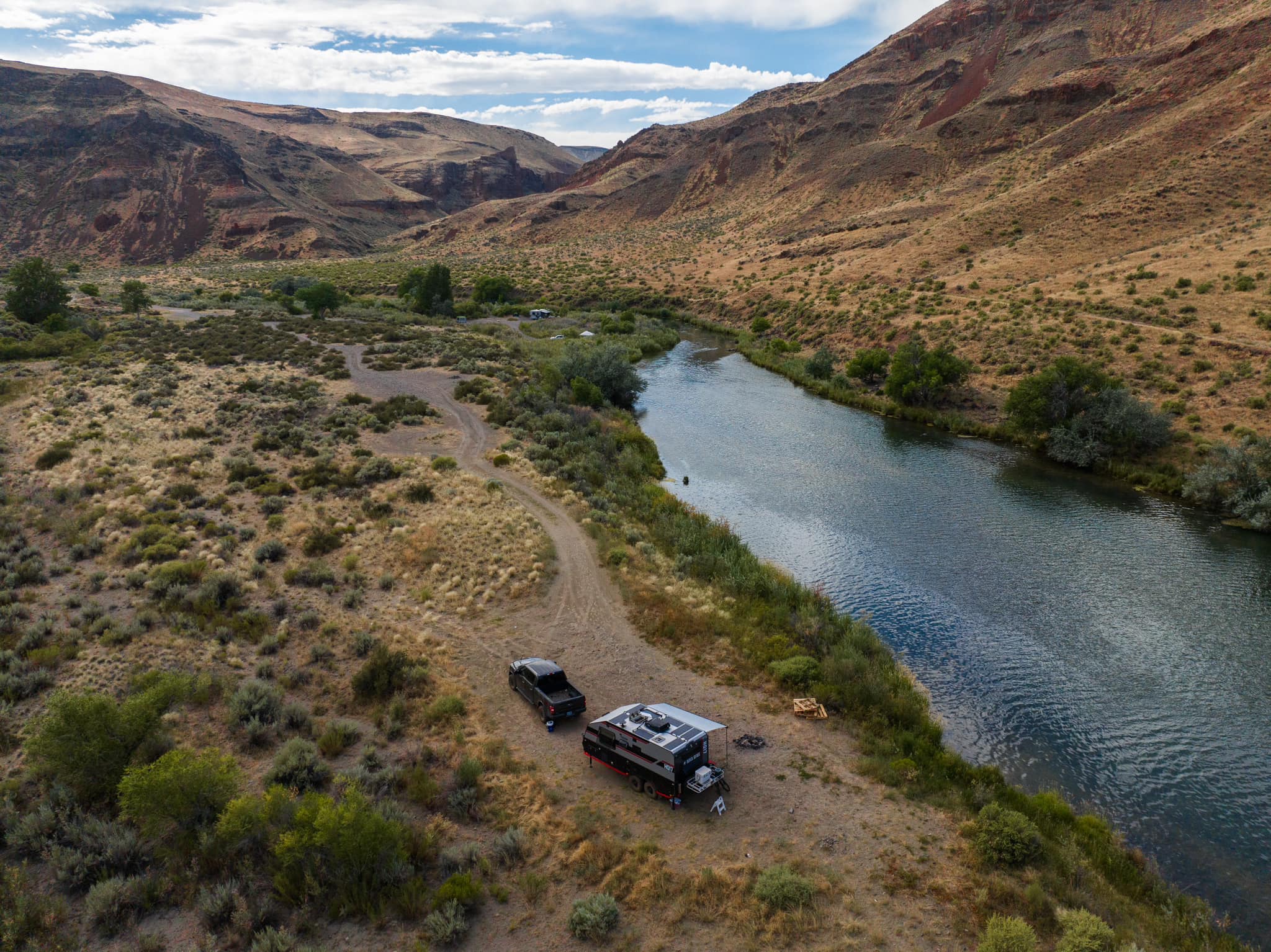
An off-road camper is built from the ground up to handle what standard RVs simply cannot: dirt roads, rocky trails, desert washes, and remote backcountry access. While your neighbor’s highway rig needs level pavement and a paved pad, an off-road camper laughs at BLM land, National Forest dispersed camping, and that sketchy fire road you’ve been eyeing on Google Maps.
The core difference? Engineering philosophy. Standard travel trailers prioritize interior space and amenities at the expense of durability. Off-road campers flip that script: starting with a reinforced chassis, independent suspension, and high ground clearance, then building comfort on top of that foundation.
You’ll also hear the terms “off-road” and “overland” used interchangeably. Here’s the quick distinction: overland typically implies extended, self-sufficient travel across varied terrain, while off-road focuses specifically on trail capability. In practice, the best off-road campers excel at both.
If you’re exploring deeper into off-road travel trailers, understanding this foundation is critical before you start shopping.
Types of Off Road Campers
Not all off-road campers are created equal. Your choice depends on your tow vehicle, travel style, and how gnarly you want to get.
Off Road Travel Trailer Campers
These are the workhorses of the off-road camping world. An off-road travel trailer combines serious trail capability with legitimate living space. Think independent suspension, reinforced steel frames, and all-terrain tires: paired with full kitchens, bathrooms, and sleeping quarters.
The sweet spot for 2026? The 18 ft camper weight to 24 ft camper weight range. These units deliver the perfect balance of maneuverability on tight trails and comfort for extended trips. Compare that to the typical 30 ft rv weight highway rigs that can’t even make it past the trailhead.
Truck-Mounted Off Road Campers
Slide-in truck campers offer maximum mobility. They sit in your pickup bed, eliminating the trailer entirely. The upside? You can navigate terrain that would destroy a trailer hitch. The downside? You’re limited by your truck’s payload capacity, and interior space is compact.
Best for: Solo travelers or couples who prioritize access over amenities.
Hybrid & Pop-Up Off Road Campers
Hybrids split the difference between hard-wall trailers and lightweight pop-ups. They feature solid construction with expandable sections: pop-top roofs or fold-out beds: that reduce towing weight and wind resistance while maintaining decent interior space.
These work well for moderate off-road use, though they may not handle extreme terrain as well as purpose-built travel trailers.
Key Features of the Best Off Road Campers
When evaluating off-road campers, these four categories separate the pretenders from the contenders.
Chassis, Suspension & Durability
The chassis is your camper’s skeleton. Premium off-road units feature heavy-duty welded steel frames with powder coating for corrosion resistance. But the real differentiator is the suspension system.
Independent suspension is non-negotiable for serious off-road use. Unlike standard leaf-spring setups where both wheels are connected, independent systems allow each wheel to react separately to terrain changes. This means better traction, less frame stress, and a smoother ride for everything inside.
Look for axle-less suspension designs with quality shock absorbers. The difference between entry-level and expedition-grade suspension becomes painfully obvious about 50 miles down a washboard road.
Ground Clearance & Tires
Ground clearance determines what you can drive over without scraping. Premium off-road campers offer 15-20+ inches of clearance: enough to straddle rocks and ruts that would high-center a standard trailer.
Tires matter equally. All-terrain or mud-terrain tires with aggressive tread patterns provide the grip you need on loose surfaces. Many off-road units come with 15″ or 16″ wheels specifically sized for readily available 4×4 tires.
Off-Grid Power & Water Systems
If you’re going off-road, you’re probably going off-grid. The best 2026 off-road campers come equipped for extended self-sufficiency:
- Solar panels: 200W-600W rooftop arrays are standard on premium units
- Lithium batteries: 200Ah+ capacity for running appliances without shore power
- Water storage: 40-80 gallon fresh water tanks for multi-day independence
- Inverters: 2000W+ pure sine wave inverters for sensitive electronics
The goal? Minimum 5-7 days off-grid without rationing. That’s the 2026 standard for serious adventure rigs.
Interior Comfort for Long-Term Travel
Here’s where the game has changed. In 2026, off-road campers with bathrooms aren’t a luxury: they’re expected. Full wet baths or dry baths with cassette toilets mean you’re not digging cat holes in a National Forest.
Four-season capability is equally critical. Quality insulation, heated tanks, and ducted heating systems let you extend your adventure season from early spring through late fall: or year-round if you’re ambitious.
Interior materials need to handle abuse: marine-grade upholstery, solid surface countertops, and cabinetry that won’t rattle apart after a thousand miles of trail.

Best Off Road Campers in the USA (2026 Buyer Insight)
“Best” depends entirely on your priorities. Here’s how to think about it:
Best for Overlanding
Long-distance, multi-terrain travel demands a balance of durability, fuel efficiency, and livability. Look for units in the 18 ft camper weight to 24 ft camper weight range with comprehensive off-grid systems. The average travel trailer weights in this category run 4,000-6,000 lbs dry: manageable for most mid-size trucks.
Best for Extreme Terrain
Technical trails require maximum articulation, ground clearance, and durability. Shorter wheelbases perform better on tight switchbacks. Consider the 16 ft camper weight class if your primary use involves serious rock crawling or desert running.
Best for Full-Time Adventure
Living on the road full-time demands comfort you can sustain. Larger units with more interior space, bigger holding tanks, and quality sleeping arrangements matter here. However, resist the temptation to upsize to a 30 ft rv weight rig: you’ll sacrifice access to the best camping spots.
If you’re considering trading up from your current RV, 2026 offers excellent incentives for upgrading to purpose-built off-road units.
Off Road Camper Buying Guide
Before you pull the trigger, work through these critical questions:
Towing & Payload Capacity
Your tow vehicle sets the ceiling. Check your truck’s towing capacity AND payload rating. The average weight of camper in the off-road category varies dramatically: from 2,500 lbs for compact units to 7,000+ lbs for large expedition trailers. Don’t forget to add gear, water, and passengers to your calculations.
Off-Road Rating Assessment
Be honest about your actual use case:
- Light off-road: Gravel roads, maintained forest roads, mild washboard
- Moderate off-road: Unimproved roads, moderate ruts, occasional water crossings
- Extreme off-road: Technical trails, rock gardens, significant articulation required
Frequency vs. Budget
A weekend warrior has different needs than a full-time overlander. If you’re hitting trails monthly, invest in premium suspension and durability. For occasional use, mid-tier options may suffice.
Long-Term Maintenance & Resale Value
Off-road campers from established manufacturers with US service networks hold value better than obscure imports. Research trade-in values and long-term ownership costs before committing.
Why Choose a BlackSeries Off Road Camper?
BlackSeries builds expedition-grade off-road campers with Australian engineering heritage adapted specifically for US terrain. Here’s what sets them apart:
Australian Off-Road DNA: Australia’s Outback demands serious engineering. BlackSeries applies those lessons: independent suspension, reinforced frames, and dust-sealed construction: to every unit.
Optimized for US Adventure: From Moab’s slickrock to the Rubicon Trail, BlackSeries units handle America’s most demanding terrain. The model lineup spans from the compact HQ12 through the family-sized HQ21, ensuring you can match capability to need.
Long-Term Reliability: Quality components and robust construction translate to years of trouble-free use. BlackSeries owners regularly report 50,000+ trail miles without major issues.
Clear Upgrade Path: As your adventure ambitions grow, BlackSeries offers straightforward upgrade programs to move up the model lineup.
FAQ – Off Road Campers
Are off road campers worth it?
Absolutely: if you actually use them off-road. The premium over standard trailers pays for itself in access to remote camping, durability on rough roads, and higher resale values. If you only camp at developed campgrounds, save your money.
What is the difference between off road campers and overland campers?
The terms overlap significantly. “Off-road” emphasizes trail capability and terrain handling. “Overland” emphasizes extended self-sufficient travel. The best expedition campers excel at both.
Do off road campers have bathrooms?
Most premium off-road campers include full bathrooms with showers, sinks, and toilets. In 2026, this is essentially standard equipment for units in the 18 ft camper weight class and above.
How much do off road campers cost in the US?
Entry-level off-road capable trailers start around $25,000-$35,000. Mid-tier options run $45,000-$65,000. Premium expedition-grade units like BlackSeries range from $70,000-$120,000+ depending on model and options.
What vehicles can tow or carry an off road camper?
Most off-road travel trailers in the 24 ft camper weight class require a half-ton truck minimum: think Ford F-150, Chevy 1500, or Toyota Tundra. Heavier units may require 3/4-ton trucks. Truck campers depend on payload capacity rather than towing ratings. Always verify your specific vehicle’s ratings against the loaded camper weight.

