
Your cart (0)
Your cart is empty
Tax included and shipping calculated at checkout
Your cart is empty
Tax included and shipping calculated at checkout

The American camping landscape has shifted dramatically by 2026. With over 245 million acres of BLM land and 193 million acres of National Forest now accessible via improved dispersed camping regulations, the demand for off-road travel trailers has skyrocketed. Unlike traditional RVs confined to paved campgrounds, an off road trailer camper is engineered to access the places where the pavement ends, and the real adventure begins.
This guide breaks down everything you need to know about choosing, planning, and executing remote camping trips with a purpose-built off-road rig. Whether you’re targeting the slickrock of Moab or the alpine meadows of Colorado, understanding the core engineering differences between a standard camper and an off-road trailer will determine whether you get stuck or stay comfortable.
An off road trailer camper is a mobile basecamp built on a reinforced chassis with specialized suspension, high ground clearance, and ruggedized systems designed to survive corrugated tracks, river crossings, and multi-day off-grid stays. These trailers prioritize structural integrity over interior square footage, making them fundamentally different from standard RVs.
A traditional travel trailer is optimized for highway cruising and RV park hookups. It features leaf spring suspension, standard automotive tires, and minimal underbody protection. By contrast, an off-road travel trailer includes:
While rooftop tents are popular for their simplicity, they lack a permanent kitchen, bathroom, and climate control, essential for extended trips. Truck campers solve the permanence issue but occupy your entire truck bed, preventing you from detaching and exploring trails solo.
An off road trailer camper offers the best of both worlds: a fully equipped living space that can be dropped at a basecamp, freeing your vehicle for day trips into technical terrain.
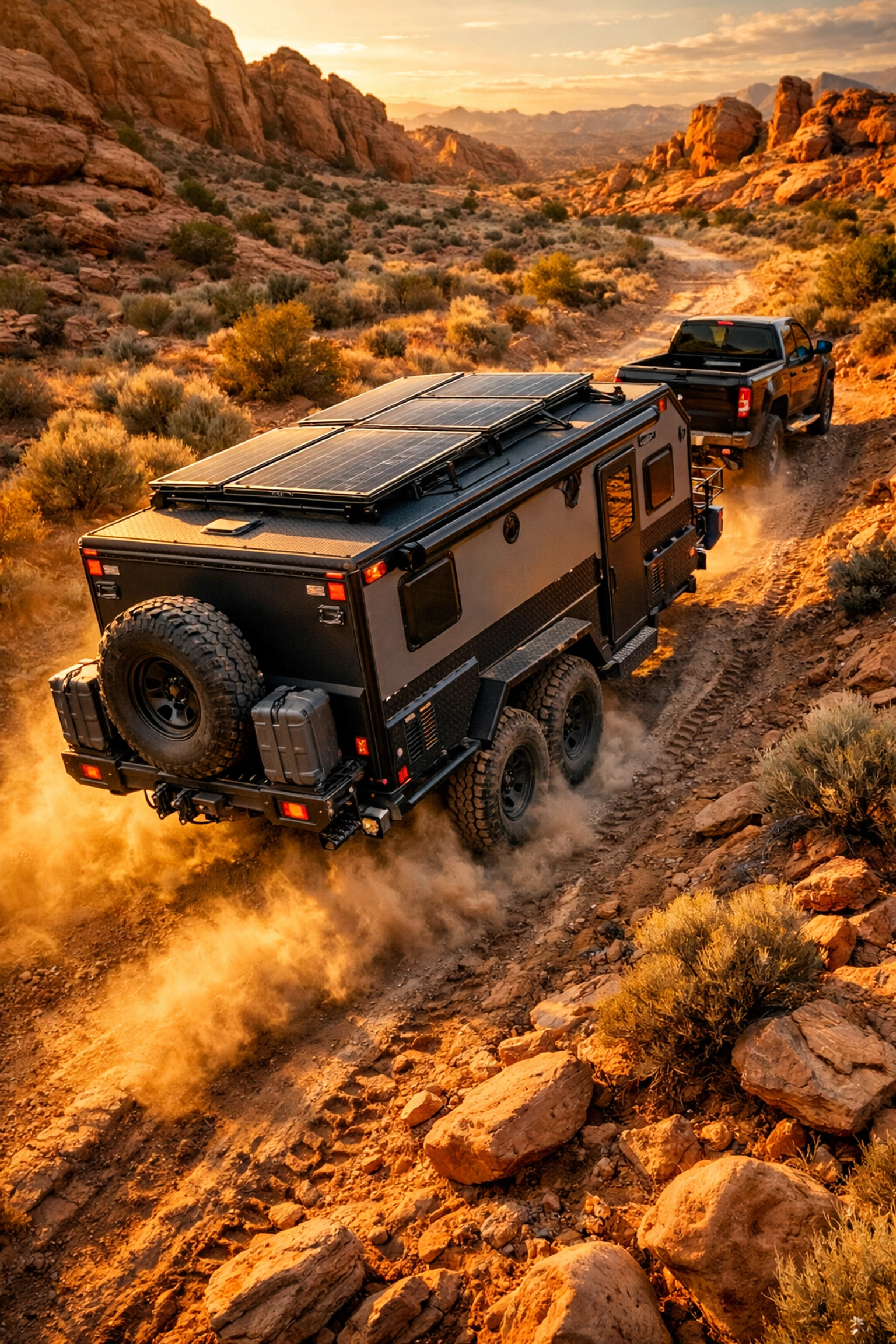
When evaluating any trailer marketed as “off-road capable,” verify these non-negotiable features:
Understanding these specifications is critical because the average weight of camper models in the standard market doesn’t account for the heavier-duty components required for off-road reliability.
The decision to invest in an off-road rig comes down to one question: Where do you want to camp?
Standard RVs are restricted to designated campgrounds with paved access roads. An off road trailer camper unlocks:
For a deeper dive into the legalities and logistics of off-grid camping, check our Boondocking for Beginners Guide.
Scenario 1: The Weekend Warrior
Friday evening departure from Phoenix to a BLM dispersed site near Lake Pleasant. Saturday trail riding in the tow vehicle while the trailer stays at camp. Sunday morning coffee on the tailgate before heading home, total cost: $0 in camping fees.
Scenario 2: The Digital Nomad
Two weeks camped on National Forest land in Montana with Starlink internet, working remotely during the week and exploring Glacier National Park on weekends. Solar panels and lithium batteries eliminate generator noise and fuel costs.
Scenario 3: The Family Expedition
A month-long summer trip from Colorado to Utah, hitting Moab, Capitol Reef, and the Grand Staircase-Escalante. The trailer’s full bathroom and kitchen mean the kids stay comfortable even when you’re 50 miles from the nearest town.
The price premium for an off-road rig is justified by the engineering: heavier frames, better components, and the freedom to access 80% more of America’s public lands.
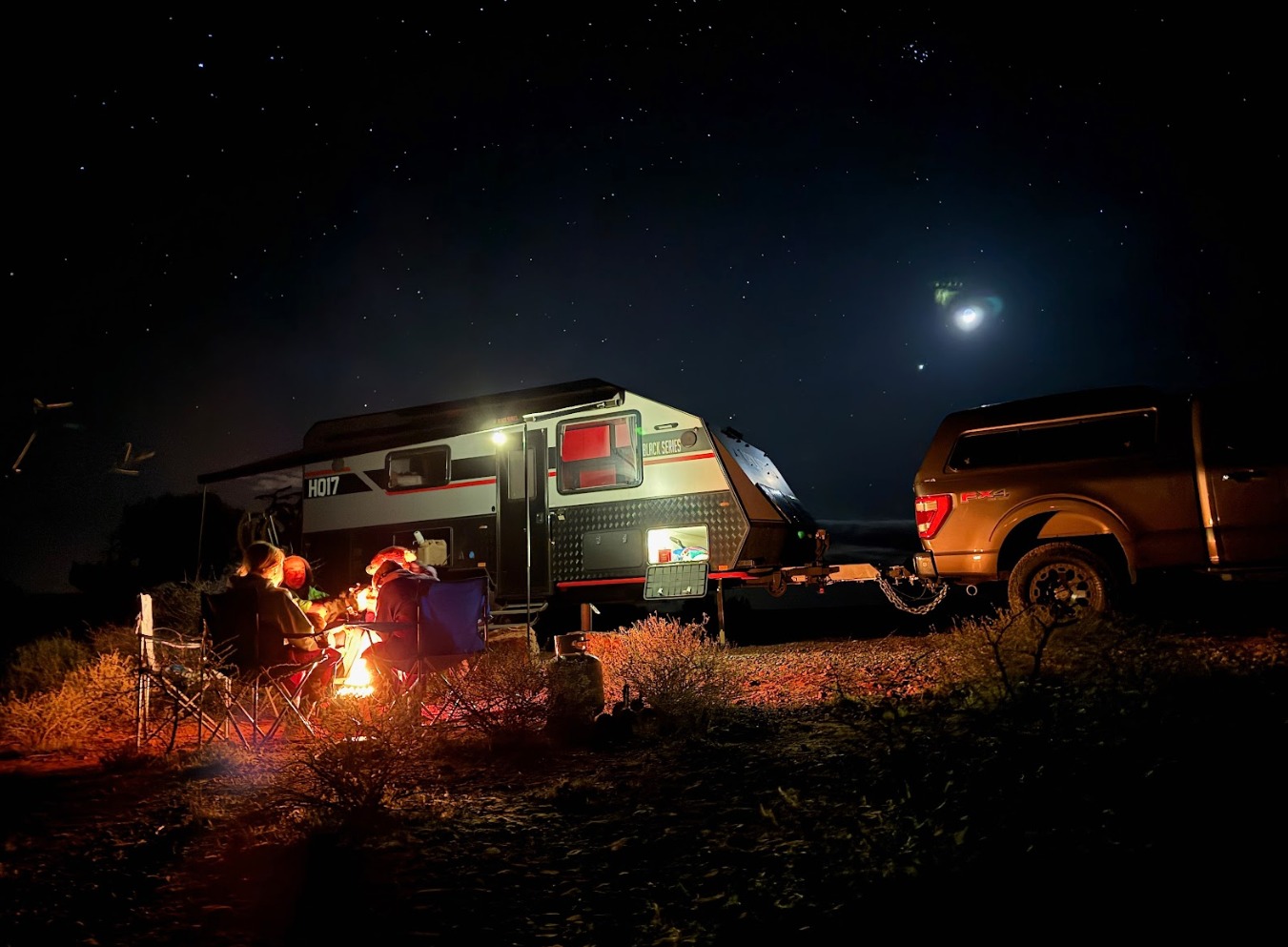
Planning a successful off-road camping trip requires methodical preparation. Unlike pulling into an RV park with full hookups, remote camping demands that you anticipate every variable, from legal stay limits to water consumption rates.
Step 1: Verify Public Land Boundaries
Use tools like OnX Offroad or the Bureau of Land Management’s interactive map to confirm you’re camping on legal dispersed sites. Most BLM land allows 14-day stays in a single location; National Forests vary by district.
Step 2: Assess Trail Difficulty
Cross-reference your route with trail rating systems:
If you’re towing a trailer rated for moderate terrain, avoid black-rated trails unless you’re confident in both your driving skill and the trailer’s articulation limits.
Tow Rating Reality Check
The average weight of camper models advertised at 3,500 lbs dry is misleading for off-road rigs. A true off-road trailer in the 16 ft camper weight category typically starts at 4,200 lbs fully loaded. Here’s the breakdown:
Compare these figures to the average travel trailer weights for standard models, which run 1,000–1,500 lbs lighter due to thinner chassis and simpler suspension systems.
Tow Vehicle Guidelines
For most off-road trailers, a 3/4-ton truck (Ford F-250, Ram 2500, Chevy Silverado 2500) is the minimum recommended platform. These trucks offer:
For detailed weight calculations and towing strategies, review our Travel Trailer Weight Guide.
Before leaving pavement, conduct these inspections:
Tire pressure is critical: our Off-Road Trailer Maintenance: Tire Pressure Setup guide explains the science behind optimal PSI for different terrains.
Water Redundancy
Plan for 1 gallon per person per day for drinking and cooking, plus 2 gallons per person per day for washing and cleaning. A 40-gallon fresh water tank supports two people for 10 days if you’re conservative.
Power Systems
Most off-road trailers include 400W+ solar arrays and 200Ah lithium battery banks. In winter months or heavily forested sites, supplement with a propane generator. Our Off-Grid Power Systems Guide covers sizing and redundancy planning.
Fuel Logic
If your basecamp is 100 miles from the nearest gas station, calculate round-trip fuel consumption at off-road speeds (10–15 MPH average). Carry jerry cans with an extra 10 gallons for emergency egress.
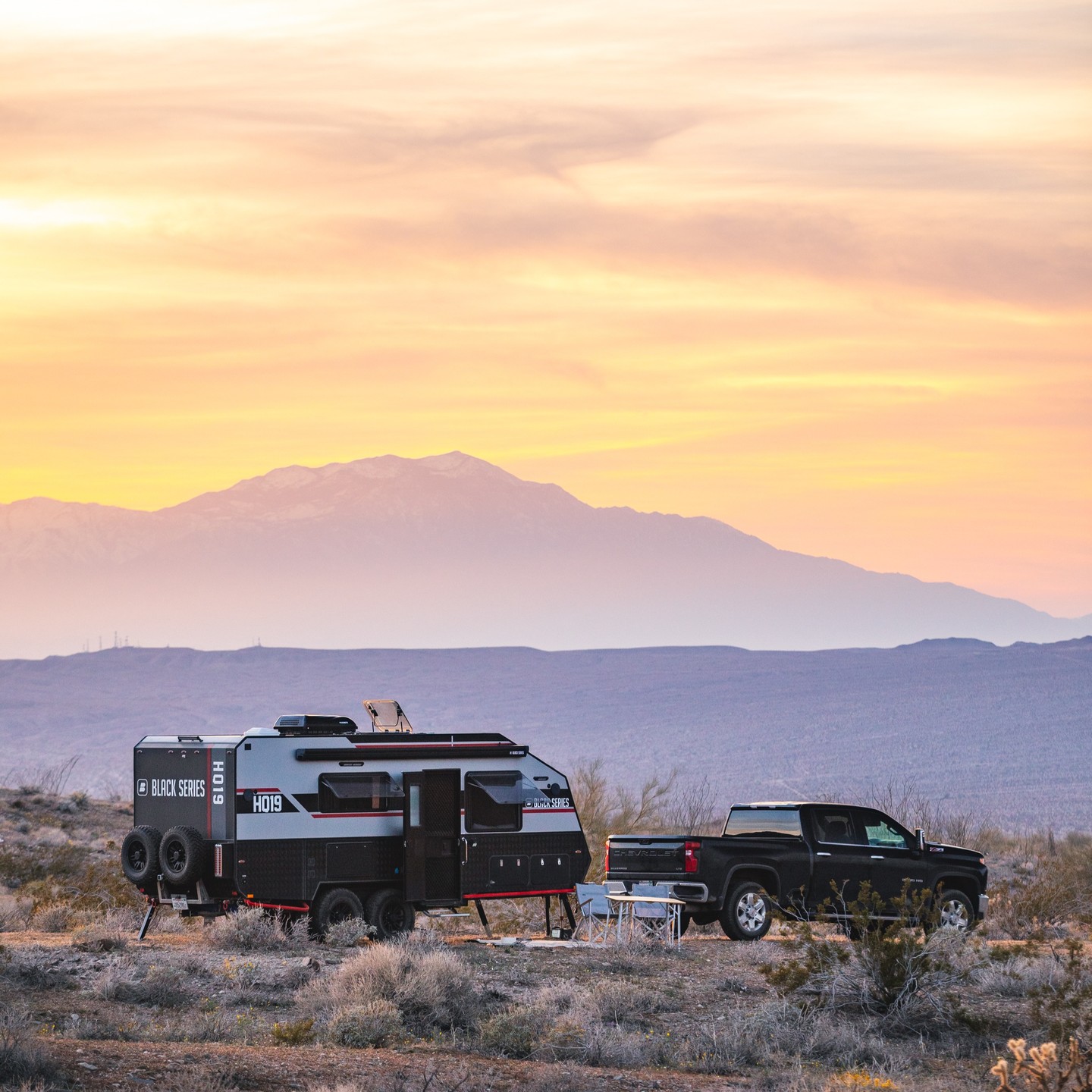
Packing for off-road camping requires a balance between preparedness and weight management. Every pound affects your 30 ft camper weight (or smaller) and impacts towing dynamics.
For a comprehensive breakdown of must-have recovery equipment, see our detailed guide on off-road essentials.
When researching the best off road trailers for 2026, move beyond floorplan photos and focus on structural engineering. Here’s what separates marketing hype from genuine capability.
Independent Trailing Arm Suspension is the gold standard for 2026. Leaf springs, common in budget “off-road” trailers, are highway suspension masquerading as trail-capable. Key questions to ask manufacturers:
A lower center of gravity improves stability on side-slopes. Manufacturers achieve this by:
A poorly designed 18 ft camper weight distribution will feel unstable at highway speeds and dangerous on off-camber trails.
Desert dust is finer than talcum powder and penetrates standard RV seals within hours. Look for:
Our Winterized Travel Trailer Guide explains why insulation matters even in summer months (prevents heat gain in desert environments).
At BlackSeries, our engineering focus centers on three pillars:
We don’t build trailers for campground glamping. We build them for the trails that test both equipment and resolve. Explore our lineup at BlackSeries RV.
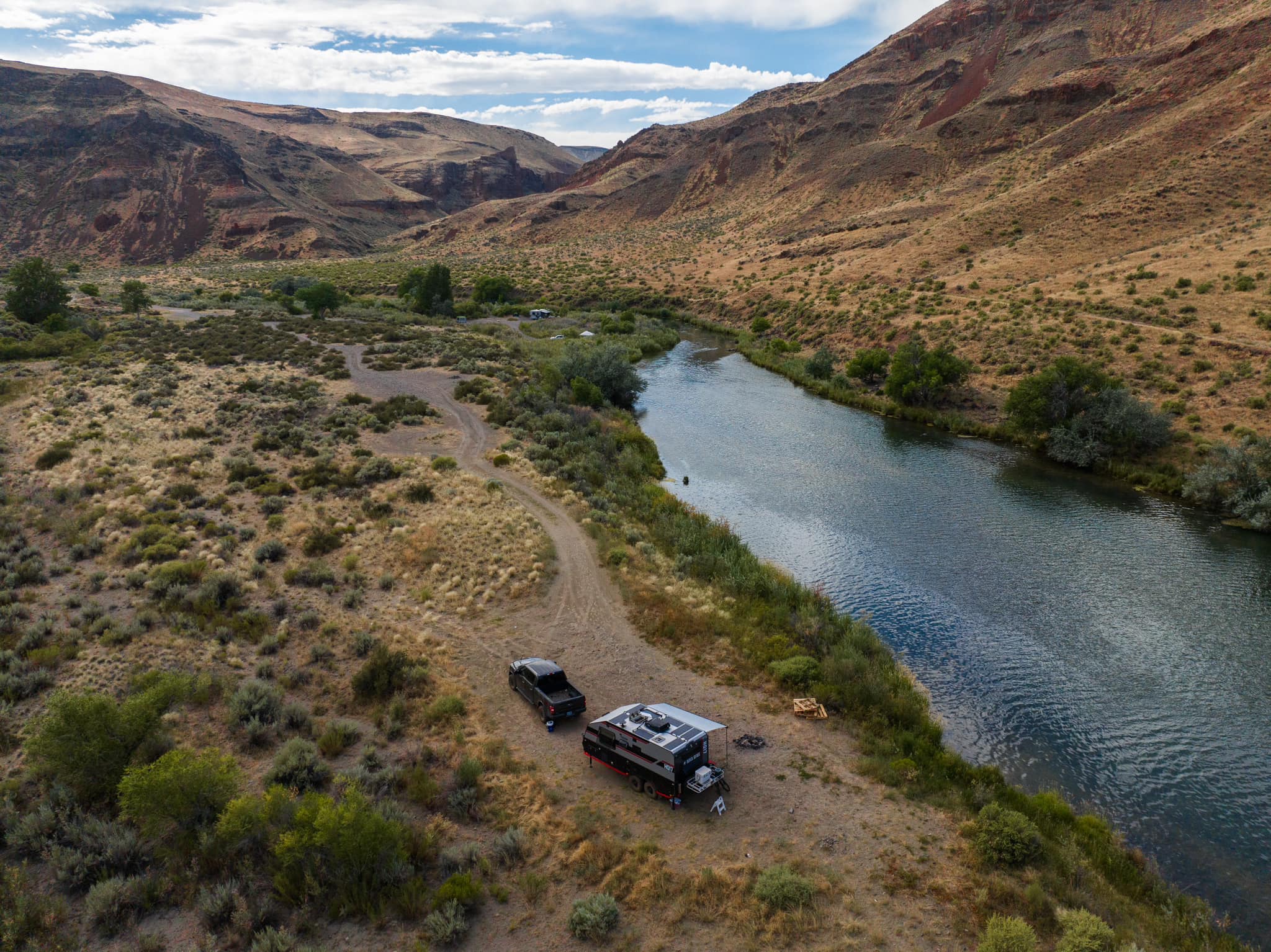
Theory meets reality when you’re 50 miles from the nearest paved road. Here’s what actual long-term off-grid camping looks like in 2026.
Scenario: 10 days dispersed camping in Arizona’s Sonoran Desert in July
Equipment: 600W solar array, 400Ah lithium battery bank, Starlink internet
Daily energy consumption breakdown:
Solar generation in July averages 5–6 peak sun hours, yielding 300–360Ah per day. Net positive energy balance allows for surplus battery charging and occasional high-draw appliances like induction cooktops.
Towing a 24 ft camper weight rig (6,200 lbs loaded) over 11,000-foot passes in Colorado reveals critical tow vehicle limitations:
Lesson: A 30 foot rv weight or 30-foot camper weight unit (7,500+ lbs loaded) is better suited for wide, established roads. For technical trails, a 16 ft camper weight or 18 ft camper weight rig offers superior maneuverability.
Western United States
Eastern United States
For eastern adventurers, prioritize shorter wheelbases and enhanced dehumidification systems. Western travelers benefit from larger water tanks and solar arrays.
No. While an off-road trailer grants access to dispersed camping on public lands (BLM, National Forest, some state lands), you must still follow agency-specific rules:
Private land, National Parks (outside designated campgrounds), and wilderness areas prohibit camping with trailers.
Generally, no. BLM dispersed camping is free and does not require permits for stays under 14 days. Exceptions include:
National Forests occasionally require free self-issue permits for dispersed camping; check with the local ranger district before arrival.
For most off-road trailers:
Remember: average travel trailer weights from standard RVs do not apply. Off-road rigs are 20–30% heavier due to reinforced construction.
Yes, if properly equipped:
For winter camping specifics, consult our 4-Season Off-Road Camper Guide.
An off road trailer camper isn’t just a purchase: it’s a commitment to the lifestyle of true freedom. Whether you’re targeting the endless horizons of Nevada’s Black Rock Desert or the alpine solitude of Montana’s Bob Marshall Wilderness, the right trailer makes the difference between a memorable adventure and a mechanical nightmare.
At BlackSeries, we’ve spent over a decade refining the balance between durability and comfort. Our trailers don’t just survive the trail: they thrive on it. Explore our lineup and see why serious adventurers choose BlackSeries when the pavement ends.
Discover BlackSeries Off-Road Trailers | Read More Adventure Guides | 2026 Buying Guide