
Your cart (0)
Your cart is empty
Tax included and shipping calculated at checkout
Your cart is empty
Tax included and shipping calculated at checkout

An off road trailer camper is a heavy-duty, off-grid-ready towable RV designed to handle rough terrain, long-distance overlanding, and remote camping adventures. Built with reinforced chassis, independent suspension, high ground clearance, and comprehensive off-grid power systems, these rugged units excel on challenging U.S. terrains including Utah’s slickrock, Colorado high mountain passes, and Arizona’s demanding desert landscapes.
Key advantages at a glance:
• Heavy-duty construction for extreme durability
• Independent suspension systems for superior ride quality
• High ground clearance (typically 14-20 inches)
• Comprehensive off-grid capabilities (solar, batteries, water systems)
• All-terrain protection and underbody armor
The U.S. outdoor recreation market continues its explosive growth, with overlanding and off-grid camping driving unprecedented demand for capable, rugged trailer campers. American adventurers increasingly choose pickup trucks paired with off-road trailer campers for their unmatched combination of capability, comfort, and independence on remote trails.
An off road trailer camper fundamentally differs from standard RVs and travel trailers through specialized engineering focused on durability and capability. While conventional travel trailers prioritize interior space and highway comfort, off-road variants emphasize structural strength, ground clearance, and systems designed for extended off-grid operation.
The structural differences are immediately apparent: reinforced steel or aluminum chassis construction, heavy-duty suspension components, protective underbody plating, and ruggedized exterior finishes. These features enable safe navigation of challenging terrain that would damage or destroy conventional camping trailers.
American outdoor enthusiasts often use three related but distinct terms:
Overlanding refers to long-distance, multi-terrain exploration where the journey itself becomes the destination. Overlanders typically spend weeks or months covering thousands of miles through diverse landscapes, requiring self-sufficient equipment and reliable vehicles.
Off-grid camping describes camping without hookups to electrical, water, or sewer systems. This style relies entirely on onboard systems for power generation, water storage, and waste management.
Boondocking specifically refers to camping in remote locations, often on public lands, without developed campground amenities. These sites frequently require off-road access and extended self-sufficiency.
An off road trailer camper for overlanding serves as the ideal platform for all three activities, providing the durability for challenging access routes and the systems for extended independence.
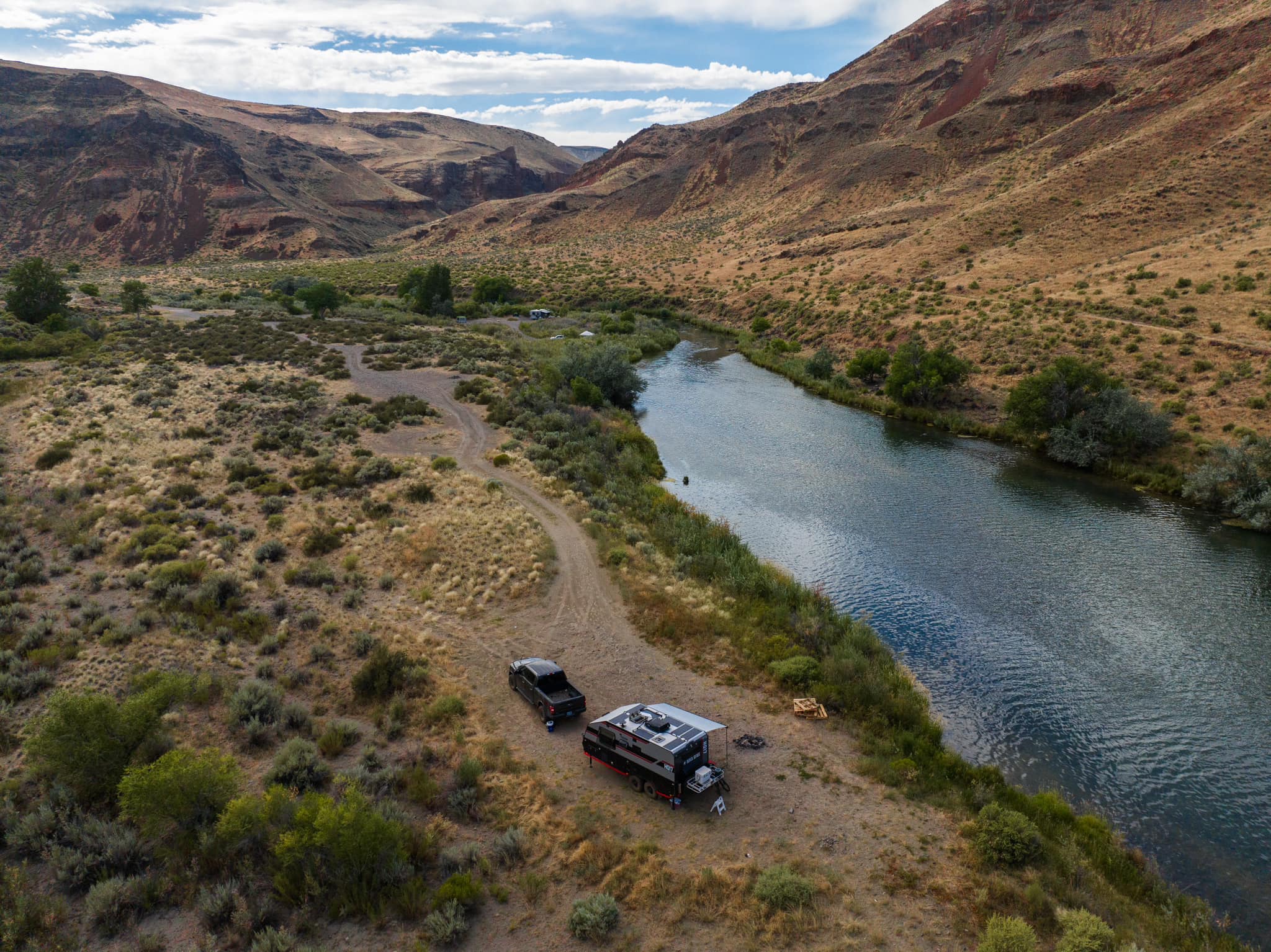
The American market for rugged camping trailers reflects broader outdoor recreation trends. Increased SUV and pickup truck ownership provides the towing capacity necessary for heavier, more capable trailers. Simultaneously, growing interest in remote camping drives demand for off-grid systems and durable construction.
Contemporary buyers increasingly value quality over quantity, preferring smaller, extremely capable units over large, fragile alternatives. This shift toward “expedition-grade” equipment mirrors trends in other outdoor categories where serious enthusiasts invest in professional-quality gear.
The foundation of any legitimate off road trailer camper starts with its structural engineering. True off-road units feature fully-welded steel or military-grade aluminum chassis designed to withstand extreme stress. These reinforced frames include additional cross-members, strengthened mounting points, and protective elements absent from standard trailer construction.
The A-frame hitch assembly receives particular attention, often featuring articulating designs that accommodate severe terrain angles while maintaining proper weight distribution. This robust construction enables confident navigation of washboard roads, rocky trails, and steep grades that would overwhelm conventional camping trailers.
Suspension technology represents the most critical difference between off-road and standard trailers. Independent suspension systems allow each wheel to respond independently to terrain variations, dramatically improving ride quality and reducing stress on both trailer and contents.
Compared to traditional leaf spring arrangements, independent systems offer superior articulation, better ground contact, and improved load distribution. This technology proves essential when navigating uneven terrain, preventing the jolting and potential damage associated with solid axle designs.
Quality independent suspension systems typically feature adjustable damping, increased wheel travel, and reinforced mounting points designed for extreme use conditions.
Legitimate off-road trailers maintain ground clearance between 14-20 inches, significantly higher than conventional units. This clearance prevents underbody damage when crossing rocks, logs, and deep ruts common on backcountry trails.
Beyond simple height, off-road geometry includes appropriate departure angles, breakover angles, and approach angles. These measurements determine the trailer’s ability to navigate steep transitions and obstacles without contact damage.
Modern off road trailer campers incorporate sophisticated off-grid systems enabling extended independence. Electrical systems typically feature:
Water systems include oversized fresh water tanks (20-50 gallons), efficient grey water management, and often hot water heating via propane or diesel systems. These capacities support extended camping without resupply.
Climate control systems utilize high-efficiency propane furnaces or diesel heaters for cold weather operation, while roof vents and fans provide ventilation in hot climates. Four-season insulation packages enable year-round use across diverse American climates.
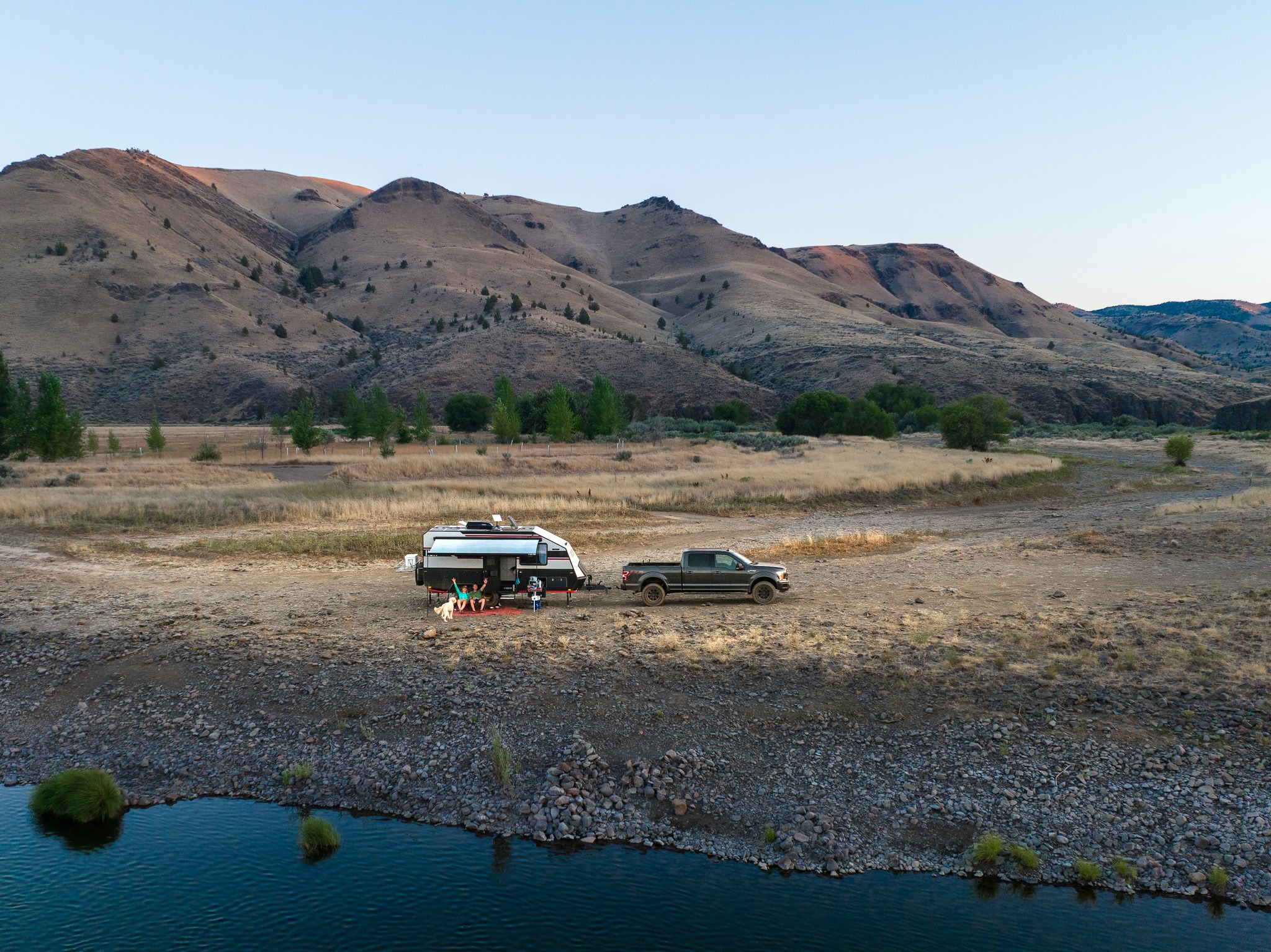
Off-road environments demand comprehensive exterior protection. Quality units feature:
These protective elements transform potentially destructive trail conditions into manageable challenges, preserving both function and appearance through demanding use.
Interior design prioritizes durability and functionality over luxury. Furniture systems use positive locking mechanisms preventing movement during travel. Cabinet construction emphasizes strength over weight, utilizing reinforced joints and heavy-duty hardware.
Storage solutions maximize utility while maintaining security. Specialized mounting systems secure gear during off-road travel, while modular layouts adapt to various use scenarios. Premium units feature removable components enabling easy cleaning and maintenance.
Compact models serve adventurers prioritizing maneuverability and lighter towing requirements. These units typically weigh 1,000-2,500 pounds, making them compatible with mid-size SUVs and smaller pickup trucks.
Advantages: Enhanced fuel economy, easier parking and maneuvering, reduced campsite size requirements, lower initial investment
Disadvantages: Limited interior space, reduced water and power capacity, minimal headroom for taller occupants
Ideal users: Weekend campers, couples, solo travelers, and families with modest space requirements
Full-size units offer optimal balance between capability and comfort. Weighing 2,500-4,500 pounds, these trailers require full-size pickup trucks or heavy-duty SUVs for safe operation.
Advantages: Spacious interiors, larger water and power systems, enhanced comfort for extended trips, superior storage capacity
Disadvantages: Higher towing requirements, increased fuel consumption, limited access to narrow trails
Ideal users: Serious overlanders, families requiring additional space, and adventurers planning extended remote camping
Expedition models represent the pinnacle of off-road trailer engineering. These units feature the most robust construction, largest systems, and highest capability ratings available.
Advantages: Extreme durability, maximum off-grid capacity, superior comfort in harsh conditions, professional-grade construction quality
Disadvantages: Highest cost, heaviest towing requirements, may exceed some vehicle capabilities
Ideal users: Professional guides, extreme environment travelers, and serious adventurers requiring maximum capability
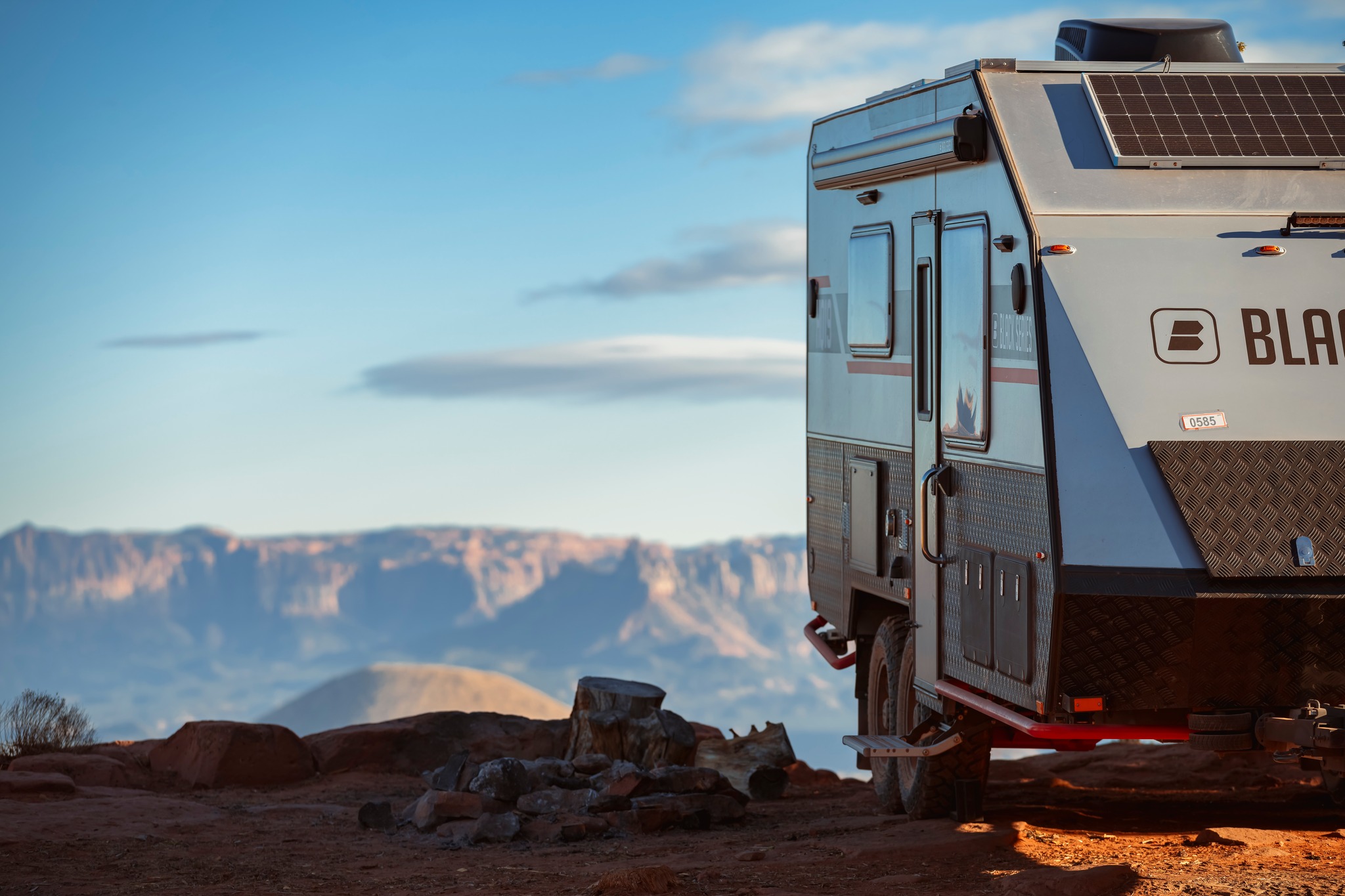
Successful trailer selection begins with honest assessment of intended use. Consider typical destinations, trip duration, and terrain difficulty. Utah’s slickrock demands different capabilities than Colorado’s alpine passes or Arizona’s desert washes.
Weekend warriors may prioritize ease of setup and compact size, while long-term overlanders require maximum systems capacity and living space. Multi-week expeditions necessitate larger water tanks, expanded power systems, and enhanced comfort features.
Towing capacity calculations must account for trailer weight plus cargo, gear, and supplies. A safe approach limits trailer gross vehicle weight to 80% of the tow vehicle’s rated capacity, ensuring adequate reserve for challenging conditions.
Popular American tow vehicles include:
Verify compatibility between trailer tongue weight and vehicle payload capacity to ensure safe, legal operation.
Quality suspension systems represent the most important mechanical component affecting off-road performance. Key evaluation criteria include:
Calculate power and water needs based on typical usage patterns. A basic formula for power planning:
Daily consumption (Amp-hours) × Days between charging = Minimum battery capacity
Solar charging capability should exceed daily consumption by 20-30% to account for weather variability and battery charging inefficiency.
Water planning requires similar calculation:
Daily consumption (gallons) × Days between resupply = Minimum fresh water capacity
Inspect construction quality through detailed examination of:
Premium manufacturers offer comprehensive warranty coverage and established service networks. This support proves crucial when problems arise far from home, ensuring rapid resolution and parts availability.
Research manufacturer reputation, dealer network coverage, and warranty terms before making final decisions.
Moab’s legendary slickrock and technical trails demand maximum ground clearance, robust suspension, and durable construction. The combination of steep grades, sharp rocks, and extreme angles tests every aspect of trailer design. Successful Moab adventures require independent suspension, quality tires, and comprehensive underbody protection.
High-altitude mountain passes present unique challenges including steep grades, loose surfaces, and rapid weather changes. Trailers must handle significant elevation changes while maintaining interior comfort and system reliability. Adequate heating systems and four-season construction prove essential for safe high-country adventures.
Desert environments combine extreme heat, fine dust infiltration, and extended distances between services. Trailers require exceptional cooling capability, dust-sealed systems, and maximum water capacity. Solar power systems perform optimally in desert conditions, making extended off-grid camping practical.
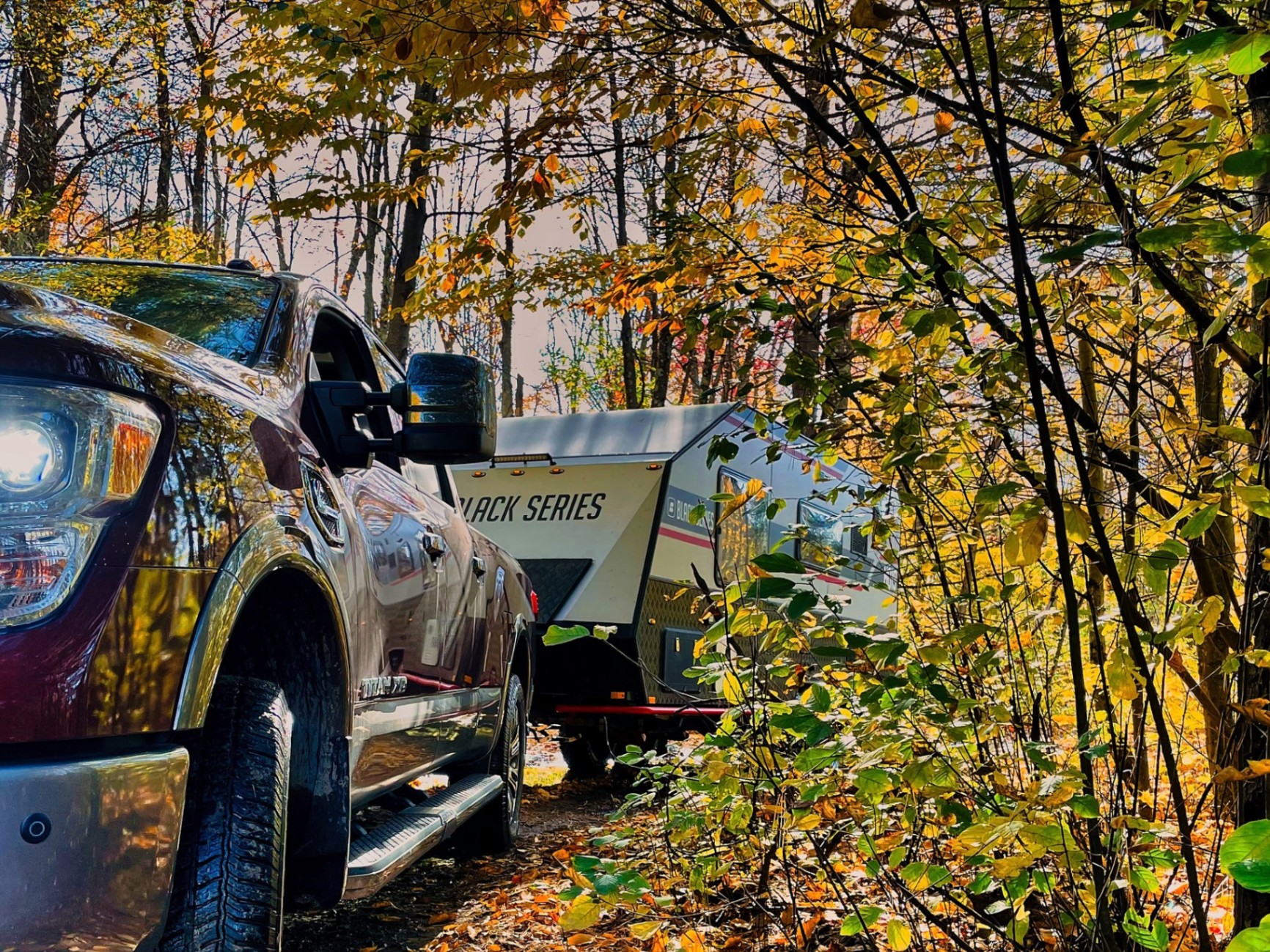
What makes a trailer camper “off-road-ready”?
True off-road capability requires heavy-duty construction, independent suspension, high ground clearance (14+ inches), comprehensive underbody protection, and robust off-grid systems designed for extended remote use.
How much ground clearance do I need?
Minimum 14 inches for moderate off-road use, with 16-20 inches preferred for challenging terrain. Higher clearance prevents underbody damage when crossing rocks, logs, and deep ruts.
Is independent suspension necessary?
While not absolutely required, independent suspension dramatically improves ride quality, reduces stress on trailer components, and enables safer travel on rough terrain compared to leaf spring systems.
How long can an off-road camper stay off-grid?
Duration depends on power consumption, water usage, and weather conditions. Quality systems typically support 3-7 days of comfortable camping without external resources, with some expedition units capable of 2+ weeks.
What tow vehicle is required?
Tow vehicle selection depends on trailer weight and intended terrain. Most off-road trailers require mid-size to full-size pickup trucks or heavy-duty SUVs with adequate towing capacity and four-wheel drive capability.
Are off-road trailer campers safe for highway travel?
Yes, quality off-road trailers maintain excellent highway stability through proper weight distribution and aerodynamic design. Many feature enhanced braking systems for improved stopping performance.
What is the price range in the U.S.?
Entry-level compact units start around $15,000-25,000, full-size models range $30,000-60,000, while expedition-grade units can exceed $80,000-120,000 depending on features and construction quality.
How do I maintain my camper after rough roads?
Post-trip maintenance includes inspecting suspension components, checking wheel bearing condition, examining underbody protection, cleaning solar panels, and testing all systems. Address any damage immediately to prevent complications.
Are off-road trailer campers good for families?
Many models accommodate families effectively, offering sleeping for 4-6 people, adequate storage, and comfortable living areas. Choose larger models for better family comfort during extended trips.
What features matter most for overlanding?
Prioritize durability, off-grid capacity, comfortable sleeping arrangements, adequate storage, and reliable systems. Quality suspension, comprehensive protection, and proven construction outweigh luxury amenities for serious overlanding use.
Off-Road Trailer Campers 2026最先出现在Black Series RV | Off-Road Travel Trailers, Toy Haulers & Camper Trailers | Off road rv | Off grid rv | Overland rv | Off road trailer | Off road travel trailer | Overland travel trailer。