An off-road trailer RV is a rugged, towable recreational vehicle engineered to provide full-home amenities in terrains where traditional motorhomes fear to tread. Yes, these are true RVs, combining the heavy-duty chassis of a military-grade trailer with the luxury interior of a high-end camper. For 2026 adventurers, swapping a cumbersome 30 foot rv weight rig for a high-performance 18 ft or 24 ft camper weight trailer RV means more freedom. BlackSeries defines this category, offering Australian-tested durability for US explorers who want the “RV life” without the highway-only limitations.
What Is an Off Road Trailer RV?
Let’s settle this debate once and for all: an off-road trailer RV is absolutely a recreational vehicle. The “RV” classification doesn’t require an engine, it requires living accommodations designed for travel and temporary dwelling. An off-road trailer RV delivers exactly that, plus the capability to reach places your average motorhome can only dream about.
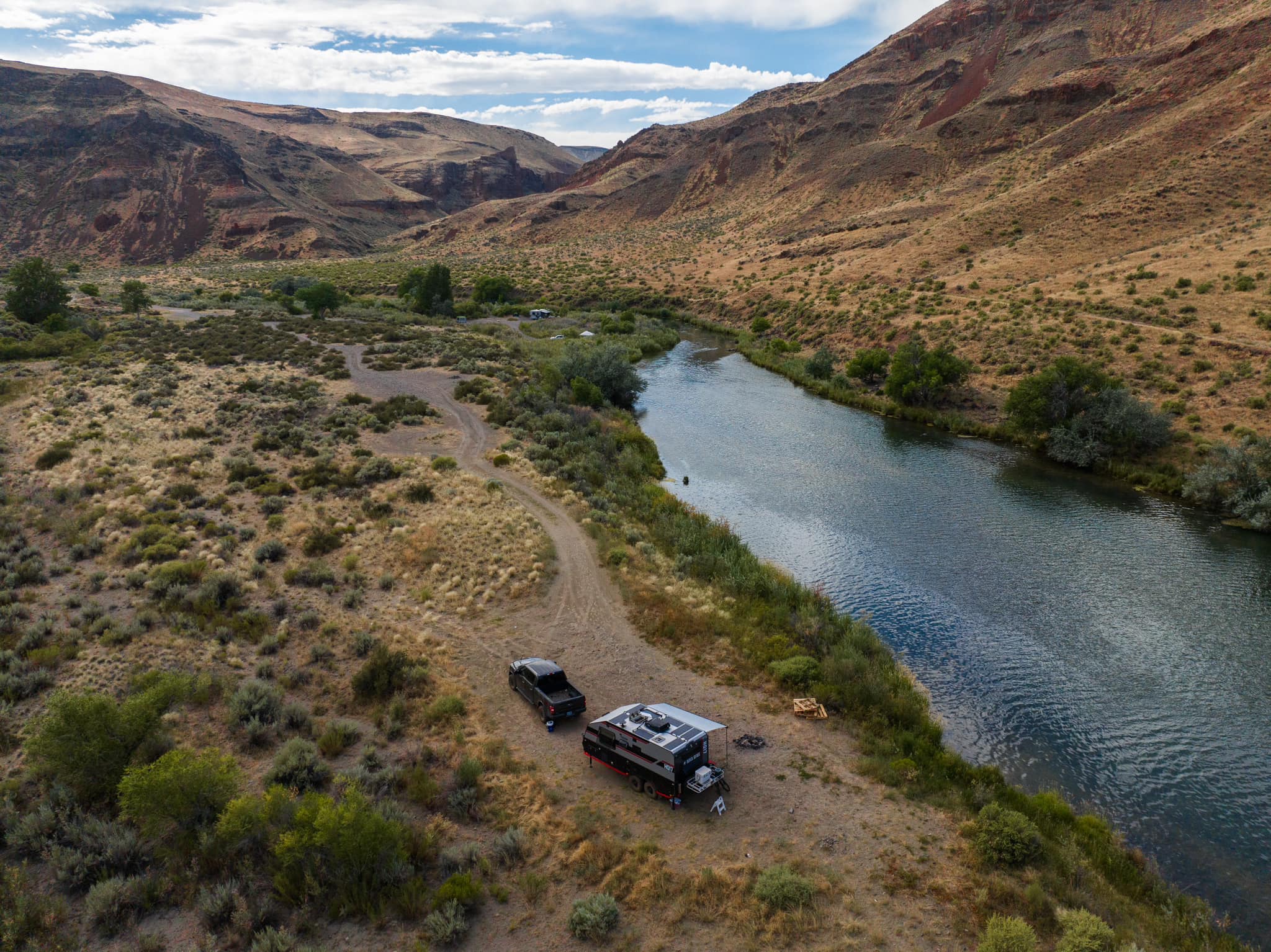
The key distinction lies in the engineering philosophy. While standard travel trailers are designed around the assumption of paved roads and level campground pads, an off-road travel trailer starts with the terrain challenges and works backward. Reinforced frames, independent suspension systems, and all-terrain tires aren’t afterthoughts, they’re the foundation.
What makes trailer-based RVs superior for adventure? Three words: flexibility, accessibility, and reliability. You unhitch at basecamp, drive your truck to the trailhead, explore all day, and return to a fully-stocked home. Your kitchen stays secure. Your water tanks stay full. Your bed stays made.
The average weight of camper units in this category ranges from 3,500 to 6,500 pounds dry, significantly lighter than motorhomes while offering comparable living space. This weight advantage translates directly to better fuel economy, more tow vehicle options, and superior off-road performance.
Off Road Trailer RV vs Traditional Motorhome RV
The 2026 adventure market has drawn a clear line in the sand. Here’s how these two categories actually compare:
That 30-foot camper weight difference isn’t just numbers on paper. It’s the difference between being confined to interstate rest stops and waking up next to a mountain stream that hasn’t seen another human in weeks.
Why Trailer-Based Off Road RVs Are Better for Adventure
The logic is simple when you break it down. A traditional 30 ft camper weight motorhome forces you to bring everything, engine, transmission, living quarters, wherever you go. That’s inefficient for exploration.
Lightweight Performance: A quality 18 ft camper weight or 24 ft camper weight trailer RV can be towed by most modern trucks and full-size SUVs. You’re not buying a specialized tow vehicle; you’re using what you already own.
Reliability Through Simplicity: When your RV’s engine breaks down in the backcountry, you’re stranded. When your trailer’s tow vehicle has issues, you still have shelter while arranging repairs. Your home and your transportation are separate systems with separate failure points.
Tow Vehicle Flexibility: Upgrade your truck without selling your entire RV setup. Swap vehicles based on the trip requirements. In 2026, this modularity matters more than ever as tow vehicle technology evolves.
Lower Long-Term Costs: The average travel trailer weights in the off-road category mean less stress on components, better fuel economy, and reduced maintenance. No engine overhauls. No transmission rebuilds. Just trailer-specific care.
For a deeper exploration of this adventure philosophy, check out our guide on Off Road Trailer Travel.

Key Features of the Best Off Road Trailer RVs
Chassis and Independent Suspension
The foundation of any serious off-road trailer RV is its chassis. Look for reinforced steel construction with proper powder-coating for corrosion resistance. However, the chassis alone won’t save you, independent suspension is the game-changer.
Independent suspension allows each wheel to react separately to terrain changes. When your left tire drops into a rut while your right tire climbs a rock, both respond independently instead of transferring stress across a rigid axle. BlackSeries trailers feature this as standard equipment, not an upgrade.
Ground Clearance and Tires
The difference between “off-road capable” and “off-road pretender” often comes down to clearance. True off-road trailer RVs offer 18-35 inches of ground clearance depending on tire configuration. All-terrain or mud-terrain tires rated for the 16 ft camper weight through 24 ft camper weight class provide the grip necessary for technical terrain.
Off-Grid Power and Water Systems
Multi-day backcountry camping requires serious off-grid infrastructure. The best off-road trailer RVs in 2026 feature:
- 400-900W solar panel arrays
- Lithium battery banks (lighter and more efficient than lead-acid)
- High-capacity fresh water tanks (40-80 gallons)
- Efficient inverter systems for AC appliances
These systems transform your trailer from a weekend camper into a true mobile home capable of weeks of off-grid living.
Interior Comfort and Bathroom Facilities
Yes, off-road trailer RVs have bathrooms. Quality units include full wet baths or dry baths with cassette toilets, showers, and proper ventilation. The interior isn’t about sacrificing comfort, it’s about engineering comfort to survive rough terrain.
Four-season capability means proper insulation, heating systems rated for below-freezing temperatures, and cooling options for desert adventures. Our Off Road Trailer Camper guide explores these interior features in detail.
Best Off Road Trailer RVs in the USA (2026 Buyer Perspective)
What defines “best” depends entirely on your intended use. The market has matured significantly, and buyers need to match capability to purpose.
Best for Extreme Terrain: Look for the highest ground clearance, most robust suspension articulation, and military-grade construction. These units prioritize durability over amenities and typically fall in the 16 ft camper weight to 18 ft camper weight range for maximum maneuverability.
Best for Overlanding: Balance is key here. You want serious off-road capability combined with extended off-grid systems. The 18-22 foot range offers the sweet spot between capability and comfort for multi-week adventures.
Best for Long-Term Travel: Larger units with full bathroom facilities, substantial water capacity, and premium interior finishes. The 24 ft camper weight category provides the space needed for extended living while maintaining trail accessibility.
BlackSeries positions itself at the premium end of each category, offering Australian-engineered durability specifically adapted for US terrain challenges. The Off Road RV guide provides additional perspective on category leaders.
Off Road Trailer RV Buying Guide
Tow Vehicle Matching
Your trailer selection starts with your truck. Most modern half-ton trucks handle the 16 ft camper weight category comfortably. Three-quarter and one-ton trucks open up the full range including 24 ft camper weight units. Calculate your truck’s payload and towing capacity, then select a trailer that leaves margin for gear and passengers.
Usage Scenario Assessment
Be honest about your adventure style. Weekend warriors have different needs than full-time overlanders. Technical trail runners need different features than remote basecamp campers. Match your trailer to your actual use patterns, not your aspirational ones.
Budget and Long-Term Value
Quality off-road trailer RVs represent significant investments, but they also hold value remarkably well. Unlike motorhomes that depreciate with engine hours and chassis wear, a well-maintained trailer RV retains resale value. Consider our RV Trade-In Value vs Private Sale analysis for upgrade planning.
If you’re looking to transition from a traditional RV, explore the RV Trade-In Process or check current RV Trade-In Deals 2026 offerings.
Why BlackSeries Is the Benchmark for Off Road Trailer RVs
BlackSeries trailers emerge from Australian outback engineering, one of the world’s most demanding testing environments. The red dirt, extreme temperatures, and remote distances of the Australian bush create requirements that exceed anything most manufacturers consider.
That engineering has been specifically adapted for US terrain. Whether you’re tackling Moab slickrock, Rocky Mountain passes, or Pacific Northwest forest roads, BlackSeries builds for the challenge. The HQ17 and HQ19 represent the current pinnacle of this philosophy.
Independent suspension, premium off-grid systems, and four-season capability come standard, not as dealer-installed options. This integrated approach ensures every component works together rather than competing for space and power.
FAQ – Off Road Trailer RV
Is an off-road trailer considered an RV?
Absolutely. The RV classification requires living accommodations for travel and temporary dwelling. Off-road trailer RVs meet this definition while adding terrain capability that motorhomes lack.
What’s the difference between an off-road trailer RV and a motorhome?
A motorhome integrates engine and living space into one unit. An off-road trailer RV separates these functions, allowing you to unhitch at basecamp and explore with your tow vehicle while your home stays secure.
Do off-road trailer RVs have bathrooms?
Yes. Quality units include full wet baths or dry baths with toilets, showers, and proper ventilation. These aren’t compromises; they’re engineered for off-road durability.
How much does an off-road trailer RV cost in the US?
Entry-level units start around $25,000. Premium models with full off-grid capability, independent suspension, and luxury interiors range from $60,000 to $120,000+. The investment reflects engineering quality and long-term durability.
What vehicles can tow an off-road trailer RV?
Most modern trucks from half-ton up can tow off-road trailer RVs. The average travel trailer weights in this category (3,500-6,500 lbs dry) work with a wide range of tow vehicles. Always verify your specific truck’s payload and towing ratings before purchasing.

