An off road trailer is a specialized camping unit engineered with heavy-duty chassis, independent suspension systems, and high ground clearance to navigate America’s most challenging terrain while maintaining self-sufficiency for extended overlanding adventures. The U.S. overlanding market has exploded by 73% since 2020, driven by Americans seeking remote wilderness access and off-grid independence. What defines a true off-road trailer isn’t just marketing claims: it’s the combination of heavy-duty welded steel frames, independent suspension systems, and ground clearance exceeding 12 inches that separates genuine expedition-grade equipment from standard travel trailers with aggressive styling.
What Is an Off Road Trailer?
An off road trailer represents a fundamental departure from conventional travel trailer design philosophy. While standard RVs prioritize interior space and highway comfort, off-road trailers engineer every component for terrain capability, durability, and self-sufficiency. The structural differences are immediately apparent: fully welded steel or marine-grade aluminum frames replace bolt-together construction, independent suspension systems replace leaf spring setups, and military-spec components replace residential-grade hardware.
American consumers increasingly choose off-road trailers for access to dispersed camping on public lands: from Utah’s slickrock country to Colorado’s high-altitude forest service roads and Arizona’s remote desert basins. The Bureau of Land Management reports that dispersed camping permits have increased 340% since 2019, reflecting growing demand for experiences that standard RVs simply cannot provide.
The distinction between off-road capability, off-grid systems, and overlanding functionality creates confusion in the marketplace. Off-road refers to suspension, clearance, and structural engineering for challenging terrain navigation. Off-grid describes electrical, water, and heating systems for extended independence from campground infrastructure. Overlanding combines both concepts with storage optimization and modular layouts for long-duration expeditions. The most capable American adventure trailers integrate all three philosophies.
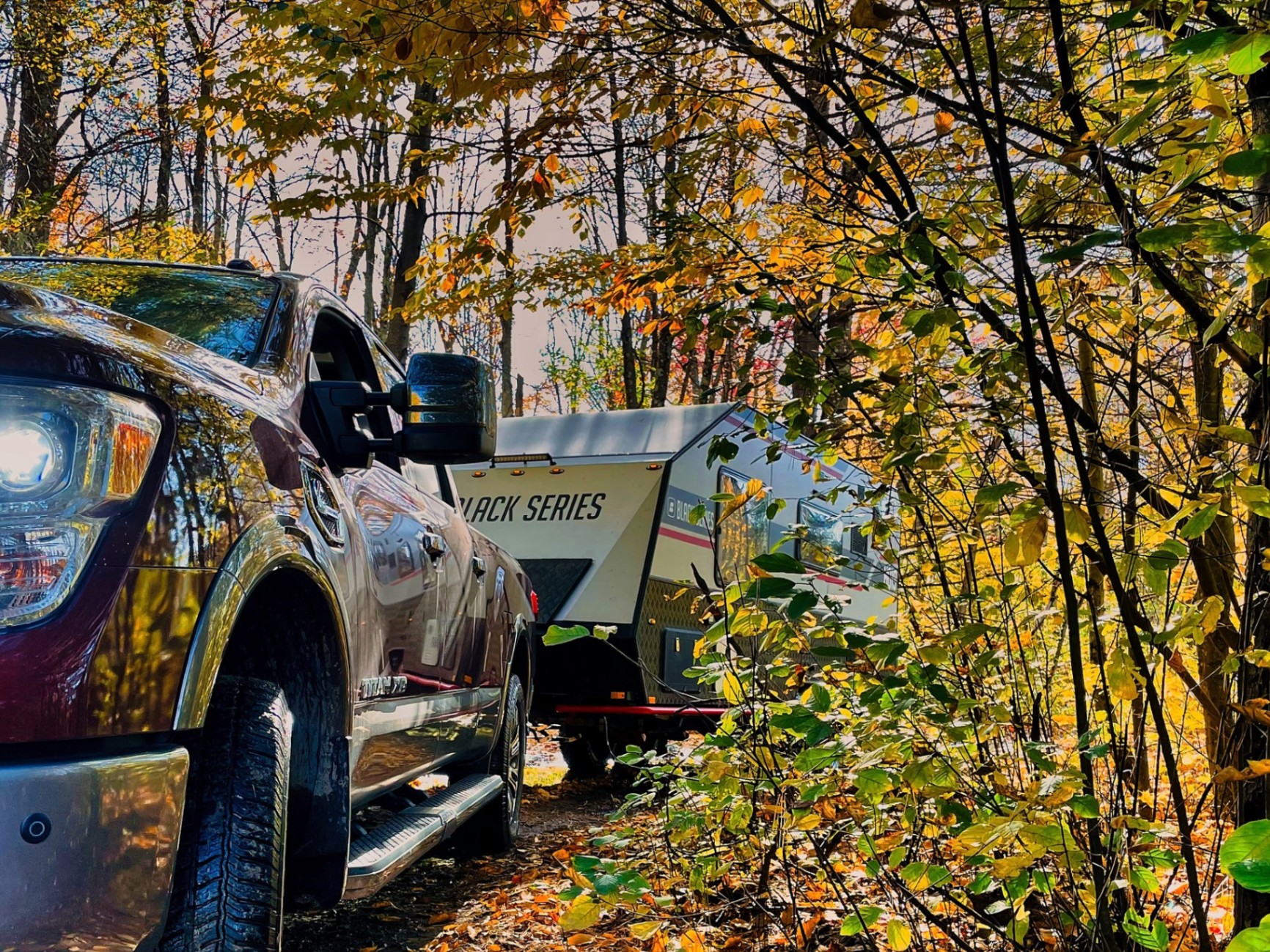
Key Features of a True Off Road Trailer
1. Heavy-Duty Frame & Chassis
The foundation of any legitimate off-road trailer begins with fully welded steel construction or marine-grade aluminum framework. Unlike bolt-together assemblies used in standard RVs, welded frames create unified structures that distribute stress loads across the entire chassis rather than concentrating forces at connection points.
American off-road enthusiasts frequently encounter frame failures on popular trails like Colorado’s Black Bear Pass or Utah’s Fins and Things: scenarios where inadequate construction becomes immediately apparent. Quality manufacturers use hot-dipped galvanized steel or powder-coated aluminum with integrated rock sliders and skid plates to protect critical components from trail damage.
2. Independent Suspension & Ground Clearance
The suspension system represents the most critical differentiator between off-road and standard trailers. Independent suspension systems allow each wheel to respond independently to terrain irregularities, maintaining tire contact and preventing frame twist that destroys conventional leaf spring setups.
Ground clearance specifications vary dramatically across manufacturers, but serious off-road applications require minimum 12-inch clearance with 16+ inches preferred for rocky terrain. Large-diameter wheels (typically 16-17 inches) paired with aggressive all-terrain tires provide additional clearance while improving puncture resistance on sharp rocks and thorny vegetation.
3. Off-Grid Capabilities
Extended wilderness adventures require comprehensive electrical and water systems sized for multi-day independence. Quality off-road trailers integrate 200-400 amp-hour lithium battery banks with 400-800 watts of solar collection capability, providing sufficient power for refrigeration, lighting, water pumps, and heating systems without generator dependence.
Water system design proves equally critical for extended boondocking. Fresh water capacity typically ranges from 20-50 gallons depending on trailer size, while grey water storage prevents environmental impact in sensitive areas. Four-season insulation and heated water lines enable winter camping in conditions that disable conventional RVs.
4. Exterior Durability & Protection
The harsh realities of trail use demand military-specification exterior protection. Quality manufacturers apply multi-layer paint systems over etched aluminum or galvanized steel, followed by protective film on high-impact areas. Stone guards, rock sliders, and reinforced corners prevent the cosmetic damage that quickly accumulates during off-road use.
Tire and wheel specifications directly impact both capability and reliability. Most serious off-road trailers specify Load Range E tires in aggressive tread patterns, mounted on reinforced steel or aluminum wheels designed for low air pressure use on sand and rock.
5. Interior Functionality for Harsh Trails
Interior layout and construction must balance comfort with the reality of constant vibration and movement. Quality off-road trailers secure all components with aircraft-style hardware and positive latching systems that prevent cabinet doors from opening and items from becoming projectiles during rough travel.
The “minimalist but functional” approach characterizes successful off-road trailer interiors. Rather than maximizing sleeping capacity or entertainment systems, these designs prioritize gear storage, food preparation, and weather protection while maintaining structural integrity under extreme conditions.

Best Off Road Trailers for Overlanding
The 2024-2025 market offers exceptional diversity across price ranges and capability levels. Rather than promotional comparisons, objective analysis reveals distinct categories serving different adventure profiles.
Compact Off-Road Trailers
Lightweight designs under 3,500 pounds suit mid-size SUVs and pickup trucks while maintaining genuine off-road capability. These trailers prioritize aerodynamics and minimal towing impact, making them ideal for weekend adventures and entry-level overlanding.
Representative models feature aluminum construction, independent suspension, and basic off-grid systems supporting 2-3 day adventures. Ground clearance typically ranges 10-14 inches with all-terrain tire packages and integrated water/electrical systems.
Full-Size Off-Road Travel Trailers
Mid-range options between 4,000-7,000 pounds provide the optimal balance of capability and comfort for serious American overlanding. These trailers offer standing height interiors, comprehensive off-grid systems, and storage capacity for extended expeditions while maintaining trail-worthy construction.
Quality examples in this category feature independent coil-over suspension, 15+ inch ground clearance, 40+ gallon fresh water capacity, and 400+ amp-hour electrical systems. Interior layouts prioritize functionality over luxury while maintaining livability during extended adventures.
Expedition-Grade Overland Trailers
Heavy-duty platforms exceeding 7,000 pounds serve as basecamp trailers for extended expeditions and extreme terrain applications. These trailers maximize self-sufficiency and storage capacity while requiring heavy-duty tow vehicles.
Premium expedition trailers feature custom suspension systems, oversized off-grid components, modular storage solutions, and construction specifications borrowed from military applications. Price points typically exceed $80,000-120,000 but provide capabilities unavailable in lighter designs.
How to Choose an Off Road Trailer
Step 1: Define Your Real Terrain Needs
Honest assessment of intended use prevents costly mistakes common in off-road trailer selection. Weekend forest service road camping requires dramatically different specifications than multi-week expeditions through Baja California or winter camping in Montana.
Common American overlanding destinations create specific requirements: Utah’s slickrock demands maximum ground clearance and rock protection, Colorado’s high-altitude trails require four-season capability and reduced weight for thin air towing, while Alaska’s gravel highways prioritize structural durability and tire protection.
Step 2: Evaluate Suspension & Ground Clearance
Suspension system inspection reveals more about true capability than marketing specifications. Quality independent systems feature serviceable components, progressive spring rates, and integrated shock absorbers designed for trail use rather than highway comfort.
Ground clearance measurement should account for actual trailer loading, spare tire mounting, and accessory installation. Many manufacturers quote unloaded clearance figures that decrease significantly with realistic camping loads and equipment.
Step 3: Check Off-Grid Requirements
Electrical system sizing requires careful calculation based on actual power consumption rather than optimistic estimates. Quality systems provide detailed amp-hour consumption data for refrigeration, lighting, water pumps, and heating to enable accurate battery bank sizing.
Water system capacity must account for cooking, cleaning, drinking, and shower requirements multiplied by trip duration. Realistic consumption averages 8-12 gallons per person per day including all uses, significantly higher than manufacturer estimates.
Step 4: Real-World Durability Testing
Construction quality assessment requires physical inspection beyond marketing materials. Quality trailers feature consistent weld quality, proper fastener grades, and logical engineering solutions rather than cost-cutting compromises.
American off-road enthusiasts recommend shake-down trips on progressively challenging terrain to identify weaknesses before committing to major expeditions. Start with forest service roads, progress to washboard surfaces, then advance to technical rocky terrain while monitoring for component stress or failure.
Step 5: Match Your Tow Vehicle
Towing capacity calculations must account for trailer weight, cargo loading, water, propane, and passenger weight in the tow vehicle. Safe towing requires 20% margin above maximum combined weight to maintain control and prevent drivetrain damage.
Popular American tow vehicles create specific limitations: mid-size trucks like the Toyota Tacoma excel with trailers under 6,000 pounds, while full-size trucks enable heavier expedition trailers but sacrifice fuel economy and maneuverability on tight trails.
Off Road Trailer FAQs
What is the difference between an off-road and regular travel trailer?
Off-road trailers feature heavy-duty welded frames, independent suspension systems, high ground clearance (12+ inches), and all-terrain tires designed for rough terrain navigation. Standard travel trailers prioritize interior space and highway comfort with lighter construction and lower ground clearance.
Do off-road trailers require special tow vehicles?
Most off-road trailers require mid-size to full-size trucks or heavy-duty SUVs due to increased weight and tongue loads. Tow vehicle selection depends on trailer weight, with compact models suitable for vehicles like the Jeep Gladiator and larger expedition trailers requiring full-size trucks.
How much does an off-road trailer cost in the U.S.?
Entry-level off-road trailers start around $25,000-35,000, mid-range options run $45,000-75,000, and expedition-grade trailers often exceed $80,000-120,000. Cost reflects construction quality, off-grid system sophistication, and interior appointments rather than just size.
Are off-road trailers good for winter camping?
Quality off-road trailers with four-season insulation, heated water lines, and adequate heating systems excel in winter conditions. However, not all off-road trailers include winter capability: verify insulation ratings, heating capacity, and freeze protection before cold-weather adventures.
What suspension type works best for off-road towing?
Independent coil-over suspension provides the best combination of articulation, durability, and ride quality for serious off-road use. Torsion axle systems offer good performance at lower cost, while leaf spring setups should be avoided for challenging terrain applications.
Can off-road trailers handle washboard roads?
Quality independent suspension systems excel on washboard roads by maintaining tire contact and reducing frame stress. However, washboard surfaces generate extreme vibration that reveals construction weaknesses: quality trailers secure all interior components against constant movement.
How long can an off-grid trailer stay powered?
Power duration depends on battery capacity, solar input, and electrical consumption patterns. Typical setups with 300-400 amp-hour batteries and 400+ watts of solar can sustain refrigeration, lighting, and water systems for 4-7 days without sun in moderate weather conditions.
Are small off-road trailers suitable for families?
Compact off-road trailers work for families with older children or those prioritizing outdoor activities over interior space. However, weather contingency and storage requirements often favor larger trailers for family use, particularly in challenging conditions.
What maintenance is required after off-road trips?
Post-trip maintenance includes bearing inspection and lubrication, brake system cleaning, tire pressure adjustment, chassis inspection for damage, and thorough cleaning to remove corrosive road salt or alkaline dust that accelerates component deterioration.
Do off-road trailers work in high-altitude areas?
Off-road trailers perform well at altitude, but tow vehicle power reduction and increased trailer weight stress require careful planning. Propane systems may require adjustment above 8,000 feet, and heating fuel consumption increases significantly in cold, thin air conditions.
The off-road trailer market continues expanding as Americans seek independence from crowded campgrounds and access to remarkable wilderness experiences. Whether you’re planning weekend forest service road adventures or multi-month continental expeditions, understanding the engineering principles, capability requirements, and selection criteria ensures your investment delivers years of reliable adventure access. Quality off-road trailers represent more than recreational equipment: they’re tools for accessing the spectacular wild places that define the American outdoor experience.

