
Your cart (0)
Your cart is empty
Tax included and shipping calculated at checkout
Your cart is empty
Tax included and shipping calculated at checkout

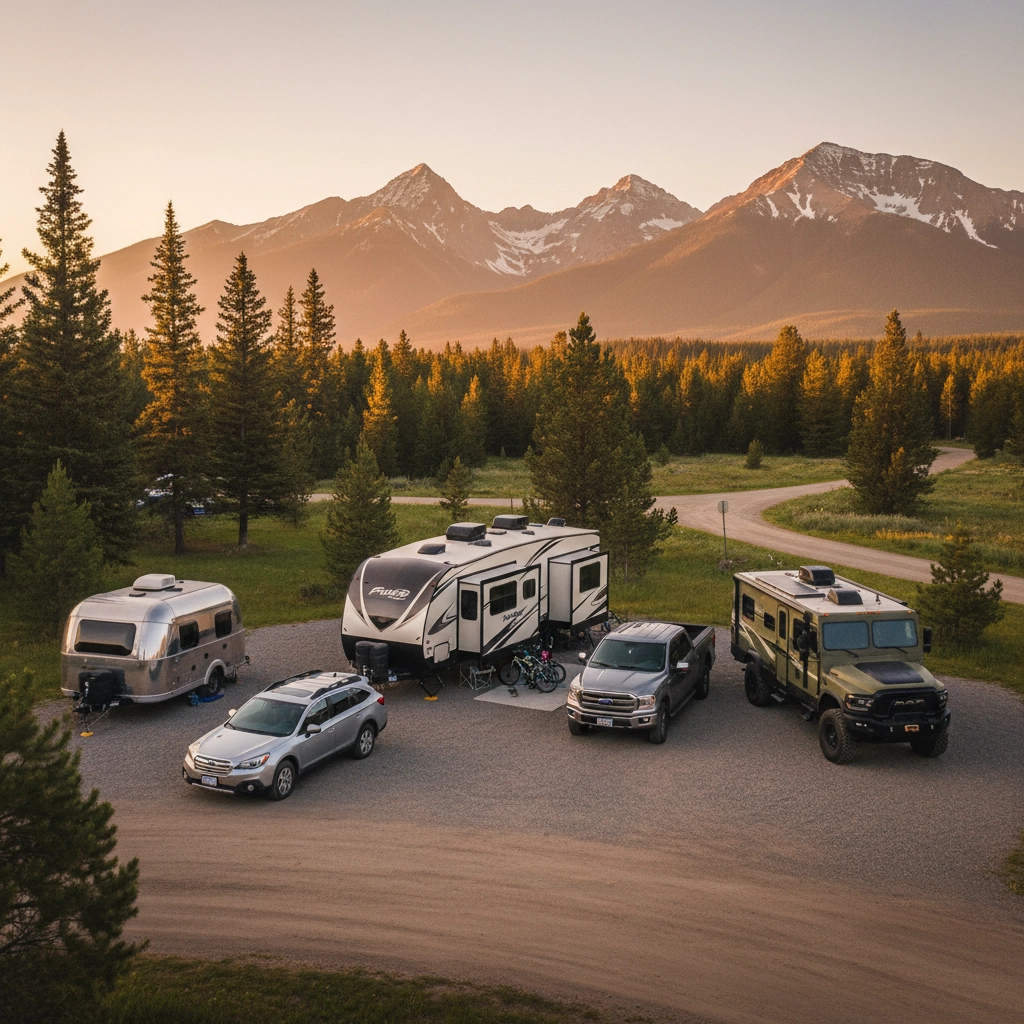
A travel trailer is a towable RV that provides sleeping, cooking, and bathroom facilities while being pulled by a truck or SUV. In 2025, American campers use travel trailers for three main scenarios: family weekend camping at state parks, cross-country road trips, and off-grid boondocking adventures in remote locations.
Quick Decision Guide:
Travel trailers dominate the American RV market as the most popular towable recreational vehicle type, representing over 60% of all RV sales in 2024. Unlike fifth wheels that require a pickup truck with a special hitch in the bed, travel trailers connect to a standard receiver hitch on any capable vehicle. This accessibility has fueled their popularity among first-time RV buyers and families transitioning from tent camping.
Travel Trailer vs. Competitors:
The North American travel trailer market has grown 18% since 2020, driven by remote work flexibility, increased outdoor recreation interest, and younger demographics (ages 25-40) entering RVing. The off-grid camping segment specifically has exploded, with boondocking-capable trailers seeing 35% year-over-year growth as Americans seek remote, uncrowded camping experiences.
Weight Range: 2,500-5,000 lbs | Best For: SUV owners, new RVers, fuel efficiency
Lightweight trailers make RVing accessible to drivers without heavy-duty trucks. Models like the Forest River R-Pod series or Keystone Passport Ultra-Lite offer full amenities while staying under most vehicles’ towing limits. These trailers typically feature aluminum construction, compact appliances, and streamlined profiles for better gas mileage.
Key Benefits:
Weight Range: 5,000-8,500 lbs | Best For: Families with children, extended trips
Family trailers prioritize sleeping capacity and livability with bunkhouse layouts, slide-outs for extra space, and kid-friendly features. Popular configurations include double-over-double bunks, dinette conversions, and separate master bedrooms. Many 2025 models now include outdoor entertainment centers and expanded storage for sports equipment.
Popular Features:
Weight Range: 4,000-7,500 lbs | Best For: Boondocking, remote camping, adventure seekers
Off-road trailers represent the fastest-growing segment as Americans increasingly seek remote camping experiences away from crowded campgrounds. These specialized units feature independent suspension systems, reinforced chassis, higher ground clearance, and enhanced off-grid capabilities.
Critical Off-Road Features:
BlackSeries travel trailers exemplify this category with military-grade construction, independent arm suspension, and comprehensive off-grid packages designed for extended remote camping without hookups.
Weight Range: 7,000-12,000 lbs | Best For: Comfort-focused camping, resort-style amenities
Luxury trailers blur the line between camping and home comfort, featuring residential appliances, premium materials, and spacious layouts rivaling high-end fifth wheels. These units often include washer/dryer prep, fireplaces, wine refrigerators, and master suites with king beds.
Premium Features:

Entry Level ($15,000-$25,000):
Basic amenities, manual systems, standard appliances. Perfect for weekend warriors and first-time buyers. Examples: Coachmen Clipper, Forest River Salem Cruise Lite.
Mid-Range ($25,000-$50,000):
The sweet spot for most families. Includes slide-outs, upgraded appliances, better construction quality. Examples: Keystone Passport, Jayco Jay Flight, Grand Design Imagine.
Off-Road/Premium ($50,000-$100,000+):
Specialized construction for extreme use or luxury amenities. Examples: BlackSeries HQ series, Airstream, Oliver Travel Trailers.
Hidden Costs to Consider:
Understanding weight terminology prevents dangerous overloading and ensures safe travels:
GVWR (Gross Vehicle Weight Rating): Maximum loaded trailer weight including cargo, water, propane
UVW (Unloaded Vehicle Weight): Empty trailer weight from factory
Hitch Weight: Downward force on your hitch ball (typically 10-15% of total weight)
Payload Capacity: How much gear/supplies you can add (GVWR minus UVW)
Vehicle Matching Guide:
Length Considerations:
Layout Types:
Remote camping without hookups requires specialized systems and careful planning. Key capability factors include:
Electrical Systems:
Water Management:
Climate Control:
BlackSeries trailers excel in off-grid scenarios with 200Ah lithium battery systems, 400W solar packages, and water capacities designed for week-long remote stays without resupply.
BlackSeries HQ Series leads this category with military-inspired construction featuring independent arm suspension, diamond plate armor, and comprehensive off-grid systems. These Australian-designed trailers handle the roughest terrain while maintaining interior comfort.
Key Advantages:
Oliver Travel Trailers Legacy Elite 2 offers fiberglass construction for durability while maintaining reasonable weight. The aerodynamic design improves fuel economy during long-distance travel to remote locations.
Standout Features:
Airstream Basecamp 20 combines iconic aluminum construction with modern boondocking capabilities. The 20-foot length accommodates families while remaining manageable for off-road access.
Family-Friendly Elements:
Happier Camper HC1 offers innovative modular interior design allowing custom configurations for different trip types. The lightweight construction and simple systems reduce complexity and cost.
Budget Benefits:

Pre-Arrival Checklist:
Setup Sequence:
Pro Tips:
After Every Trip:
Monthly During Season:
Seasonal Maintenance:
Weight Distribution Errors:
Loading too much weight in the rear causes dangerous trailer sway. Keep 60% of cargo weight forward of the axles and maintain proper hitch weight (10-15% of total trailer weight).
Backing Disasters:
Practice backing in empty parking lots before attempting campground maneuvering. Remember: push the bottom of the steering wheel in the direction you want the trailer to turn.
Electrical Problems:
Always test trailer lights before departing. Carry spare bulbs and know how to access wiring connections. A simple 7-pin tester can prevent roadside emergencies.
Overconfidence in Capabilities:
Start with easy campgrounds and short trips. Gradually build experience with longer journeys and more challenging camping situations.
What size travel trailer is best for a family of four?
A 25-30 foot travel trailer with a bunkhouse layout typically works best for families of four. Look for models with dedicated bunk areas, adequate storage, and bathroom accessibility. Models like the Jayco Jay Flight SLX series or Grand Design Imagine offer excellent family layouts in this size range.
Can a half-ton truck tow most travel trailers?
Modern half-ton trucks can safely tow most travel trailers under 8,000 pounds when properly equipped. However, check your specific vehicle’s towing capacity, payload limits, and ensure you have proper hitch equipment including a weight distribution system for larger trailers.
Is an off-road travel trailer worth the extra cost?
Off-road trailers provide significant value for boondocking enthusiasts and those seeking remote camping experiences. The enhanced suspension, solar systems, and rugged construction justify the premium for frequent off-grid camping, but may be unnecessary for primarily campground-based camping.
How much does travel trailer maintenance cost annually?
Expect $800-$1,500 annually for routine maintenance including professional service, tire replacement, and seasonal preparations. This covers bearing service, roof maintenance, appliance servicing, and general upkeep for average use (15-20 camping days per year).
Can you live in a travel trailer year-round?
While possible, year-round travel trailer living requires careful consideration of insulation, heating systems, and moisture management. Four-season models with enclosed underbellies and upgraded heating systems handle winter conditions better. Check local zoning laws as some areas restrict permanent RV occupancy.
What’s the difference between off-road suspension and standard trailer suspension?
Standard leaf spring suspension works well on paved roads but struggles on rough terrain. Independent arm suspension, like that found on BlackSeries trailers, allows each wheel to move independently, dramatically improving ride quality and reducing stress on the trailer frame during off-road travel.
How long do travel trailers typically last?
Well-maintained travel trailers typically last 15-20 years with regular use. Factors affecting longevity include construction quality, maintenance consistency, storage conditions, and usage intensity. Premium brands often exceed 20 years with proper care, while entry-level models may require major repairs or replacement after 10-15 years.
The travel trailer market in 2025 offers unprecedented choices for American campers, from ultra-lightweight models perfect for new RVers to specialized off-road units capable of reaching the most remote destinations. Success comes from honestly assessing your towing capability, camping style, and budget while prioritizing features that enhance your specific outdoor adventures.
Off-Road Travel Trailer Buying Guide: Best for Boondocking最先出现在Black Series RV | Off-Road Travel Trailers, Toy Haulers & Camper Trailers | Off road rv | Off grid rv | Overland rv | Off road trailer | Off road travel trailer | Overland travel trailer。