An RV with a separate shower and toilet provides better hygiene, privacy, and daily usability than a wet bath. The right layout depends on floor plan design, trailer length, and how much living space you’re willing to trade for residential-level bathroom comfort.
What Does “Separate Shower and Toilet” Mean in an RV?
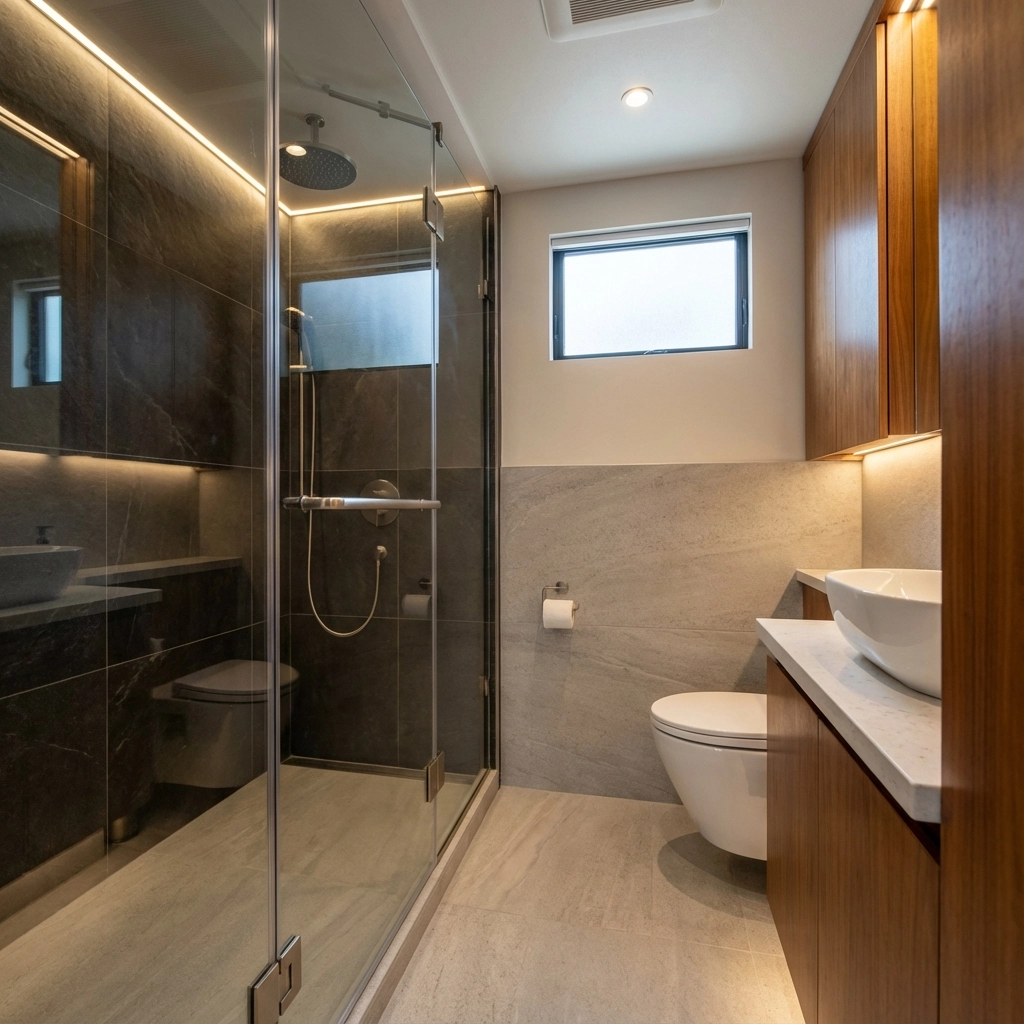
In the RV world, bathroom layouts fall into two main categories: wet baths and dry baths. A wet bath combines the shower, toilet, and sink in one compact space where everything gets wet when you shower. A separate shower and toilet setup, also called a dry bath, features distinct areas for showering and using the toilet.
Split bath designs take this further by physically separating the shower from the toilet area with a wall or partition. This allows multiple people to use bathroom facilities simultaneously, one person can shower while another uses the toilet area.
The difference isn’t just about space, it’s about functionality. BlackSeries believes bathroom design directly impacts your long-term RV living experience. When you’re spending weeks or months on the road, having a functional bathroom that doesn’t require drying the entire space after each shower becomes essential for daily comfort.
Why Separate Shower and Toilet RVs Are Popular in the U.S.
American RV buyers increasingly prioritize residential-level comfort over compact efficiency. This shift reflects how people actually use their RVs, longer trips, full-time living, and multi-generational family adventures where bathroom privacy matters.
Family and couple dynamics drive much of this demand. Parents need functional bathroom space during morning routines with kids, while couples appreciate the privacy and convenience of separate facilities during extended travel. Full-time RV users especially value dry baths because they eliminate the daily hassle of drying bathroom surfaces after each shower.
Compared to wet baths, separate facilities offer superior hygiene and maintenance. You’re not constantly dealing with water on toilet seats, wet floors, or the challenge of keeping personal items dry. The trade-off is space, but for most serious RV users, this comfort upgrade justifies the larger footprint.
Common RV Floor Plans with Separate Shower and Toilet
Rear Bath Floor Plans
Rear bathroom layouts maximize space by placing the full bathroom at the trailer’s back end. This design offers the largest possible bathroom while maintaining good weight distribution. BlackSeries HQ19 exemplifies this approach, featuring a full fiberglass enclosed shower with dedicated ventilation, plus a separate area for the porcelain sink and toilet.
The rear bath setup impacts bedroom and storage arrangements since it claims significant rear space. However, it often provides the most comfortable bathroom experience with full-height shower space and room to move around.
Mid-Bath and Split Bath Layouts
Mid-mounted bathrooms, often called split baths, divide bathroom functions between opposite sides of the trailer corridor. One side houses the toilet and sink, while the other contains the shower. This dry-wet separation allows simultaneous use during busy morning routines.
Split bath designs work particularly well in longer trailers where the bathroom can occupy the central space without compromising bedroom or living areas. The BlackSeries HQ17, being the roomiest floor plan that sleeps five, incorporates thoughtful bathroom placement that doesn’t sacrifice the main living space.
Travel Trailer vs Fifth Wheel Differences
Travel trailers face more constraints in bathroom design due to road clearance and weight distribution requirements. Fifth wheels, with their raised front sections, often accommodate larger bathrooms without impacting living space as dramatically.
However, well-designed travel trailers like BlackSeries models prove that thoughtful engineering can deliver excellent bathroom functionality even in towing-friendly packages. The key is balancing bathroom size with overall trailer length and weight.

How-to: Choose the Right RV with Separate Shower and Toilet
Step 1 – Evaluate Bathroom Usability
Start with physical dimensions and actual usability. Shower height clearance is critical, many RVs that technically have separate showers still feel cramped for taller users. Check if you can comfortably stand upright and turn around in the shower space.
Door clearances matter more than floor plans suggest. Measure the actual opening width and swing space. Some “separate” bathrooms require awkward maneuvering that diminishes their practical advantage over wet baths.
Ventilation is non-negotiable for separate showers. Look for dedicated exhaust fans, windows, or vents in the shower area. Poor ventilation in enclosed RV showers creates humidity problems that affect the entire interior.
Step 2 – Balance Bathroom Size vs Living Space
Every square foot devoted to bathroom space reduces living, sleeping, or storage area elsewhere. Consider your actual priorities: do you spend more time in the bathroom or the living room? How important is bedroom storage versus shower comfort?
Slide-out bathroom sections can maximize space when parked while maintaining a towable footprint. However, slide-outs add mechanical complexity and potential maintenance issues. Evaluate whether the space gain justifies the added complexity for your usage style.
Step 3 – Check Plumbing and Tank Capacities
Separate showers typically use more water than wet baths, making tank capacity crucial for extended boondocking. The BlackSeries HQ19’s 64-gallon fresh water tank and 6-gallon water heater provide reasonable capacity for its separate shower system.
Hot water systems become more important with dedicated showers. Tankless systems provide endless hot water but require adequate electrical or gas capacity. Traditional tank systems heat faster but limit shower length.
Gray and black water tank sizes should match your bathroom usage patterns. Separate facilities often increase gray water production from shower use and hand washing at dedicated sinks.
RV Separate Shower Toilet Buying Checklist
Bathroom Type Verification:
- Truly separate shower or shared wet bath?
- Split bath design or single enclosed room?
- Door privacy and sound isolation
Physical Dimensions:
- Shower pan size and standing room
- Toilet area clearance and knee space
- Sink counter space and storage
Ventilation and Moisture Control:
- Dedicated shower exhaust fan
- Bathroom window or vent
- Moisture barrier materials
Plumbing Infrastructure:
- Fresh water tank capacity (50+ gallons recommended)
- Hot water heater size and type
- Gray/black water tank proportions
Maintenance Accessibility:
- Plumbing access panels
- Toilet and shower component service access
- Easy-clean surfaces and materials
Best X: When a Separate Shower Toilet RV Makes Sense
Best for couples and full-time RV living: The privacy and functionality benefits compound over extended periods. Daily routines become more civilized when you’re not constantly managing wet bathroom surfaces.
Best for families or multi-user mornings: Split bath designs eliminate bottlenecks during busy getting-ready periods. Kids can use toilet facilities while adults shower, or vice versa.
Best for long trips and cold-weather travel: When you’re spending significant time indoors, bathroom comfort becomes a major quality-of-life factor. Cold weather makes wet bath inefficiencies particularly annoying.
Not ideal for: Ultra-compact trailer buyers, those prioritizing maximum towing efficiency, or weekend-only users who rarely use interior bathroom facilities. The space and weight trade-offs may not justify the benefits for minimal use.
Real-World Scenarios
Scenario 1: Morning Rush Hour Conflicts
Two adults getting ready simultaneously in a wet bath creates chaos, one person’s shower soaks the entire space, making toilet use impossible until everything dries. Split bath designs eliminate this bottleneck entirely, allowing normal morning routines.
Scenario 2: Extended Cold Weather Camping
During winter camping or rainy periods, you’re using interior facilities more frequently. Separate toilets stay dry and sanitary, while dedicated shower spaces can be properly heated and ventilated without affecting the toilet area.
Scenario 3: Full-Time Living Cleanliness Standards
Daily shower routines in wet baths require constant toweling and drying of surfaces. Over months of full-time use, this becomes exhausting. Separate facilities maintain residential cleanliness standards with normal effort levels.
FAQ – RV Separate Shower Toilet
What is the difference between a wet bath and a dry bath?
A wet bath combines shower, toilet, and sink in one small space where everything gets wet during showers. A dry bath separates these functions, typically with an enclosed shower area and separate toilet/sink space that stays dry during shower use.
Do travel trailers have separate shower and toilet?
Yes, many travel trailers offer separate shower and toilet layouts, particularly in larger models. BlackSeries HQ19 and HQ17 both feature full dry bath designs with dedicated shower enclosures and separate toilet areas.
Are separate shower toilets worth the extra space?
For extended travel, full-time living, or family use, separate facilities significantly improve daily comfort and hygiene. The space trade-off is justified if you prioritize bathroom functionality over maximum living room size.
Does a separate shower increase RV weight?
Separate bathroom layouts do add some weight through additional plumbing, fixtures, and enclosure materials. However, the weight difference is typically modest compared to the overall trailer weight: usually 100-300 pounds maximum.
Are split baths better for full-time RV living?
Split baths excel for full-time use because they allow simultaneous bathroom access and maintain dry, sanitary toilet facilities. The functional advantages compound over extended periods, making daily routines more like residential living than camping.

