Whether you’re planning weekend getaways or full-time RV living, understanding how RV showers work can make or break your camping experience. Many first-time RVers worry about cramped spaces, limited hot water, and running out of fresh water mid-shower. The good news? With the right knowledge and preparation, you can enjoy comfortable showers even during extended off-grid adventures.
What Does Showering in an RV Actually Mean?
An RV shower is a self-contained bathing system that operates using a pressurized water network connected to hot and cold water supplies. Unlike home bathrooms, RV showers rely on finite resources, fresh water from your onboard tank and power to heat that water.
Key Components of RV Shower Systems
Fresh Water vs. Grey Water: Your RV’s fresh water tank supplies clean water for drinking, cooking, and showering. After use, shower water becomes “grey water” and drains into a separate holding tank that must be emptied periodically.
Water Heating Systems: Most RVs use propane or electric water heaters. Propane heaters work independently of shore power, making them ideal for boondocking. Electric heaters require either shore power or significant battery capacity with an inverter.
Types of RV Shower Configurations
Wet Bath: The toilet and shower share the same space. Water sprays throughout the entire bathroom area. Common in smaller RVs and travel trailers under 25 feet.
Dry Bath: Separate shower enclosure keeps the toilet area dry. More comfortable but requires more space, typically found in larger RVs.
Outdoor Shower: External shower connection allows you to rinse off outside, preserving interior cleanliness and extending grey water capacity.
Typical RV shower dimensions range from 24×32 inches in compact units to 36×48 inches in larger motorhomes, significantly smaller than residential bathrooms but adequate for most users.
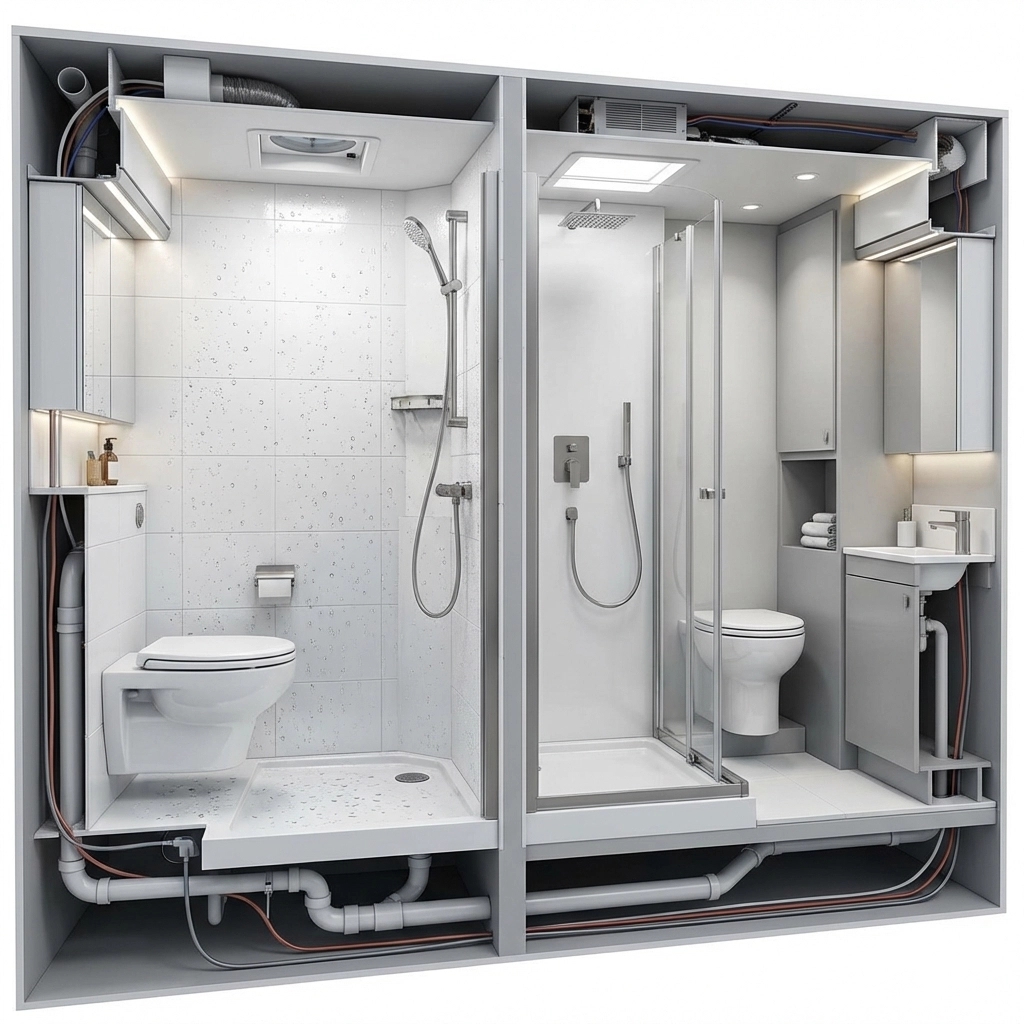
Is Showering in an RV Practical for Everyday Use?
The practicality of RV showering depends heavily on your camping style, group size, and expectations.
Full-Time vs. Weekend Use
Full-time RVers often invest in larger fresh water tanks (80-150 gallons) and efficient water heating systems. Daily showering becomes routine with proper water management and regular tank maintenance.
Weekend warriors can easily shower daily with standard tank capacities (20-40 gallons), especially when connected to campground utilities.
Usage Considerations by Group Size
Solo travelers can typically shower daily for 5-7 days on a 40-gallon fresh tank using water-saving techniques.
Families face greater challenges, with multiple daily showers quickly depleting both fresh water and grey tank capacity. Strategic planning becomes essential.
Climate and Season Factors
Hot climates increase shower frequency needs but reduce hot water heating time. Desert camping often requires daily rinses due to dust and sweat.
Cold weather extends hot water heating time and increases propane consumption. Frozen pipes become a risk factor in sub-freezing temperatures.
Data Points to Consider
- Average RV fresh water tank: 20-100 gallons (varies by RV size)
- Standard shower water consumption: 2-5 gallons per minute
- Efficient RV shower duration: 3-5 minutes total water run time
- Hot water capacity: 6-16 gallons (depending on water heater size)
How to Shower in an RV (Step-by-Step Guide)
Mastering the RV shower technique maximizes comfort while conserving precious water resources.
Step 1 – Preparing Your Water & Power
Check Water Levels: Verify fresh water tank level and ensure grey tank isn’t full. Most RVs have monitoring panels showing tank percentages.
Heat Your Water: Turn on your water heater 15-30 minutes before showering. Propane heaters heat faster than electric models. Some RVs have instant water heaters that eliminate wait times.
Power Considerations: If using electric heating while boondocking, monitor battery levels. Water heating consumes significant power, typically 1400-1500 watts for electric units.
Step 2 – Taking a Water-Efficient Shower
The Navy Shower Method:
- Turn water on and wet yourself quickly (30-60 seconds)
- Turn water off completely while soaping and shampooing
- Turn water back on to rinse thoroughly (1-2 minutes)
This technique can reduce water consumption from 25+ gallons to just 2-4 gallons per shower.
Temperature Control: Start with lukewarm water to prevent shocking your system and wasting water while adjusting temperature.
Step 3 – Managing Grey Water After Showering
Monitor Tank Levels: Grey tanks typically hold 20-80 gallons. A family of four using efficient shower techniques can shower 3-5 days before needing to dump.
Dumping Procedures: Empty grey tanks at designated dump stations or campgrounds with sewer hookups. Never dump grey water on the ground except where specifically permitted.
RV Shower Tips for Saving Water (Off-Grid Focus)
Water conservation becomes critical during extended boondocking adventures where refilling isn’t possible.
Proven Water-Saving Strategies
Install Low-Flow Showerheads: Upgrade to 1.5-2.0 GPM models versus standard 2.5+ GPM fixtures. Quality low-flow heads maintain pressure while reducing consumption.
Choose Biodegradable Soaps: Concentrated, low-suds formulations rinse faster and are environmentally safer if you need to drain grey water.
Pre-Rinse Efficiency: Use a wet washcloth to remove initial dirt before turning on the shower, reducing rinse time.
Strategic Shower Scheduling: Shower during cooler parts of the day to reduce water needed for cooling/comfort.
Realistic Water Budgets for Boondocking
- Conservative use: 2-3 gallons per person per shower
- Moderate use: 4-6 gallons per person per shower
- Luxury use: 8-12 gallons per person per shower
Plan accordingly based on your fresh tank capacity and intended off-grid duration.

Best RV Shower Setups for Boondocking
Different shower configurations offer varying advantages for off-grid camping.
Wet Bath Pros and Cons
Advantages: Space-efficient, simple plumbing, easier to heat small space in cold weather
Disadvantages: Everything gets wet, requires drying time, less comfortable for tall users
Best For: Solo travelers, compact RVs under 25 feet, short trips
Dry Bath Benefits
Advantages: Separate shower area, toilet stays dry, more luxurious feel, better for families
Disadvantages: Requires larger RV, more complex plumbing, takes more space
Best For: Full-time living, longer trips, families, larger RVs
Outdoor Shower Systems
Advantages: Unlimited space, doesn’t use interior water, keeps dirt outside, extends grey tank capacity
Disadvantages: Weather dependent, privacy concerns, temperature challenges
Best For: Warm weather camping, after swimming/hiking, washing pets/gear
Portable Shower Alternatives
For maximum off-grid flexibility, consider portable options like pressurized shower bags, 12V portable pumps, or compact pressure washers. These systems can extend your showering capability indefinitely near water sources.
BlackSeries RV trailers are specifically engineered for extended off-grid adventures, featuring robust water systems and multiple shower configuration options to match your camping style.
Common Mistakes People Make When Showering in an RV
Avoiding these pitfalls will save water, prevent damage, and improve your overall RV shower experience.
Overestimating Tank Capacity
The Mistake: Assuming you can shower like you’re at home without monitoring water usage.
The Fix: Calculate your actual daily water consumption and plan accordingly. Track usage for several trips to establish realistic budgets.
Ignoring Ventilation Needs
The Mistake: Skipping bathroom fans or opening windows, leading to humidity buildup and potential mold issues.
The Fix: Always run exhaust fans during and after showering. Crack windows for cross-ventilation when weather permits.
Taking Excessively Long Hot Showers Off-Grid
The Mistake: Using all available hot water in one shower, leaving nothing for dishwashing or other family members.
The Fix: Limit hot showers to 5 minutes or less when boondocking. Consider cold-water rinses in warm weather.
Poor Grey Tank Management
The Mistake: Waiting until tanks are completely full before dumping, leading to backup issues or emergency situations.
The Fix: Dump grey tanks when 2/3 full, especially before traveling. Plan dump locations in advance during trip planning.
FAQs About Showering in an RV
How long can you shower in an RV?
With efficient techniques, you can shower comfortably in 3-5 minutes while using only 2-4 gallons of water. Luxury showers may use 8-12 gallons and take 10-15 minutes, but this quickly depletes resources during boondocking.
Can you shower every day while boondocking?
Yes, with proper water management. A family of four can typically shower daily for 3-5 days using a standard 40-gallon fresh tank and efficient shower techniques. Solo travelers can extend this to 7-10 days.
Do RV showers feel cramped?
Space varies significantly by RV size and design. Compact wet baths can feel tight for larger individuals, while dry baths in larger RVs approach residential comfort levels. Most users adapt quickly to the smaller space.
Is an outdoor RV shower worth it?
Absolutely for warm-weather camping and activities like hiking, swimming, or off-roading. Outdoor showers keep dirt outside, extend grey tank capacity, and provide unlimited space. They’re less practical in cold weather or crowded campgrounds.
Understanding RV shower systems and developing efficient techniques transforms showering from a stressful resource management challenge into a comfortable part of your camping routine. Whether you’re planning weekend trips or full-time RV living, proper preparation ensures you’ll stay clean and comfortable on every adventure.
For reliable off-grid shower performance, consider RV systems designed specifically for extended boondocking adventures. Learn more about BlackSeries RV’s off-grid capabilities and how our trailers are engineered for comfortable extended camping.

