Failed trailer shocks show obvious oil leaking from the shock body, offer minimal resistance when compressed by hand, and cause excessive trailer bouncing. Replace shocks when you see active fluid leakage, can easily compress them manually with little effort, or experience poor towing stability on highways and rough terrain.
Why Trailer Shock Absorbers Matter (U.S. Driving Conditions)
American trailer owners face demanding driving conditions that put significant stress on suspension components. From high-speed interstate towing across Texas to navigating washboard dirt roads in Utah’s backcountry, your BlackSeries trailer’s shock absorbers work overtime to maintain control and comfort.
Long highway miles at 65-75 mph create sustained heat buildup in shock components. Desert travel through Arizona and Nevada exposes shocks to extreme temperature swings, while frequent water crossings during overland adventures can compromise seals over time.
When trailer shock absorbers fail, the consequences go beyond comfort. Your trailer will experience persistent bouncing after hitting bumps, reducing tire contact with the road surface. This decreased grip translates to longer braking distances and compromised stability during emergency maneuvers, critical safety concerns when towing at highway speeds.
BlackSeries trailers, with their independent suspension systems designed for serious off-road use, rely heavily on properly functioning shocks. Unlike traditional leaf spring setups that provide some damping through friction, independent suspension depends entirely on shock absorbers to control wheel movement and maintain vehicle stability.
What Do Trailer Shock Absorbers Do?
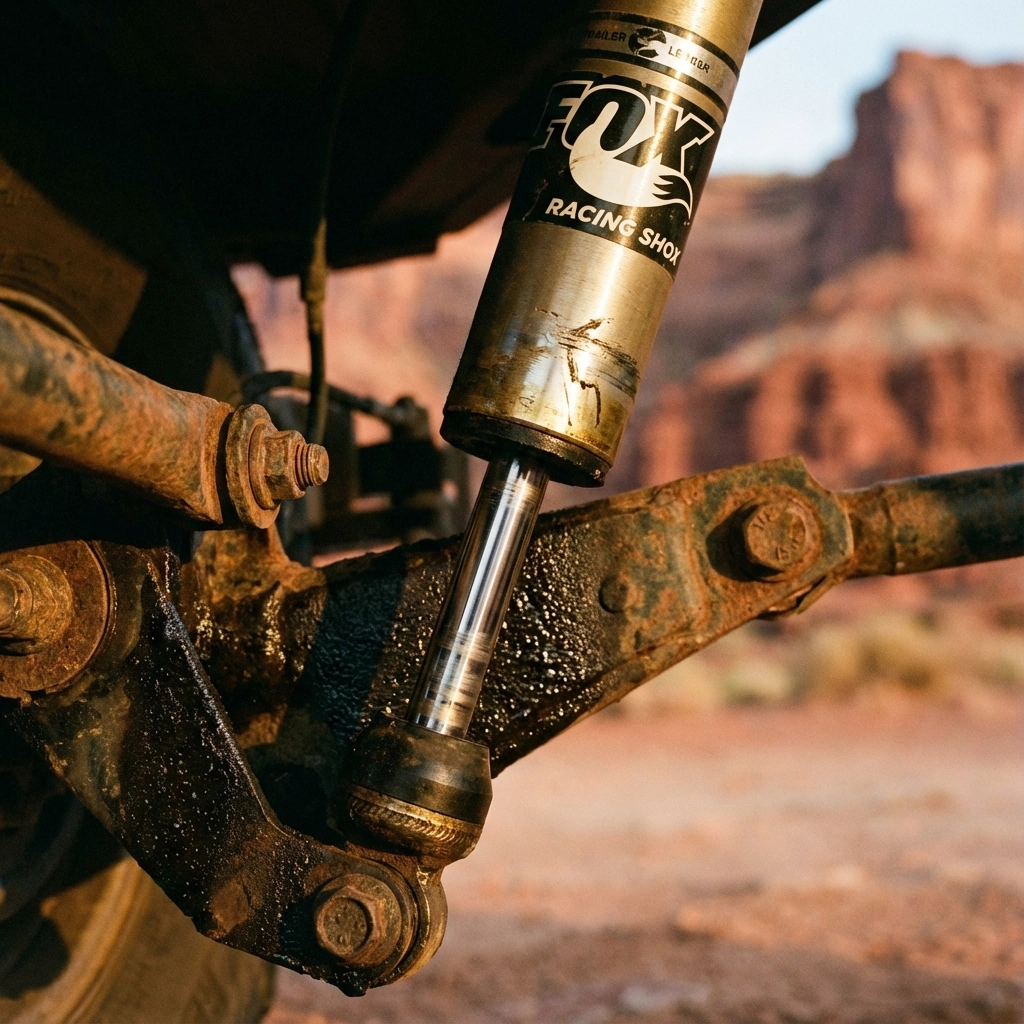
Trailer shock absorbers serve as the critical damping component in your suspension system, controlling the oscillation of springs and maintaining tire contact with road surfaces. When your trailer hits a bump, the springs compress to absorb the impact energy, but without shocks, they would continue bouncing uncontrolled.
The shock absorber works by forcing hydraulic fluid through precisely sized orifices inside the shock body. This creates resistance that converts kinetic energy into heat, gradually dissipating the spring’s oscillation energy. The result is controlled, dampened movement that settles quickly rather than continuing to bounce.
Most trailer shocks use hydraulic oil-filled designs, though some premium applications employ gas-charged systems. Gas-charged shocks include pressurized nitrogen that prevents oil foaming under extreme conditions, maintaining consistent damping performance during sustained high-speed operation.
BlackSeries independent suspension systems position shocks as external, serviceable components separate from the spring assemblies. This design philosophy allows for easier inspection and replacement compared to integrated spring-shock units, while enabling the use of heavy-duty dampers specifically chosen for off-road performance demands.
Signs of Bad Trailer Shocks
Identifying signs of bad trailer shocks requires both visual inspection and performance evaluation. The most obvious indicator is trailer shock absorber leaking, visible as wet, oily residue around the shock body or pooled fluid beneath the trailer.
Visual Signs:
- Oil seepage or wet shock bodies
- Bent or damaged shock shafts
- Missing or damaged mounting hardware
- Rust or corrosion on shock components
Performance Indicators:
- Persistent trailer bouncing after bumps
- Unusual tire wear patterns, especially cupping
- Metallic clunking sounds from the suspension
- Poor towing stability or wandering at highway speeds
Physical Testing:
You can perform a simple manual test by attempting to compress and extend each shock by hand. Failed shocks will move easily with minimal resistance, while functional units should provide noticeable resistance throughout their travel range. Some trailer owners discover they can cycle failed shocks by hand with virtually no effort, a clear indication of internal component failure.
One BlackSeries owner reported discovering that all four shocks on their trailer had failed despite only one showing obvious leakage. The manual compression test revealed that even shocks without visible leaks offered no resistance, indicating complete internal failure of the damping mechanism.

Is Shock Absorber Leaking Always a Problem?
Not all shock absorber moisture indicates immediate failure. New shocks may exhibit slight “sweating”, a thin film of oil on the shock body that helps lubricate seals. This minimal moisture is normal and doesn’t affect damping performance.
Normal vs. Problem Leakage:
Normal “Sweating”:
- Thin oil film on shock body
- No dripping or pooling
- Shock still provides full resistance when tested
- No performance degradation
Problem Leakage:
- Active dripping or fluid accumulation
- Wet, oily shock body with visible fluid trails
- Reduced damping performance
- Failed manual compression test
The distinction matters because replacing functional shocks wastes money and time. However, active leakage indicates seal failure that will worsen with use. Once seals fail, contamination enters the shock body, accelerating internal component wear and complete failure.
American suspension specialists typically recommend replacement when leakage becomes active rather than waiting for complete failure. This proactive approach prevents the safety risks associated with sudden shock failure during highway towing.
How to Check Trailer Shock Absorbers: Step-by-Step
Step 1: Visual Inspection
Begin your how to check trailer shock absorbers process with the trailer on level ground and wheels chocked for safety. Examine each shock absorber systematically, looking for obvious signs of failure or damage.
Check the shock body for oil leakage, paying attention to the area around the top seal where the piston rod enters the body. Look for bent or damaged piston rods that could indicate impact damage or worn bushings allowing excessive movement.
Inspect mounting points at both the top and bottom of each shock. Loose, damaged, or missing mounting hardware compromises shock function and can lead to catastrophic failure. Verify that rubber bushings appear intact without cracking or excessive wear.
Step 2: Bounce and Movement Test
With the trailer unhitched and stabilized, perform manual compression tests on each shock absorber. Grasp the shock body and piston rod, attempting to compress and extend the unit by hand.
Functional shocks should provide consistent resistance throughout their travel range. You should feel smooth but firm resistance when compressing the shock, with controlled extension when releasing pressure. Damaged or worn shocks will feel loose, offering little resistance to manual operation.
Document your findings for each shock, noting any that move freely or provide inconsistent resistance. Even if only one shock shows obvious problems, test all units to identify potential failures before they become safety hazards.
Step 3: Road Behavior Check
The final assessment involves evaluating trailer performance during actual towing conditions. Pay attention to how your BlackSeries trailer responds to road inputs and whether it settles quickly after encountering bumps or changes in road surface.
During highway driving, notice any persistent swaying, bouncing, or instability that wasn’t present when the shocks were functioning properly. Test controlled braking scenarios in safe conditions to evaluate whether the trailer maintains stability and doesn’t exhibit excessive nose-diving or oscillation.
Off-road performance provides additional diagnostic information. Properly functioning shocks allow the trailer to absorb trail impacts without transferring excessive forces to the tow vehicle or creating handling problems on technical terrain.
When to Do Trailer Shock Absorber Replacement
Immediate replacement indicators:
- Active fluid leakage from shock bodies
- Shocks that compress easily by hand with minimal resistance
- Persistent trailer instability or bouncing
- Visible damage to shock components or mounting points
Preventive replacement considerations:
Most trailer shocks function effectively for 30,000-50,000 miles under normal highway conditions. However, BlackSeries trailers often see more demanding off-road use that can accelerate wear. Frequent washboard roads, deep water crossings, and extreme temperature cycling all contribute to shortened shock life.
Consider replacement based on usage patterns rather than strict mileage intervals. Trailers used primarily for weekend camping on maintained campgrounds may exceed 50,000 miles on original shocks, while overland adventurers crossing technical terrain might need replacement every 20,000-30,000 miles.
System replacement philosophy:
When replacing shocks, consider the entire suspension system’s condition. Shocks and springs work together, and worn springs can overwork new shocks, leading to premature failure. Similarly, damaged or worn suspension bushings affect shock performance and longevity.
Common Trailer Shock Absorber Mistakes
Single-shock replacement represents the most common error in trailer shock maintenance. When one shock fails, others have experienced the same stresses and usage conditions. Replacing only the obviously failed unit often results in additional failures within a few thousand miles.
Ignoring mounting geometry during replacement can compromise suspension performance. Shock absorbers must be installed at specific angles to function properly. Incorrect mounting angles due to damaged brackets or improper installation reduces damping effectiveness and can cause premature wear.
Misdiagnosing tire or bearing problems as shock issues wastes time and money. Cupped tire wear can result from alignment problems, improper tire pressure, or wheel bearing issues rather than shock failure. Similarly, wheel bearing noise might be mistaken for suspension problems.
Using automotive shocks on trailer applications creates performance and safety problems. Automotive shocks are designed for different weight distributions and usage patterns than trailer applications. Always specify trailer-appropriate shock absorbers designed for your specific weight range and usage demands.
Best Practices for BlackSeries Trailer Suspension Care
Regular inspection intervals prevent surprise failures during critical trips. Inspect shocks every 6 months or before major trips, checking for leakage, damage, and proper mounting. Document shock condition with photos to track deterioration over time.
Pre-trip suspension checks should include manual shock testing and visual inspection of all suspension components. Pay particular attention to mounting hardware, as loose bolts can cause sudden failure and dangerous loss of control.
Post-adventure inspection becomes crucial after challenging off-road trips. Water crossings, rock impacts, and sustained washboard roads can damage shocks or accelerate wear. Early detection prevents trail-side failures during future adventures.
Quality replacement parts matter significantly for BlackSeries applications. Heavy-duty shocks designed for off-road trailer use provide longer service life and better performance than economy alternatives. Consider upgrades to gas-charged or adjustable shocks for demanding applications.
FAQ: Trailer Shock Absorber Replacement
Can I tow with a leaking trailer shock absorber?
While a single leaking shock won’t immediately disable your trailer, it compromises stability and safety, especially at highway speeds or in emergency situations. Plan replacement soon, but you can typically continue towing carefully until replacement is convenient.
How long do trailer shock absorbers last?
Trailer shocks typically last 30,000-50,000 miles under normal conditions, but off-road use can reduce this significantly. BlackSeries trailers often see demanding conditions that may require replacement every 20,000-30,000 miles.
Do BlackSeries trailers use heavy-duty shocks?
Yes, BlackSeries independent suspension systems use heavy-duty shock absorbers designed for off-road applications. These shocks are specifically chosen to handle the demands of overland travel and technical terrain.
Will bad shocks damage my suspension?
Failed shocks allow uncontrolled spring oscillation that increases stress on suspension components, tires, and trailer structure. Continued operation with failed shocks can damage springs, bushings, and mounting points, leading to expensive repairs.
Should I replace all four shocks at once?
When one shock fails, others have experienced similar stresses and wear. Replacing all four shocks simultaneously ensures consistent performance and prevents multiple service calls as additional units fail.
For comprehensive trailer maintenance guidance and technical support, visit our technical support page or explore our complete maintenance resources.

