The American RV market continues its explosive growth, with travel trailers leading as the most popular towable RV category. Whether you’re a weekend warrior or planning extended off-grid adventures, mastering the fundamentals of towing, setup, camping, and maintenance can make the difference between memorable trips and costly disasters.
This comprehensive guide delivers 50 actionable travel trailer tips covering every aspect of RV ownership, from rookie towing challenges to advanced off-road techniques for rugged trailers like BlackSeries models.
Essential Travel Trailer Towing Tips
Pre-Trip Towing Checklist
Weight and Hitch Verification
Start every trip with a thorough weight check. Verify your vehicle’s tow capacity matches your loaded trailer weight, maintaining tongue weight between 10-15% of total trailer weight. Install a quality weight distribution hitch system to properly distribute load across both vehicles.
Safety System Inspection
Test your trailer brake controller before departure, ensuring it’s properly calibrated for your specific trailer weight. Check all electrical connections, including turn signals, brake lights, and hazard lights. Inspect your safety chains, ensuring they’re crossed under the hitch and rated for your trailer’s gross weight.
Tire and Suspension Check
Examine tire pressure on both towing vehicle and trailer using an accurate gauge. Look for uneven wear patterns, sidewall cracks, or bulges that indicate replacement needs. Check lug nut torque specifications and inspect suspension components for wear or loose bolts.
Safe Towing Practices
Speed and Distance Management
Maintain speeds between 55-65 mph when towing, regardless of posted speed limits. Increase following distance to at least 6 seconds behind vehicles ahead, as loaded trailers require significantly longer stopping distances. Use your vehicle’s tow/haul mode to optimize transmission shifting and engine braking.
Handling Crosswinds and Sway
When experiencing trailer sway from crosswinds or passing trucks, avoid sudden steering corrections. Instead, gradually reduce speed while maintaining steady steering input. If sway persists, pull over safely and check your weight distribution and tire pressure.
Backing and Maneuvering Techniques
Practice the “hand-on-bottom” steering method: place your hand on the bottom of the steering wheel, then move your hand in the direction you want the trailer to go. Make small, gradual adjustments and use a spotter when possible. Practice in empty parking lots before attempting tight campground maneuvers.
Travel Trailer Setup and Campsite Tips
Step-by-Step Campsite Setup
Site Selection and Positioning
Choose the most level site available, checking for overhead hazards like low branches or power lines. Back into your site slowly, using wheel chocks immediately after positioning. A level trailer reduces stress on appliances and ensures proper operation of your refrigerator and plumbing systems.
Leveling and Stabilization Process
Level side-to-side first using leveling blocks under the low side’s tires. Then level front-to-back using your tongue jack. Deploy stabilizer jacks only after leveling: never use them as lifting devices. Apply wheel chocks on both sides of each tire to prevent rolling.
Utility Connections and Testing
Connect utilities in order: electrical first (using a surge protector), then water (with pressure regulator), and finally sewer connections. Test all systems before settling in: check interior lights, water pump pressure, refrigerator operation, and air conditioning function.
Must-Have Setup Gear for 2025
- Leveling blocks: Andersen Camper Leveler or Lynx Levelers
- Wheel chocks: X-Chocks or Tri-Lynx chock systems
- Electrical protection: Progressive Industries surge protector
- Water management: Pressure regulator and quality hose
- Sewer system: Heavy-duty hose with proper fittings
Off-Grid Setup Considerations
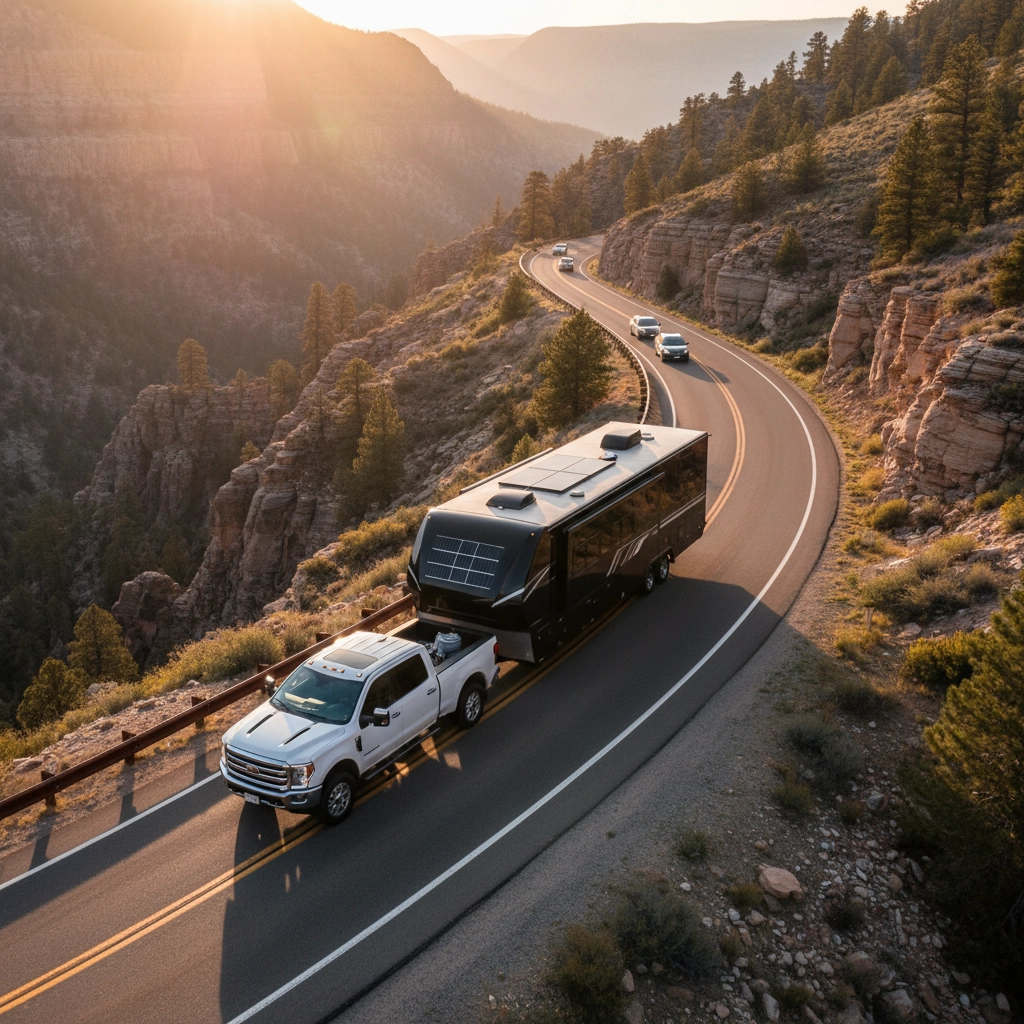
For boondocking adventures, especially with rugged trailers like BlackSeries models, your setup routine expands significantly. Position solar panels for maximum sun exposure, check battery levels and connections, and verify your freshwater tank is full. Test your generator if equipped, and ensure all 12V systems function independently of shore power.
Travel Trailer Camping Comfort and Safety Tips
Maximizing Interior Comfort
Storage and Organization
Implement the “heavy-low, light-high” rule for storage, keeping heavy items in low compartments and over axles. Use collapsible storage containers to maximize space efficiency. Install LED strip lighting in dark corners and storage areas for better visibility.
Climate Control Optimization
Open cabinet doors during humid conditions to promote airflow and prevent condensation buildup. Use roof vents strategically: intake vents should face forward, exhaust vents toward the rear. Consider adding 12V fans to improve air circulation in sleeping areas.
Weight Distribution During Travel
Follow the 60/40 rule: place 60% of cargo weight forward of the axles, 40% behind. Secure all loose items before travel, as shifting loads can cause dangerous sway. Use cargo nets and bungee cords to prevent movement in storage compartments.
Campground Safety Protocols
Wildlife and Food Safety
Store all food in sealed containers, even when inside your trailer. In bear country, use bear-proof storage or hang food at least 12 feet high and 6 feet from tree trunks. Never feed wildlife, and keep your campsite clean of food scraps.
Fire Safety and Propane Management
Check propane connections for leaks using soapy water before each trip. Keep fire extinguishers accessible and learn proper usage. Maintain clear escape routes from your trailer and know the location of your electrical breaker and propane shutoffs.
Security Measures
Install quality deadbolt locks and consider window security film for ground-level windows. Use hitch locks when parked and avoid displaying expensive equipment. Store valuables in a portable safe or hidden compartments.

Travel Trailer Maintenance Tips
Routine Maintenance Schedule
Monthly Checks
- Test house batteries with voltmeter
- Inspect exterior seals around windows, doors, and roof fixtures
- Check tire pressure and examine tread wear
- Test all lights and electrical systems
- Lubricate slide-out mechanisms if equipped
Quarterly Inspections
- Inspect roof for damage, loose screws, or failing caulk
- Check wheel bearing temperature after driving
- Test brake controller sensitivity and adjustment
- Clean and sanitize water system
- Inspect suspension components for wear
Annual Maintenance
- Repack wheel bearings or replace bearing protectors
- Reseal all exterior penetrations with appropriate sealant
- Flush water heater and replace anode rod
- Winterize or de-winterize plumbing systems
- Professional inspection of brakes and suspension
Interior Maintenance Best Practices
Preventing Mold and Moisture
Use moisture absorbers in closed storage areas and run exhaust fans during cooking and showering. Wipe down surfaces prone to condensation and check for soft spots in flooring that indicate water damage.
Appliance Care
Clean refrigerator coils quarterly and check burner operation on propane appliances. Replace water filters according to manufacturer schedules and maintain proper chemical balance if equipped with a water heater.
Weight Management and Safety Guidelines
Understanding Weight Classifications
Critical Weight Terms
- GVWR (Gross Vehicle Weight Rating): Maximum loaded weight
- UVW (Unloaded Vehicle Weight): Trailer weight from factory
- CCC (Cargo Carrying Capacity): Available weight for gear
- Tongue Weight: Downward force on hitch ball
Load Distribution Strategies
Never exceed your trailer’s GVWR or your vehicle’s towing capacity. Distribute weight evenly side-to-side and maintain proper tongue weight percentage. Avoid rear-heavy loading that can cause dangerous sway and reduced steering control.
Use a truck scale to weigh your loaded trailer periodically, ensuring you haven’t gradually exceeded weight limits through gear accumulation over multiple trips.
Advanced Off-Road Travel Trailer Tips
Terrain-Specific Preparation
Why Off-Road Trailers Need Special Attention
Rugged terrain puts additional stress on every trailer component. BlackSeries trailers are specifically engineered for these challenges, but proper technique maximizes their capabilities and longevity.
Pre-Trip Off-Road Checklist
- Inspect independent suspension components for wear
- Check tire pressure and tread depth for terrain type
- Verify all cargo is properly secured with heavy-duty tie-downs
- Test solar panel mounting and electrical connections
- Confirm generator operation and fuel levels
BlackSeries-Specific Off-Road Techniques
Optimal Solar and Battery Management
BlackSeries trailers excel in off-grid scenarios with robust electrical systems. Position your trailer to maximize solar panel exposure during setup. Monitor battery bank voltage and adjust power consumption accordingly for extended dispersed camping adventures.
Heavy-Duty Stabilization Methods
Deploy stabilizer jacks on solid ground or use leveling blocks to increase contact area. In sand or soft ground, use large boards to distribute weight. BlackSeries stabilizers are engineered for extended deployment on uneven terrain.
Approach Angle Management
When traversing steep terrain, maintain steady speeds and avoid sudden direction changes. Use your spotter to guide you through technical sections, and know your trailer’s approach and departure angles to avoid damage.
Essential Travel Trailer Gear for 2025
Top-Rated Equipment Categories
Best Leveling Solutions
- Anderson Camper Leveler: Lightweight, all-in-one design
- Lynx Levelers: Stackable, curved design prevents rolling
- Tri-Lynx Chocks: Integrated wheel chock system
Power and Electrical Protection
- Progressive Industries EMS-HW50C: Hardware-wired surge protection
- Camco PowerGrip adapters: Weatherproof electrical connections
- Goal Zero power stations: Portable backup power for off-grid use
Water System Upgrades
- Camco Premium water pressure regulator
- Zero-G water hoses: Lightweight, kink-resistant
- Clear2O RV water filters: Advanced filtration systems
Common Travel Trailer Mistakes to Avoid
Critical Setup Errors
Electrical Connection Mistakes
Never leave your power cord connected when departing. This common oversight can damage both your trailer and the electrical pedestal. Always perform a visual check before moving your vehicle.
Stabilizer Misuse
Stabilizer jacks are designed to reduce movement, not support weight. Never use them as the primary lifting mechanism for tire changes or maintenance. This can bend the jacks or damage your trailer frame.
Water System Oversights
Overfilling your fresh water tank affects weight distribution and can cause handling problems. Fill tanks only as needed for your trip duration, and always use a pressure regulator to protect your plumbing system.
Beginner-Friendly Travel Trailer Tips
Building Confidence Through Practice
Training Recommendations
Practice towing and backing in empty parking lots before your first camping trip. Start with day trips to nearby locations to familiarize yourself with your trailer’s handling characteristics.
Essential Skills Development
Learn basic maintenance tasks like replacing fuses, priming your water pump, and lighting pilot lights on propane appliances. Carry appropriate tools and know how to use them safely.
Safety-First Mindset
Always use a pre-departure checklist, even after years of experience. Develop systematic habits for setup and breakdown procedures. Remember that rushing leads to mistakes that can ruin trips or cause accidents.
Frequently Asked Questions
What are the most important travel trailer towing tips for beginners?
Focus on weight management, proper hitch setup, and safe driving practices. Maintain appropriate speeds, increase following distances, and practice backing techniques in safe environments before attempting challenging maneuvers.
How do I properly level and stabilize my travel trailer at a campsite?
Level your trailer first using blocks under the low side, then deploy stabilizer jacks to reduce movement. Always use wheel chocks and never use stabilizers as lifting devices.
What maintenance should I perform on my travel trailer regularly?
Check tire pressure before every trip, inspect seals monthly, test batteries and electrical systems regularly, and perform annual maintenance on wheel bearings, appliances, and water systems.
How can I improve my off-road travel trailer experience?
Invest in quality equipment rated for your terrain, practice weight distribution techniques, and understand your trailer’s capabilities and limitations. Consider upgrading to heavier-duty components for frequent off-road use.
What safety equipment should every travel trailer have?
Essential safety equipment includes fire extinguishers, carbon monoxide detectors, first aid kits, emergency tools, backup communication devices, and properly rated towing safety chains.
These 50 travel trailer tips provide a foundation for safe, enjoyable RVing in 2025. Whether you’re planning weekend getaways or extended off-grid adventures, mastering these fundamentals ensures your trailer serves you well for years to come. Remember that quality equipment and proper technique are investments in both safety and enjoyment of your travel trailer lifestyle.

