What Is an Off Road Camper?
An off road camper is a ruggedized recreational vehicle designed for backcountry adventures, featuring reinforced construction, independent suspension, and off-grid systems. Perfect for overlanders, boondocking enthusiasts, and four-season campers seeking remote wilderness access. U.S. prices range from $45,000–$150,000+ depending on size and features. Key differences from regular RVs include higher ground clearance (14-20 inches), all-terrain tires, underbody protection, and comprehensive solar/battery systems. Best choices for winter camping and boondocking offer four-season insulation, lithium power systems, and expedition-grade chassis for accessing dispersed camping on BLM lands and national forests.
What Is an Off Road Camper?
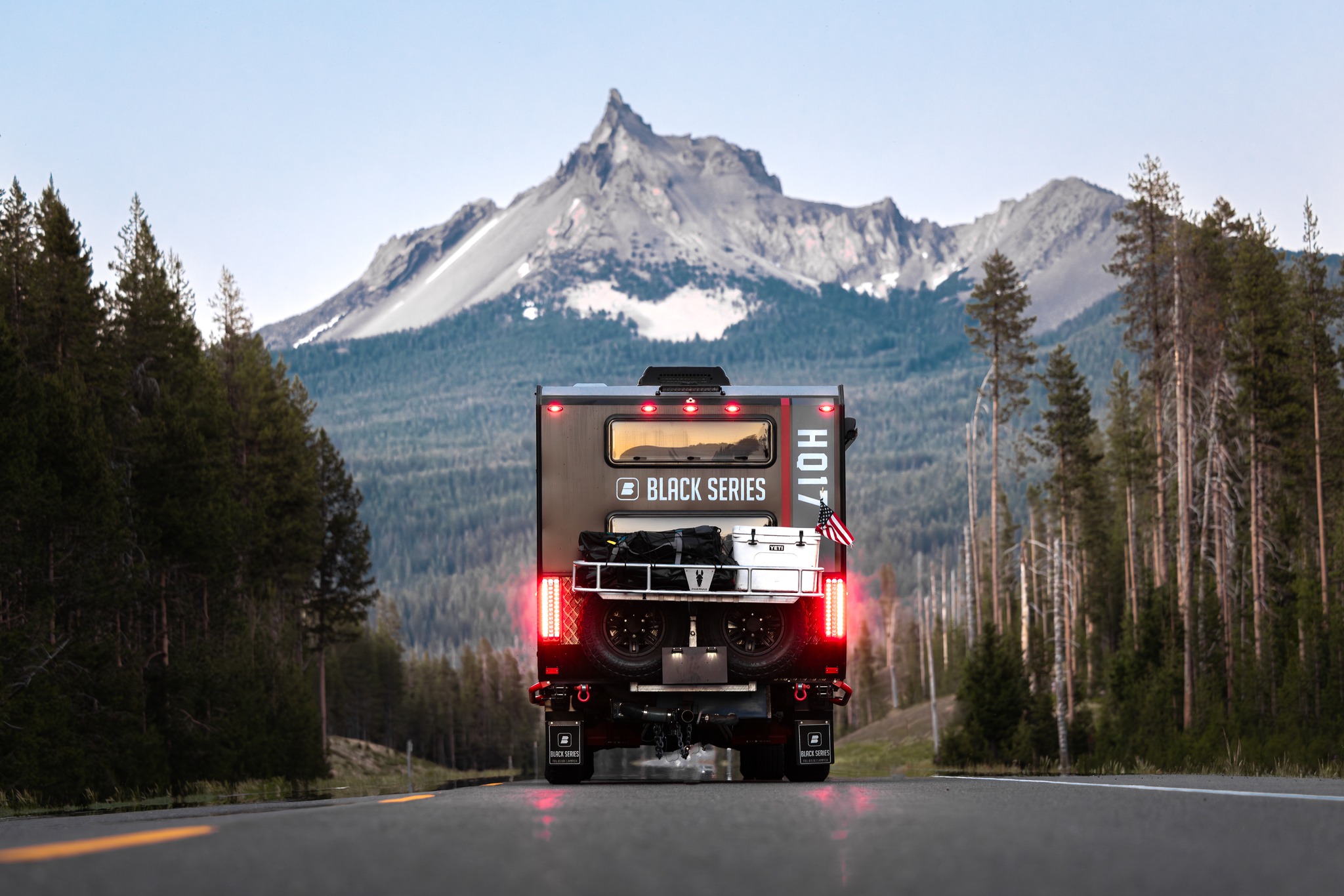
An off road camper represents the evolution of recreational vehicles designed specifically for challenging terrain and self-sufficient camping. Unlike standard travel trailers built for campground hookups, these specialized units combine military-grade construction with modern amenities to access remote wilderness areas.
The term encompasses both truck campers (mounted in pickup beds) and off road camper trailers (towable units). Both share common DNA: reinforced steel chassis, independent suspension systems, high ground clearance, and comprehensive off-grid capabilities.
Key Differences from Standard RVs
Traditional travel trailers prioritize interior space and comfort for established campgrounds. Off road campers sacrifice some living space for structural strength and self-sufficiency. The trade-off enables access to:
- BLM dispersed camping sites
- Remote overlanding routes
- Winter camping locations
- Rocky desert terrain
- Forest service roads
Essential Terminology
Ground Clearance: Minimum 14-18 inches for serious off-road use
Articulating Hitch: Allows trailer to flex independently from tow vehicle
Four-Season Insulation: Thermal protection for year-round camping
Boondocking: Self-sufficient camping without hookups
Payload & Towing Capacity: Critical matching between vehicle and camper
Off Road Camper vs Travel Trailer vs Traditional RV
Understanding the distinctions helps identify which camping solution matches your adventure style:
The construction differences directly impact capability. Where a standard travel trailer might suffer frame damage on rocky approaches, an off road camper trailer with independent suspension and skid plates handles the same terrain confidently.
How to Choose the Right Off Road Camper
Step 1: Define Your Adventure Style
Weekend Warriors need lighter, more maneuverable units for state parks and forest roads. Full-time overlanders require maximum off-grid capability and storage for extended wilderness stays. Winter camping enthusiasts must prioritize insulation, heated tanks, and diesel heating systems.
Step 2: Match Your Tow Vehicle
Critical specifications include:
- Towing Capacity: Must exceed camper’s gross weight by 20%+
- Payload: Consider tongue weight (10-15% of trailer weight)
- Wheelbase: Longer wheelbase provides better stability
Popular combinations include Ford F-250/Ram 2500 with full-size off road campers, or mid-size trucks (Tacoma, Colorado) with compact expedition trailers.
Step 3: Prioritize Off-Road Features
Essential elements for legitimate off-road capability:
- Independent suspension or heavy-duty articulating systems
- Ground clearance of 16+ inches minimum
- All-terrain tires with full-size spare
- Skid plates protecting tanks and underbody components
- Reinforced A-frame and chassis construction

Step 4: Evaluate Off-Grid Requirements
Calculate your power needs:
- Solar capacity: 400-800W for serious boondocking
- Battery storage: 400Ah+ lithium for multi-day capability
- Water storage: 40+ gallons fresh, adequate grey/black capacity
- Heating: Propane or diesel systems for four-season use
Step 5: Consider Build Quality & Service
Examine welding quality, interior hardware strength, and underbody protection. Research manufacturer warranty coverage and service network availability across your intended travel regions.
Off Road Camper Buying Checklist
Vehicle & Towing Compatibility
- Towing capacity exceeds camper GVWR by 20%+
- Brake controller and integrated towing package
- Proper hitch class and weight distribution system
Off-Road Hardware
- Independent or heavy-duty articulating suspension
- All-terrain tires (33″+ recommended) with matching spare
- Ground clearance 16+ inches minimum
- Comprehensive skid plate and rock protection
- Reinforced chassis and A-frame construction
Off-Grid Systems
- Solar array 400W+ with MPPT controller
- Lithium battery bank 400Ah+ capacity
- Adequate water storage (40+ gal fresh, 30+ gal grey)
- Four-season heating (diesel or propane)
- 120V inverter for AC appliances
Comfort & Practicality
- Layout suits your group size and camping style
- Adequate storage for gear and provisions
- Quality kitchen with adequate refrigeration
- Bathroom configuration (wet bath, dry bath, or cassette)
Best Off Road Camper Options in the U.S.
Best for Overlanding Couples: Compact Expedition Trailers
Compact off road camper trailers excel for couples pursuing multi-month overlanding adventures. These units typically weigh 3,000-4,500 pounds, enabling towing with mid-size trucks while providing comprehensive off-grid capability.
Key features include independent suspension, 400W+ solar systems, and sleeping for two with convertible dinettes. Brands focusing on expedition-grade construction offer the structural integrity necessary for continuous off-road use.
Best for Winter Camping: Four-Season Expedition Models
Winter camping demands specialized insulation, heated tanks, and robust heating systems. Four-season off road campers feature:
- Enclosed and heated underbelly
- Double-pane windows with thermal breaks
- Diesel or propane heating with multiple zones
- Tank heaters and freeze-resistant plumbing
Best for Families: Full-Size Off-Road Models
Family-oriented units balance off-road capability with increased living space. Features include bunk beds, larger dinettes, and expanded storage. While heavier (requiring full-size trucks), they provide comfort for extended family adventures without sacrificing terrain capability.
Best Budget Option: Entry-Level Expedition Trailers
Budget-conscious adventurers can access off-road camping through smaller, lighter units starting around $45,000. These compact trailers sacrifice some amenities but maintain essential off-road hardware: independent suspension, adequate ground clearance, and basic off-grid systems.
U.S. Market Trends & Statistics
The off road camper market reflects broader outdoor recreation growth. Key trends include:
Market Growth: Global off-road trailer segments show 7-8% annual growth, with North American demand driving premium expedition models.
Consumer Preferences: Increasing preference for boondocking over crowded campgrounds accelerates demand for self-sufficient camping solutions.
Technology Integration: Modern units integrate smartphone controls, lithium power systems, and advanced suspension technologies previously exclusive to military applications.
Seasonal Expansion: Growing interest in winter camping drives four-season capable unit sales, particularly in western states with year-round outdoor access.
The trend toward lighter, more capable units reflects both truck towing capacity improvements and consumer demand for vehicles accessing previously unreachable wilderness areas.
Real-World Use Cases
The Weekend Warrior Couple
Sarah and Mike, based in Colorado, use their compact off road camper for weekend escapes to BLM land around Moab and Colorado’s high country. Their priorities: quick setup, reliable off-grid power for two days, and capability for rocky approach roads.
Their ideal setup features independent suspension, 400W solar, 200Ah lithium batteries, and a compact wet bath. Total weight under 4,000 pounds enables towing with their F-150.
The Full-Time Overlander
James pursues year-round overlanding across western public lands. His requirements include extended off-grid capability (7+ days), winter camping systems, and storage for outdoor gear, photography equipment, and supplies.
His setup emphasizes maximum solar (800W+), large battery banks (600Ah), comprehensive heating systems, and expedition-grade construction for continuous off-road use.
The Adventure Family
The Rodriguez family camps year-round with two children, requiring sleeping for four, adequate storage, and safety features for family-friendly remote camping.
Their priorities include bunk beds, large dinette areas, reliable heating and cooling, and robust construction capable of handling forest service roads to reach family-friendly dispersed camping areas.
Off Road Camper Maintenance & Safety
Pre-Trip Inspection
Essential checks before off-road adventures:
- Tire pressure and tread condition
- Suspension component inspection
- Hitch and safety chain verification
- Brake controller operation
- Solar and electrical system function
Post-Trip Maintenance
After challenging terrain:
- Inspect chassis for damage or stress cracks
- Clean underbody components and check protection plates
- Verify all exterior seals remain intact
- Test all systems for proper operation
- Document any issues for professional service
Seasonal Preparations
Winter camping requires specific preparations:
- Fresh water system winterization or heating
- Battery performance verification in cold conditions
- Heating system service and fuel supply checks
- Emergency equipment including chains, recovery gear, and communication devices
Frequently Asked Questions
Are off road campers worth the higher price?
Off road campers cost significantly more than standard travel trailers due to specialized construction, premium components, and comprehensive off-grid systems. The investment proves worthwhile for serious adventurers accessing remote areas regularly, but casual campers may find standard trailers sufficient for established campgrounds and easy-access locations.
Do I need a 4×4 vehicle to tow an off road camper?
While 4WD isn’t mandatory, it significantly improves capability on challenging terrain. Many overlanding routes require 4WD for safe navigation. The trailer’s off-road capability exceeds most tow vehicles, making 4WD the limiting factor in many situations.
Can off road campers handle winter camping in the U.S.?
Quality off road camper trailers with four-season packages excel at winter camping. Essential features include heated tanks, comprehensive insulation, efficient heating systems, and cold-weather battery performance. Proper preparation and quality construction enable comfortable camping in sub-zero conditions.
How much solar and battery capacity do I need for boondocking?
Minimum recommendations for extended boondocking: 400W solar with 400Ah lithium batteries for couples, scaling up for larger groups or power-hungry appliances. Calculate actual consumption including lights, fans, refrigeration, and electronics to determine specific requirements.
What’s the difference between off road campers and off road travel trailers?
The terms are often interchangeable, both referring to towable camping units designed for challenging terrain. “Off road camper” may include truck-mounted units, while “off road camper trailer” specifically refers to towable models. Both emphasize rugged construction and off-grid capability over standard RV comfort features.

