
Your cart (0)
Your cart is empty
Tax included and shipping calculated at checkout
Your cart is empty
Tax included and shipping calculated at checkout

If you’ve ever watched a hailstorm hammer your neighborhood, you know the sinking feeling of wondering whether your RV is safe. In 2026, hail damage remains one of the most expensive and frustrating problems for travel trailer owners: especially those exploring the Great Plains, Rockies, and Southwest.
The good news? Hail-resistant travel trailers are built specifically to survive severe weather. Whether you’re planning long-term boondocking in Colorado or chasing storms across Texas, understanding what makes a trailer truly hail-proof could save you thousands in repairs and headaches down the road.
Hail-resistant travel trailers are recreational vehicles engineered with high-impact roofing materials, reinforced structural framing, and protective exterior skins designed to withstand severe hailstorms without catastrophic damage. Unlike standard RVs that use lightweight materials prioritizing fuel economy and affordability, hail-resistant models sacrifice a bit of weight efficiency for long-term durability.
When manufacturers claim “hail resistance,” they’re usually referring to impact ratings: a measurement of how well a material resists deformation or puncture when struck by objects at high velocity. The most common industry standard comes from UL 2218, which classifies roofing materials into four classes based on their ability to withstand steel ball drops:
For context, Class 4 materials can typically handle hailstones up to golf-ball size without permanent damage. Most quality hail-resistant trailers aim for Class 3 or Class 4 roofing systems.
It’s important to distinguish between different types of storm damage:
A truly storm-resistant trailer needs to address all three, but hail resistance specifically focuses on impact absorption and roof integrity.
Aluminum Skin: Lightweight and dent-resistant when properly backed with insulation. However, thinner aluminum (under 0.030 inches) can dimple easily.
Fiberglass: Offers excellent impact resistance and doesn’t dent like aluminum, but can crack under extreme force. Modern composite fiberglass is the gold standard for hail protection.
Composite Materials: Layered construction combining fiberglass, foam core, and protective coatings. These multi-layer systems absorb and distribute impact energy more effectively than single-material skins.
For a deeper dive into what makes trailers suitable for extreme conditions, check out our guide on off-road RVs for extreme terrain adventures.

If you’ve spent any time camping in the Midwest or Mountain West, you’ve probably heard the term “Hail Alley.” This corridor stretching from Wyoming through Colorado, Nebraska, Kansas, Oklahoma, and into North Texas experiences the highest frequency of severe hailstorms in North America.
According to NOAA data, these regions see an average of 7-9 days per year with hail larger than one inch in diameter. For RV owners, that’s not just an inconvenience: it’s a financial liability.
Here’s what most people don’t realize: hail damage to an RV isn’t just cosmetic. A single severe storm can cause:
Even with insurance, you’re looking at deductibles, depreciation hits, and the hassle of being without your trailer during peak camping season.
A trailer with documented hail damage loses an average of 15-25% of its resale value, even after professional repairs. Buyers are wary of hidden water damage and structural compromise. Investing in a hail-resistant model protects your long-term investment and gives you peace of mind when storms roll in.
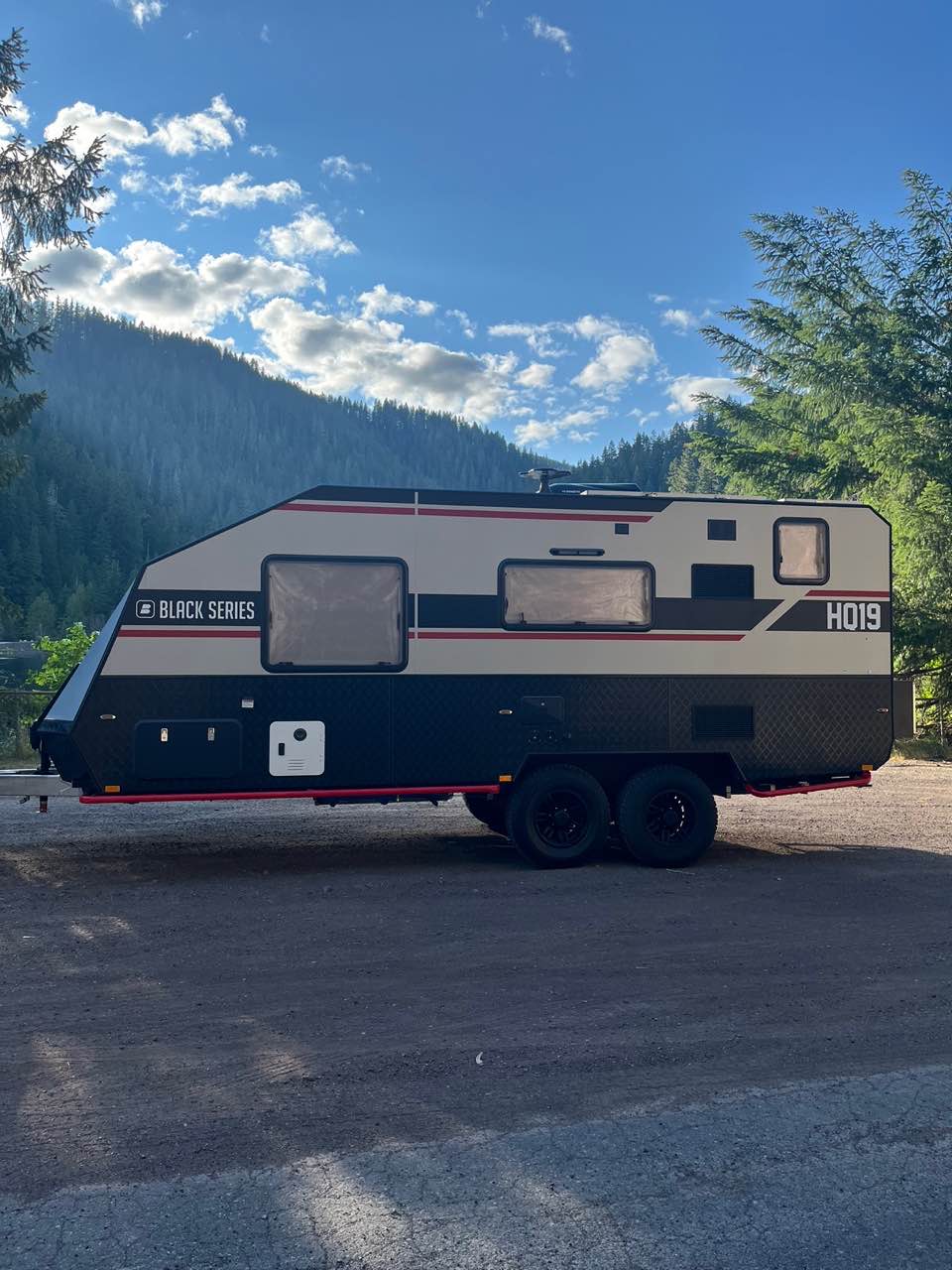
The roof is your first line of defense. The best hail-resistant trailers use one of three systems:
1. TPO (Thermoplastic Polyolefin) Roofing: Heat-welded seams, flexible under impact, and self-healing for minor punctures. Common on mid-range models.
2. PVC Membrane with Foam Core: Combines puncture resistance with insulation. The foam core absorbs impact energy while the PVC membrane provides a waterproof barrier.
3. Composite Fiberglass Shells: The premium option. One-piece molded fiberglass roofs eliminate seams entirely and distribute impact force across the entire structure. BlackSeries uses reinforced composite construction on our flagship models for exactly this reason.
While the roof takes the brunt of vertical hail, side panels face wind-driven ice at angles. Look for:
A hail-resistant trailer needs a backbone that can handle dynamic loading. Key features include:
It’s worth noting that these reinforcements do add weight. While an 18 ft camper weight for a standard model might hover around 3,200 pounds, a hail-resistant equivalent could push closer to 3,600-3,800 pounds due to thicker materials and structural bracing. Similarly, if you’re comparing a standard 24 ft camper weight versus a storm-hardened version, expect an additional 400-600 pounds.
Modern hail-resistant trailers use multi-layer wall construction:
This “sandwich” construction does more than insulate: it acts as a shock absorber, dissipating impact energy before it reaches critical components.
For more on rugged construction principles, see our breakdown of off-road trailer RV features.

Don’t just take marketing claims at face value. Here’s what to look for:
Roof Rating: Ask for the UL 2218 class rating. If the manufacturer can’t provide it, assume it’s Class 1 or 2 at best.
Warranty Coverage: Does the warranty explicitly cover hail damage? Many standard warranties exclude “acts of God” or environmental damage.
Actual Impact Tests: Request documentation of third-party testing. Some manufacturers conduct proprietary tests: ask to see video or certification.
Here’s where size matters for more than just towing capacity. A 30 foot rv weight typically ranges from 7,000 to 9,500 pounds for conventional trailers. Hail-resistant versions can push over 10,000 pounds due to reinforced construction.
Why does this matter during a storm? If you’re monitoring weather and need to reposition your trailer quickly or move it into a covered shelter, a lighter 16 ft camper weight (around 2,800-3,200 pounds) is far easier to maneuver than a 30 ft camper weight (8,500-10,000 pounds), especially if you’re solo.
The trade-off: larger trailers offer more interior space to wait out storms comfortably, but smaller units provide agility and easier access to protective cover.
For planning purposes, here’s the typical average weight of camper by length in 2026:
Hail-resistant models typically add 8-15% to these baseline figures. Understanding average travel trailer weights helps you match the right model to your tow vehicle’s capacity while ensuring you can still maneuver if weather turns.
Ask these questions before buying:
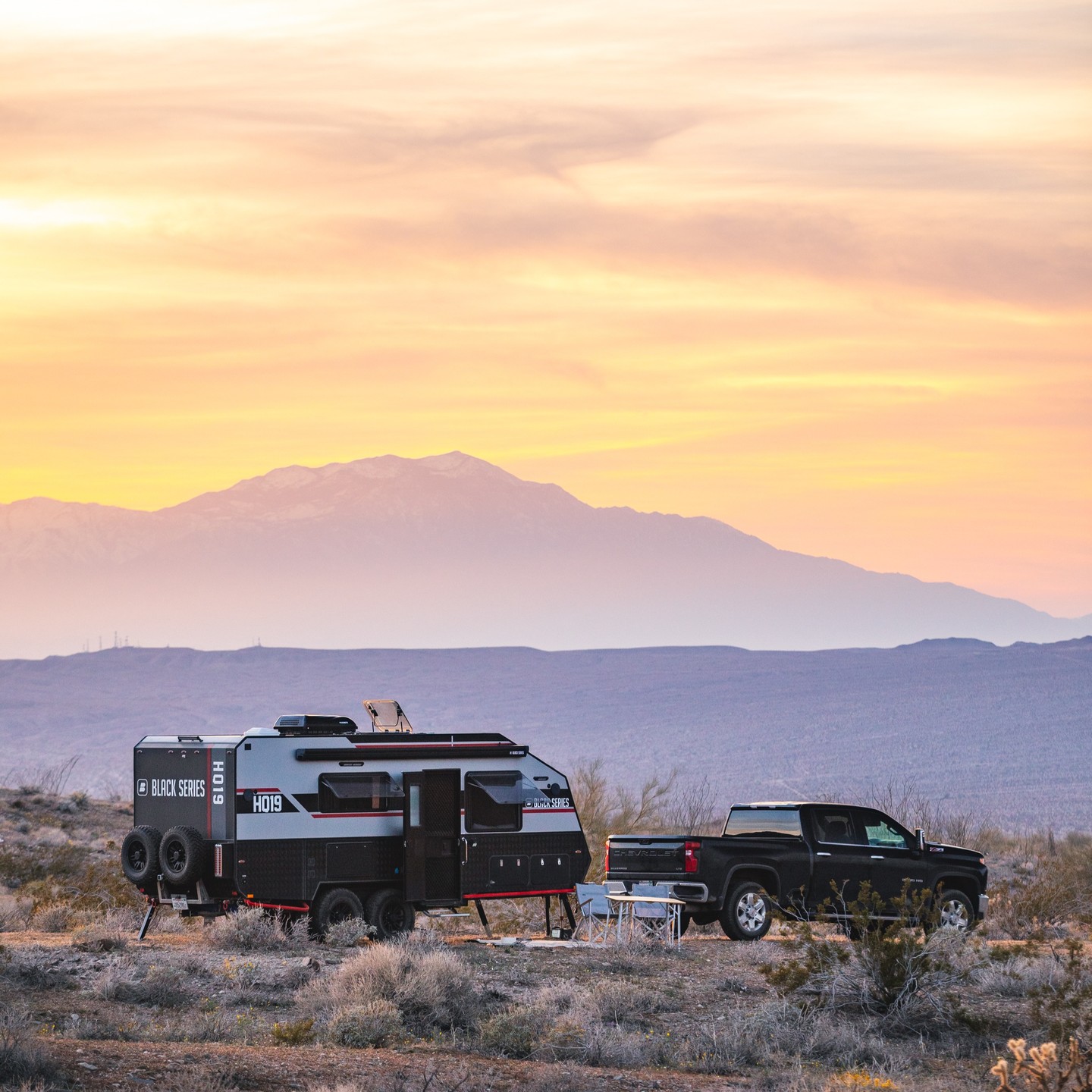
Storm Monitoring Systems: In 2026, smart RV systems with integrated weather alerts are no longer luxury: they’re standard. Look for trailers with cellular-connected weather monitoring that sends push notifications when severe storms approach your location. Some systems even provide suggested evacuation routes to nearby covered parking.
Hail Blankets and Protective Covers: Industrial-grade hail blankets use padded, reinforced fabric to absorb impact energy. They’re not cheap ($800-$1,500 for a full trailer cover), but they’re reusable and can prevent thousands in damage. The key is practicing deployment: you need to be able to cover your entire trailer in under 15 minutes.
Shelter Options: If you’re stationary for extended periods, consider:
Park Orientation: Face your trailer’s rear (typically the most reinforced section) into the prevailing storm direction. This minimizes direct hail impact on vulnerable components like propane tanks and battery compartments.
When you’re caught in a hailstorm, prioritize:
Immediate Inspection Checklist:
Insurance Claims: Most RV policies have specific hail damage protocols. File within 48 hours if possible, and keep all documentation. If your trailer has a documented pre-storm condition (photos, inspection reports), claims process much faster.

After a severe hailstorm, prioritize inspection of:
You Can Handle:
Call a Pro For:
If your trailer survives a storm with minor damage, consider these post-event upgrades:
For ongoing maintenance tips that extend trailer life, check out our off-road trailer maintenance guide.
What makes a travel trailer hail-resistant?
A travel trailer becomes hail-resistant through three primary features: a Class 3 or Class 4 impact-rated roof system (typically composite fiberglass or reinforced TPO membrane), high-density exterior skin backing that absorbs impact energy, and reinforced structural framing that prevents deformation under load. The combination of these elements allows the trailer to withstand hailstones up to 2 inches in diameter without permanent damage.
Are hail-resistant travel trailers worth the extra cost?
If you camp regularly in the Great Plains, Rockies, or Southwest: regions that experience frequent severe hailstorms: absolutely. The average cost premium for hail-resistant construction is $3,000-$6,000, while a single severe hail damage repair can easily exceed $8,000. Beyond repair costs, hail damage reduces resale value by 15-25%, even after professional restoration. For full-time RVers or those who can’t easily shelter their trailer, it’s essential insurance.
How do I protect my trailer from hail damage if it’s not hail-resistant?
Monitor weather aggressively using apps like Windy or Weather Underground, which provide hail probability forecasts. Invest in a quality hail blanket ($800-$1,500) and practice rapid deployment. If possible, park under covered structures or dense tree canopy when storms are forecast. For extended stays in high-risk areas, consider temporary storage in indoor RV facilities during severe weather seasons (typically April-August in the central U.S.).
Can hail-proofing void my trailer warranty?
Aftermarket modifications to your trailer’s roof or exterior structure can potentially void specific warranty coverage, particularly if the modification causes failure. However, adding protective accessories like hail blankets, upgraded vent covers, or impact-resistant skylights typically don’t affect warranty as long as installation doesn’t compromise sealed surfaces. Always check with your manufacturer before making structural modifications. Review BlackSeries warranty policies at blackseries.net/warranty.
Hail-resistant travel trailers aren’t just for storm chasers or paranoid campers: they’re practical investments for anyone who values long-term durability and wants to explore the most spectacular (and weather-prone) regions of North America without constant anxiety.
In 2026, as more RVers embrace year-round off-grid living and venture into remote areas with unpredictable weather, storm-proof construction has shifted from luxury feature to essential requirement. Whether you’re choosing your first trailer or upgrading from a storm-damaged unit, prioritize impact ratings, structural reinforcement, and proven protective systems.
The wild places are calling: make sure your home on wheels can handle whatever nature throws at it.
For more insights on choosing durable adventure-ready trailers, explore our complete 2025 off-road travel trailer buying guide.